Oyster farm bay
1344×768 · AVIF · CC BY 4.0
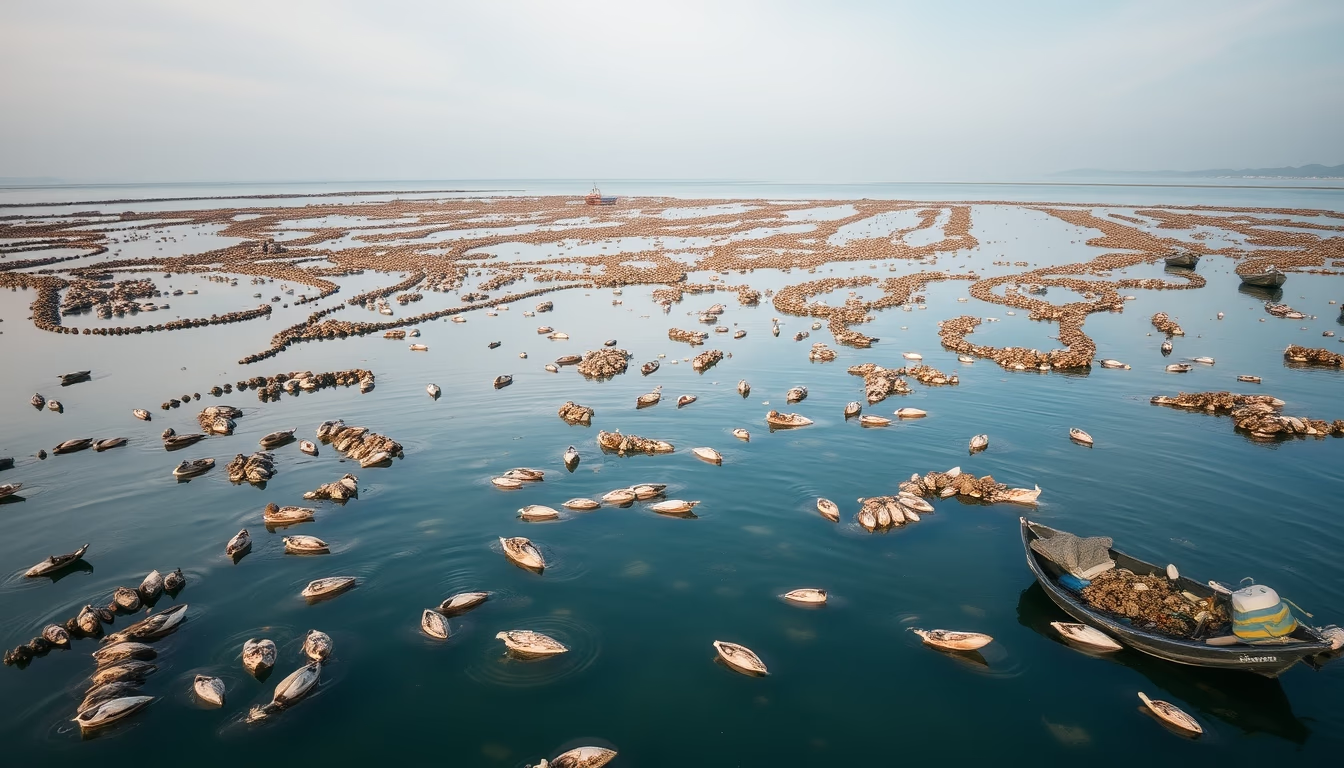
Oyster farming in bays is a sustainable aquaculture practice that filters water and generates income for coastal communities worldwide.
About this subject
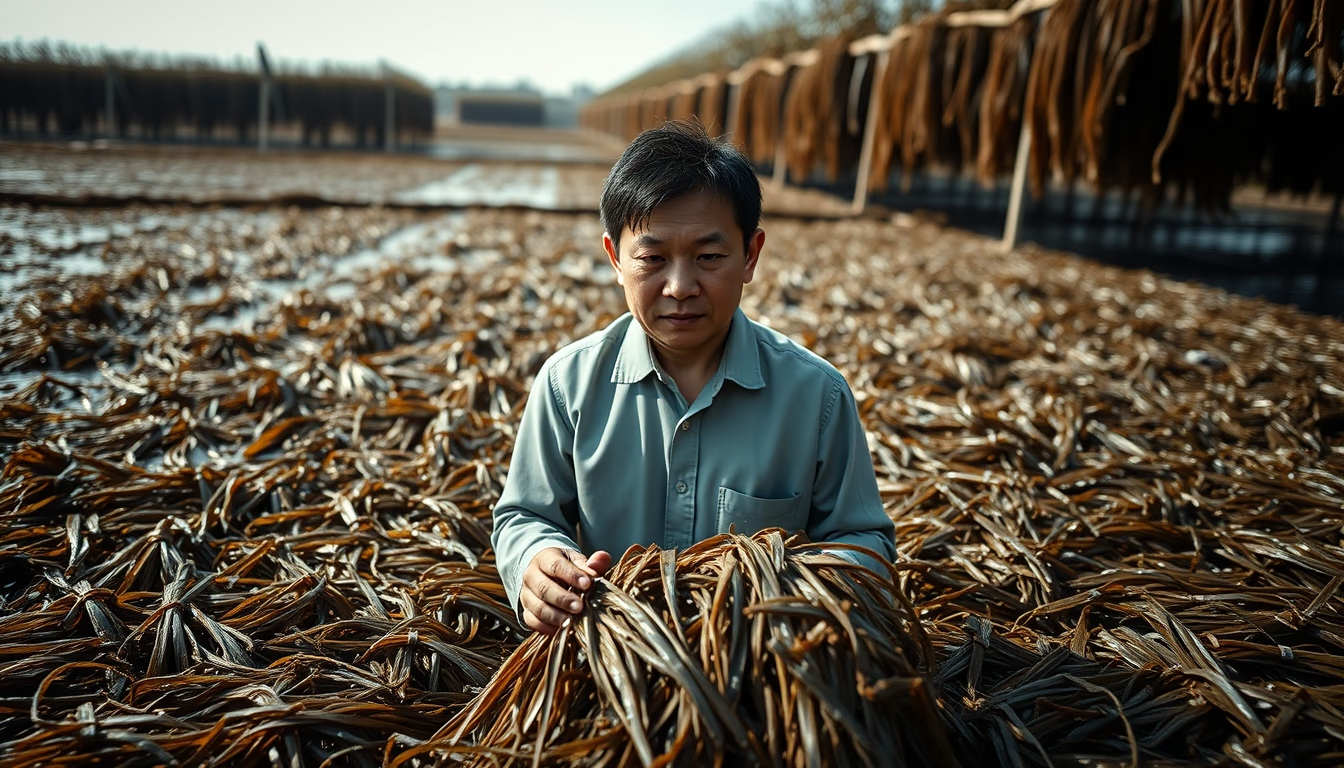
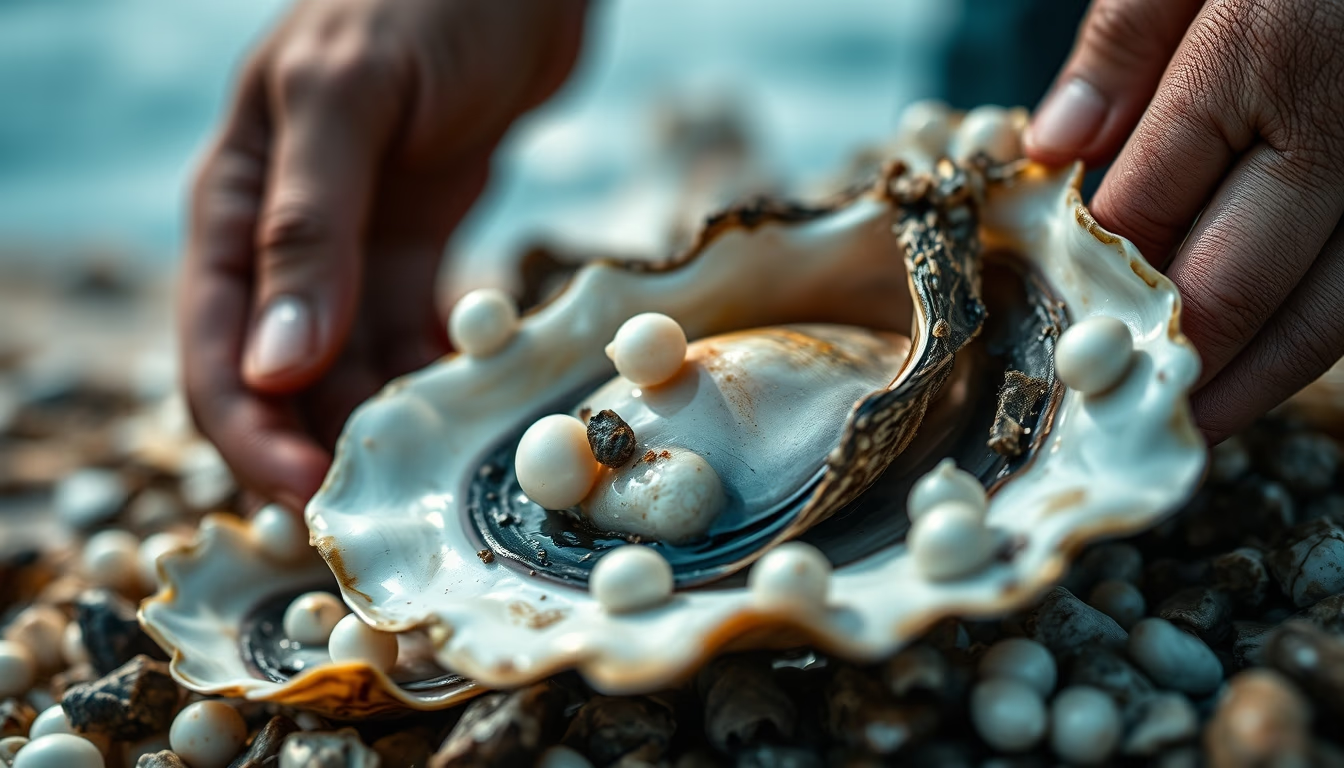
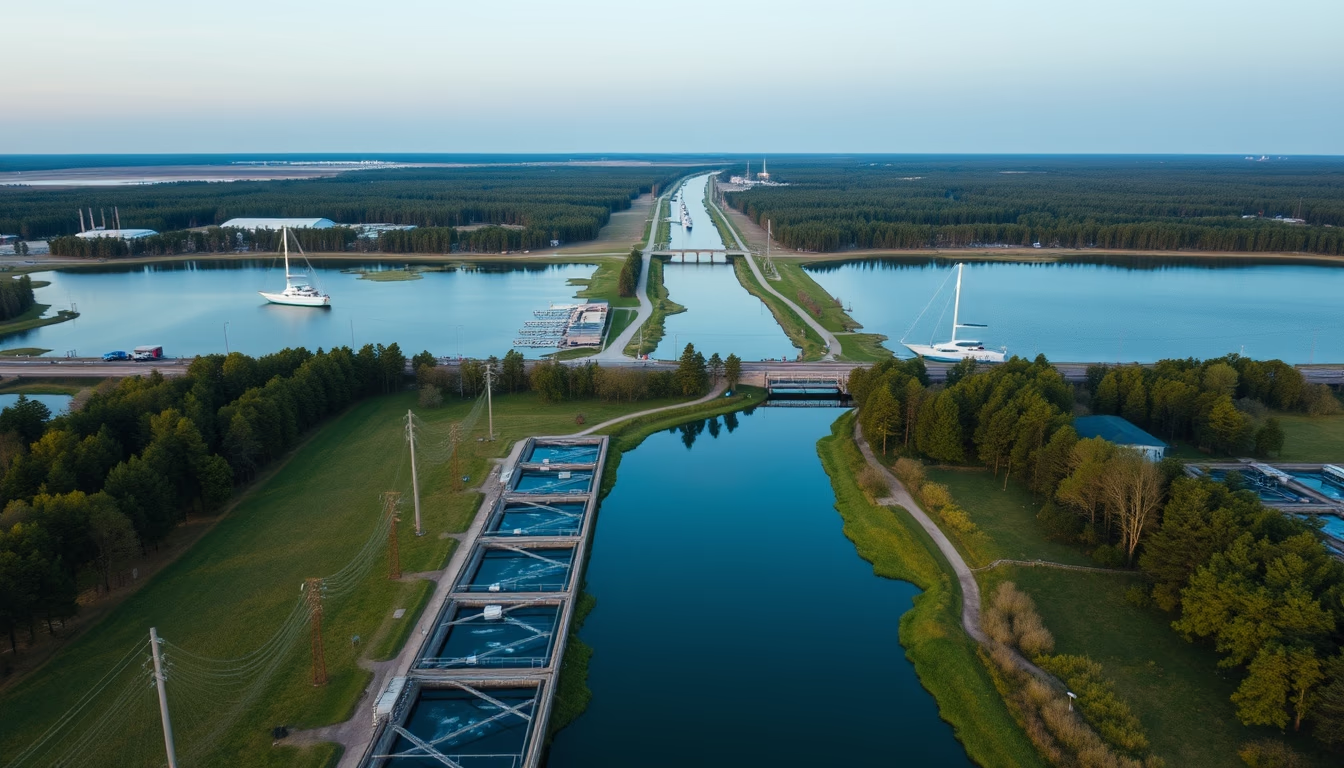
Oyster farming, or ostreiculture, is a low-impact aquaculture practice. Oysters are natural filter feeders: each adult oyster can filter up to 190 liters of water per day, removing algae and suspended particles. This process improves water quality in bays and estuaries, benefiting local ecosystems. In Brazil, Santa Catarina is the largest producer, with marine farms in Florianópolis, Palhoça, and São Francisco do Sul. The state accounts for about 95% of the country's output, using techniques ranging from fixed tables to floating longlines.
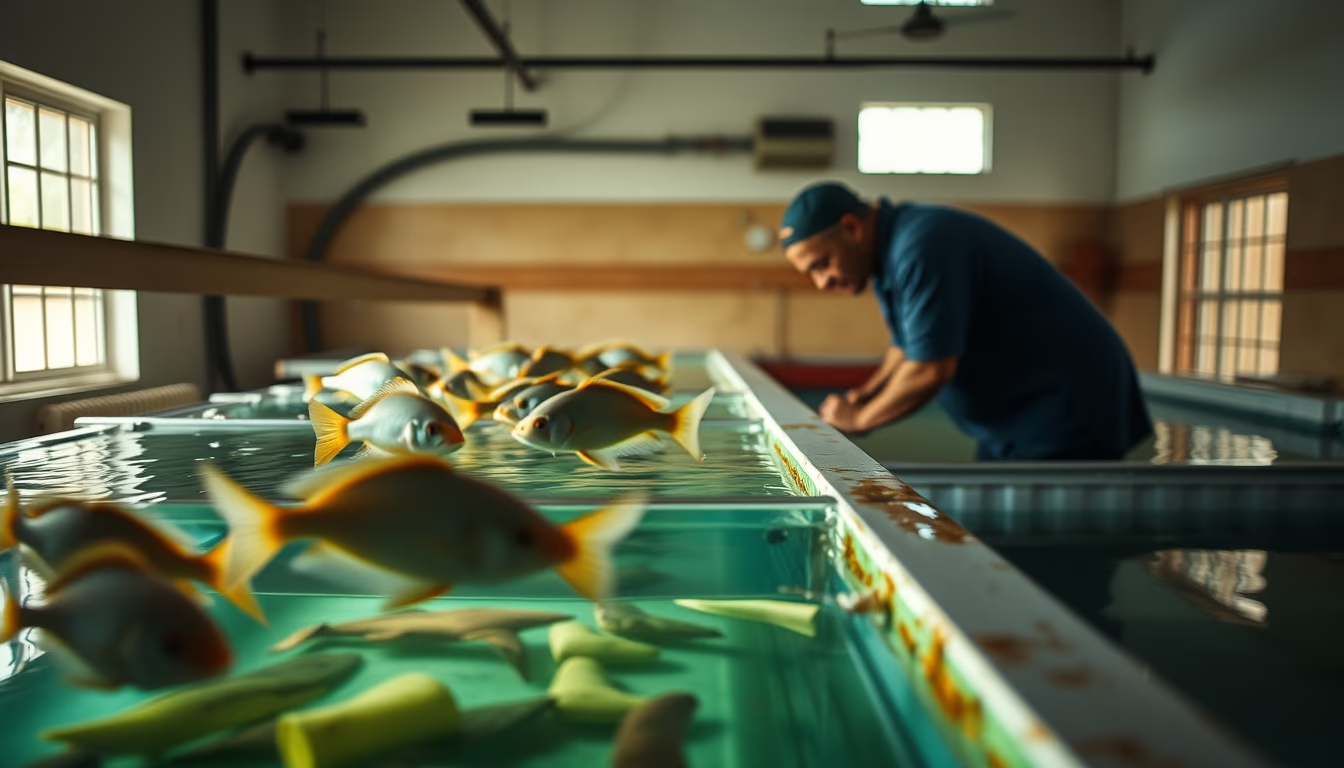
Globally, oyster farming occurs in regions such as Chesapeake Bay (USA), the Atlantic coast of France (Marennes-Oléron), and the coast of Japan (Hiroshima). The most cultivated species in Brazil is the mangrove oyster (Crassostrea brasiliana), but the Pacific oyster (Crassostrea gigas) is also common in farming systems. The production cycle takes 8 to 18 months, depending on salinity, temperature, and food availability. Beyond commercial value, oyster farms create artificial habitats that attract fish and crustaceans, boosting local biodiversity.
Oyster culture also has a social dimension: many traditional communities, such as artisanal fishermen, find in oyster farming an alternative to overfishing. In Brazil, the Aquicultura da Semana program (from the Ministry of Fisheries) encourages family production. However, challenges such as ocean acidification, microplastic pollution, and disease outbreaks (like summer mortality syndrome) threaten the activity. Practices like integrated multi-trophic aquaculture with algae and site selection with good water circulation help mitigate risks.
Frequently Asked Questions
How do oysters contribute to water cleaning?
Oysters are filter feeders: they pump water through their gills, trapping particles like phytoplankton and sediment. An adult oyster can filter up to 190 liters per day, reducing turbidity and excess nutrients, preventing harmful algal blooms.
Where is the largest oyster production in Brazil?
Santa Catarina is the largest producer state, accounting for about 95% of Brazil's oyster farming. Main municipalities include Florianópolis, Palhoça, and São Francisco do Sul, with farms in calm, nutrient-rich bays and estuaries.
Is oyster farming considered sustainable?
Yes, when well managed. Oyster farms provide environmental benefits such as water filtration and habitat creation. They require no feed (oysters feed on natural plankton) and have low carbon emissions. However, stocking density must be monitored to avoid local impacts.
Direct URL
https://pub-c7d6a6ea828543ac903a74a341ccb2e1.r2.dev/imagens/oyster-farm-bay-documentary-nature-style-fresh6.avifHow to credit
Include a visible link back to UtilizAí. Copy one of the snippets below:
<a href="https://xn--utiliza-eza.com/en/midia/imagens/oyster-farm-bay-documentary-nature-style-fresh6">Oyster farm bay</a> by <a href="https://xn--utiliza-eza.com">UtilizAí</a>, licensed under <a href="https://creativecommons.org/licenses/by/4.0/">CC BY 4.0</a>.
[Oyster farm bay](https://xn--utiliza-eza.com/en/midia/imagens/oyster-farm-bay-documentary-nature-style-fresh6) by [UtilizAí](https://xn--utiliza-eza.com), CC BY 4.0
License: CC-BY-4.0