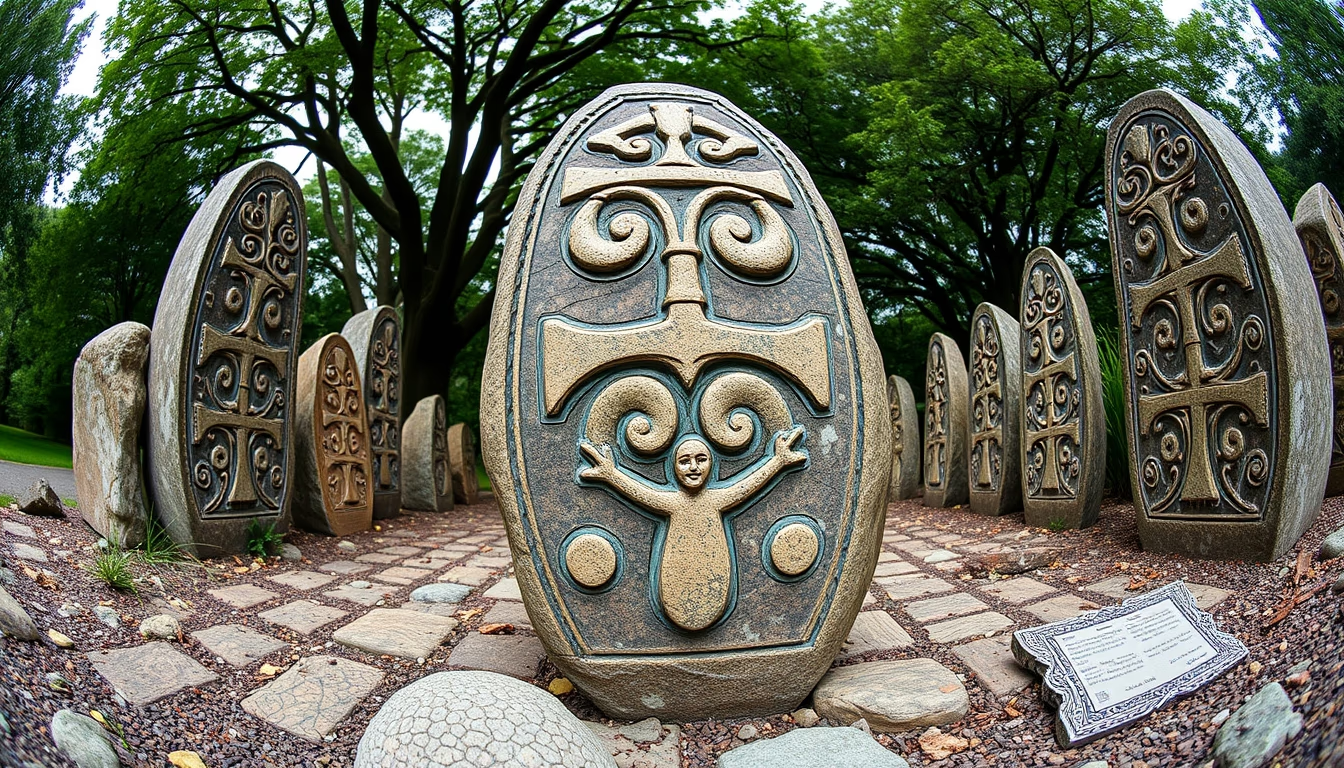
Oghams celtic stone
1344×768 · AVIF · CC BY 4.0
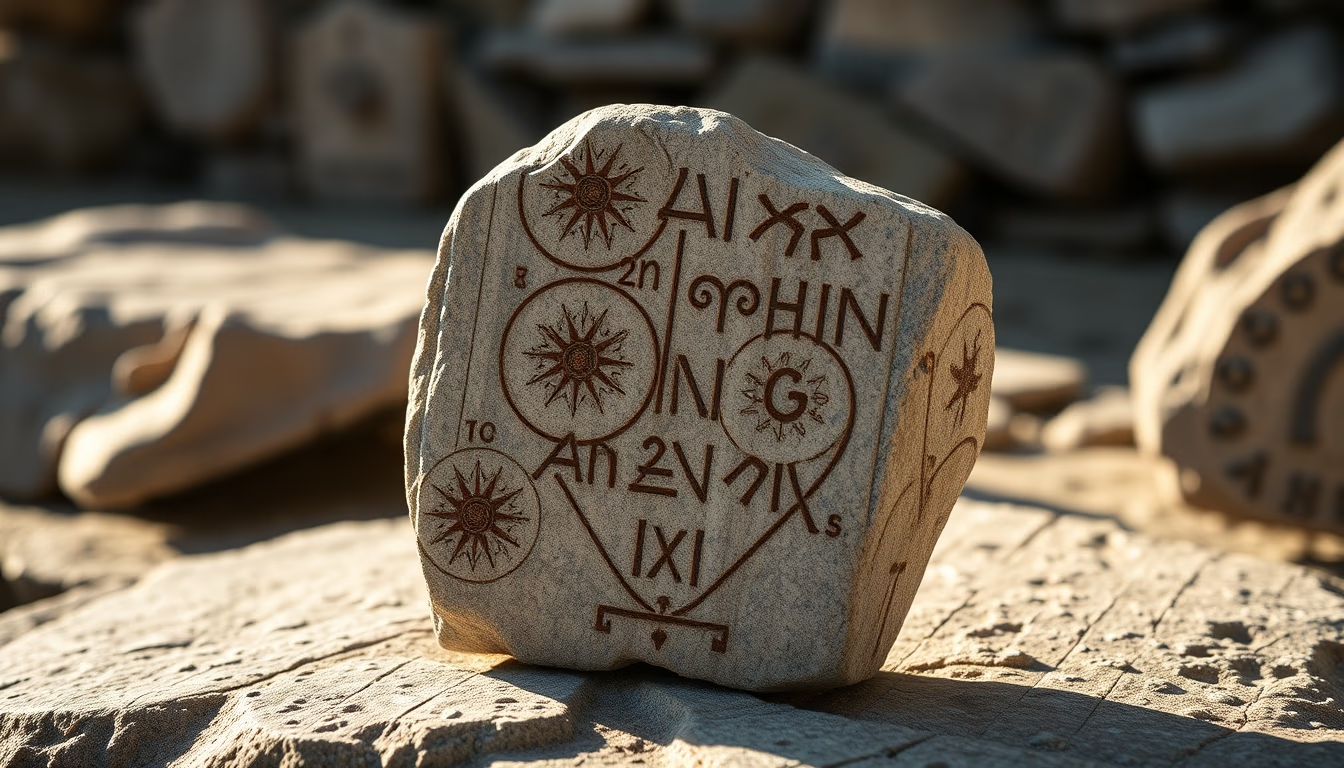
Pedras com inscrições em Ogham, antigo alfabeto celta usado entre os séculos IV e VI, são marcos históricos irlandeses.
Sobre o tema
O Ogham é um sistema de escrita alfabética que surgiu na Irlanda por volta do século IV d.C., provavelmente inspirado no alfabeto latino, mas adaptado à língua irlandesa primitiva. Suas inscrições consistem em linhas e entalhes feitos ao longo de uma aresta central, geralmente na vertical, em pedras de arenito ou quartzito. As pedras Ogham, também conhecidas como 'pedras Ogham', são monumentos que registram nomes pessoais, frequentemente em contexto de linhagens ou propriedade de terras.
A maioria das cerca de 400 pedras Ogham conhecidas foi encontrada na Irlanda, especialmente nos condados de Kerry, Cork e Waterford, com algumas no País de Gales, na Inglaterra e na Ilha de Man, resultado de migrações ou influências irlandesas. As inscrições seguem um padrão: o nome do falecido no genitivo (exemplo: 'DO MAQI-DECEDA' significa 'do filho de Deceda'). A pedra típica é um monolito ereto, muitas vezes reutilizado como marco de fronteira ou lápide.
A função exata dessas pedras é debatida, mas acredita-se que eram memoriais para indivíduos importantes ou marcadores de limites territoriais. O alfabeto Ogham é composto por 20 letras (feda) divididas em aicme (grupos) de cinco, cada uma representando um som consonantal ou vocálico. A partir do século VII, com a cristianização, o Ogham foi gradualmente substituído pelo alfabeto latino, e as pedras passaram a ser combinadas com cruzes ou inscrições em irlandês antigo. Hoje, são patrimônio arqueológico protegido e atraem estudiosos e turistas interessados na cultura celta.
Perguntas frequentes
O que significa uma inscrição em Ogham em uma pedra?
As inscrições Ogham geralmente registram nomes de pessoas, frequentemente no genitivo, indicando 'do filho de' ou 'de tal pessoa'. Serviam como lápides ou marcos de propriedade.
Onde posso encontrar pedras Ogham?
A maioria está na Irlanda, especialmente nos condados de Kerry, Cork e Waterford. Há também exemplares no País de Gales, Inglaterra e Ilha de Man.
Qual a idade das pedras Ogham?
Datam do século IV ao VI d.C., com algumas possíveis inscrições tardias até o século VII.
URL direta
https://pub-c7d6a6ea828543ac903a74a341ccb2e1.r2.dev/imagens/oghams-celtic-stone-documentary-photography-fresh1.avifComo creditar
Inclua um link visível de volta pro UtilizAí. Copie um dos snippets abaixo:
<a href="https://xn--utiliza-eza.com/midia/imagens/oghams-celtic-stone-documentary-photography-fresh1">Oghams celtic stone</a> by <a href="https://xn--utiliza-eza.com">UtilizAí</a>, licensed under <a href="https://creativecommons.org/licenses/by/4.0/">CC BY 4.0</a>.
[Oghams celtic stone](https://xn--utiliza-eza.com/midia/imagens/oghams-celtic-stone-documentary-photography-fresh1) by [UtilizAí](https://xn--utiliza-eza.com), CC BY 4.0
Licença: CC-BY-4.0