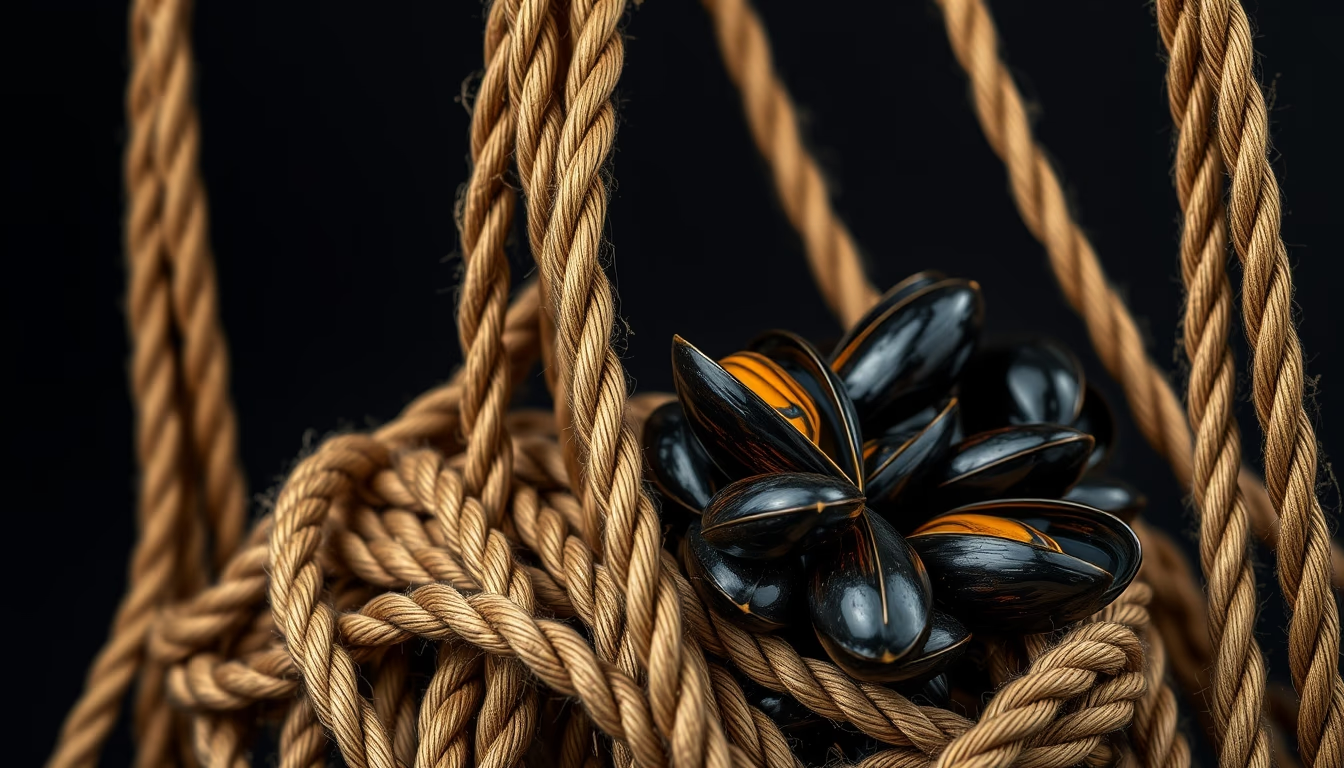
Mussel ropes ocean
1344×768 · AVIF · CC BY 4.0
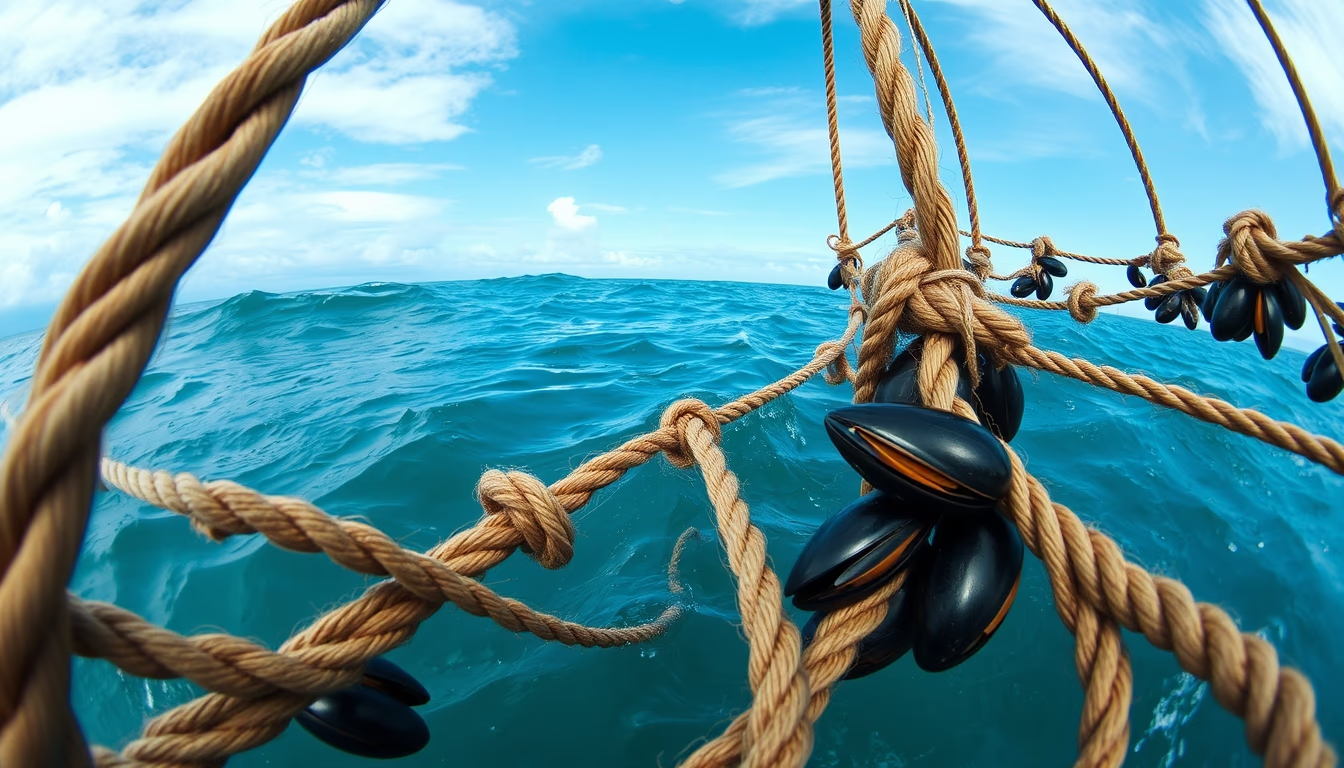
Mussel ropes suspended in the ocean represent mussel farming in longline systems, a sustainable aquaculture technique that produces seafood with low environmental impact.
About this subject
Mussel ropes, also known as longlines, are horizontal submerged cables kept at the surface by buoys. From them hang vertical ropes where mussels attach and grow. This technique is widely used in mariculture as it optimizes the vertical space of the water column, allowing high density without competing with other coastal activities.
Mussel farming is considered one of the most environmentally friendly forms of aquaculture. The animals filter phytoplankton from the water, eliminating the need for artificial feed. They also sequester carbon in their shells and improve water clarity. An adult mussel can filter up to 50 liters of water per day, helping reduce eutrophication in coastal areas.
Globally, mussel aquaculture is significant in Spain, especially Galicia, which leads European production. Chile, New Zealand, and China are also major producers. In Brazil, the state of Santa Catarina is responsible for over 90% of national output, concentrated in the bays of Florianópolis and São Francisco do Sul. The main cultivated species is the brown mussel Perna perna.
A technical curiosity: ropes are often seeded with spat collected from natural collectors or produced in hatcheries. The growing cycle lasts from 10 to 18 months, depending on environmental conditions. After harvest, ropes are cleaned and reused, minimizing waste.
Frequently Asked Questions
How does mussel farming on ropes work?
The ropes are suspended at sea using buoys, and mussels either settle naturally or are seeded. They grow for 10 to 18 months until reaching market size.
What are the environmental benefits of mussel farming?
Mussels filter water, removing excess phytoplankton and improving water quality. They require no feed, antibiotics, or fertilizers, and they sequester carbon in their shells.
Where in Brazil are mussels farmed?
The main producing state is Santa Catarina, especially in the bays of Florianópolis and São Francisco do Sul. This region accounts for over 90% of Brazil's mussel production.
Direct URL
https://pub-c7d6a6ea828543ac903a74a341ccb2e1.r2.dev/imagens/mussel-ropes-ocean-fish-eye-wide-angle-fresh13.avifHow to credit
Include a visible link back to UtilizAí. Copy one of the snippets below:
<a href="https://xn--utiliza-eza.com/en/midia/imagens/mussel-ropes-ocean-fish-eye-wide-angle-fresh13">Mussel ropes ocean</a> by <a href="https://xn--utiliza-eza.com">UtilizAí</a>, licensed under <a href="https://creativecommons.org/licenses/by/4.0/">CC BY 4.0</a>.
[Mussel ropes ocean](https://xn--utiliza-eza.com/en/midia/imagens/mussel-ropes-ocean-fish-eye-wide-angle-fresh13) by [UtilizAí](https://xn--utiliza-eza.com), CC BY 4.0
License: CC-BY-4.0