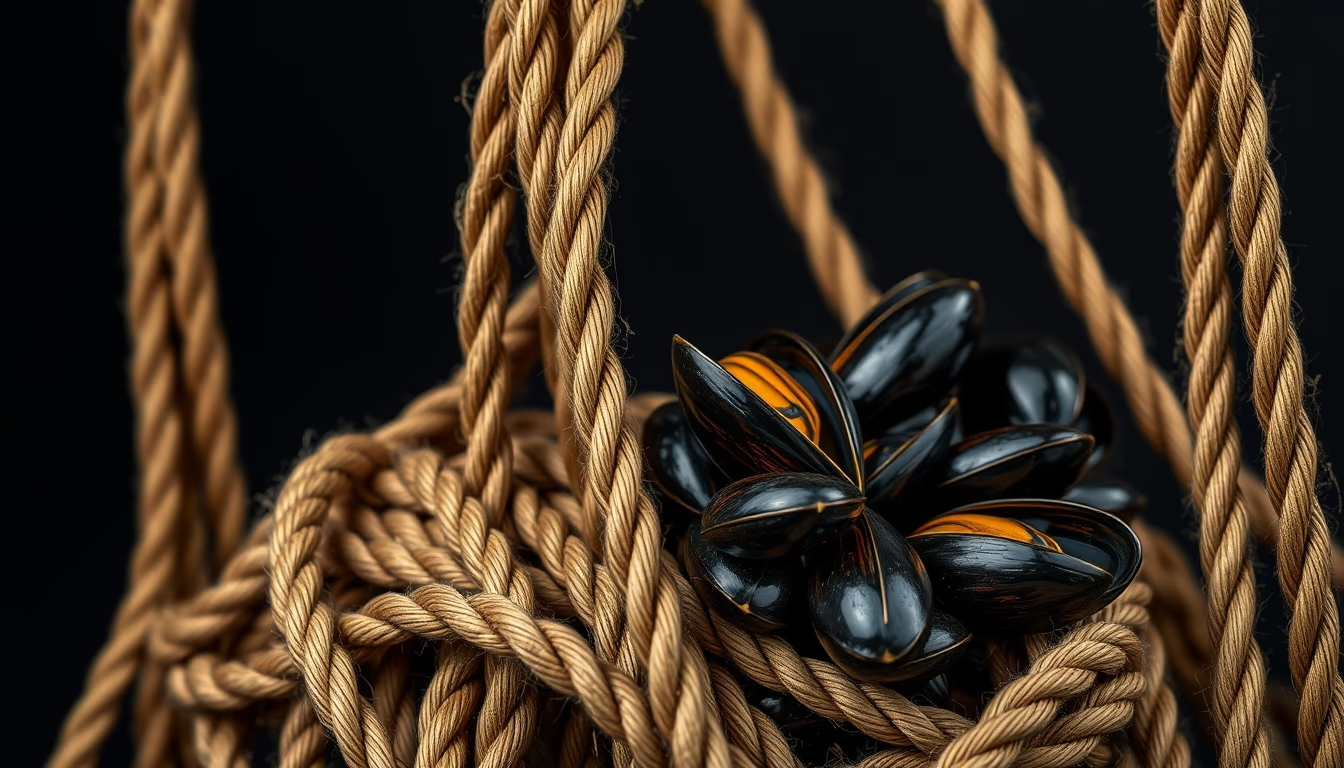
Mussel ropes ocean
1344×768 · AVIF · CC BY 4.0
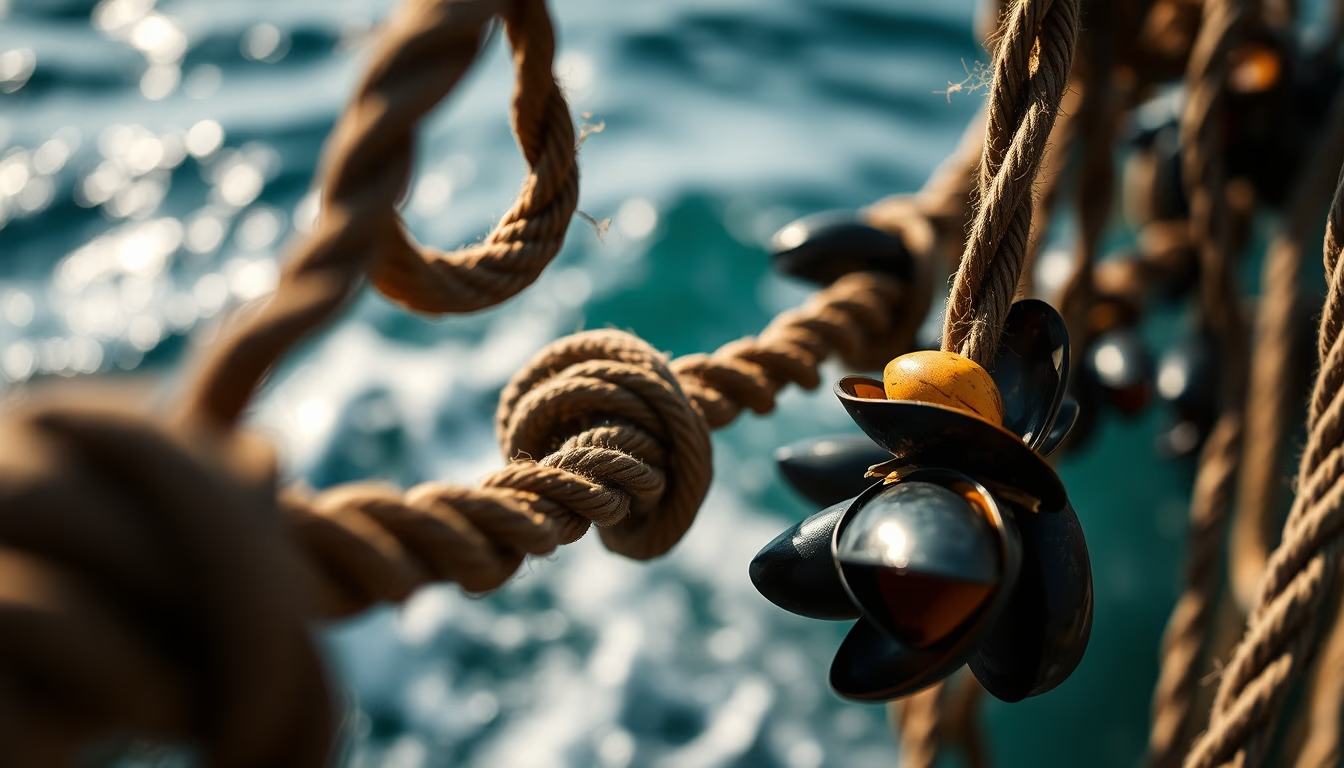
Mussel ropes suspended in the ocean form the backbone of mussel aquaculture, a sustainable farming practice with significant global economic importance.
About this subject
Mussel cultivation on suspended ropes, known as longline or raft culture, is one of the most efficient and eco-friendly aquaculture methods. In this system, nylon or polypropylene ropes are attached to floating structures and submerged in the water column, where mussels naturally attach and grow. This technique exploits mussels' filter-feeding ability, removing plankton and organic particles from the water, thus improving water quality.
Globally, mussel farming yields about 2 million tons annually, led by countries such as China, Chile, Spain, and New Zealand. In Brazil, production is concentrated on the coast of Santa Catarina state, especially around Florianópolis, which accounts for over 90% of national output. Main cultivated species include Perna perna and Mytilus edulis, adapted to temperate and tropical waters.
A key fact is that mussel ropes require no external feed, fertilizers, or antibiotics, unlike other aquaculture forms. This reduces costs and environmental footprint, making mussel farming a low-carbon activity. Additionally, rope structures act as artificial reefs, attracting fish and invertebrates, thus boosting local biodiversity. Harvest occurs after 6 to 12 months when mussels reach commercial size.
Despite benefits, challenges include biofouling (organisms competing for space on ropes), storms damaging structures, and constant water quality monitoring to avoid toxin contamination from algal blooms (e.g., phycotoxins causing red tides). Certification schemes like the Aquaculture Stewardship Council (ASC) have promoted more sustainable practices in the sector.
Frequently Asked Questions
How does mussel rope culture work?
Ropes are suspended from floating structures (rafts or longlines) in the sea. Mussels naturally attach and grow by filter-feeding plankton. Harvest occurs after 6 to 12 months.
What is the economic importance of mussel farming in Brazil?
Santa Catarina accounts for over 90% of national production. The activity generates jobs and income in coastal communities, especially around Florianópolis.
Does mussel rope culture cause environmental impacts?
It is considered sustainable: no feed or antibiotics needed. Ropes improve water quality and act as artificial reefs, but biofouling and algal toxins require monitoring.
Direct URL
https://pub-c7d6a6ea828543ac903a74a341ccb2e1.r2.dev/imagens/mussel-ropes-ocean-fine-art-photography-fresh2.avifHow to credit
Include a visible link back to UtilizAí. Copy one of the snippets below:
<a href="https://xn--utiliza-eza.com/en/midia/imagens/mussel-ropes-ocean-fine-art-photography-fresh2">Mussel ropes ocean</a> by <a href="https://xn--utiliza-eza.com">UtilizAí</a>, licensed under <a href="https://creativecommons.org/licenses/by/4.0/">CC BY 4.0</a>.
[Mussel ropes ocean](https://xn--utiliza-eza.com/en/midia/imagens/mussel-ropes-ocean-fine-art-photography-fresh2) by [UtilizAí](https://xn--utiliza-eza.com), CC BY 4.0
License: CC-BY-4.0