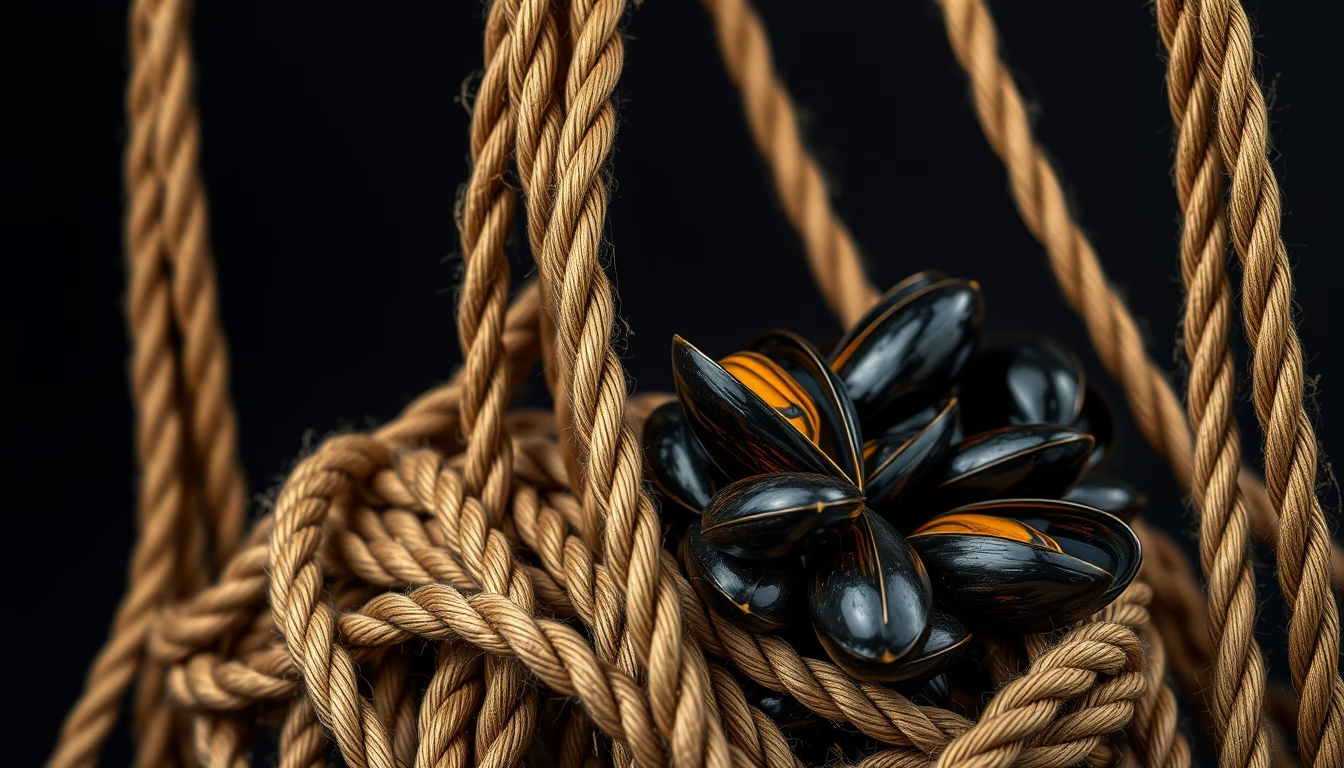
Mussel ropes ocean
1344×768 · AVIF · CC BY 4.0
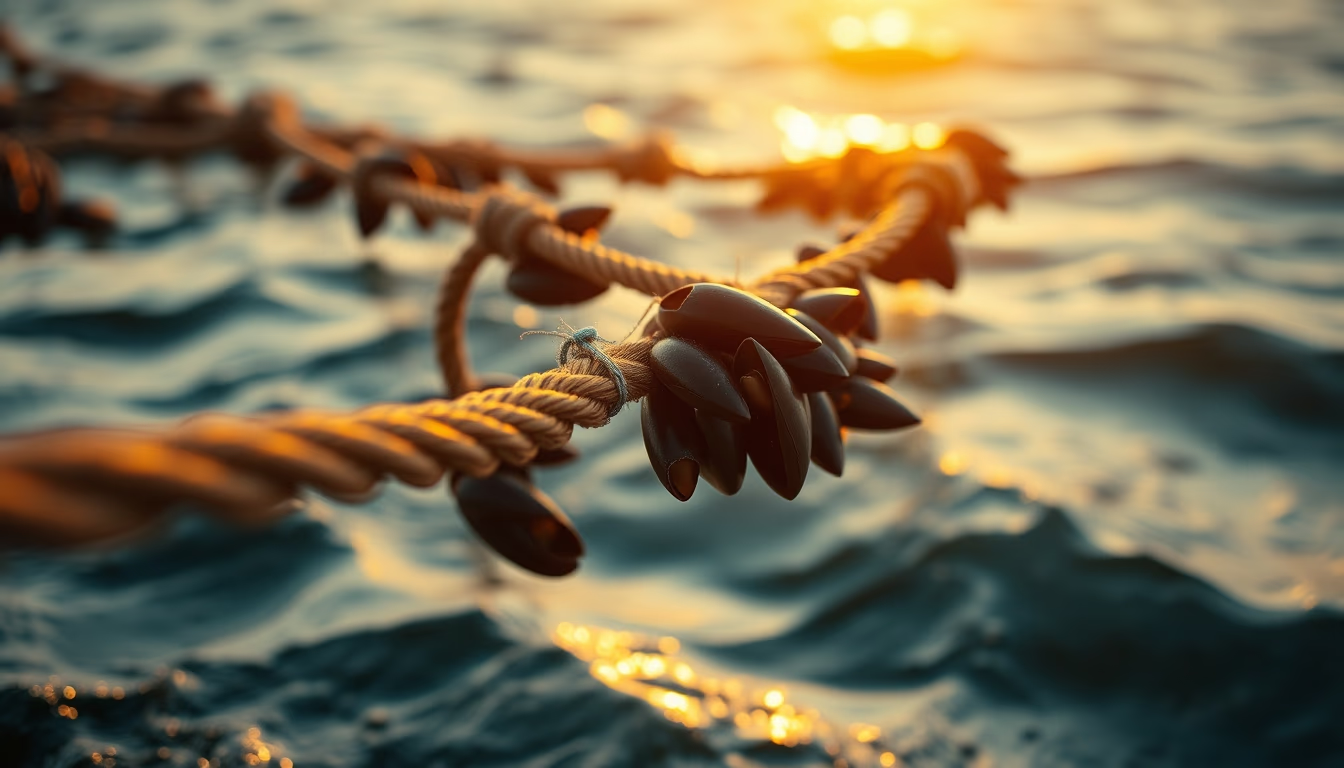
Mussel farming on ropes in the ocean is a sustainable aquaculture technique that produces seafood with low environmental impact.
About this subject
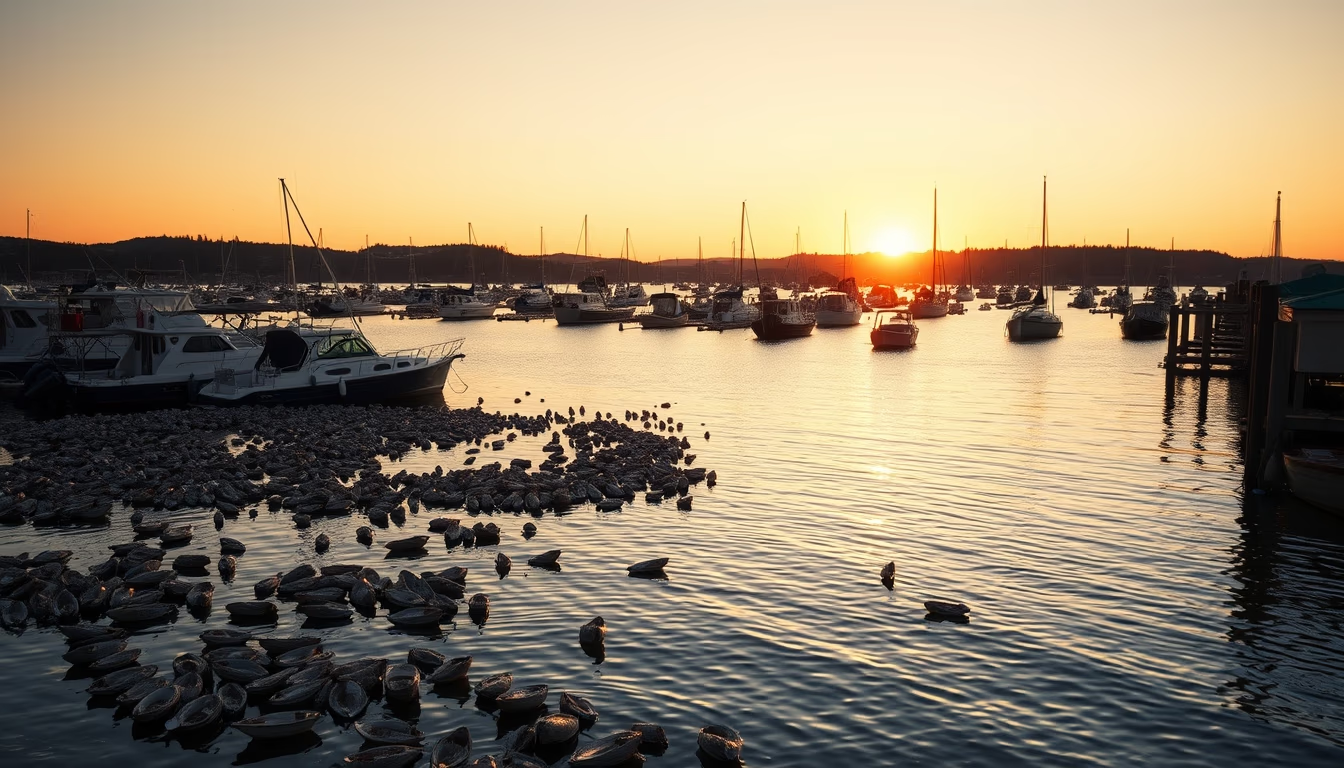
Rope-grown mussel farming, also known as bouchot cultivation or longline mussel farming, is an aquaculture method widely practiced in coastal regions worldwide, including Chile, Spain, New Zealand, and Brazil. The technique involves suspending ropes, made of natural or synthetic fibers, from floating structures such as rafts or longlines, and submerging them in plankton-rich waters. Mussels, as filter feeders, attach to the ropes and feed naturally, requiring no feed or antibiotics.
This method is considered one of the most sustainable forms of animal protein production. According to the Food and Agriculture Organization (FAO), mussel farming emits roughly 2 kg of CO₂ per kilogram of protein, compared to 50 kg for beef. Moreover, mussels help mitigate coastal eutrophication by removing dissolved nitrogen and phosphorus from the water column.
In Brazil, the main production hubs are in Santa Catarina and São Paulo states. Florianópolis is the largest national producer, with hundreds of marine farms in its southern bay. Harvesting typically takes 6 to 9 months after seeding, once the shells reach market size. Mussels are sold fresh, frozen, or canned, supplying both domestic and foreign markets.
Interestingly, each mussel can filter up to 5 liters of water per hour, improving water clarity and ecosystem health. Rope culture is also used for oysters and scallops, but mussels stand out for their fast growth and resilience to environmental variations.
Frequently Asked Questions
How long does it take for mussels to grow on ropes?
The growth cycle takes 6 to 9 months, depending on water temperature and food availability. After that, mussels reach market size (about 5 to 8 cm in length).
Does mussel farming pollute the ocean?
Quite the opposite. Rope-grown mussel farming has very low environmental impact. Mussels require no feed or chemicals, and they filter the water, removing pollutants like nitrogen and phosphorus.
Which countries are the largest producers of farmed mussels?
China, Chile, Spain, and New Zealand lead global production. In Brazil, Santa Catarina is the top producing state, especially around Florianópolis.
Direct URL
https://pub-c7d6a6ea828543ac903a74a341ccb2e1.r2.dev/imagens/mussel-ropes-ocean-cinematic-wide-shot-fresh17.avifHow to credit
Include a visible link back to UtilizAí. Copy one of the snippets below:
<a href="https://xn--utiliza-eza.com/en/midia/imagens/mussel-ropes-ocean-cinematic-wide-shot-fresh17">Mussel ropes ocean</a> by <a href="https://xn--utiliza-eza.com">UtilizAí</a>, licensed under <a href="https://creativecommons.org/licenses/by/4.0/">CC BY 4.0</a>.
[Mussel ropes ocean](https://xn--utiliza-eza.com/en/midia/imagens/mussel-ropes-ocean-cinematic-wide-shot-fresh17) by [UtilizAí](https://xn--utiliza-eza.com), CC BY 4.0
License: CC-BY-4.0