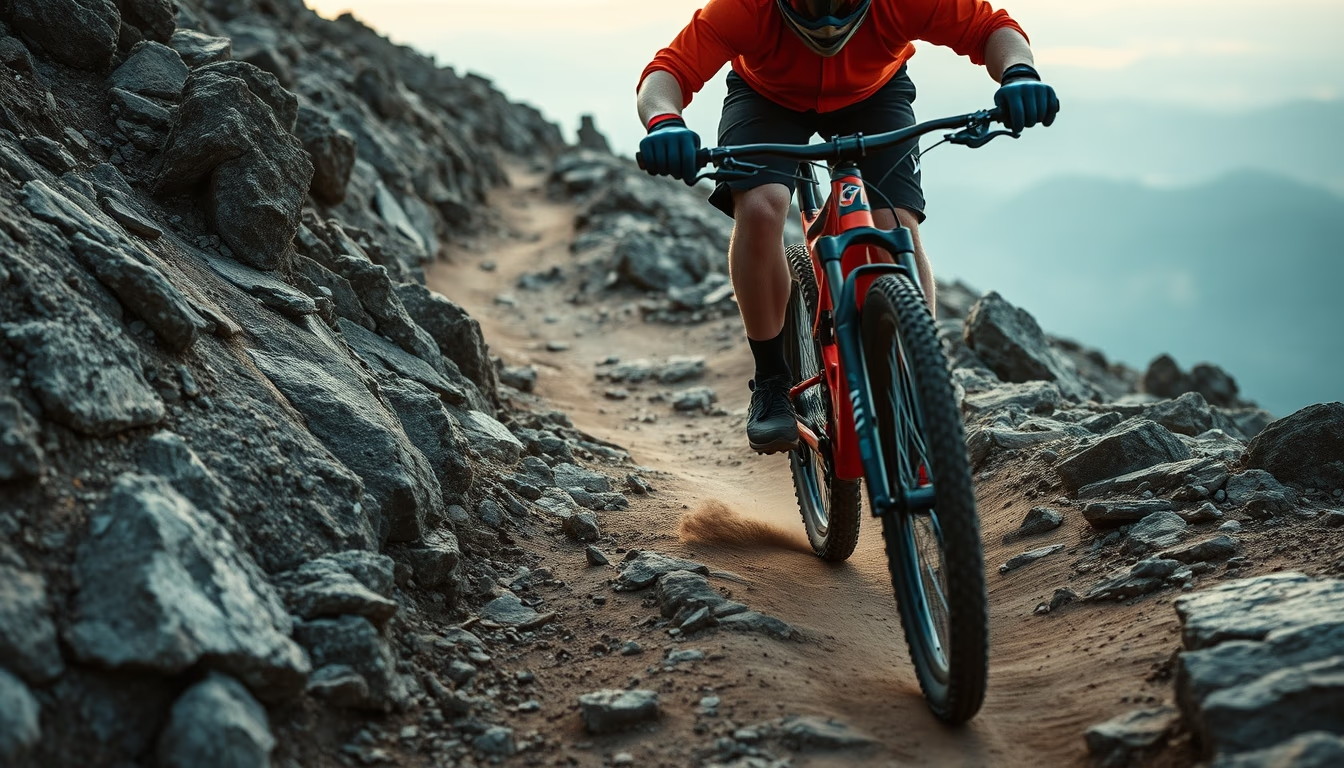
Mtb rocky trail descent
1344×768 · AVIF · CC BY 4.0
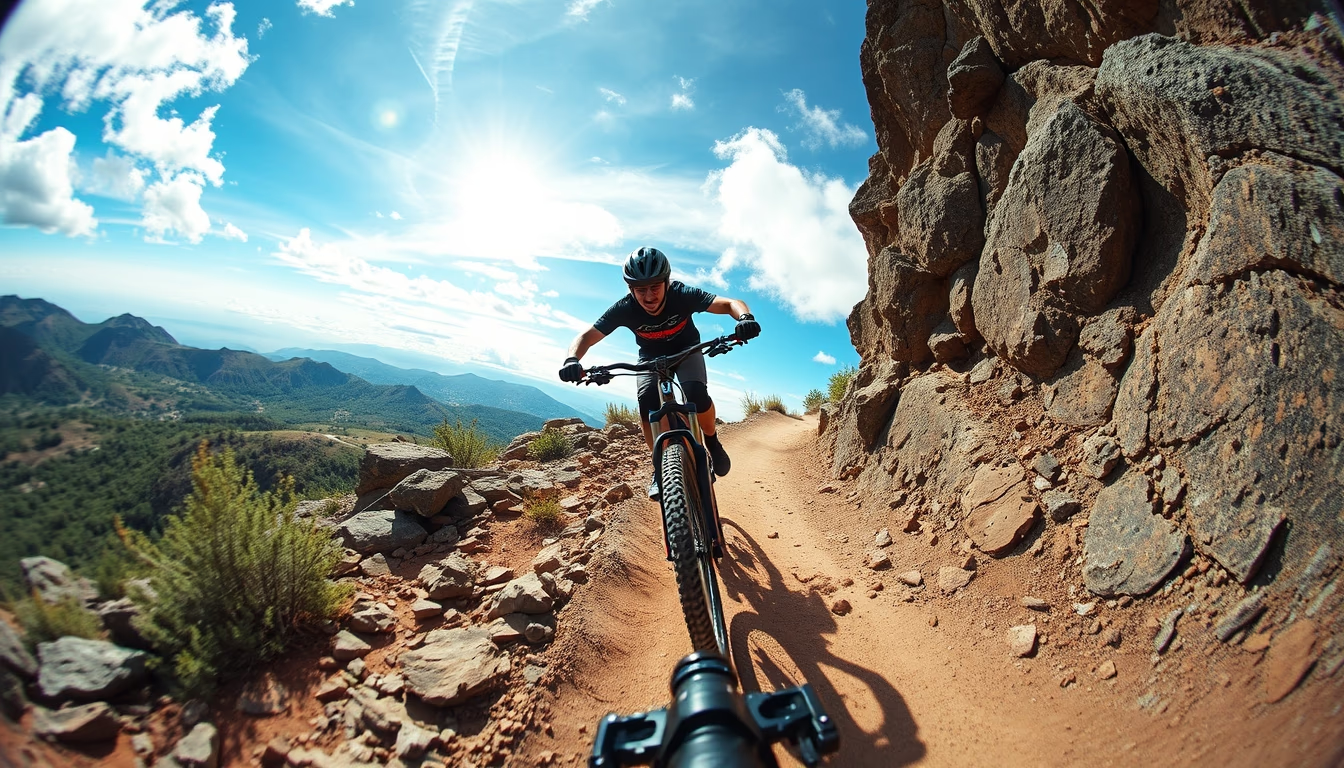
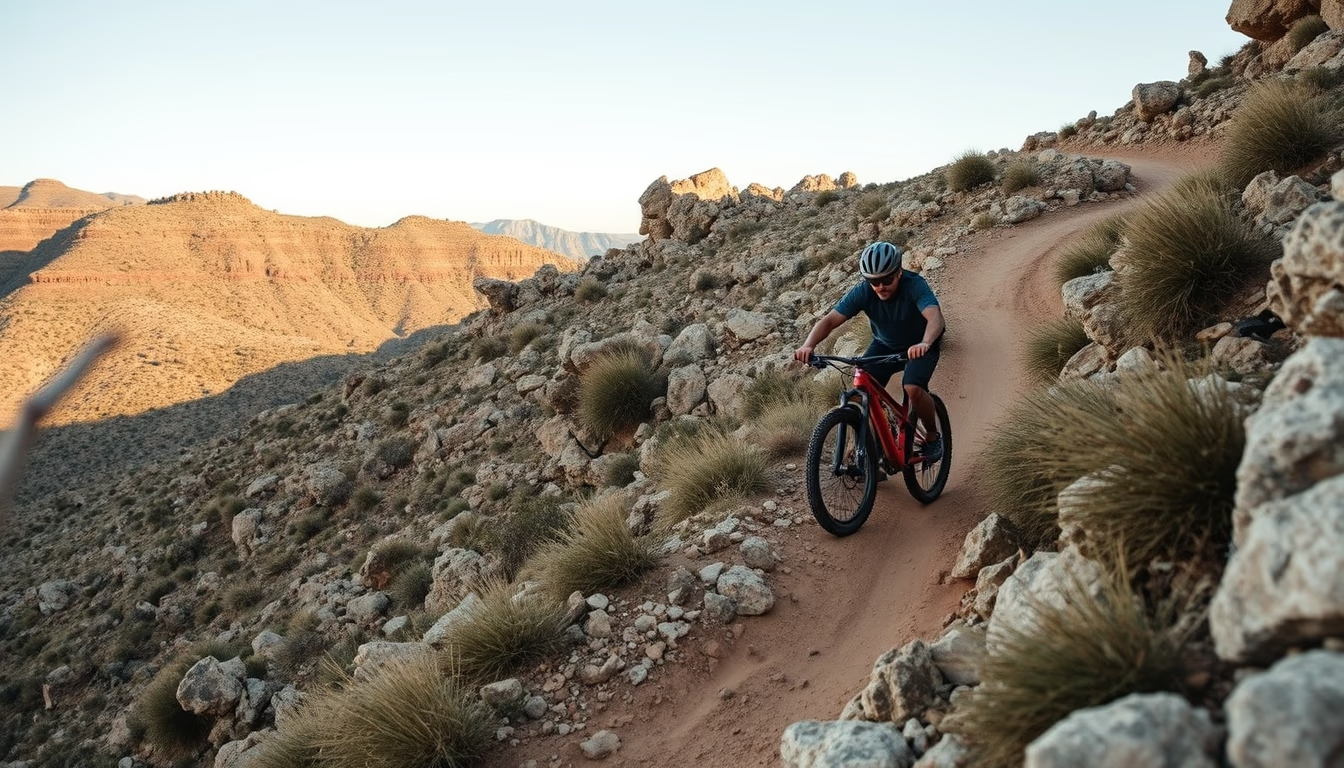
Rocky trail descent on a mountain bike demands refined technique and robust equipment to overcome obstacles and maintain control.
About this subject
Rocky trail descents represent one of the most challenging aspects of mountain biking, demanding technical skill, terrain reading, and bike confidence. Loose rocks, inclined slabs, and sharp stones create natural obstacles that test suspension, frame geometry, and tire choice. Enduro and downhill bikes typically feature longer suspension travel (160, 200 mm) and slacker head angles (63, 65 degrees), providing stability at high speeds. Tires with robust casings and soft rubber compounds, such as Maxxis Minion or Schwalbe Magic Mary, offer traction on loose surfaces. Descent technique involves shifting weight back, smooth pedaling, and active braking to avoid skidding. Famous rocky trails include the Megavalanche in the French Alps, the Lama Trek in Chile, and the Rota do Sol in Brazil. Protective gear like full-face helmets, knee pads, and elbow guards are common. Physical conditioning and the ability to absorb impacts with legs and arms are key to preventing injuries. The popularity of technical mountain biking has grown with events like the UCI Downhill World Cup, attracting thousands of spectators and professional riders. In Brazil, regions such as Petrópolis (RJ), Monte Verde (MG), and the Serra do Mar (SP) offer rocky trails that challenge both beginners and experienced athletes.
Frequently Asked Questions
What is the best bike for rocky trail descents?
Enduro or downhill bikes with front and rear suspension (160, 200 mm), slack geometry, and wide tires (2.4, 2.6 inches) are ideal. Brands like Specialized, Trek, and Santa Cruz offer specific models.
How can I improve my descending technique on rocky terrain?
Keep your weight behind the saddle, look ahead (not at the front wheel), use brakes smoothly, and keep pedals level. Practice on progressive trails and take lessons from instructors.
What are the risks of riding on rocky trails?
Main risks include falls due to loss of traction, punctured tires, rim damage, and hitting rocks. Protective gear (full-face helmet, knee pads, gloves) and regular bike maintenance reduce these risks.
Direct URL
https://pub-c7d6a6ea828543ac903a74a341ccb2e1.r2.dev/imagens/mtb-rocky-trail-descent-fish-eye-wide-angle-fresh5.avifHow to credit
Include a visible link back to UtilizAí. Copy one of the snippets below:
<a href="https://xn--utiliza-eza.com/en/midia/imagens/mtb-rocky-trail-descent-fish-eye-wide-angle-fresh5">Mtb rocky trail descent</a> by <a href="https://xn--utiliza-eza.com">UtilizAí</a>, licensed under <a href="https://creativecommons.org/licenses/by/4.0/">CC BY 4.0</a>.
[Mtb rocky trail descent](https://xn--utiliza-eza.com/en/midia/imagens/mtb-rocky-trail-descent-fish-eye-wide-angle-fresh5) by [UtilizAí](https://xn--utiliza-eza.com), CC BY 4.0
License: CC-BY-4.0