Mount etna sicily
1344×768 · AVIF · CC BY 4.0
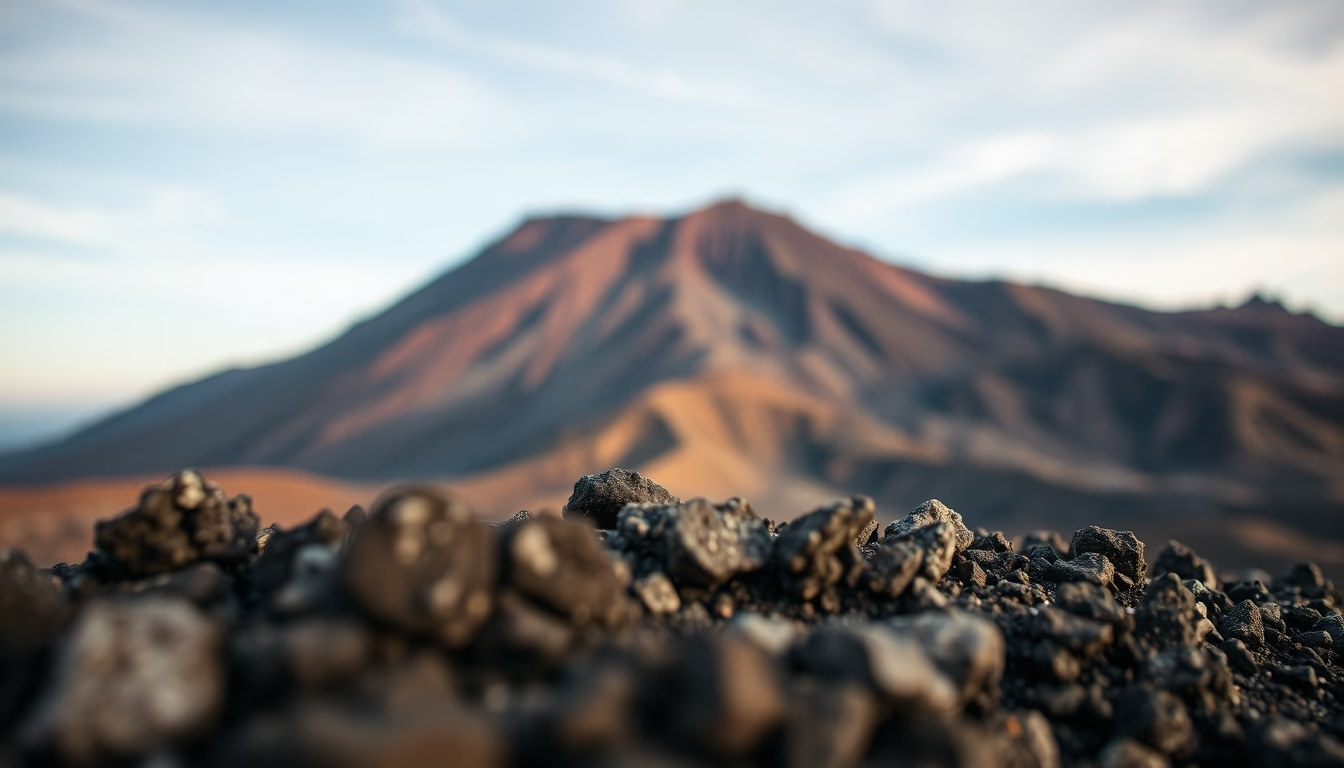
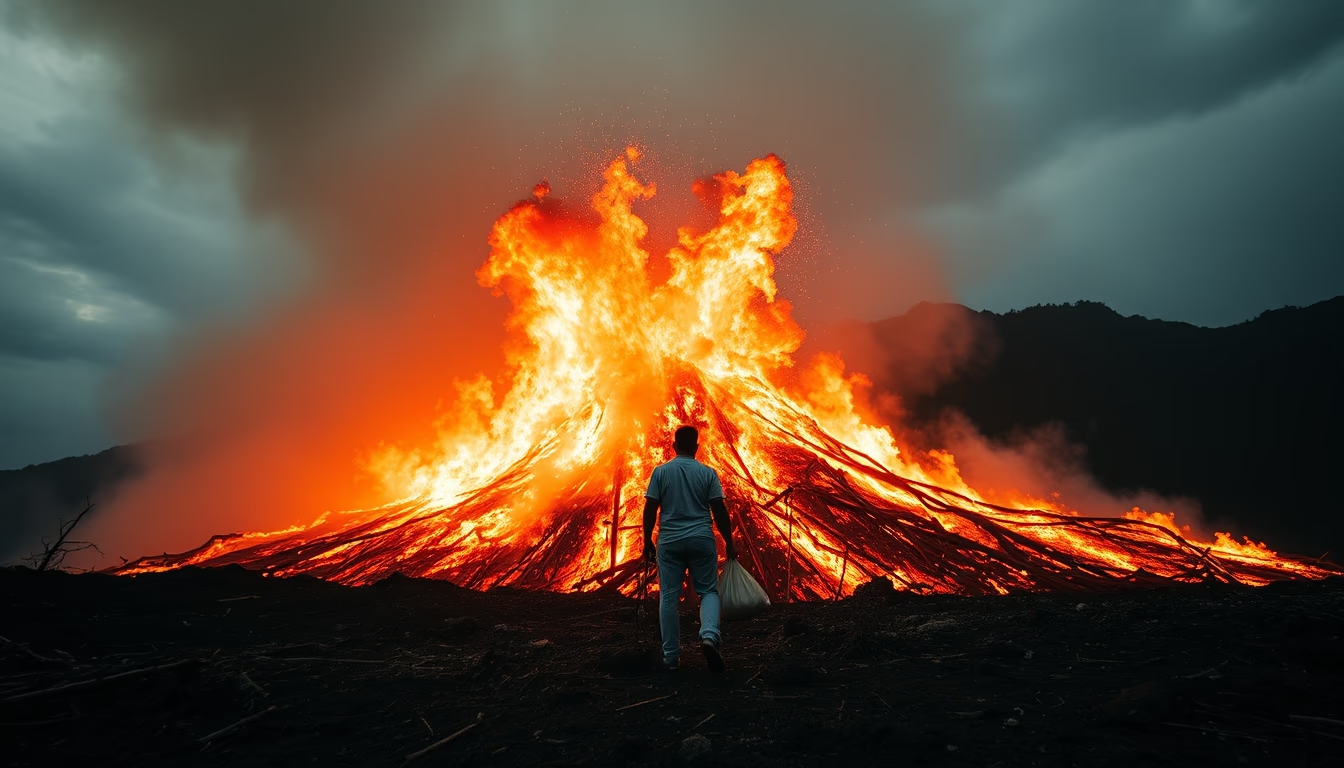
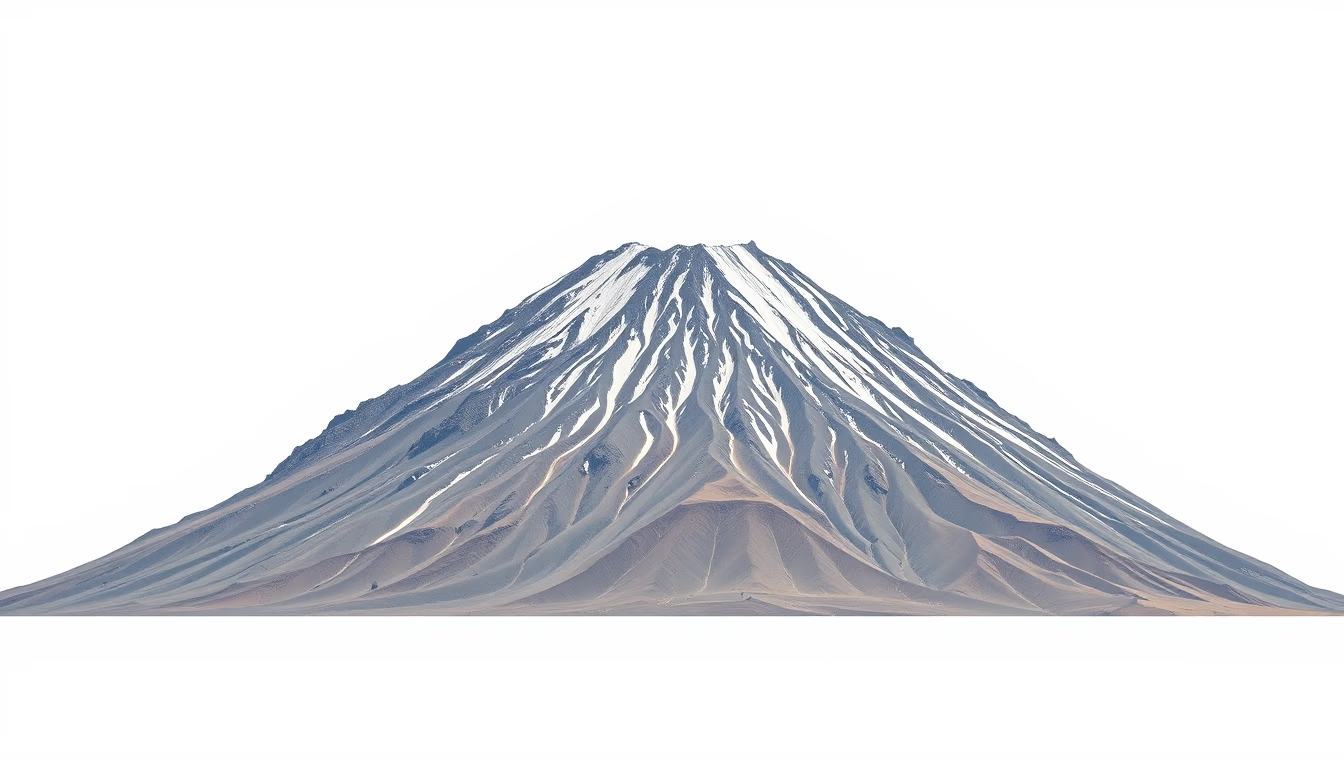
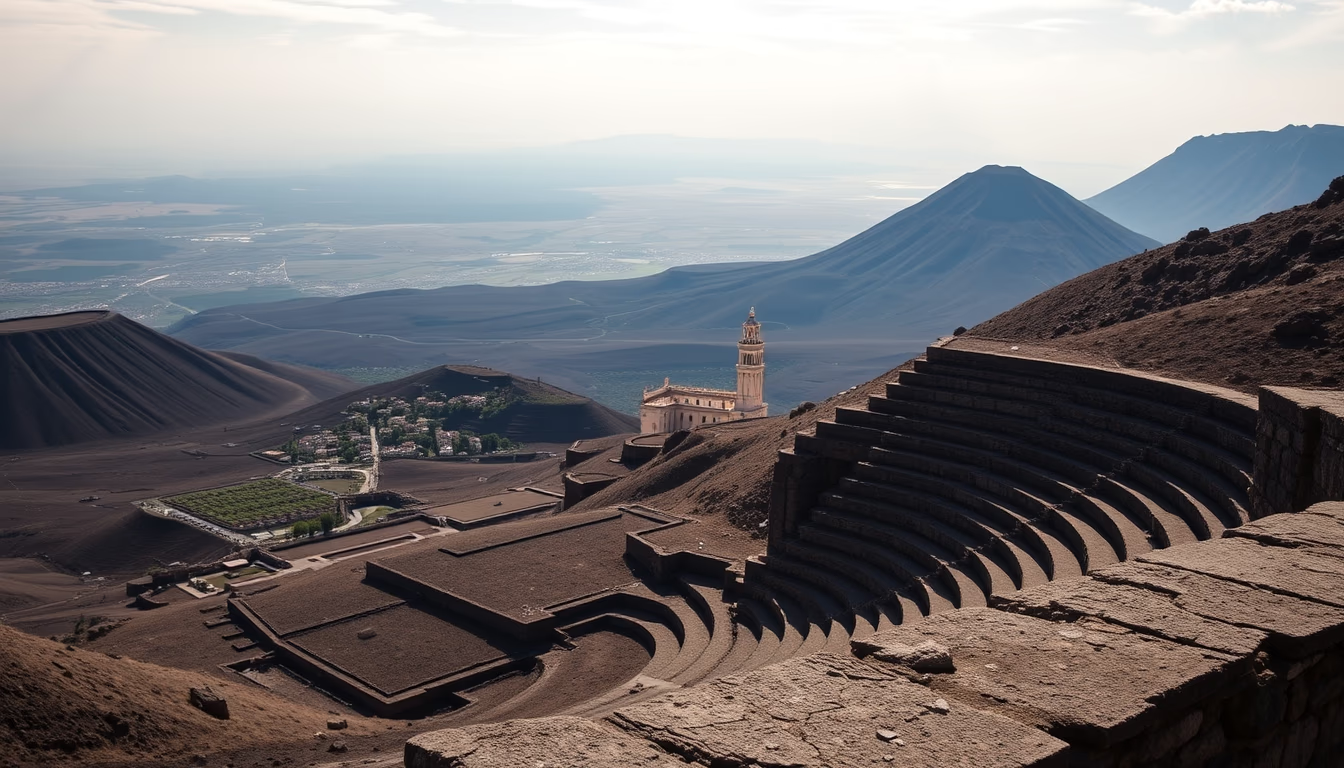
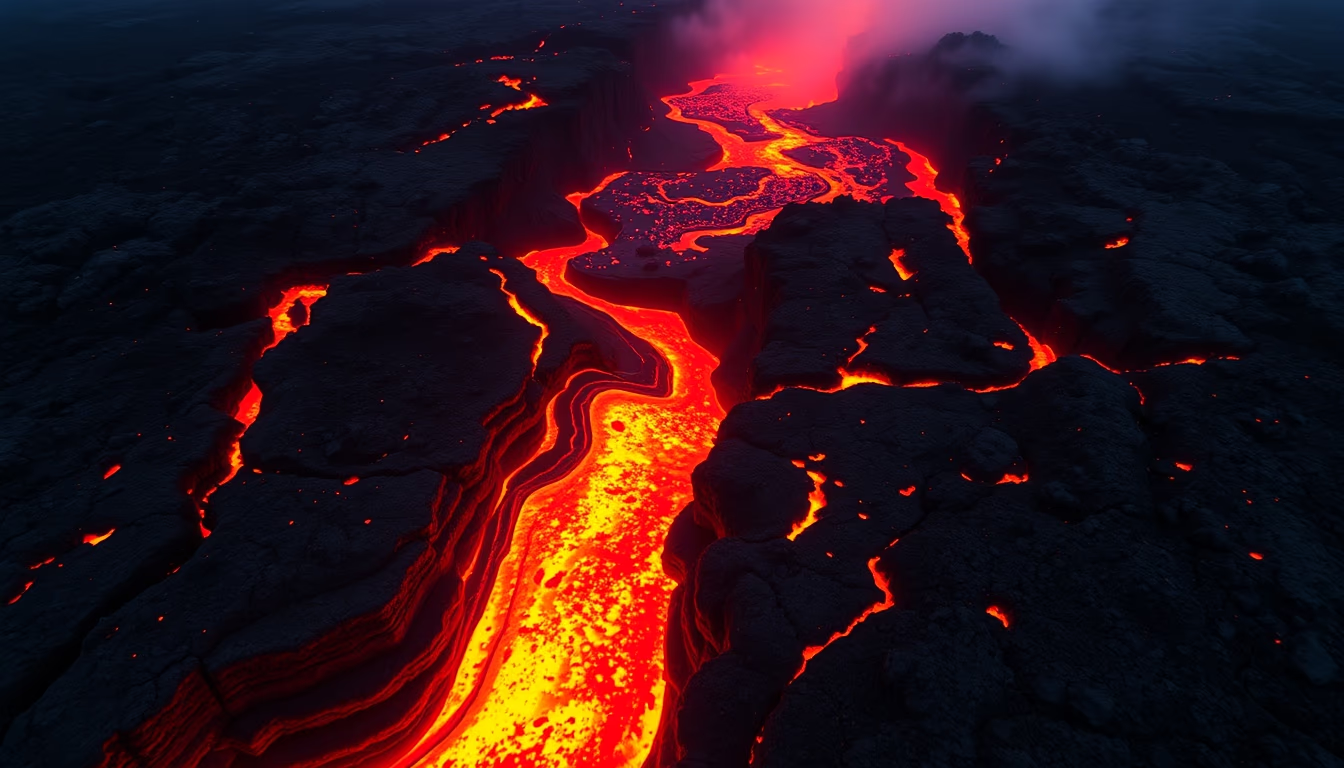
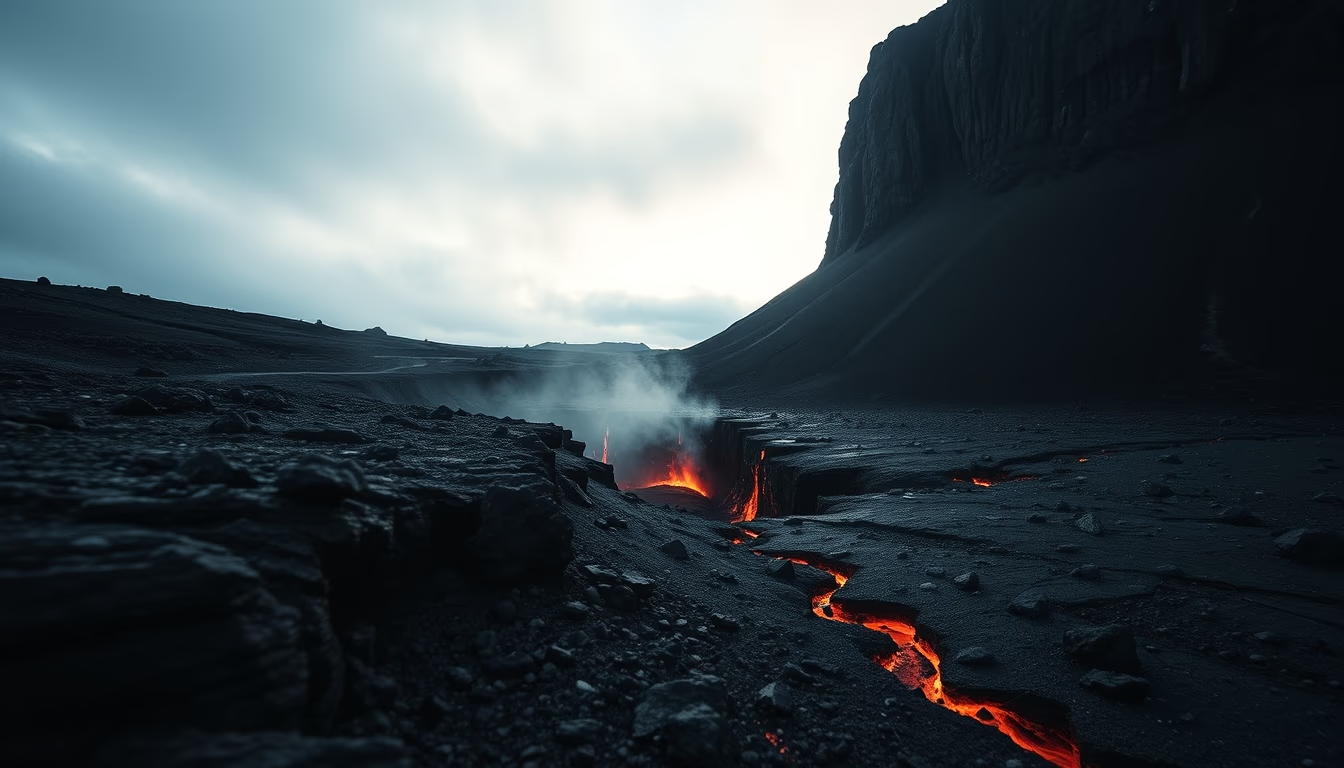
Mount Etna, in Sicily, is one of the most active volcanoes in the world, with frequent eruptions and a landscape shaped by lava.
About this subject
Mount Etna, located on the east coast of Sicily, Italy, is the highest active volcano in Europe, standing approximately 3,329 meters tall, though its height varies due to eruptions. Its continuous activity is closely monitored by Italy's National Institute of Geophysics and Volcanology. Etna is a stratovolcano formed about 500,000 years ago from the subduction of the African plate under the Eurasian plate. Its eruptions range from effusive to explosive, with frequent lava flows and occasional lava fountains and ash clouds.
The area around Etna is rich in vineyards and orchards, benefiting from fertile volcanic soil. In 2013, UNESCO declared Mount Etna a World Heritage Site, recognizing its geological and cultural significance. The mountain is a popular tourist destination, with trails and cable cars taking visitors to high altitudes to observe active craters. Interestingly, Etna is linked to the legend of Hephaestus, the Greek god of fire, who was said to have his forge beneath the mountain. In 2021, a lateral eruption caused damage to local infrastructure, demonstrating the ongoing risks of living near the volcano.
Frequently Asked Questions
Is Mount Etna dangerous for people living nearby?
Yes, Etna poses risks such as lava flows, explosions, and ash emissions, but constant monitoring allows early warnings and evacuations. Most eruptions do not cause severe damage to populated areas, though lateral events can threaten infrastructure.
What is the best time to visit Mount Etna?
Spring (April to June) and autumn (September to October) offer mild weather and less heavy snow. In winter, access to high altitudes is limited, and in summer, heat can be intense on the trails.
Has Etna caused historical destruction?
Yes, historical eruptions like the 1669 one devastated parts of Catania, and in 1928 an eruption destroyed the village of Mascali. More recently, in 2002-2003, lava flows threatened tourist facilities.
Direct URL
https://pub-c7d6a6ea828543ac903a74a341ccb2e1.r2.dev/imagens/mount-etna-sicily-macro-closeup-fresh13.avifHow to credit
Include a visible link back to UtilizAí. Copy one of the snippets below:
<a href="https://xn--utiliza-eza.com/en/midia/imagens/mount-etna-sicily-macro-closeup-fresh13">Mount etna sicily</a> by <a href="https://xn--utiliza-eza.com">UtilizAí</a>, licensed under <a href="https://creativecommons.org/licenses/by/4.0/">CC BY 4.0</a>.
[Mount etna sicily](https://xn--utiliza-eza.com/en/midia/imagens/mount-etna-sicily-macro-closeup-fresh13) by [UtilizAí](https://xn--utiliza-eza.com), CC BY 4.0
License: CC-BY-4.0