Morel mushroom rare
1344×768 · AVIF · CC BY 4.0
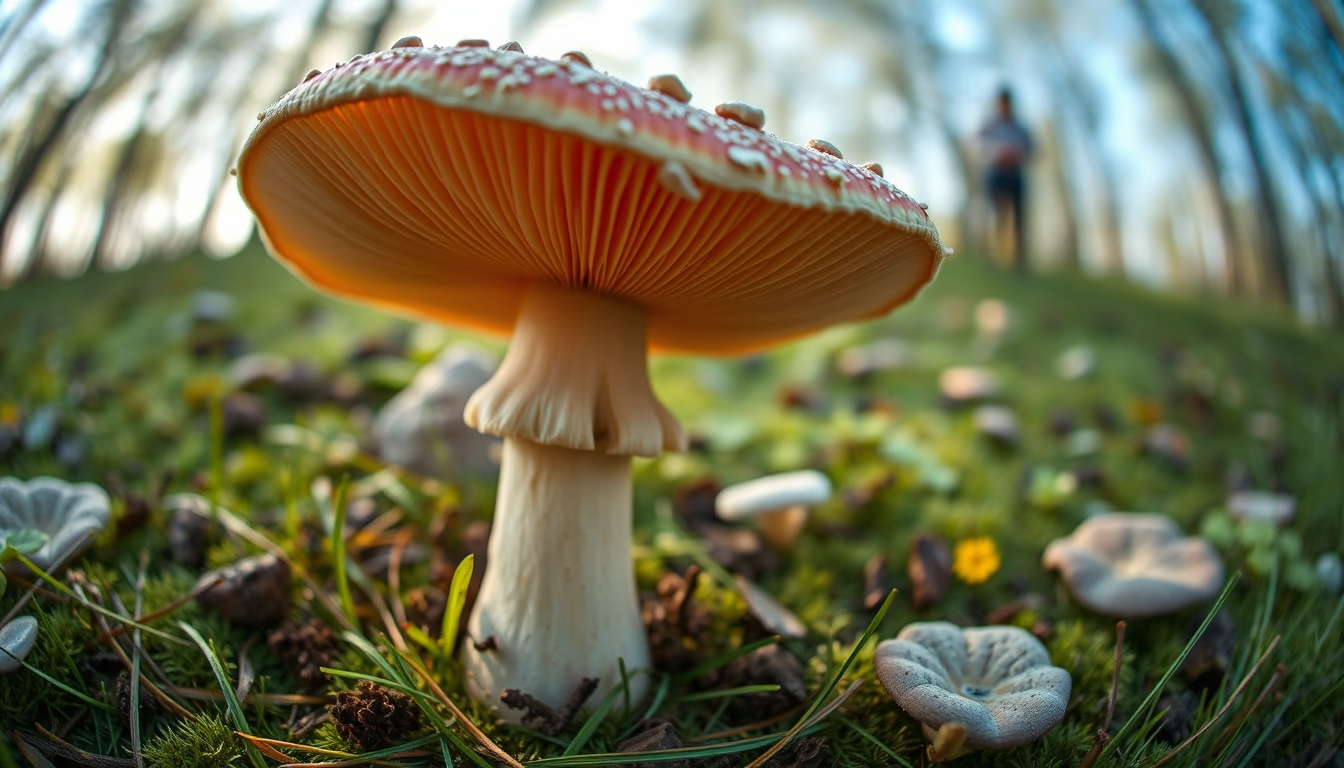
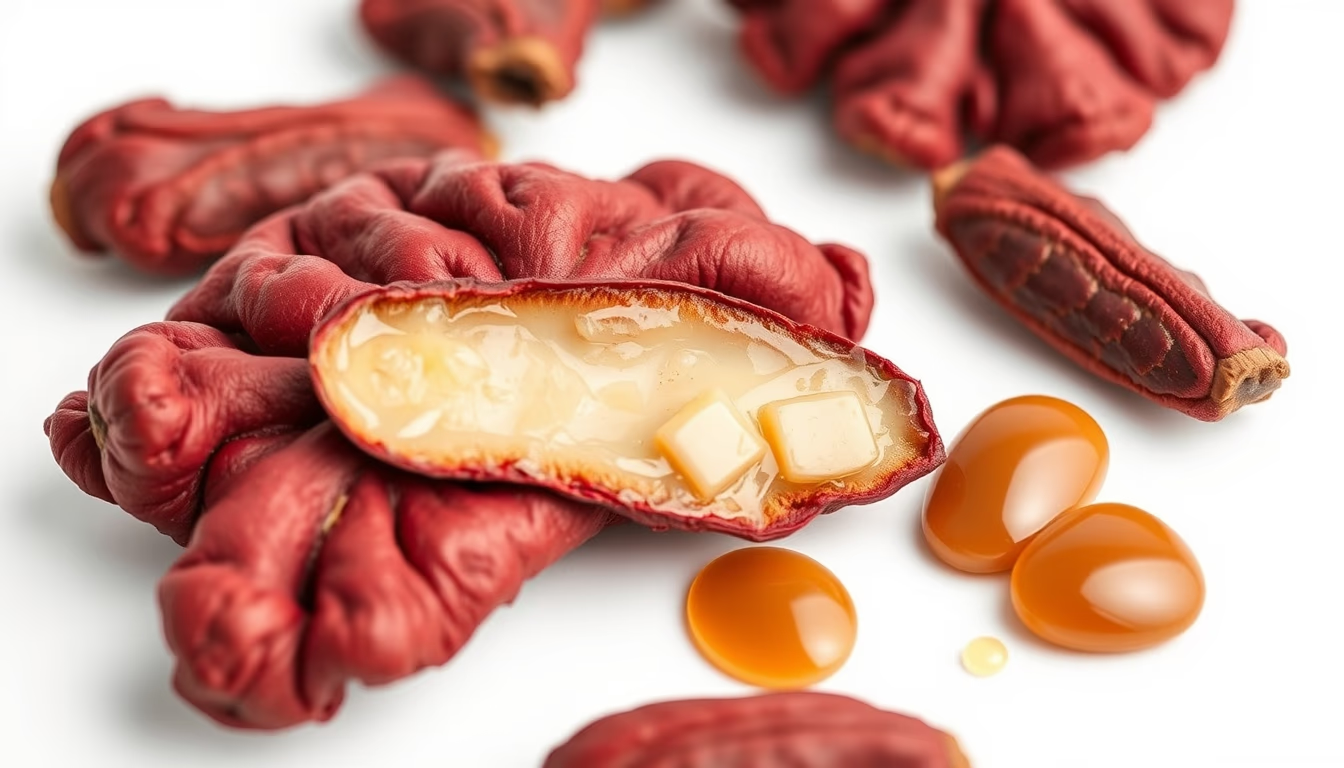
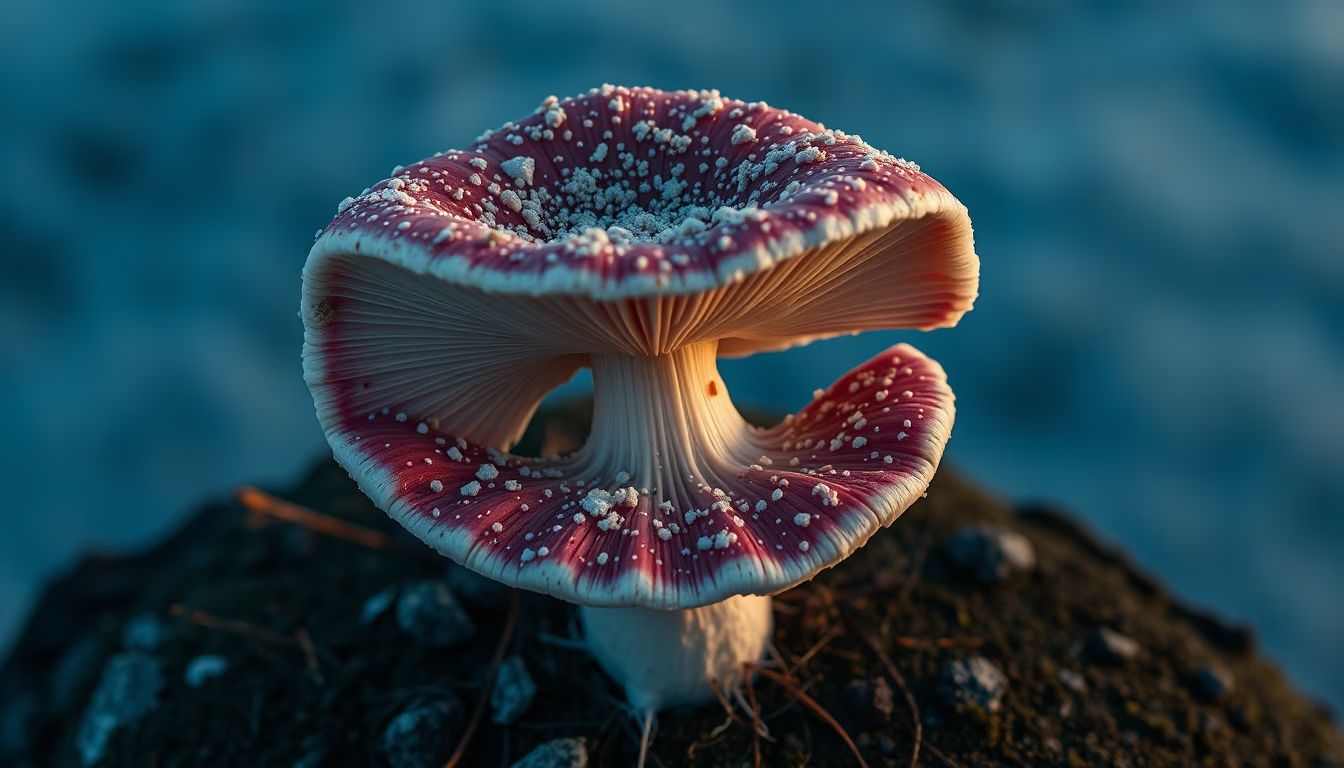
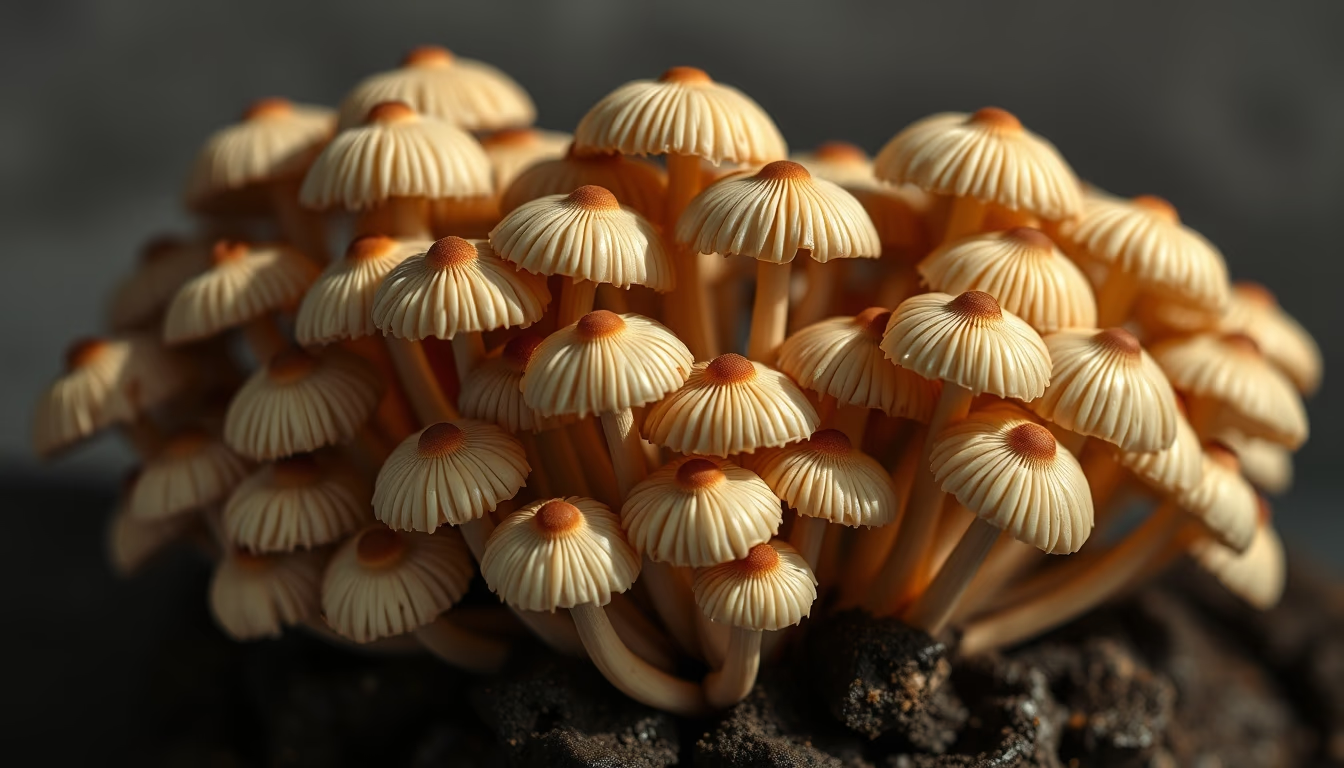
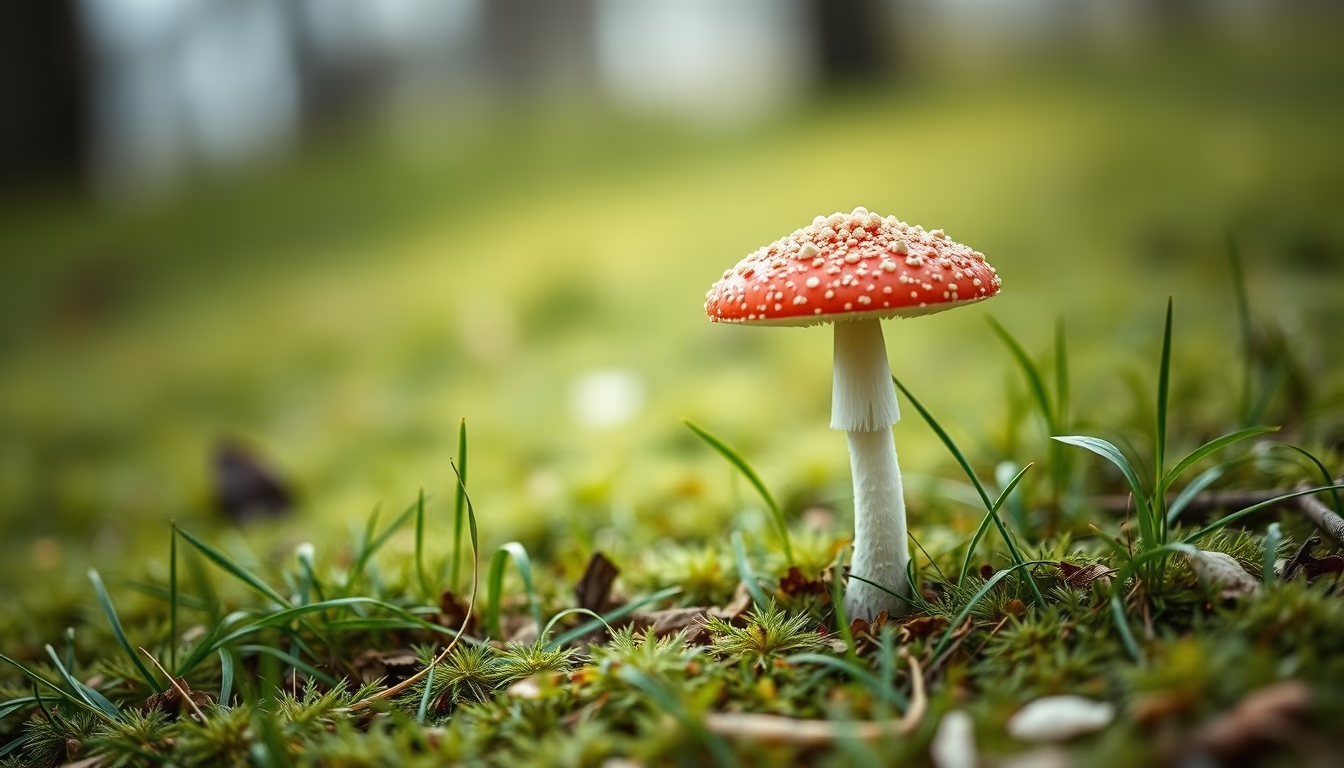
The morel mushroom (Morchella) is one of the most sought-after fungi in gastronomy, prized for its distinctive flavor and rarity in the wild.
About this subject
The morel mushroom, belonging to the genus Morchella, is highly prized by chefs and foragers for its unique honeycomb-like cap and earthy flavor. These fungi are found in temperate regions of the Northern Hemisphere, particularly in North America, Europe, and Asia, emerging in spring after forest fires or in disturbed soils. Their rarity stems from specific ecological requirements and the inability to cultivate them on a large scale, unlike common button mushrooms.
Morels form complex mycorrhizal relationships with trees, making commercial cultivation nearly impossible. As a result, wild harvesting is the primary source, and short, unpredictable seasons drive prices to hundreds of dollars per kilogram. Their scarcity and distinctive taste have earned them a cult status among gourmet ingredients.
In the kitchen, morels are revered for their nutty, smoky flavor and firm texture, which holds up well in cooking. They are commonly used in creamy sauces, risottos, and paired with meats. However, they must be cooked thoroughly to avoid gastrointestinal irritation, and proper identification is crucial because some toxic look-alikes exist, such as the false morel (Gyromitra esculenta).
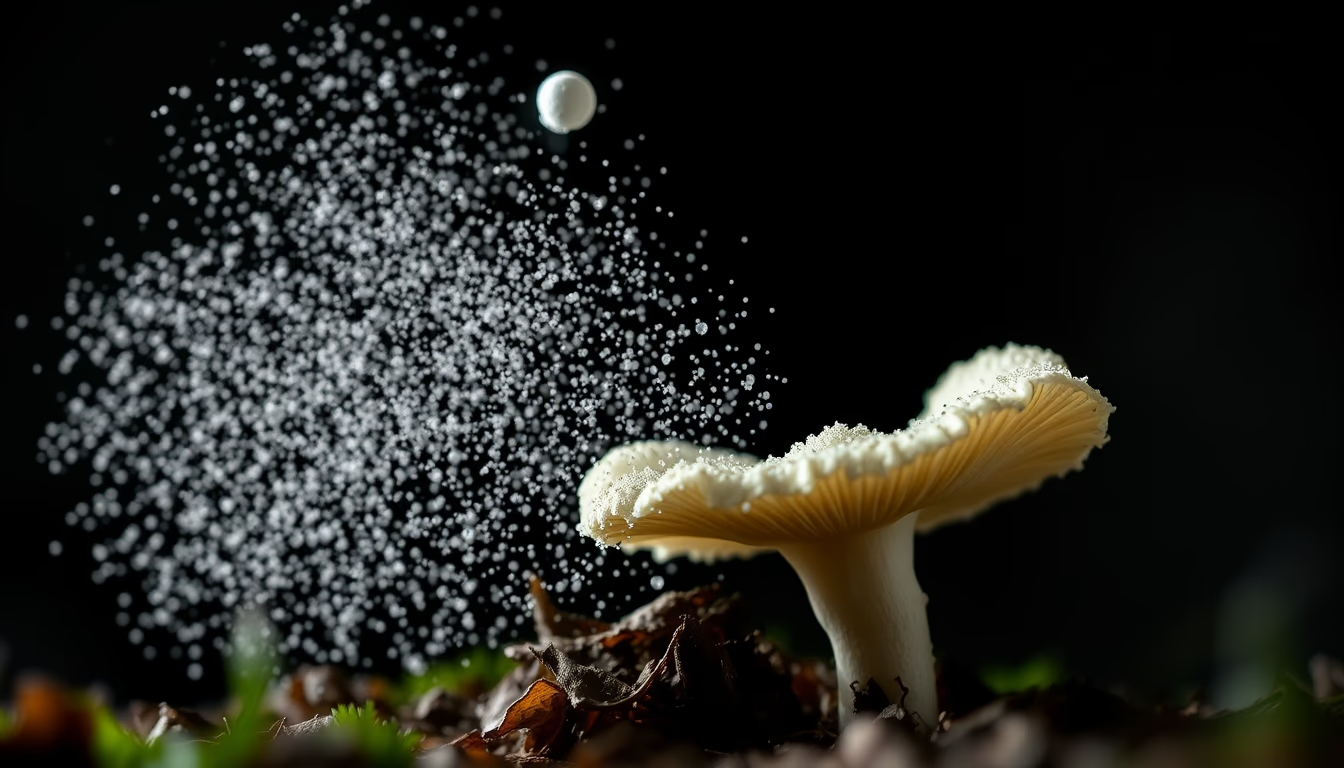
Ecologically, morels are pyrophilous fungi, meaning they thrive after wildfires. Their spores germinate more readily in burned soil, aiding in nutrient cycling and ecosystem recovery. This adaptation has led to sustainable foraging practices and even controlled burns to encourage their growth, highlighting the intricate link between fire ecology and fungal diversity.
Frequently Asked Questions
Why are morel mushrooms so expensive?
Morels are expensive due to their rarity and difficulty in cultivation. They require specific natural conditions and cannot be mass-produced like other mushrooms. Wild harvesting is the main source, with short and unpredictable seasons.
How to identify a true morel?
True morels have a honeycomb-like cap with deep, regular pits and a hollow interior. The stem is attached to the cap. Beware of false morels (Gyromitra), which have a brain-like surface and can be toxic.
Can you grow morels at home?
Growing morels at home is extremely challenging and rarely successful. Some kits exist, but success rates are low. Most morels consumed come from wild foraging.
Direct URL
https://pub-c7d6a6ea828543ac903a74a341ccb2e1.r2.dev/imagens/morel-mushroom-rare-fish-eye-wide-angle-p11.avifHow to credit
Include a visible link back to UtilizAí. Copy one of the snippets below:
<a href="https://xn--utiliza-eza.com/en/midia/imagens/morel-mushroom-rare-fish-eye-wide-angle-p11">Morel mushroom rare</a> by <a href="https://xn--utiliza-eza.com">UtilizAí</a>, licensed under <a href="https://creativecommons.org/licenses/by/4.0/">CC BY 4.0</a>.
[Morel mushroom rare](https://xn--utiliza-eza.com/en/midia/imagens/morel-mushroom-rare-fish-eye-wide-angle-p11) by [UtilizAí](https://xn--utiliza-eza.com), CC BY 4.0
License: CC-BY-4.0