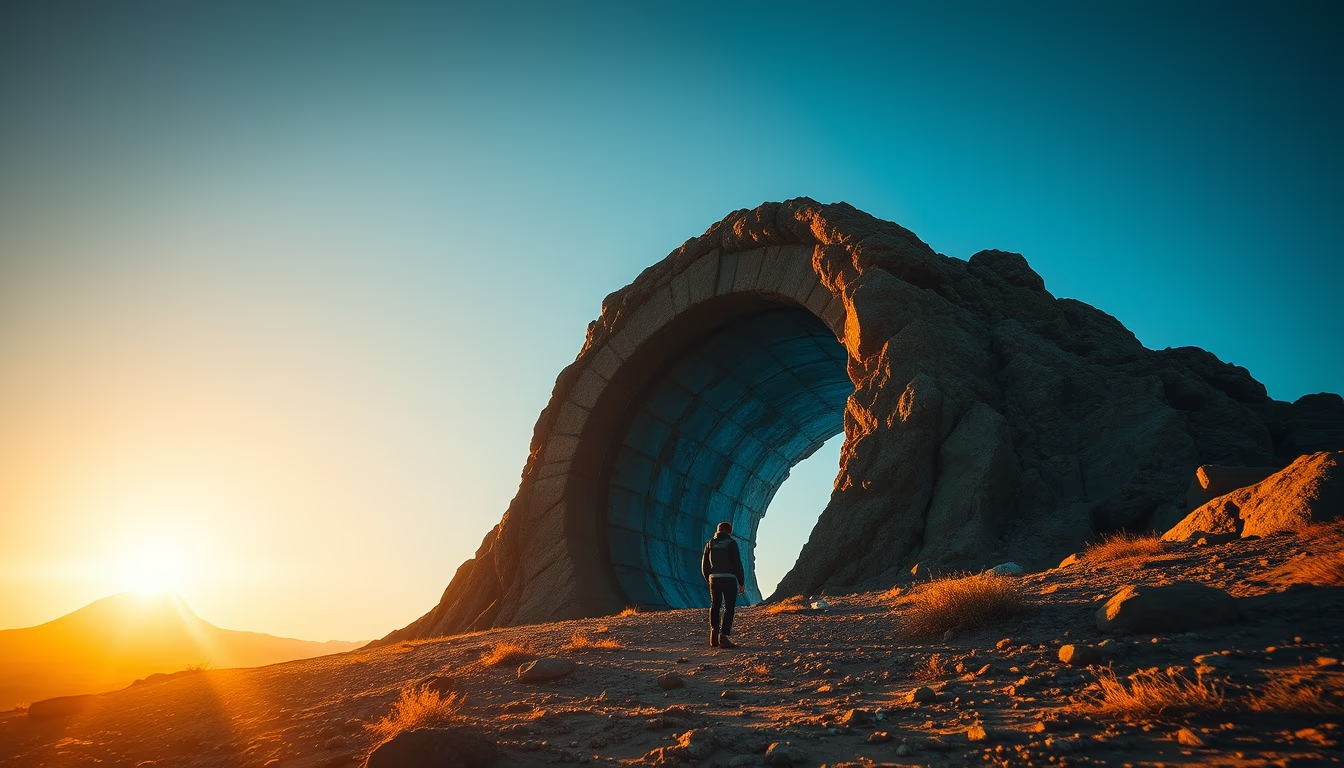
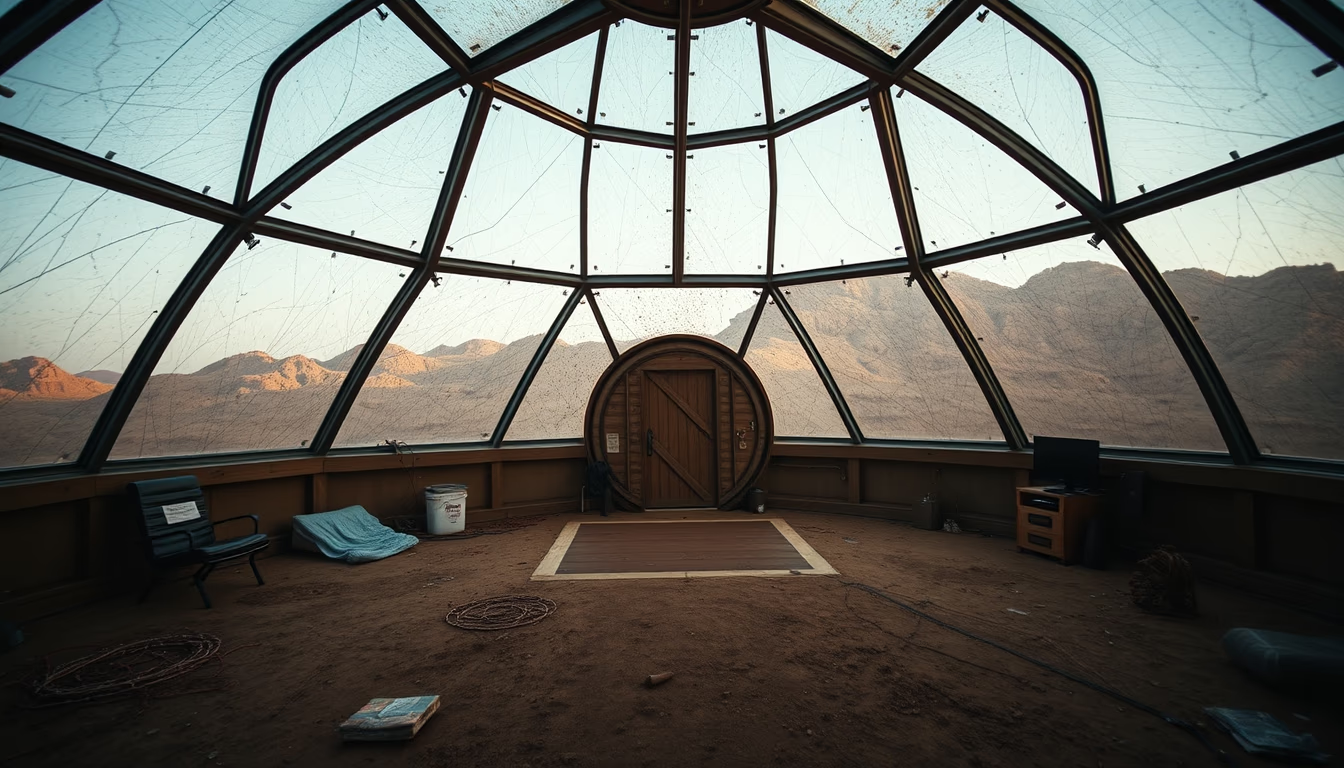
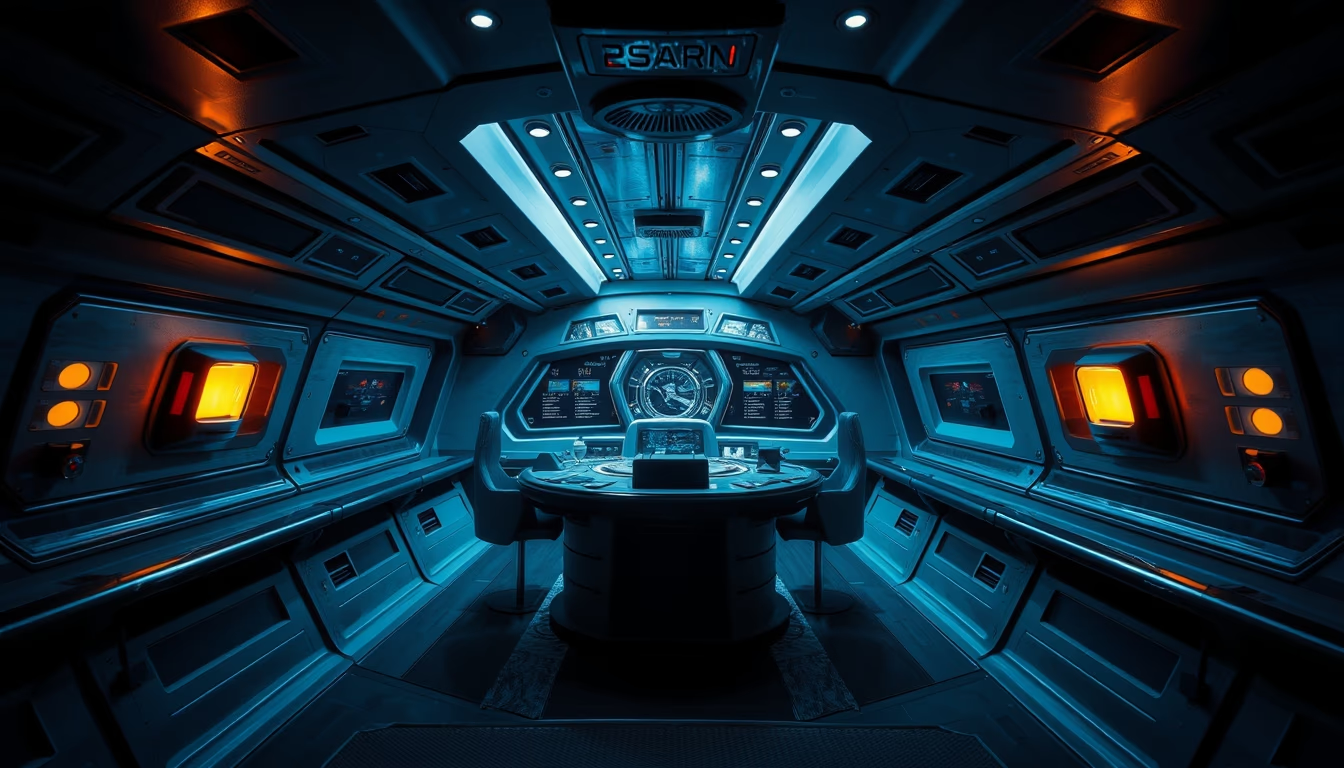
Martian colony dome
1344×768 · AVIF · CC BY 4.0
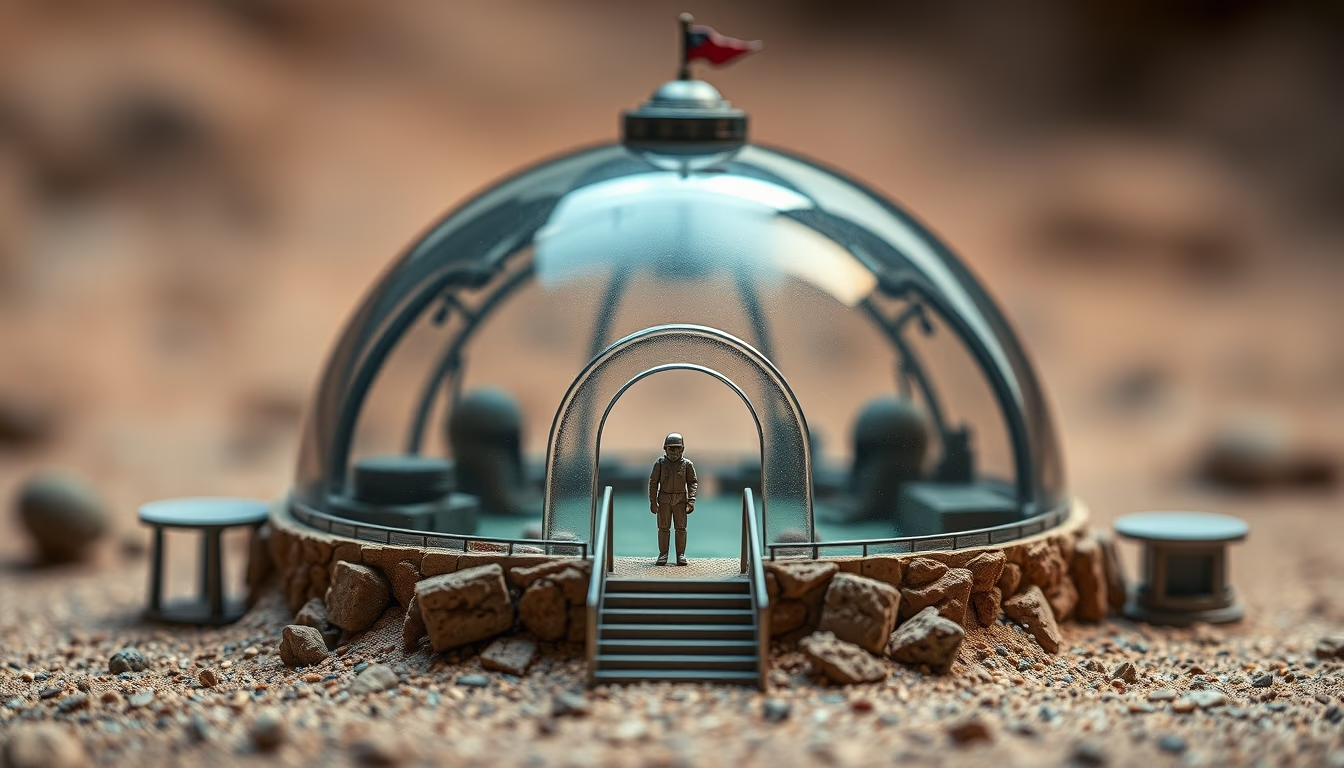
Martian colony dome: a pressurized structure for human habitation on Mars, using local resources and radiation shielding technology.
About this subject
Martian colony domes are architectural concepts designed to house humans on the surface of Mars. Unlike underground habitats, domes offer ample interior space and access to filtered sunlight but require extremely durable materials to withstand Mars' low atmospheric pressure (about 0.6% of Earth's) and temperatures ranging from -140°C to 20°C. Advanced designs propose using local regolith, processed by 3D printers, to build double shells that protect against cosmic radiation and micrometeoroids.
NASA and SpaceX study these domes as part of long-term missions. The "Mars Ice Home" concept, for example, uses frozen water as a radiation shield, while "Mars City Design" proposes inflatable structures covered with Martian soil bricks. Internal pressurization requires materials with low gas permeability, such as carbon-fiber-reinforced polymers, and life-support systems that recycle water and oxygen. Mars' gravity (38% of Earth's) allows taller structures but poses physiological challenges like bone and muscle loss.
Interestingly, the first Martian domes will likely be hybrids: inflatable modules covered with regolith, similar to Buckminster Fuller's geodesic domes. Selective transparency of certain plastics allows photosynthetically active wavelengths to pass through for plant cultivation, essential for food and oxygen production. Power would come from solar panels or nuclear reactors, as Martian dust reduces solar efficiency by up to 40% during global storms.
The feasibility of a dome depends on multiple technologies still under development, such as agriculture in Martian soil (rich in toxic perchlorates) and water production from subsurface ice. However, advances in robotics and 3D printing make these habitats more plausible for the coming decades, with crewed missions expected in the 2030s or 2040s.
Frequently Asked Questions
What is the main challenge for building domes on Mars?
The main challenge is protecting inhabitants from cosmic and solar radiation, as Mars lacks a global magnetic field. Domes need multiple layers of regolith or ice to block energetic particles.
Can Martian domes be transparent?
Yes, but only special materials like polycarbonate or ETFE allow visible light to pass while blocking harmful UV radiation. Transparency is limited to specific areas for plant cultivation.
How long would it take to construct a dome on Mars?
With robotic missions preparing the site and 3D printers operating remotely, building a basic dome could take 2 to 5 years before the first humans arrive.
Direct URL
https://pub-c7d6a6ea828543ac903a74a341ccb2e1.r2.dev/imagens/martian-colony-dome-tilt-shift-miniature-fresh16.avifHow to credit
Include a visible link back to UtilizAí. Copy one of the snippets below:
<a href="https://xn--utiliza-eza.com/en/midia/imagens/martian-colony-dome-tilt-shift-miniature-fresh16">Martian colony dome</a> by <a href="https://xn--utiliza-eza.com">UtilizAí</a>, licensed under <a href="https://creativecommons.org/licenses/by/4.0/">CC BY 4.0</a>.
[Martian colony dome](https://xn--utiliza-eza.com/en/midia/imagens/martian-colony-dome-tilt-shift-miniature-fresh16) by [UtilizAí](https://xn--utiliza-eza.com), CC BY 4.0
License: CC-BY-4.0