Martian colony dome
1344×768 · AVIF · CC BY 4.0
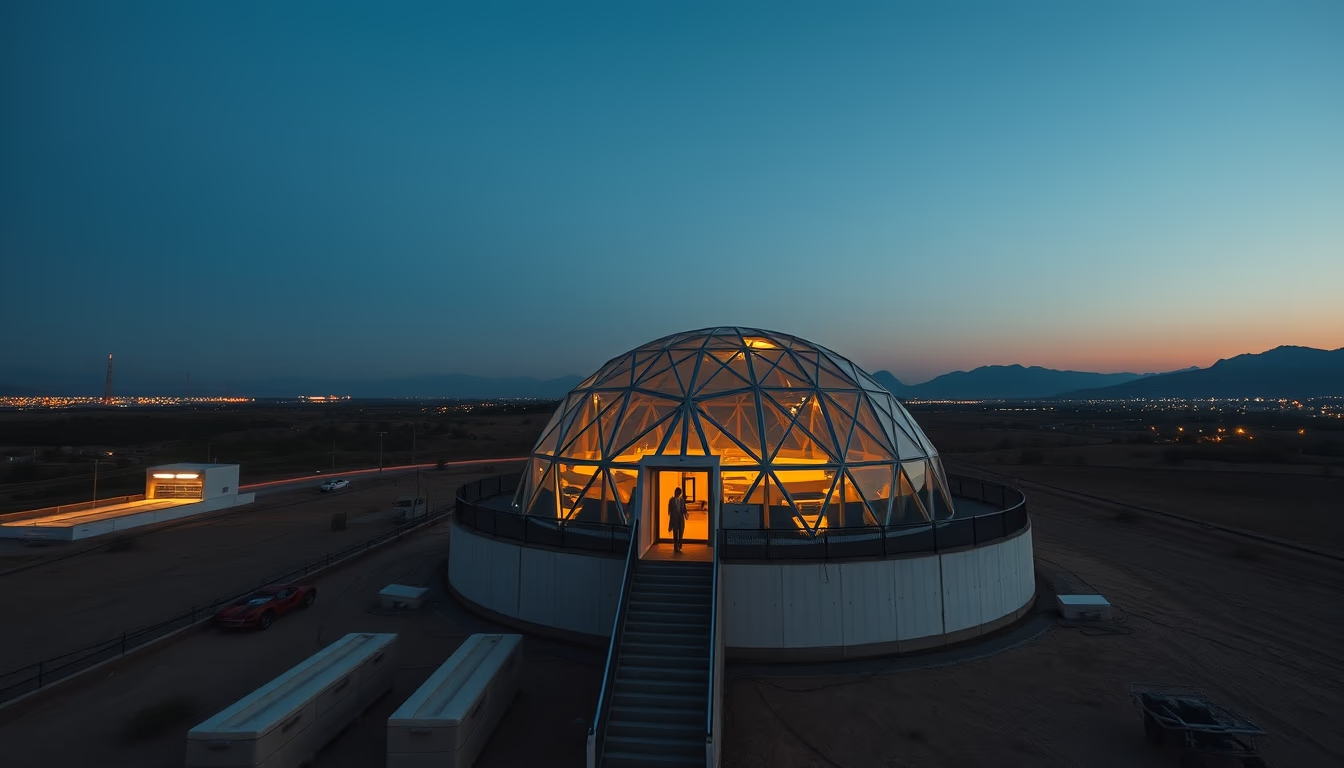
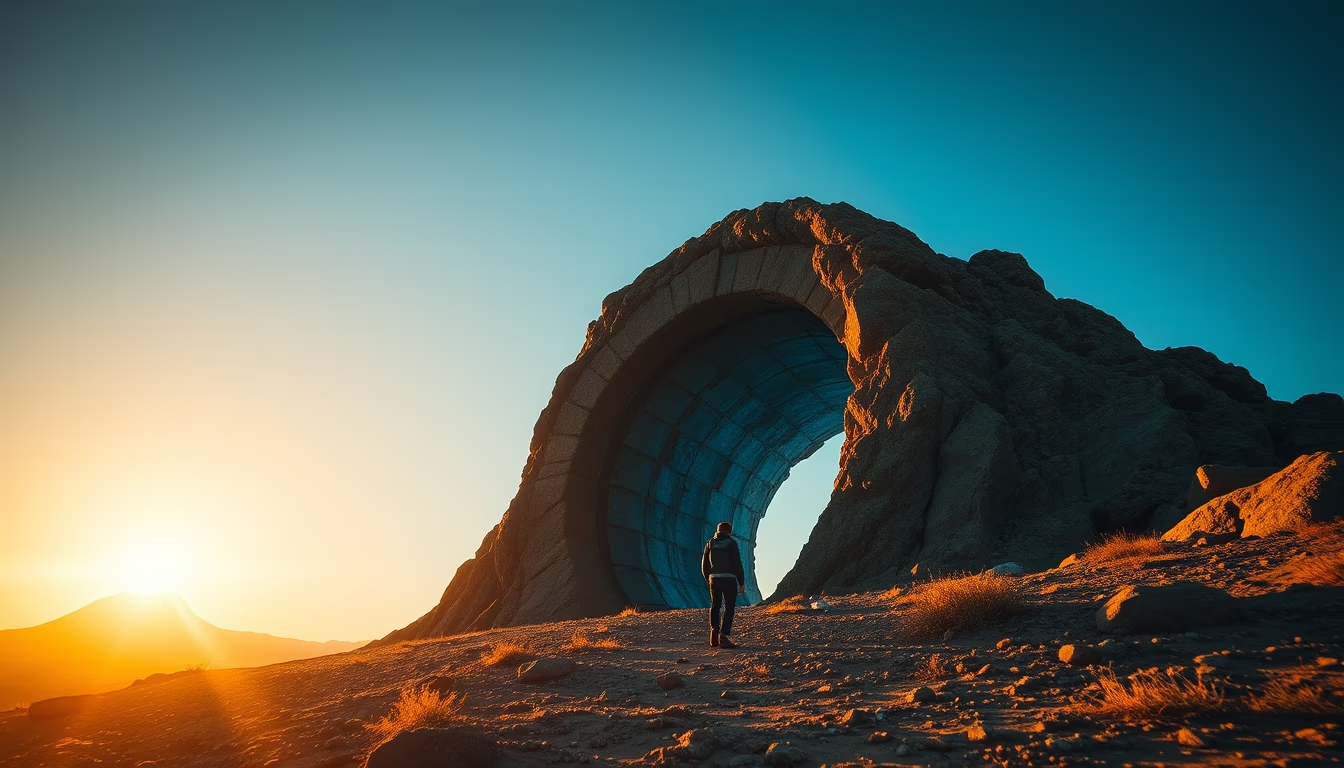
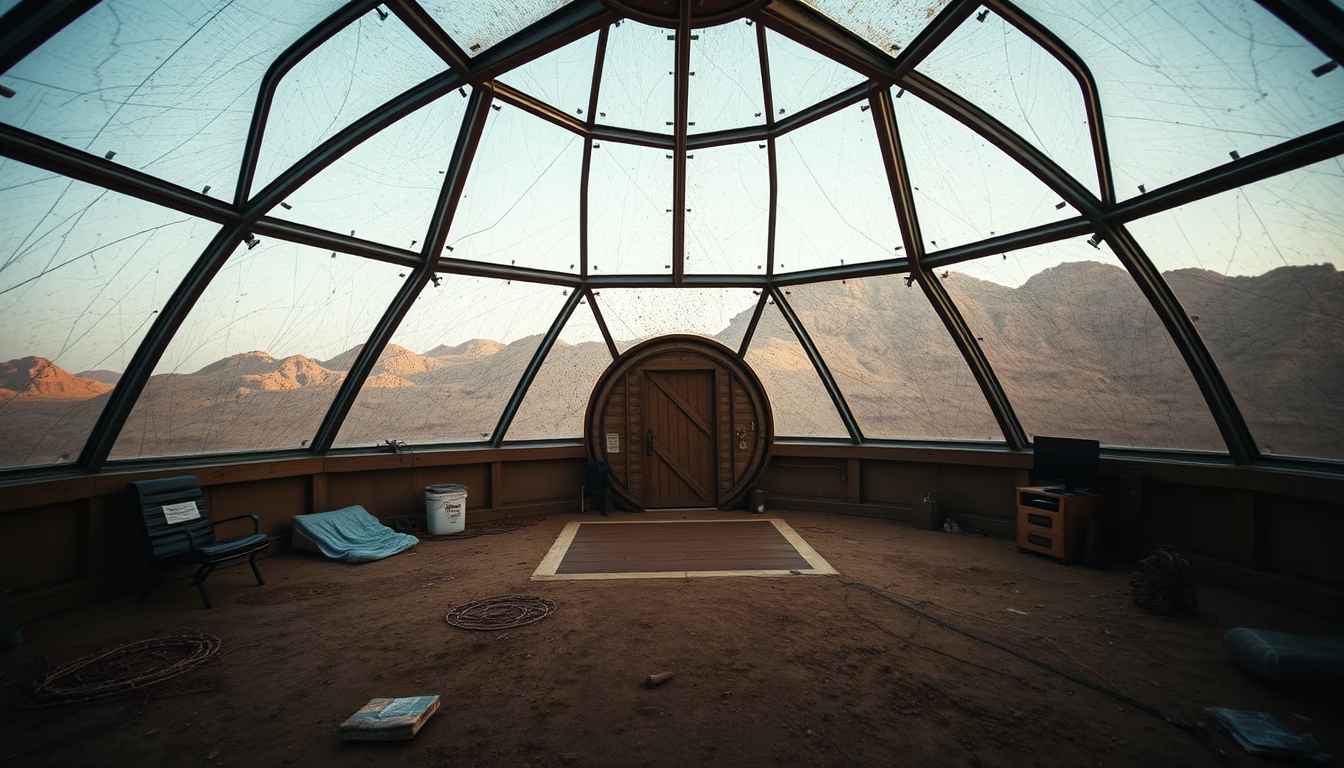
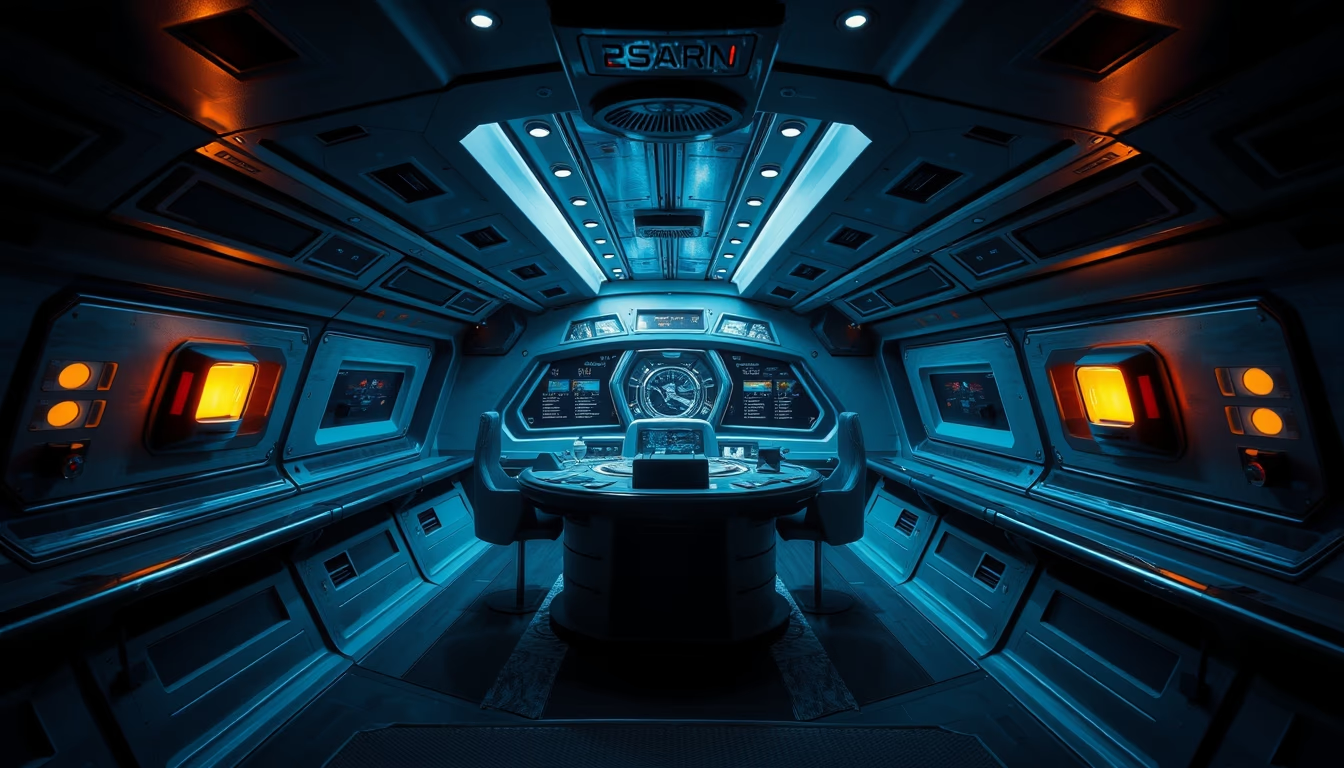
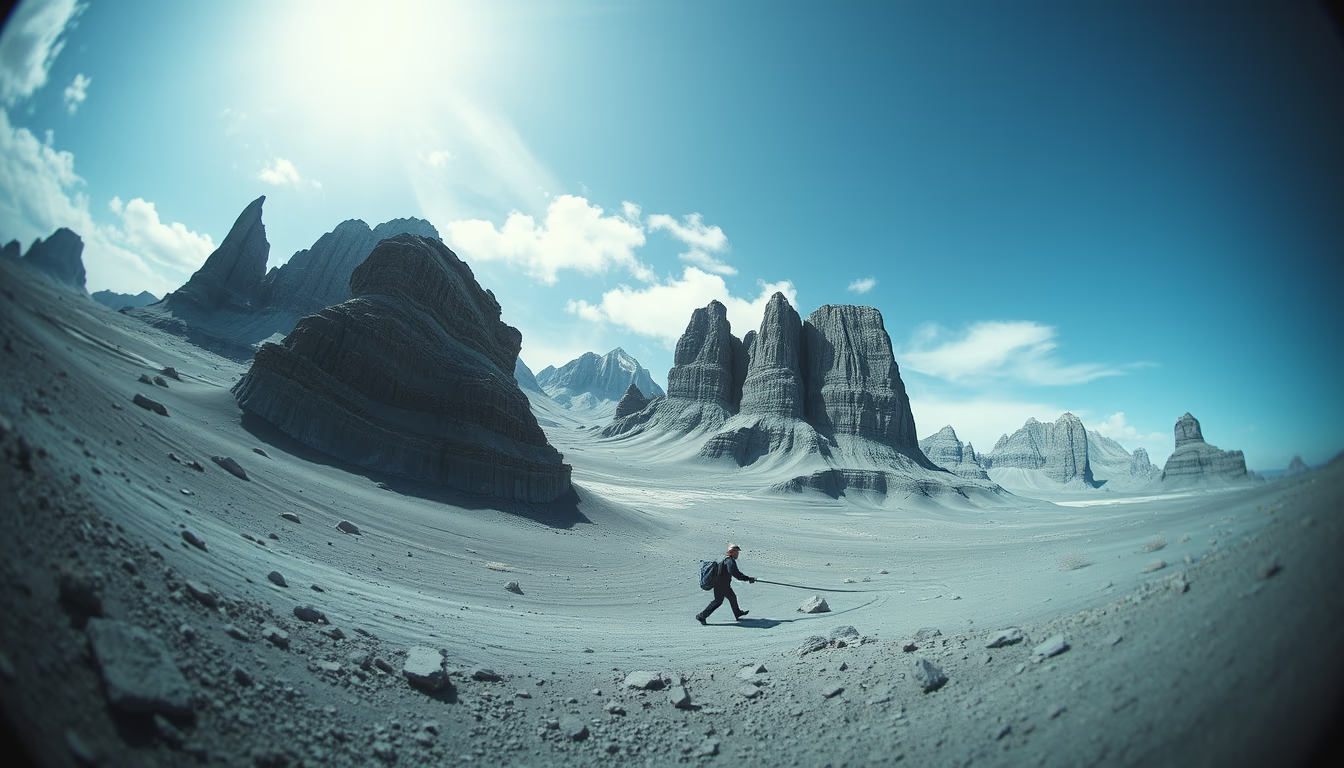
Conceitos de colônias em Marte frequentemente incluem domos pressurizados para proteger os habitantes da atmosfera rarefeita e radiação.
Sobre o tema
Domos de colônia marciana são estruturas hipotéticas projetadas para abrigar seres humanos na superfície de Marte. Diferentemente da Terra, Marte possui uma atmosfera com apenas 0,6% da pressão terrestre, composta principalmente de dióxido de carbono, e não oferece proteção contra radiação cósmica e solar. Por isso, qualquer habitat permanente exigiria um invólucro pressurizado e blindado. Os domos são uma das propostas mais populares na ficção científica e em estudos sérios da NASA e da SpaceX, pois permitem um grande volume interno sem necessidade de suportes complexos. A transparência parcial do material permitiria a entrada de luz vermelha filtrada, essencial para a fotossíntese em estufas internas.
A construção de tais domos enfrenta desafios imensos. O regolito marciano, rico em percloratos tóxicos, não é adequado para fundações tradicionais. Uma abordagem viável seria usar materiais locais, como derivados de sílica ou polímeros produzidos in situ, para reduzir o custo de transporte da Terra. Pesquisadores do MIT sugerem que domos de gelo de água poderiam oferecer proteção contra radiação, mas seriam frágeis contra impactos. Já a startup Mars City Design propõe estruturas infláveis cobertas por tijolos de regolito sinterizado. A escolha do material determina a permeabilidade à luz e a resistência estrutural.
Culturalmente, o domo marciano é um ícone da exploração espacial. Desde a literatura pulp dos anos 1950 até filmes como "Perdido em Marte" e "O Primeiro Homem em Marte", o domo simboliza o primeiro passo da humanidade rumo a uma civilização multiplanetária. Empresas como a SpaceX planejam usar domos infláveis em suas primeiras missões, enquanto a NASA estuda conceitos como o Mars Base Camp, que incluiria habitats modulares. A realidade, porém, pode ser mais prosaica: os primeiros colonos provavelmente viveriam em cavernas ou túneis de lava para aproveitar a proteção natural.
Curiosidades: O filme "Procurando o Nemo" (2003) inspirou designs de domos oceânicos adaptados para Marte. Na missão análoga HI-SEAS no Havaí, voluntários passaram meses em um domo simulado marciano. E o maior obstáculo não é a engenharia, mas a psicologia: o confinamento em um domo por anos pode causar tensões entre a tripulação. Estudos mostram que a exposição a espaços verdes internos é crucial para a saúde mental.
Perguntas frequentes
Qual material seria mais viável para construir um domo em Marte?
Materiais locais como regolito sinterizado, gelo de água ou polímeros produzidos in situ são os mais promissores, pois reduzem a dependência de suprimentos da Terra. Cada um oferece compromissos entre resistência, transparência e proteção contra radiação.
Como um domo marciano protegeria os habitantes da radiação?
Dependendo do material, o domo pode usar uma camada espessa de gelo ou regolito para absorver partículas. Metais ou plásticos especiais também podem ser incorporados. A blindagem adequada é essencial, pois Marte não possui campo magnético global.
Existem planos reais da NASA ou SpaceX para construir domos em Marte?
Sim, ambas as agências estudam conceitos. A SpaceX prevê domos infláveis como parte de suas primeiras missões Starship, enquanto a NASA investiga habitats modulares e o uso de tubos de lava naturais como alternativa.
URL direta
https://pub-c7d6a6ea828543ac903a74a341ccb2e1.r2.dev/imagens/martian-colony-dome-aerial-drone-shot-fresh1.avifComo creditar
Inclua um link visível de volta pro UtilizAí. Copie um dos snippets abaixo:
<a href="https://xn--utiliza-eza.com/midia/imagens/martian-colony-dome-aerial-drone-shot-fresh1">Martian colony dome</a> by <a href="https://xn--utiliza-eza.com">UtilizAí</a>, licensed under <a href="https://creativecommons.org/licenses/by/4.0/">CC BY 4.0</a>.
[Martian colony dome](https://xn--utiliza-eza.com/midia/imagens/martian-colony-dome-aerial-drone-shot-fresh1) by [UtilizAí](https://xn--utiliza-eza.com), CC BY 4.0
Licença: CC-BY-4.0