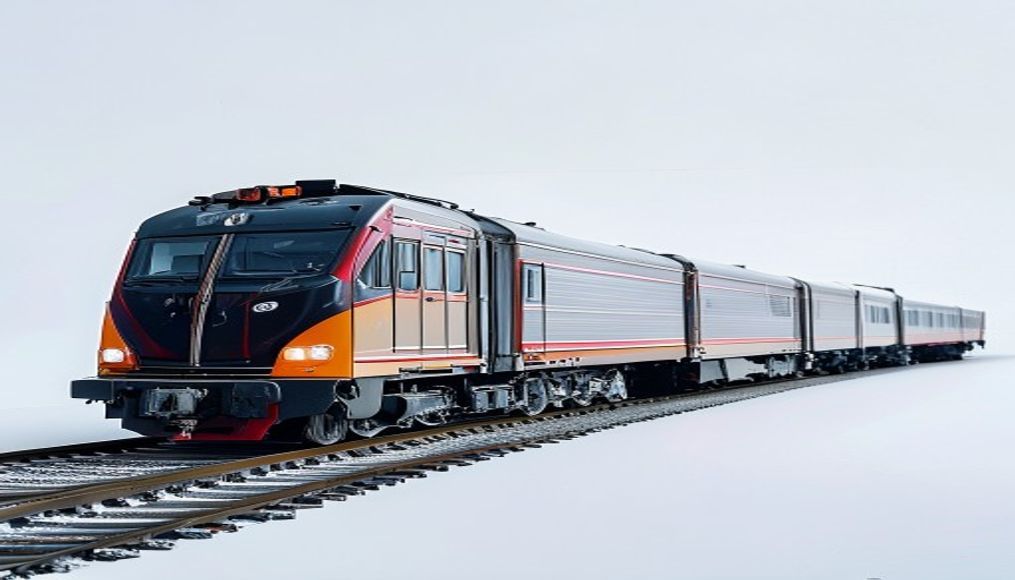
Maglev train tokyo
1344×768 · AVIF · CC BY 4.0
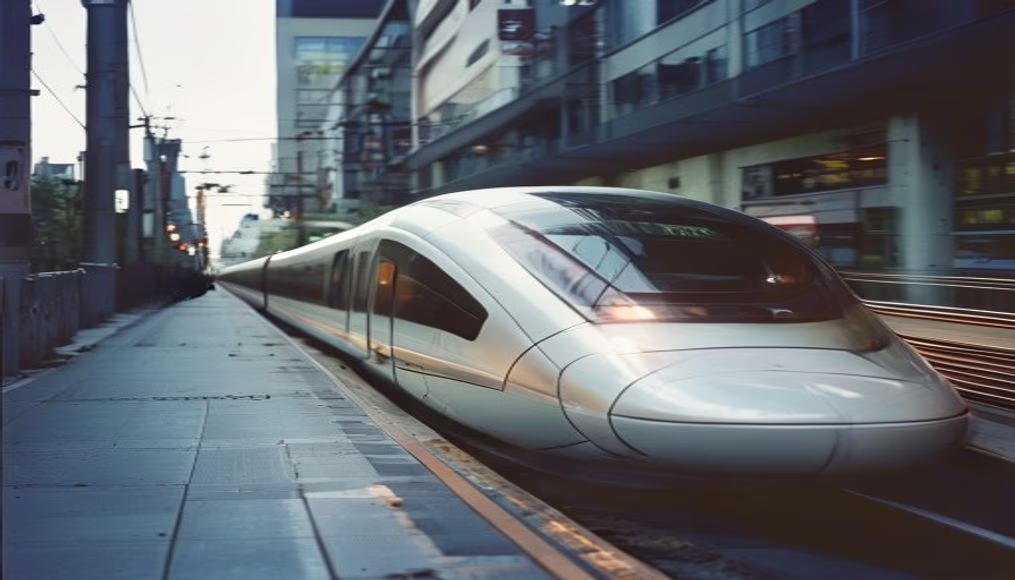
The Japanese Maglev train, the SCMaglev, uses superconducting magnetic levitation and reaches speeds over 500 km/h on the Yamanashi test track.
About this subject
The Japanese Maglev, officially called SCMaglev (Superconducting Maglev), is a high-speed train developed by Central Japan Railway Company (JR Central). Unlike conventional trains on rails, it floats a few centimeters above the guideway using superconducting magnets, eliminating friction and enabling extraordinary speeds. On April 21, 2015, a prototype set the world speed record for rail vehicles: 603 km/h.
The project is part of the Chuo Shinkansen line, which will connect Tokyo to Nagoya in 40 minutes (currently 1h40 by conventional Shinkansen). In the future, it will extend to Osaka, cutting travel time to about 1h07. Total estimated cost exceeds 9 trillion yen, with commercial service between Tokyo and Nagoya planned for 2027, though delays have occurred due to environmental and geological challenges, including lengthy tunnels through the Japanese Alps.
The technology uses superconducting coils cooled by liquid helium to -269°C, generating powerful magnetic fields that lift and propel the train. The system is energy-efficient but requires specialized infrastructure with an inverted T-shaped guideway. Unlike German (Transrapid) or Chinese (Shanghai) maglevs, the SCMaglev uses superconducting electromagnets on the vehicle and normal conducting coils on the track, allowing a larger levitation gap (about 10 cm) and greater stability.
Culturally, the Maglev embodies Japan’s spirit of innovation and relentless pursuit of transport efficiency. Visitors to Tokyo can explore the Yamanashi Maglev Exhibition Center to see the train up close and even take a short test ride. Once fully operational, the Chuo Shinkansen is expected to transform mobility in the Tokyo-Osaka corridor, relieving congestion on the heavily used Tokaido Shinkansen line.
Frequently Asked Questions
What is the difference between the Japanese Maglev and the traditional Shinkansen?
The traditional Shinkansen uses steel wheels on rails, while the SCMaglev levitates magnetically without contact. This eliminates friction, allowing higher speeds (over 500 km/h) and a quieter, smoother ride.
When will the Maglev start commercial operation in Japan?
The initial target for the Tokyo-Nagoya section is 2027, but it has faced delays due to environmental and geological issues. The extension to Osaka is expected around 2037.
Where can I see or ride the Maglev in Japan?
The Yamanashi Maglev Exhibition Center (near Tokyo) offers tours and test rides on the experimental track. Regular commercial service has not begun yet; tests run along a 42.8 km stretch in Yamanashi Prefecture.
Direct URL
https://pub-c7d6a6ea828543ac903a74a341ccb2e1.r2.dev/imagens/maglev-train-tokyo-documentary-photography-p0.avifHow to credit
Include a visible link back to UtilizAí. Copy one of the snippets below:
<a href="https://xn--utiliza-eza.com/en/midia/imagens/maglev-train-tokyo-documentary-photography-p0">Maglev train tokyo</a> by <a href="https://xn--utiliza-eza.com">UtilizAí</a>, licensed under <a href="https://creativecommons.org/licenses/by/4.0/">CC BY 4.0</a>.
[Maglev train tokyo](https://xn--utiliza-eza.com/en/midia/imagens/maglev-train-tokyo-documentary-photography-p0) by [UtilizAí](https://xn--utiliza-eza.com), CC BY 4.0
License: CC-BY-4.0