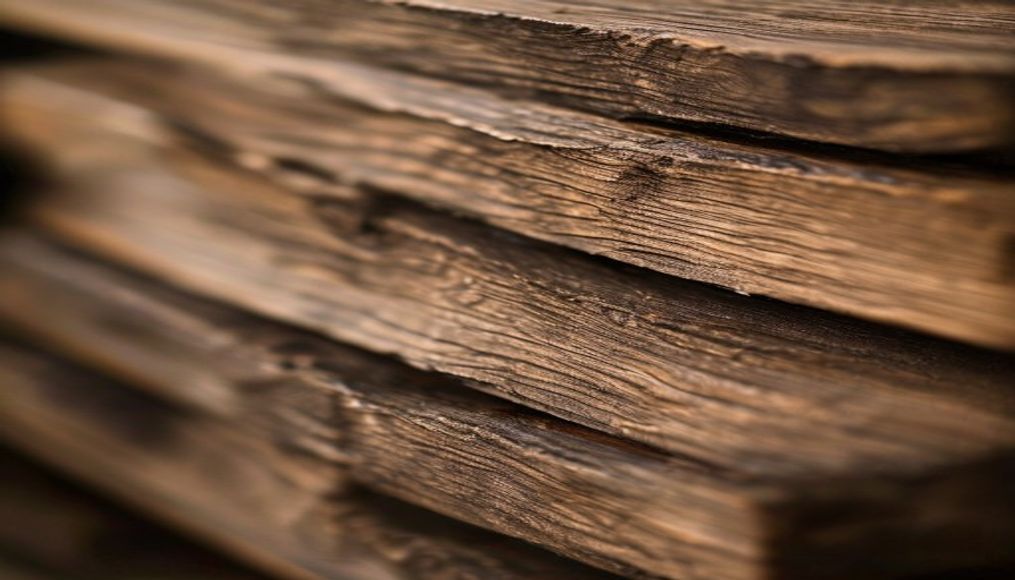
Live edge slab table
1344×768 · AVIF · CC BY 4.0
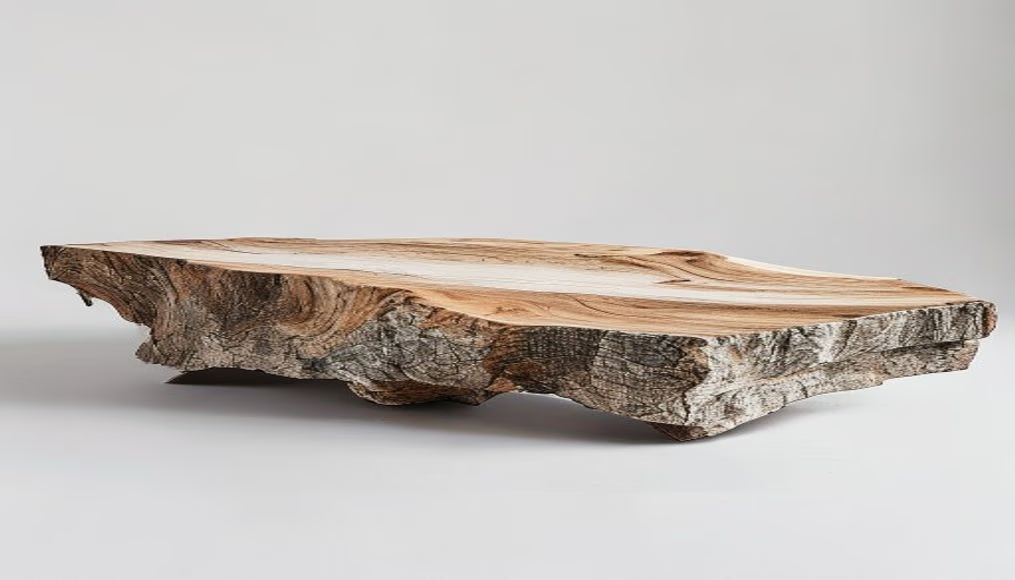
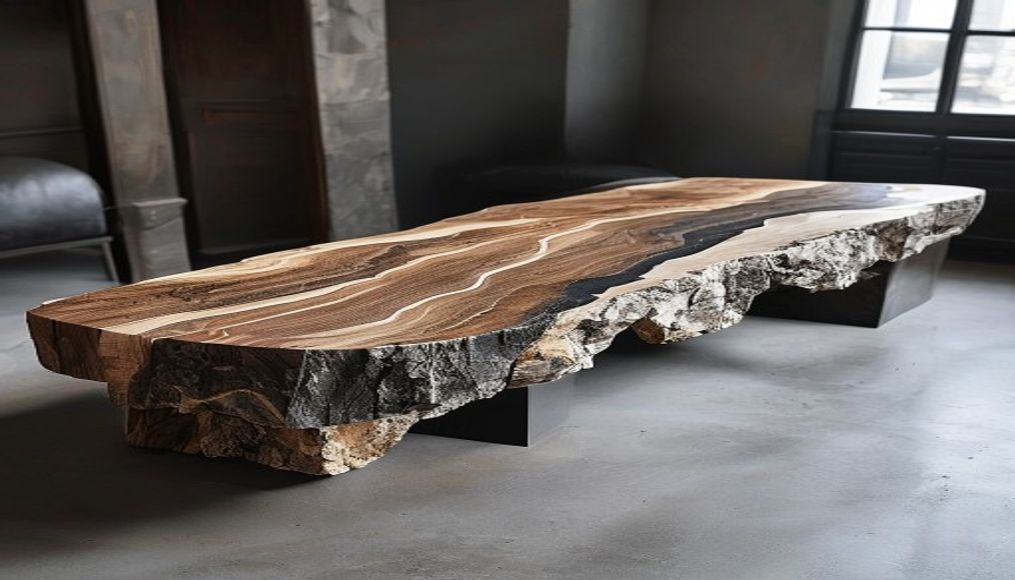
A live edge slab table is a piece of furniture that preserves the natural edge of the tree, celebrating textures and imperfections like knots and cracks.
About this subject
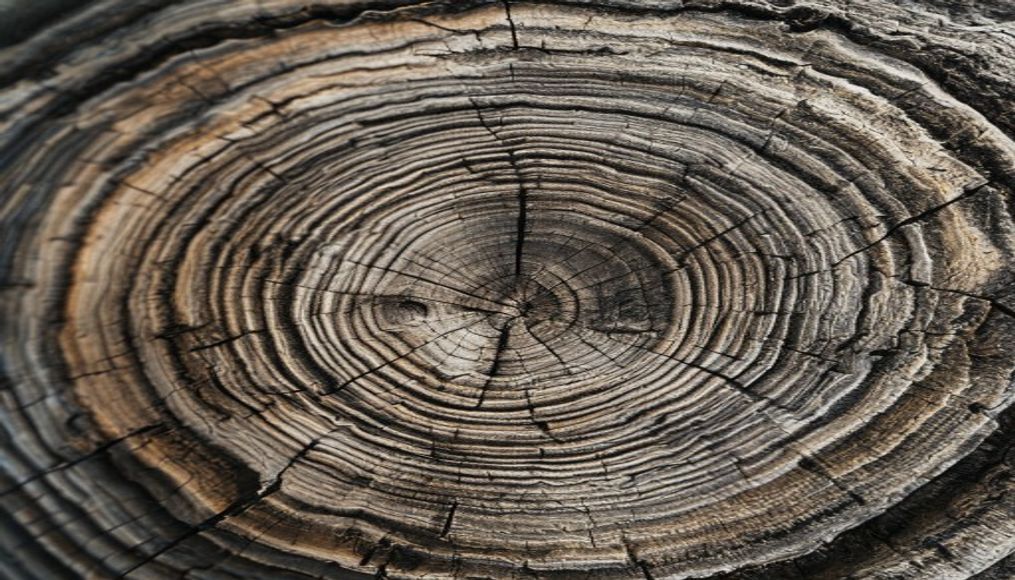
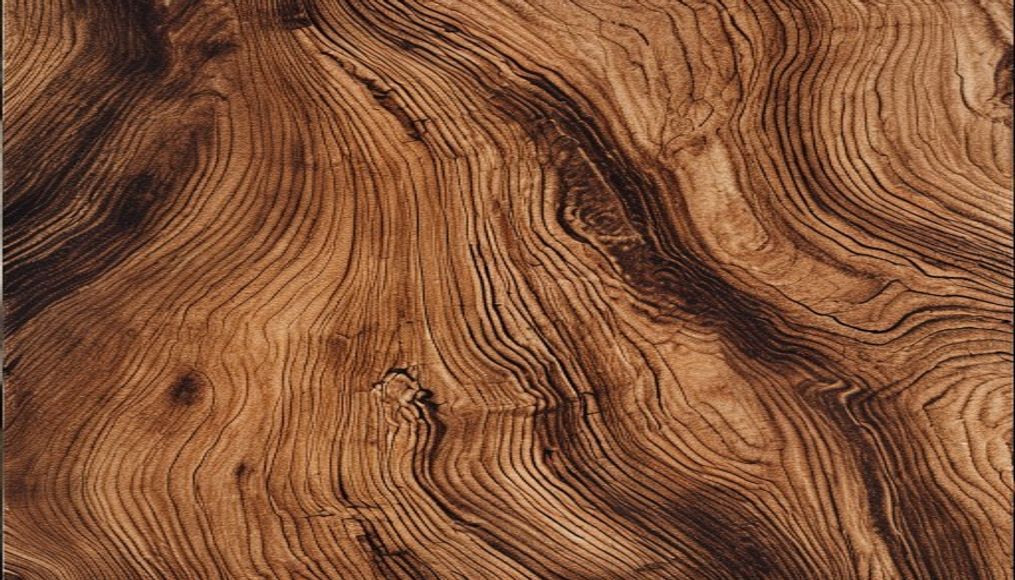
A live edge slab table is a centerpiece in contemporary interior design. Originating from the handcrafted wood movement, it retains the natural bark edge of the tree, avoiding straight cuts and emphasizing the trunk's organic shape. Typically made from hardwoods like walnut, oak, teak, or ipe, each table is unique, with grain patterns, knots, and cracks that tell the tree's history.
The creation process involves selecting a large-diameter log, slicing it into slabs, and drying it carefully for months to prevent future cracking. The woodworker then sands and applies finishes such as oil, varnish, or epoxy resin, which can fill voids and create translucent effects. The base is often metal or plywood, contrasting with the rustic top.
This style gained popularity in the 2010s, driven by the maker movement and a preference for sustainable materials. Many artisans use reclaimed wood from demolitions or fallen trees, reducing forest waste. Live edge tables are versatile, serving as dining tables, desks, or countertops, and are especially valued in cabins, industrial lofts, and biophilic design homes.
Interestingly, colored epoxy resin is often used to fill gaps, creating blue or green rivers that mimic water or vegetation. This technique, called river table, has become a subgenre of live edge tables. Despite the rustic look, the cost is high due to intensive manual labor, rarity of pieces, and complex drying. A 10-foot dining table may require over 200 hours of work and cost thousands of dollars.
Frequently Asked Questions
What does 'live edge' mean in a table?
It means the natural edge of the tree is preserved, without straight cuts or rectification. The wood retains its original contour, including bark (sometimes removed) and irregularities.
Which wood types are most common for live edge tables?
Walnut, oak, teak, ipe, mahogany, and cedar. Species with striking grain and structural strength are preferred. The choice depends on desired style and durability.
How is a live edge slab dried?
Drying can be done outdoors for months or in a controlled kiln, reducing moisture to 6-8%. The slow process prevents cracking and warping. Some artisans use epoxy resin to stabilize fissures.
Direct URL
https://pub-c7d6a6ea828543ac903a74a341ccb2e1.r2.dev/imagens/live-edge-slab-table-commercial-product-photography-p1.avifHow to credit
Include a visible link back to UtilizAí. Copy one of the snippets below:
<a href="https://xn--utiliza-eza.com/en/midia/imagens/live-edge-slab-table-commercial-product-photography-p1">Live edge slab table</a> by <a href="https://xn--utiliza-eza.com">UtilizAí</a>, licensed under <a href="https://creativecommons.org/licenses/by/4.0/">CC BY 4.0</a>.
[Live edge slab table](https://xn--utiliza-eza.com/en/midia/imagens/live-edge-slab-table-commercial-product-photography-p1) by [UtilizAí](https://xn--utiliza-eza.com), CC BY 4.0
License: CC-BY-4.0