Lion mane mushroom
1344×768 · AVIF · CC BY 4.0

The lion's mane mushroom (Hericium erinaceus) is an edible fungus resembling a lion's mane, native to temperate forests, valued in cuisine and traditional Chinese medicine.
About this subject
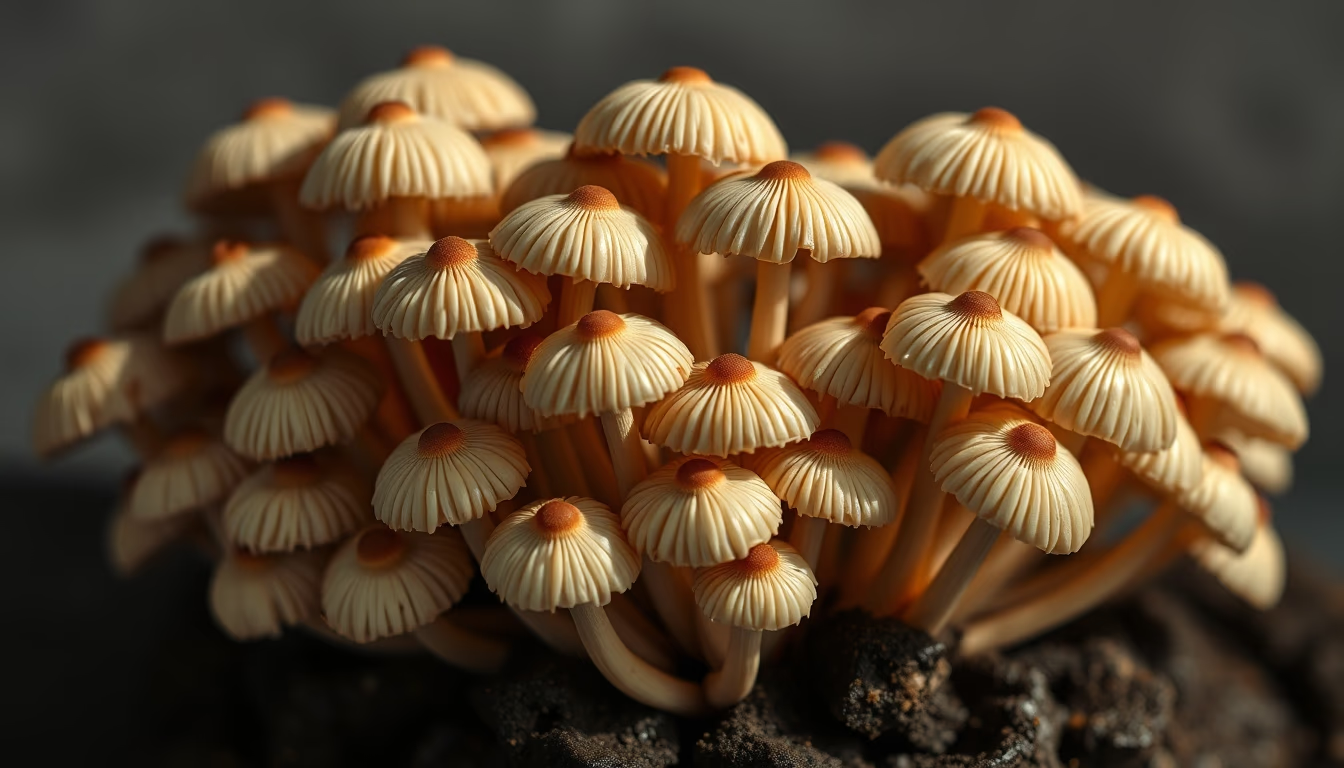
The lion's mane mushroom, scientifically named Hericium erinaceus, is a saprophytic fungus that grows on hardwood trees such as oak and beech in temperate regions of North America, Europe, and Asia. Its distinctive appearance, with long, drooping spines that resemble a lion's mane, makes it unmistakable. It is also known as pom-pom mushroom, bearded tooth fungus, or monkey head. In the wild, it appears mainly in late summer and fall, though it has become rare in some areas due to habitat loss.
In traditional Chinese medicine, lion's mane has been used for centuries to support digestive health and overall vitality. Modern research indicates that it contains bioactive compounds, such as hericenones and erinacines, which may stimulate the production of nerve growth factor (NGF). Laboratory and animal studies suggest potential benefits for cognition, memory, and neuroprotection, and it is being investigated for conditions like Alzheimer's and Parkinson's. However, most evidence remains preliminary, and further human clinical trials are needed.
In the kitchen, lion's mane is prized for its delicate flavor, reminiscent of seafood like crab or lobster, and its soft, fibrous texture when cooked. It can be sautéed in butter, grilled, added to soups, or used as a meat substitute in vegetarian dishes. It absorbs seasonings and sauces well, and cooking time should be moderate to avoid a rubbery texture. Due to its versatility, it has gained popularity among chefs and natural food enthusiasts.
Commercial cultivation of lion's mane is well established, using substrates like sawdust or hardwood logs. It is widely available in specialty markets and health food stores, fresh or dried. The fungus is not considered threatened, but excessive wild harvesting can impact local populations. Therefore, cultivated options are sustainable and recommended. With growing interest in functional mushrooms, lion's mane continues to attract attention from both science and gastronomy.
Frequently Asked Questions
Is lion's mane mushroom safe to eat?
Yes, lion's mane is edible and safe when cooked properly. People with mushroom allergies should avoid it. No toxicity is known, but moderation is recommended.
What are the brain benefits of lion's mane?
Studies suggest lion's mane may stimulate nerve growth factor (NGF), potentially improving cognition, memory, and protecting against neurodegenerative diseases like Alzheimer's and Parkinson's. However, evidence is preliminary and more human research is needed.
How do you cook lion's mane mushroom?
Lion's mane can be sliced and sautéed in butter or oil, grilled, or added to soups. Its flavor resembles seafood like crab. Cook for 5 to 10 minutes over medium heat to avoid a rubbery texture.
Direct URL
https://pub-c7d6a6ea828543ac903a74a341ccb2e1.r2.dev/imagens/lion-mane-mushroom-long-exposure-p4.avifHow to credit
Include a visible link back to UtilizAí. Copy one of the snippets below:
<a href="https://xn--utiliza-eza.com/en/midia/imagens/lion-mane-mushroom-long-exposure-p4">Lion mane mushroom</a> by <a href="https://xn--utiliza-eza.com">UtilizAí</a>, licensed under <a href="https://creativecommons.org/licenses/by/4.0/">CC BY 4.0</a>.
[Lion mane mushroom](https://xn--utiliza-eza.com/en/midia/imagens/lion-mane-mushroom-long-exposure-p4) by [UtilizAí](https://xn--utiliza-eza.com), CC BY 4.0
License: CC-BY-4.0