Limestone karst
1344×768 · AVIF · CC BY 4.0
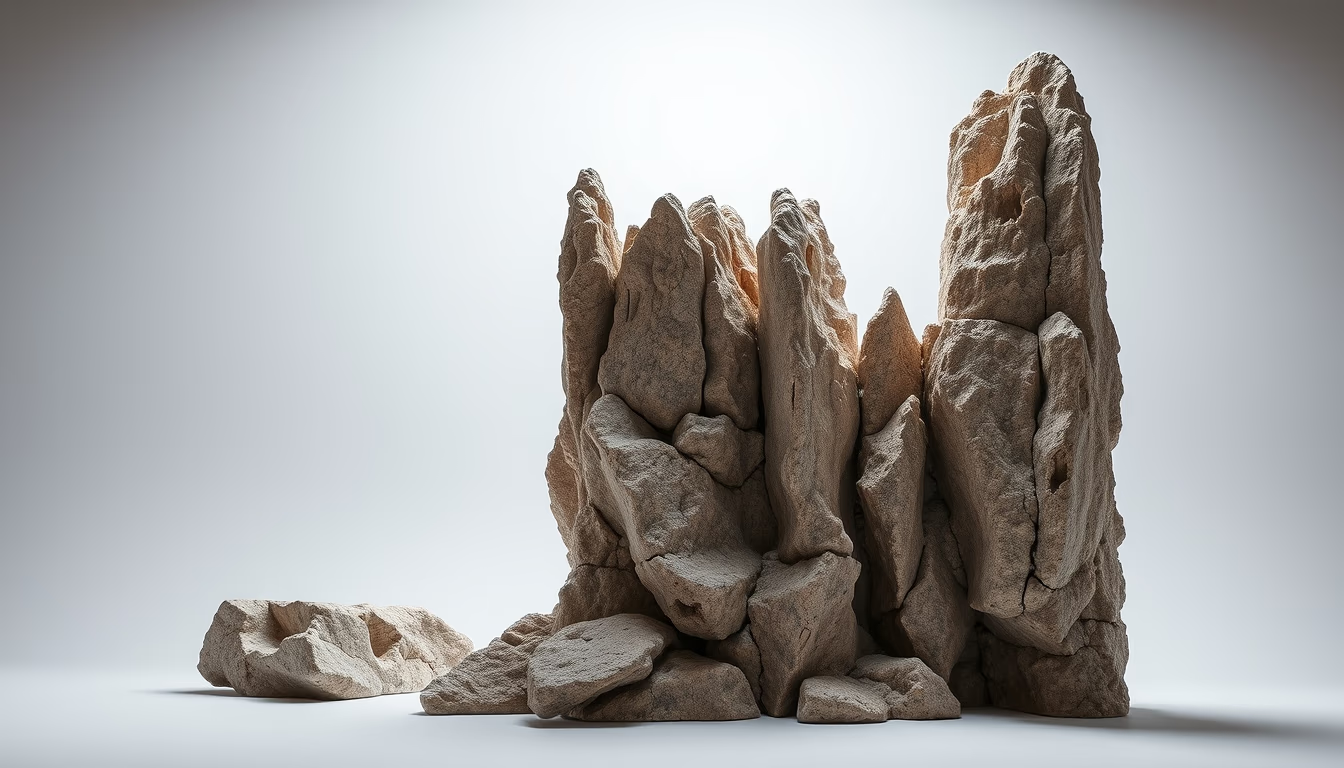
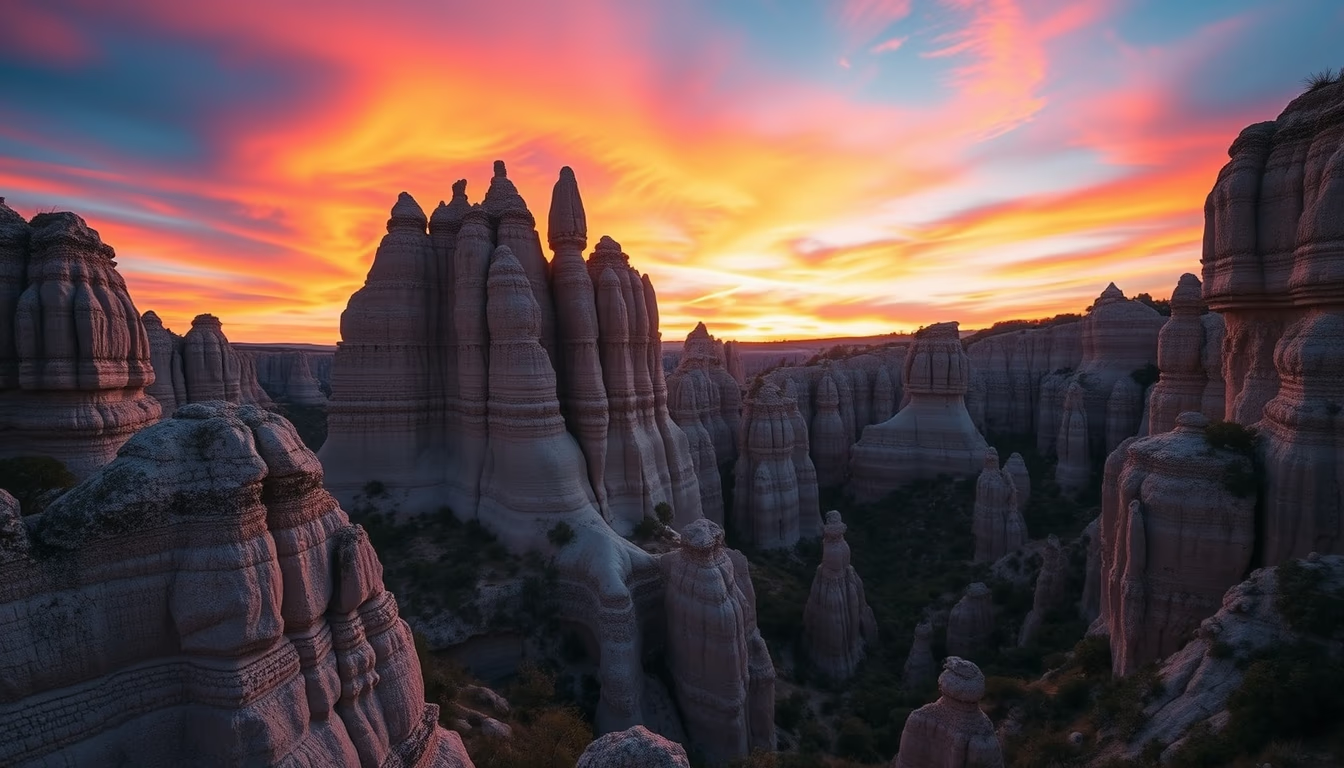
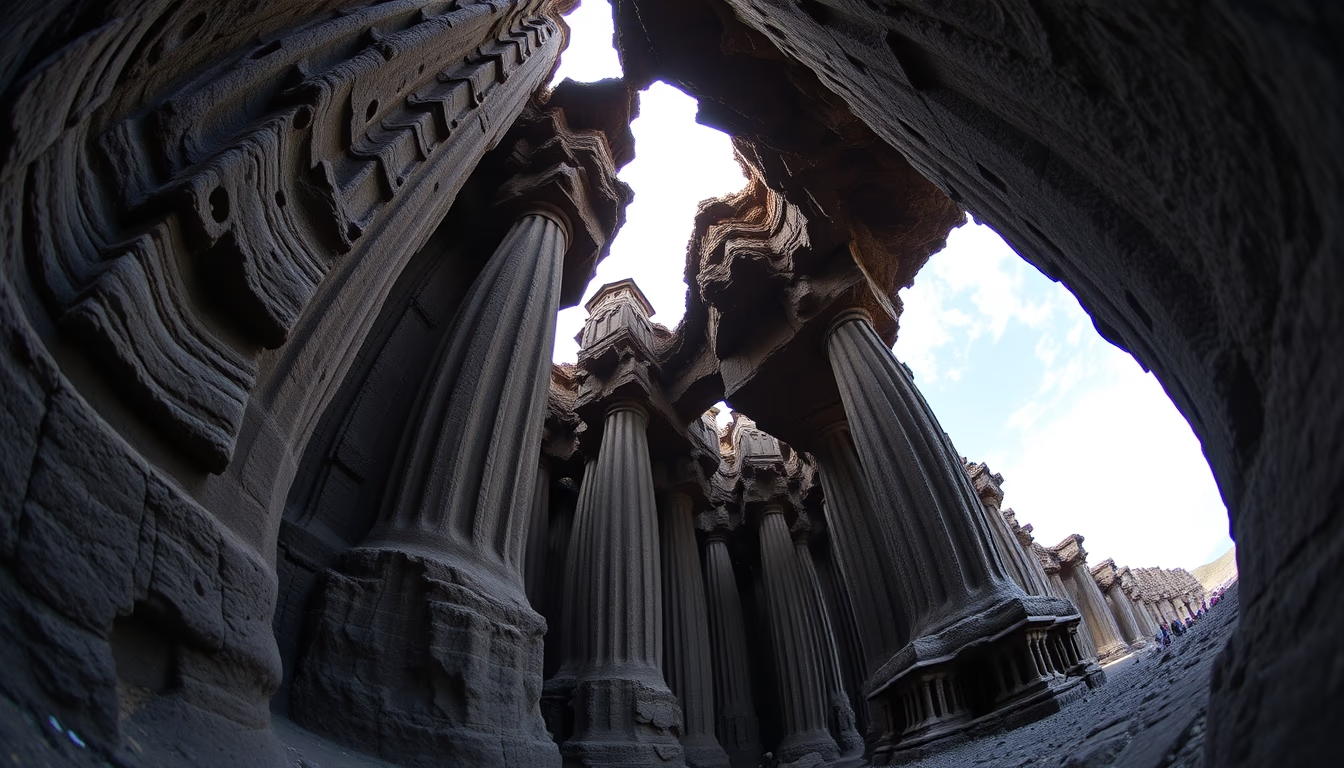
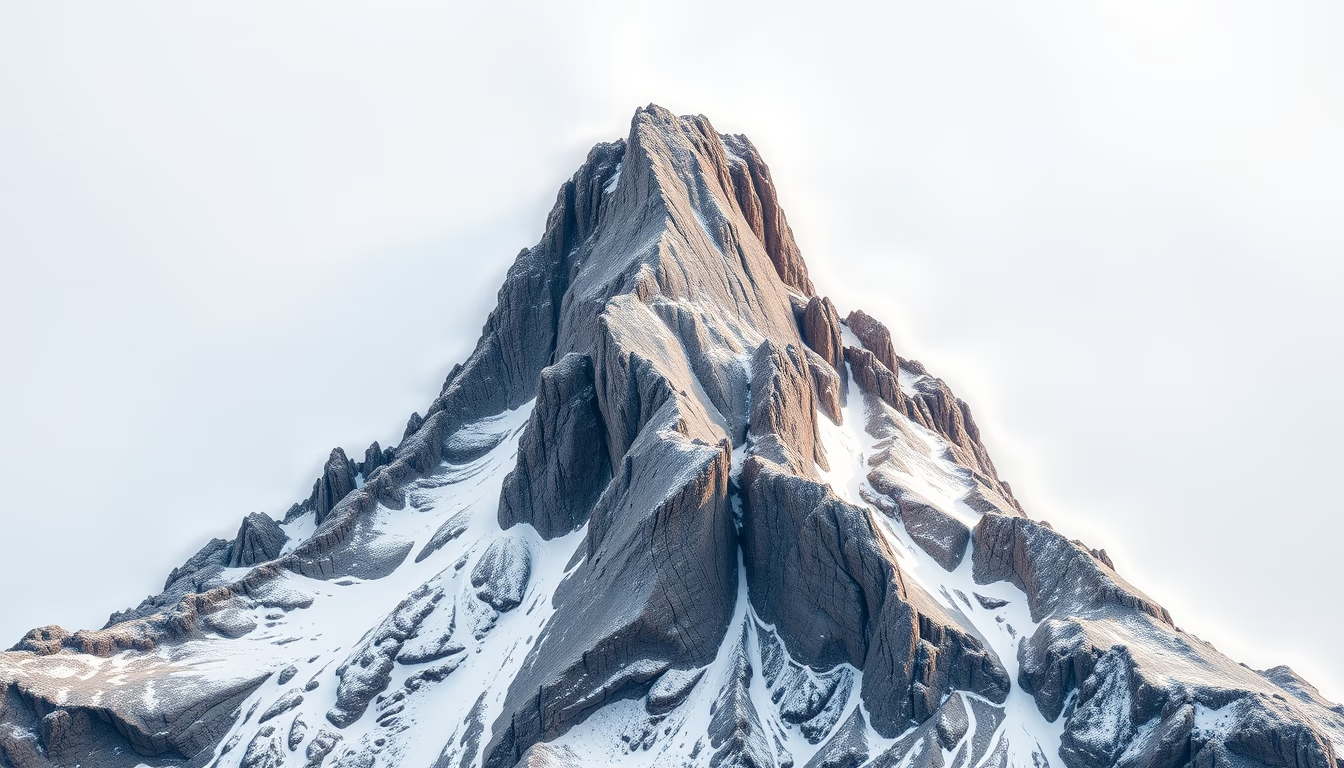
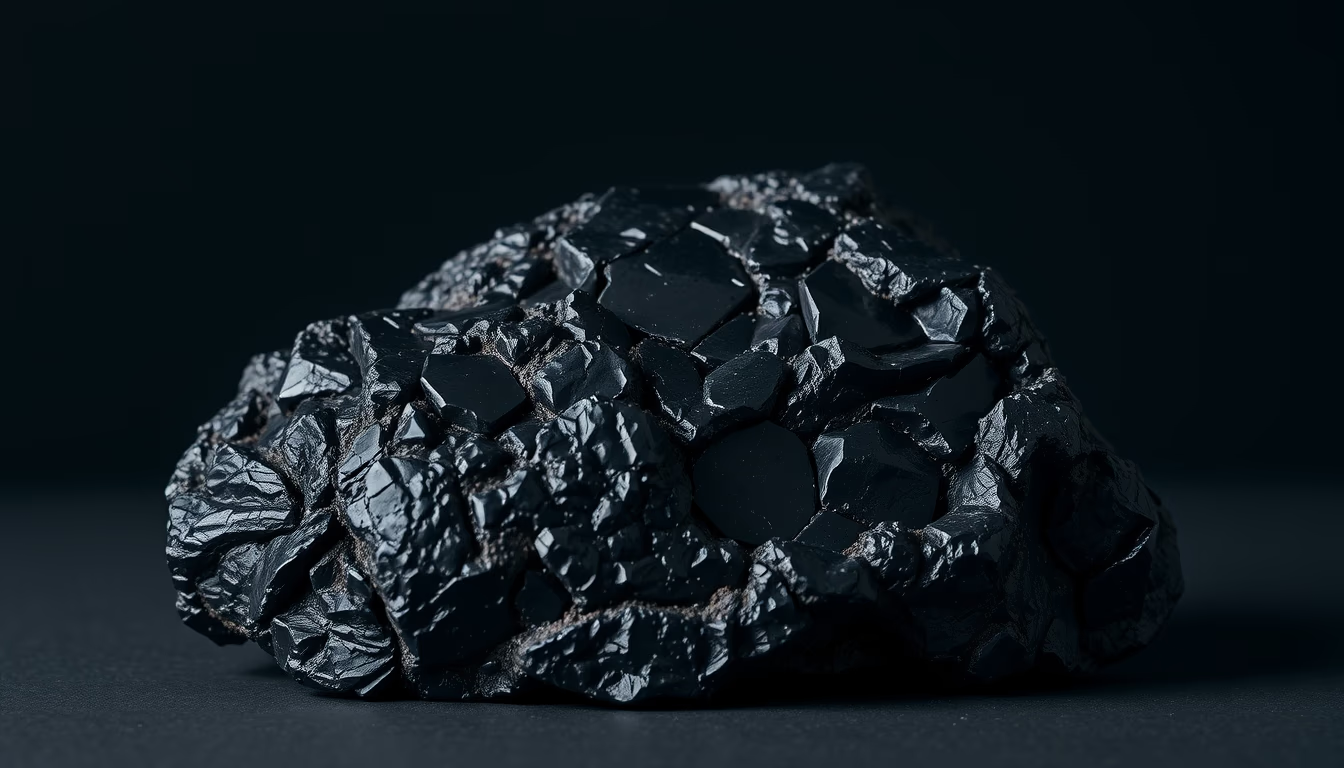
Limestone karst is a landscape sculpted by chemical dissolution of rock, forming caves, sinkholes, and unique karst relief.
About this subject
Limestone karst is a geomorphic formation resulting from the dissolution of carbonate rocks, such as limestone and dolomite, by slightly acidic water. This process, known as karstification, occurs over thousands of years and creates features like lapies, sinkholes, caves, and underground rivers. In Brazil, karst areas are found mainly in the states of Minas Gerais (Sete Lagoas and Lagoa Santa region), Bahia (Chapada Diamantina), and Mato Grosso do Sul (Bonito). The Lagoa Santa region, for example, houses archaeological sites with megafauna fossils and ancient human remains, highlighting the scientific importance of this environment.
Karst is not just a geological phenomenon; it plays a crucial role in hydrology. Limestone rocks function as aquifers, storing and transmitting groundwater. Many cities depend on these aquifers for water supply. However, disorderly exploitation and pollution can easily contaminate these waters, as natural filtration is limited in karst systems. Additionally, dissolution can cause sudden collapses, such as sinkholes, posing risks to constructions.
Globally, limestone karst covers about 10% of the Earth's land surface. Famous regions include the Guilin Karst in China, with its isolated peaks; the Slovenian Karst Plateau, which gave its name to the phenomenon; and the Yucatán Peninsula in Mexico, full of cenotes. These landscapes are also important for tourism, such as the Postojna Cave in Slovenia or the floating tours in crystal-clear rivers of Bonito. Conservation of these environments is essential to maintain associated biodiversity, including troglobitic species adapted to caves.
Fun fact: limestone used in historical buildings, like the Colosseum in Rome, can also undergo karstification if exposed to acid rain. The porous texture and chemical reactivity make this rock a vulnerable material, but at the same time, it generates landscapes of rare beauty.
Frequently Asked Questions
Where can limestone karst formations be found in Brazil?
In Brazil, major karst areas are in Minas Gerais (Lagoa Santa, Sete Lagoas), Bahia (Chapada Diamantina), and Mato Grosso do Sul (Bonito). These regions feature caves, sinkholes, and underground rivers.
Why is limestone karst important for hydrology?
Limestone rocks form aquifers that store and supply water. However, contamination is easy due to rapid infiltration, making protection of these systems essential.
What are the risks associated with karst landscapes?
Main risks include sudden sinkhole collapses that can damage structures, and aquifer vulnerability to pollution. Dissolution can also weaken building foundations.
Direct URL
https://pub-c7d6a6ea828543ac903a74a341ccb2e1.r2.dev/imagens/limestone-karst-studio-still-life-fresh17.avifHow to credit
Include a visible link back to UtilizAí. Copy one of the snippets below:
<a href="https://xn--utiliza-eza.com/en/midia/imagens/limestone-karst-studio-still-life-fresh17">Limestone karst</a> by <a href="https://xn--utiliza-eza.com">UtilizAí</a>, licensed under <a href="https://creativecommons.org/licenses/by/4.0/">CC BY 4.0</a>.
[Limestone karst](https://xn--utiliza-eza.com/en/midia/imagens/limestone-karst-studio-still-life-fresh17) by [UtilizAí](https://xn--utiliza-eza.com), CC BY 4.0
License: CC-BY-4.0