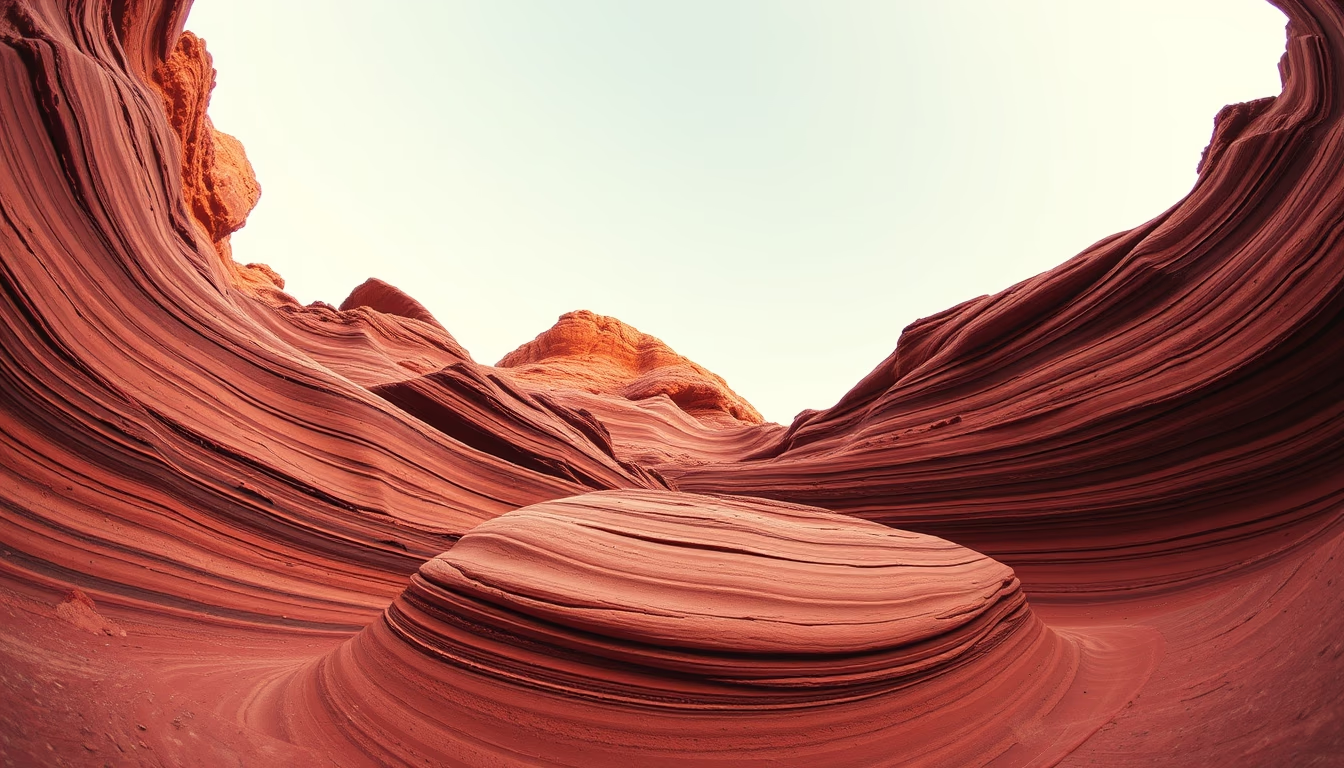
Limestone karst
1344×768 · AVIF · CC BY 4.0
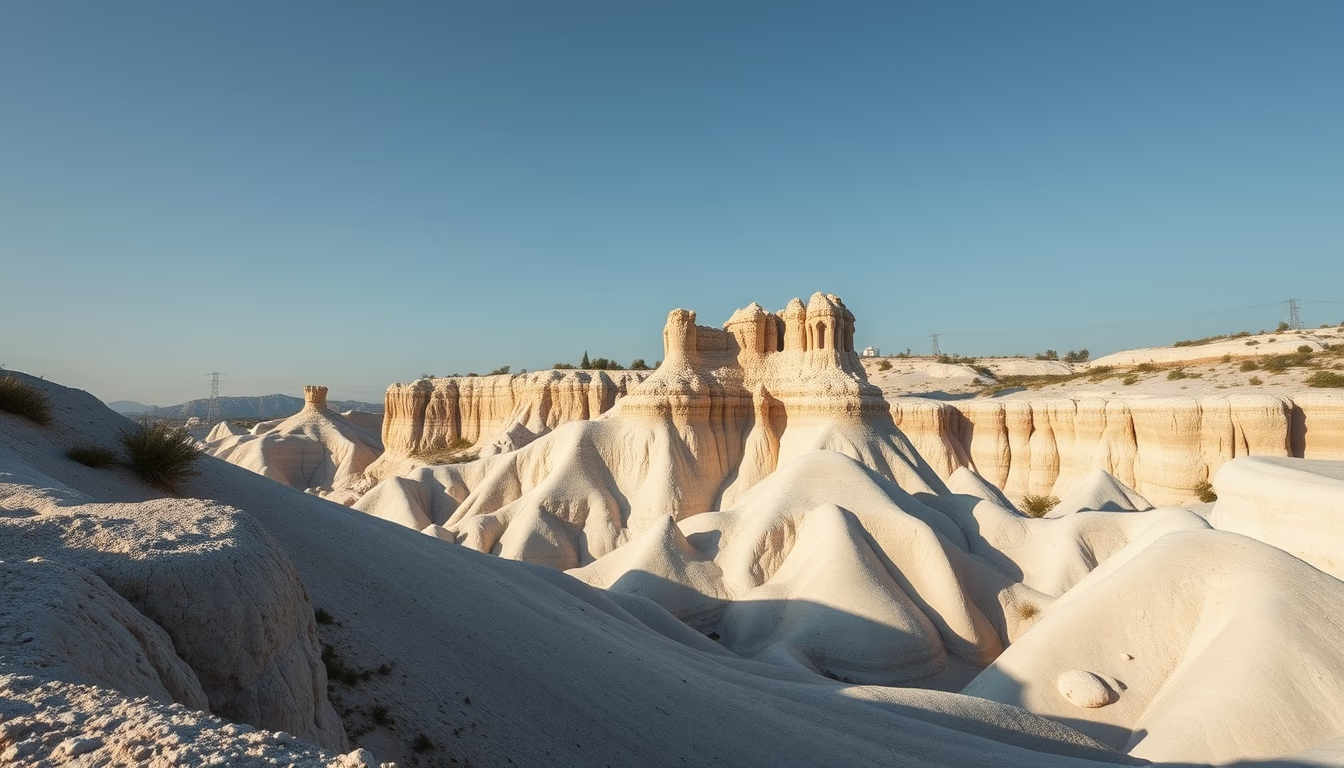
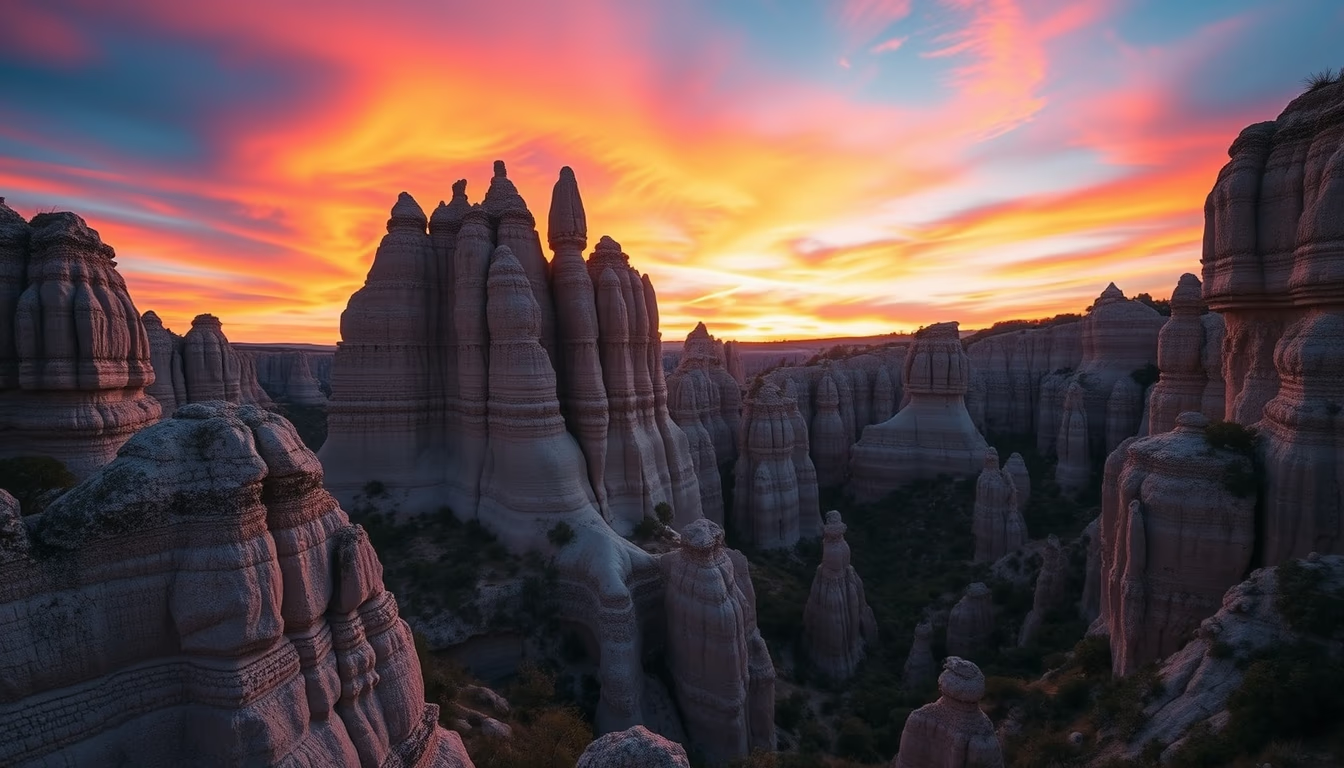
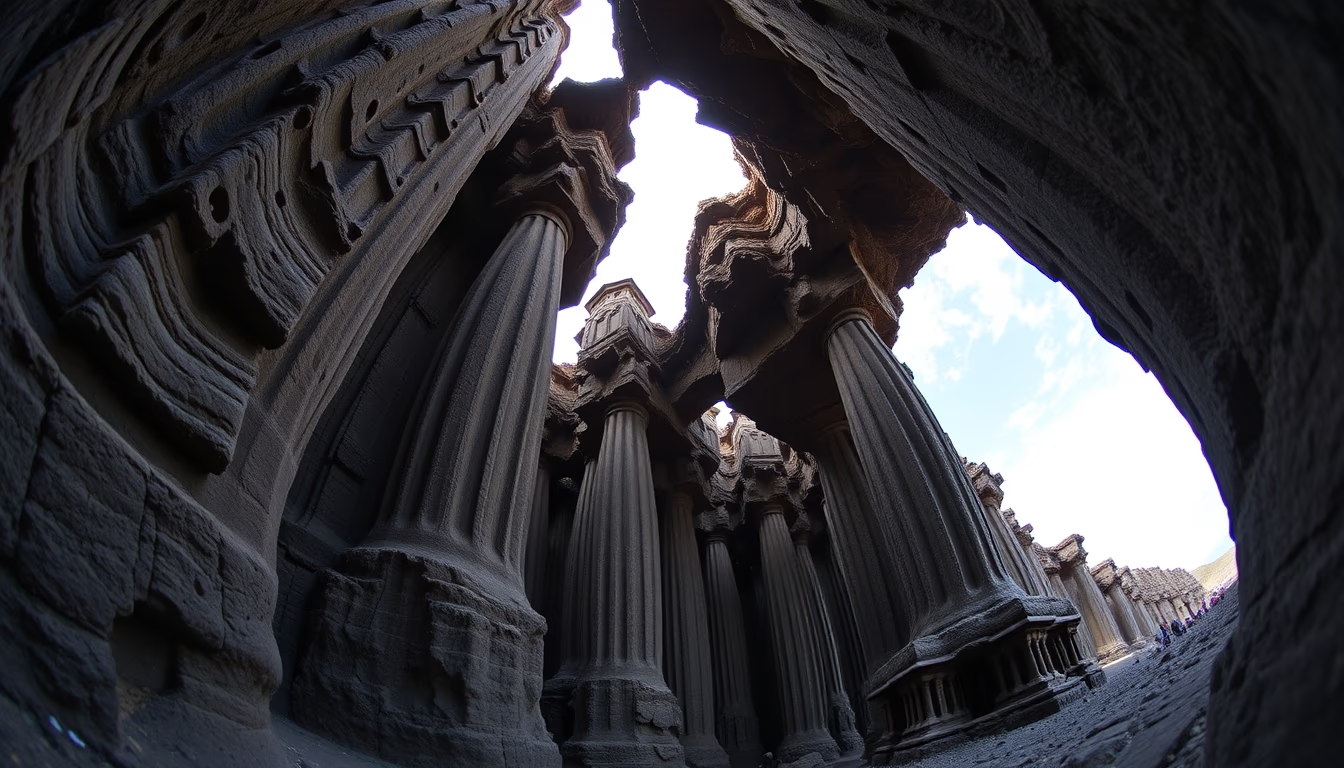
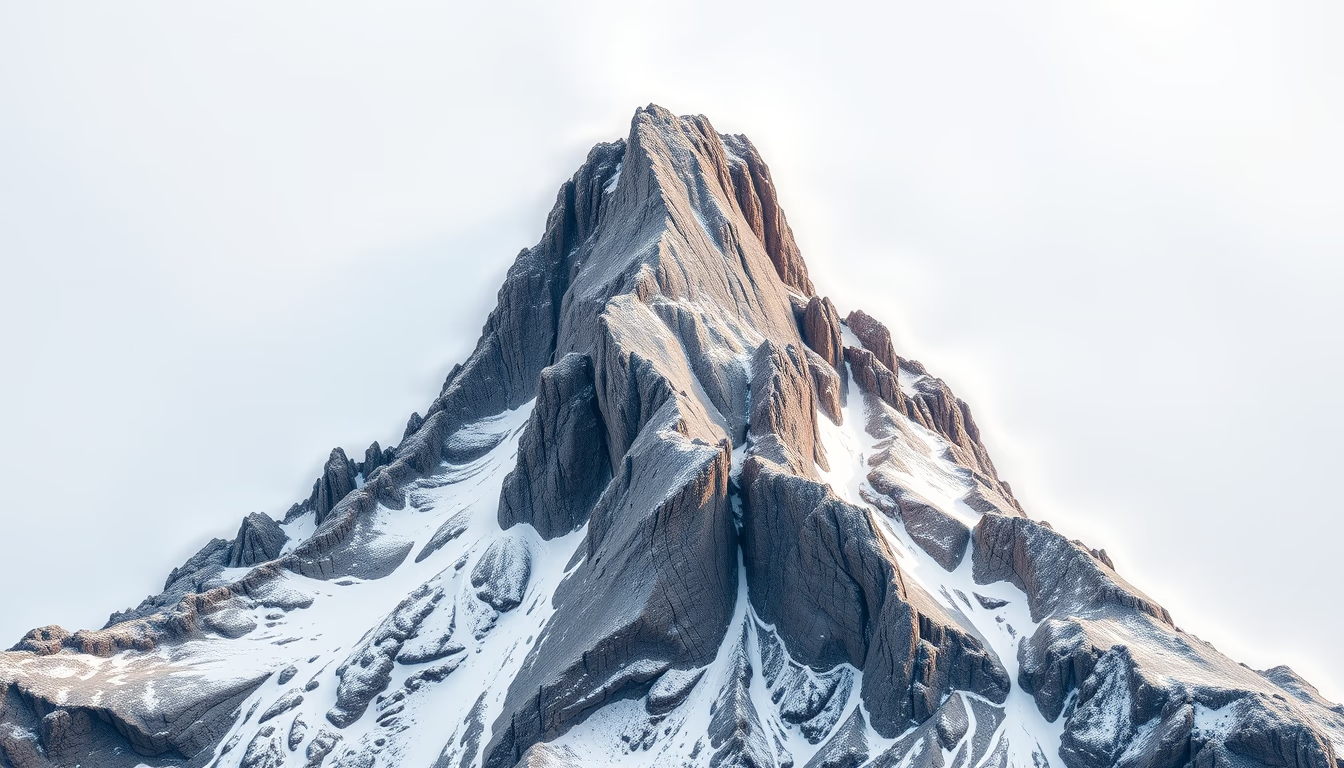
Limestone karst is a landscape shaped by the dissolution of carbonate rocks, creating caves, sinkholes, and towers.
About this subject
Limestone karst is a landscape resulting from the dissolution of carbonate rocks, primarily limestone and dolomite, by slightly acidic water. This chemical process, enhanced by dissolved carbon dioxide, over millennia carves characteristic features such as lapiez, caves, sinkholes, and residual reliefs in the form of towers or cones. The phenomenon occurs in regions with soluble rocks and humid climates, being especially prominent in tropical and subtropical areas.
In Brazil, notable examples include the Peruaçu Caves National Park in Minas Gerais, with its huge caves and archaeological sites, and the Lagoa Santa region, also in Minas Gerais, where naturalist Peter Lund discovered fossils of the extinct saber-toothed tiger and the Lagoa Santa man. Another remarkable area is the Chapada Diamantina in Bahia, featuring canyons and underground rivers. Globally, the most iconic karst areas include the Guilin and Yangshuo region in China, whose limestone towers inspired traditional paintings, and Plitvice Lakes National Park in Croatia, known for its lakes and travertine barriers.
These environments are ecologically rich: they host specialized cave fauna, such as bats and blind fish, and form karst aquifers that supply water to millions of people. However, they are extremely sensitive to pollution and inappropriate exploitation, such as limestone mining and unregulated tourism. Protecting these landscapes is essential not only for their scenic beauty but also for their hydrological and paleontological value.
Frequently Asked Questions
What causes limestone karst formation?
Limestone karst formation occurs by chemical dissolution of carbonate rocks by slightly acidic water, intensified by dissolved carbon dioxide and organic acids. Over millennia, this process creates caves, sinkholes, and other features.
Where can karst landscapes be found in Brazil?
In Brazil, major karst areas are in Minas Gerais (Peruaçu Caves National Park and Lagoa Santa region), Bahia (Chapada Diamantina), and Mato Grosso do Sul (Blue Lake Grotto). The Lagoa Santa karst is famous for paleontological sites.
Why are karst aquifers important?
Karst aquifers store and supply drinking water for many communities. They are highly productive but vulnerable to contamination due to rapid infiltration and surface connectivity. Protecting these aquifers is crucial for water security.
Direct URL
https://pub-c7d6a6ea828543ac903a74a341ccb2e1.r2.dev/imagens/limestone-karst-minimalist-composition-fresh8.avifHow to credit
Include a visible link back to UtilizAí. Copy one of the snippets below:
<a href="https://xn--utiliza-eza.com/en/midia/imagens/limestone-karst-minimalist-composition-fresh8">Limestone karst</a> by <a href="https://xn--utiliza-eza.com">UtilizAí</a>, licensed under <a href="https://creativecommons.org/licenses/by/4.0/">CC BY 4.0</a>.
[Limestone karst](https://xn--utiliza-eza.com/en/midia/imagens/limestone-karst-minimalist-composition-fresh8) by [UtilizAí](https://xn--utiliza-eza.com), CC BY 4.0
License: CC-BY-4.0