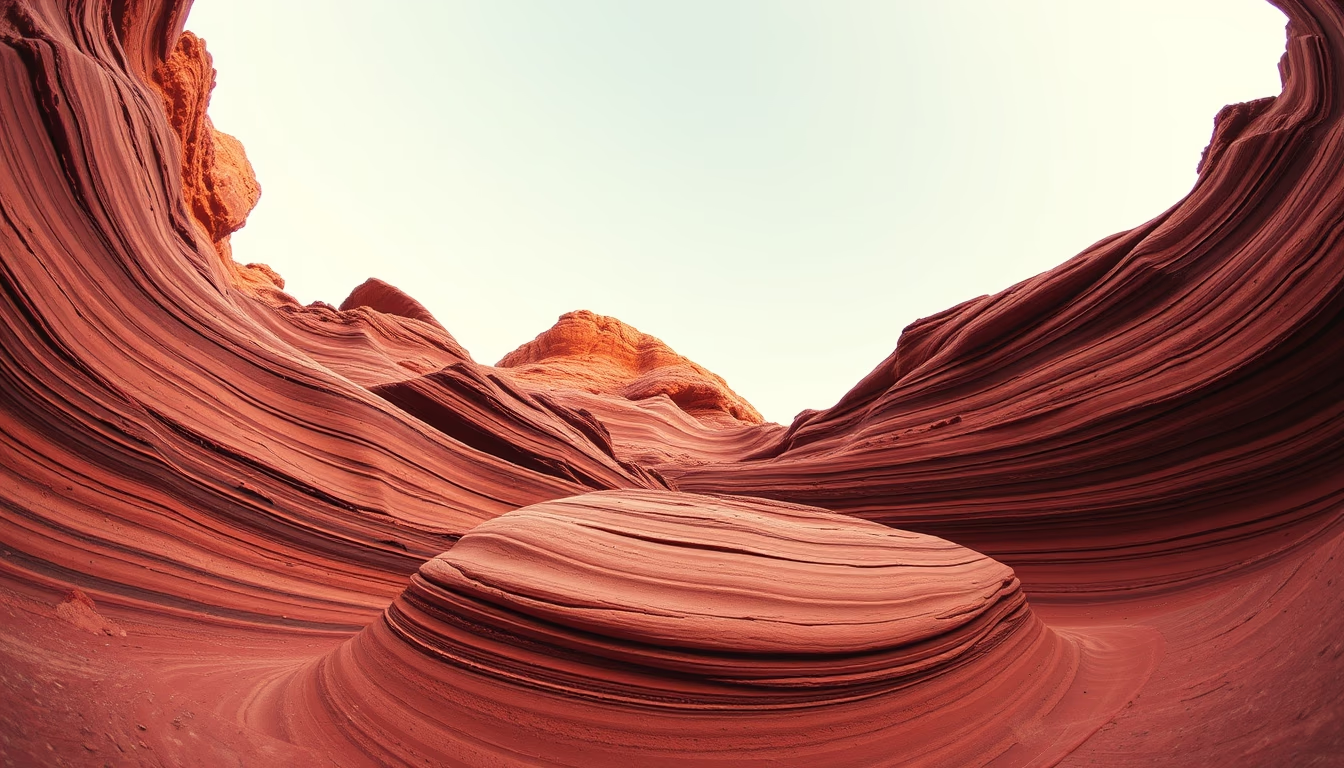
Limestone karst
1344×768 · AVIF · CC BY 4.0
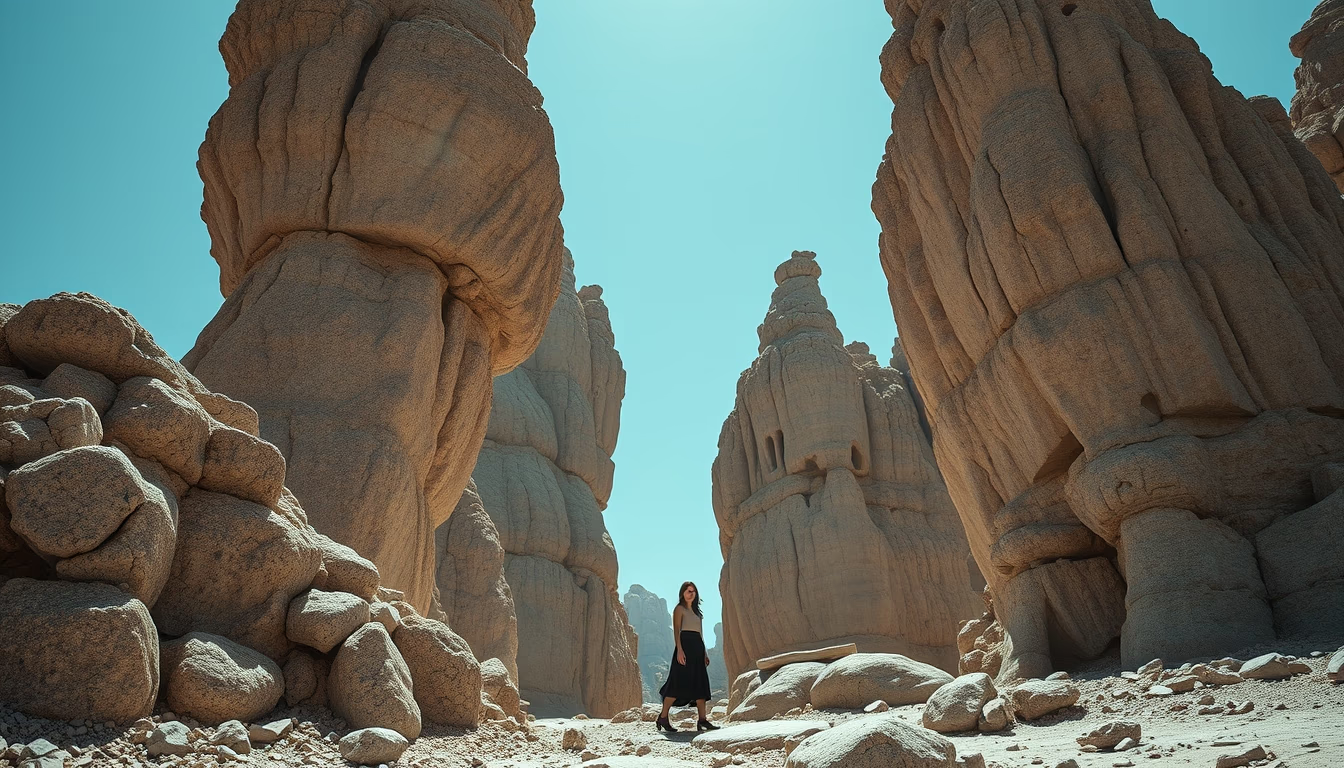
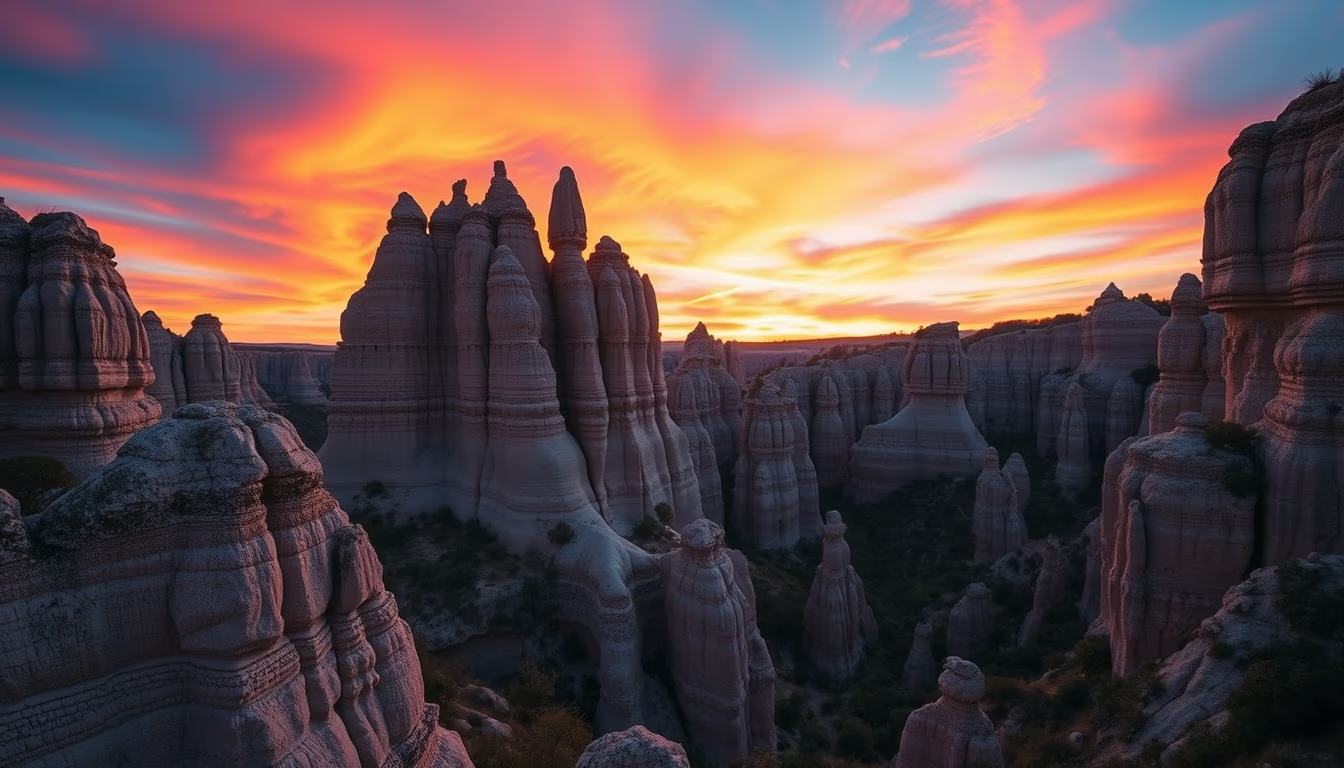
Limestone formations sculpted by water over millions of years create karst landscapes featuring caves, towers, and sinkholes.
About this subject
Limestone karst is a landscape formed by the dissolution of soluble rocks, primarily limestone and dolomite, by slightly acidic water. This chemical process, called carbonation, occurs when rainwater absorbs carbon dioxide from the air and soil, forming weak carbonic acid that slowly dissolves the rock. Over millennia, water opens fissures that widen into caves, sinkholes, and blind valleys, while residual pillars create iconic karst towers.
The world's most famous karst regions include southern China, where the peaks of Guilin and Yangshuo rise above the Li River; Phong Nha-Ke Bang National Park in Vietnam, home to the world's largest cave, Hang Son Doong; and the Karst region in the Balkans, which gave the phenomenon its name. In Brazil, notable examples are Chapada Diamantina in Bahia, Peruaçu National Park in Minas Gerais, and the Bonito region in Mato Grosso do Sul, where crystal-clear rivers flow over limestone beds.
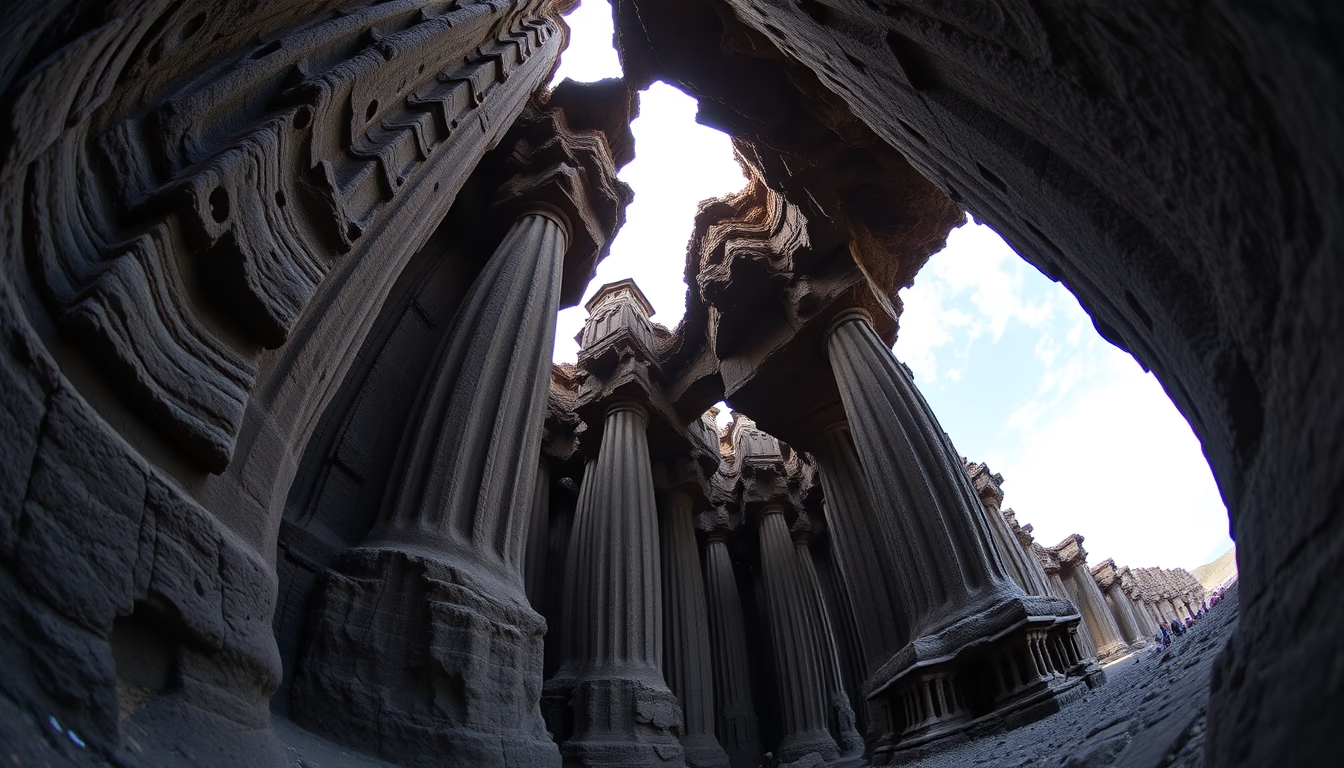
Beyond scenic beauty, karst aquifers are important sources of fresh drinking water, but they are also fragile: the porosity allows rapid infiltration of pollutants. Speleology, the study of caves, relies on these formations to understand Earth's geological and climatic history. Many caves contain speleothems such as stalactites and stalagmites, which form drop by drop over hundreds of years.
Karst also has economic significance: limestone is raw material for cement and lime, and cave tourism supports local communities. However, uncontrolled quarrying threatens unique underground ecosystems, with fauna adapted to total darkness, such as blind fish and albino crustaceans. Conserving these environments is challenging because any surface alteration can disrupt subsurface water flow.
Frequently Asked Questions
What is limestone karst?
Limestone karst is a landscape formed by the chemical dissolution of soluble rocks, such as limestone, by slightly acidic water. The process creates caves, sinkholes, towers, and blind valleys over thousands to millions of years.
Where are the most famous karst landscapes in the world?
Notable examples include the karst towers of Guilin in China, Phong Nha-Ke Bang National Park in Vietnam, the Balkans region, and in Brazil, Chapada Diamantina and Bonito.
How do caves form in karst?
Rainwater, acidified by CO₂, dissolves limestone along fractures. Over time, these fractures widen into conduits and caves. Dripping water inside caves deposits minerals, creating stalactites and stalagmites.
Direct URL
https://pub-c7d6a6ea828543ac903a74a341ccb2e1.r2.dev/imagens/limestone-karst-high-fashion-editorial-fresh13.avifHow to credit
Include a visible link back to UtilizAí. Copy one of the snippets below:
<a href="https://xn--utiliza-eza.com/en/midia/imagens/limestone-karst-high-fashion-editorial-fresh13">Limestone karst</a> by <a href="https://xn--utiliza-eza.com">UtilizAí</a>, licensed under <a href="https://creativecommons.org/licenses/by/4.0/">CC BY 4.0</a>.
[Limestone karst](https://xn--utiliza-eza.com/en/midia/imagens/limestone-karst-high-fashion-editorial-fresh13) by [UtilizAí](https://xn--utiliza-eza.com), CC BY 4.0
License: CC-BY-4.0