Limestone karst
1344×768 · AVIF · CC BY 4.0
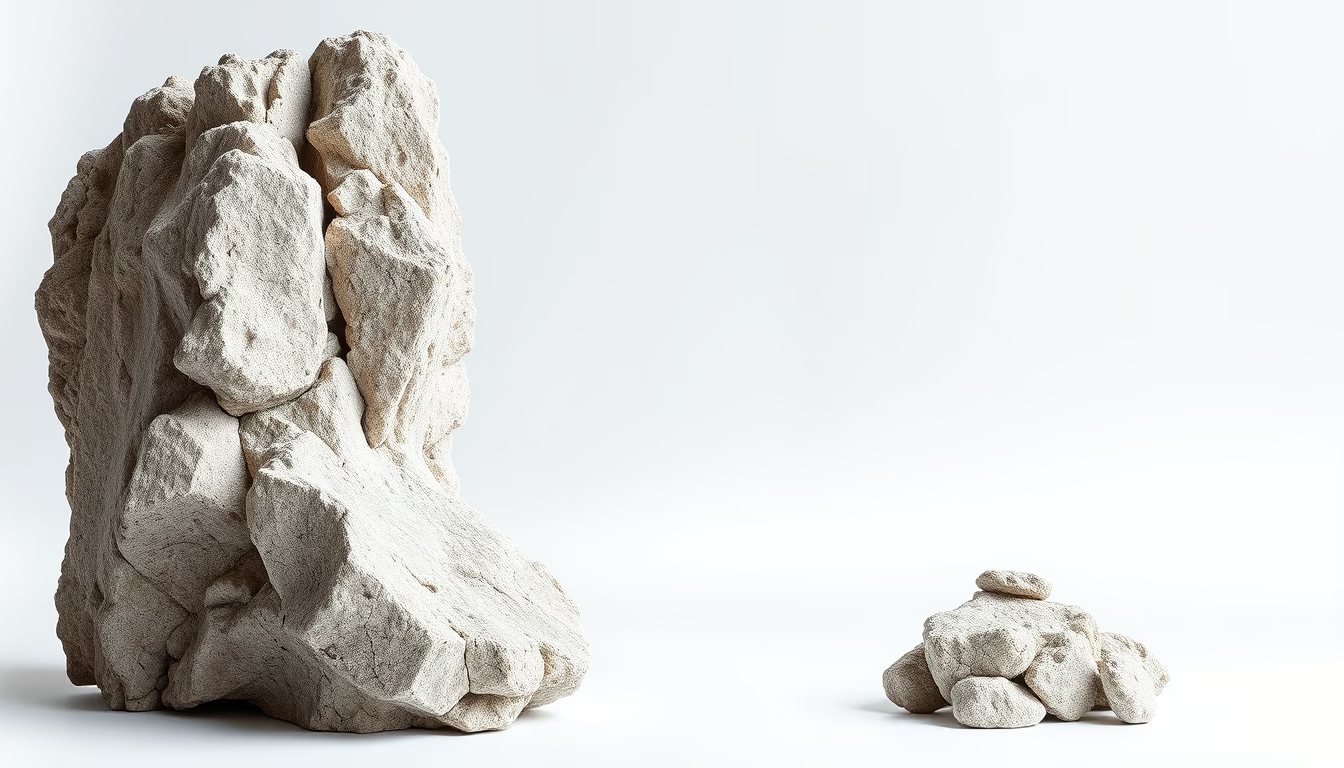
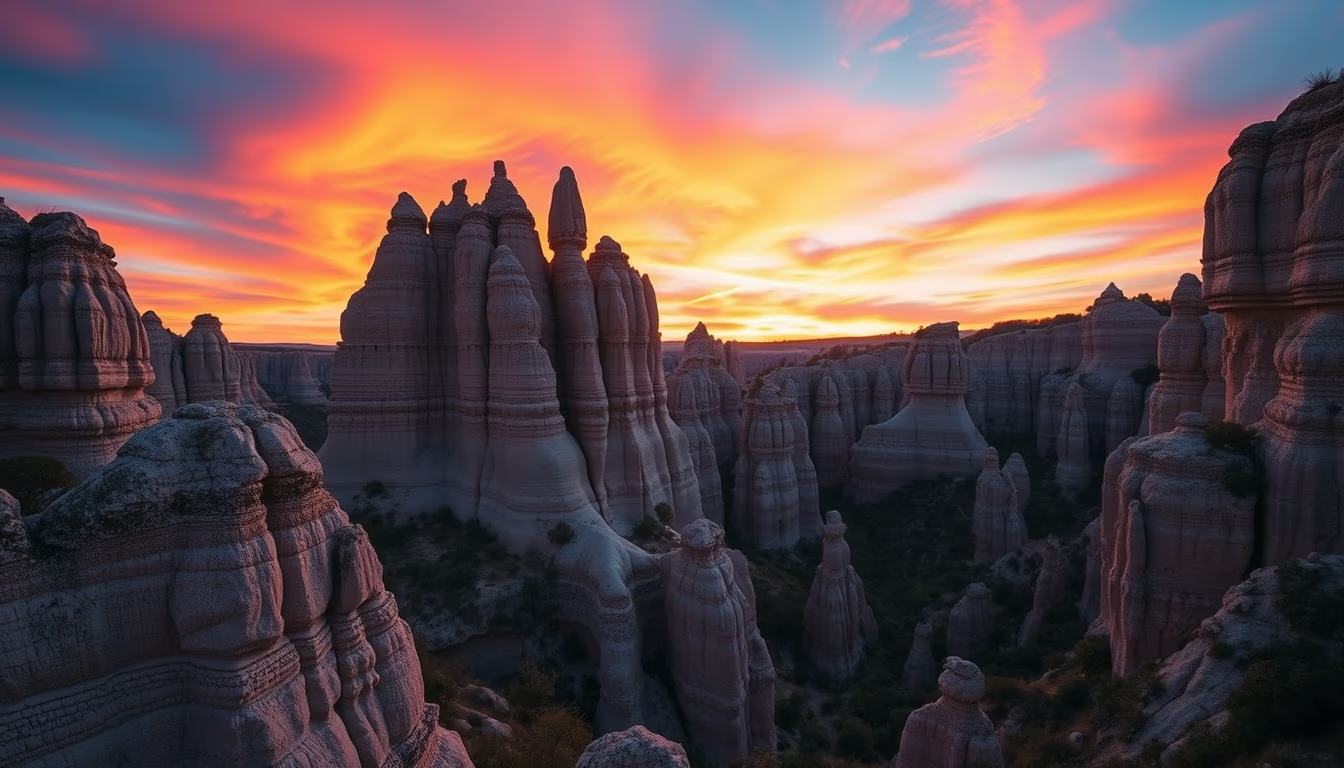
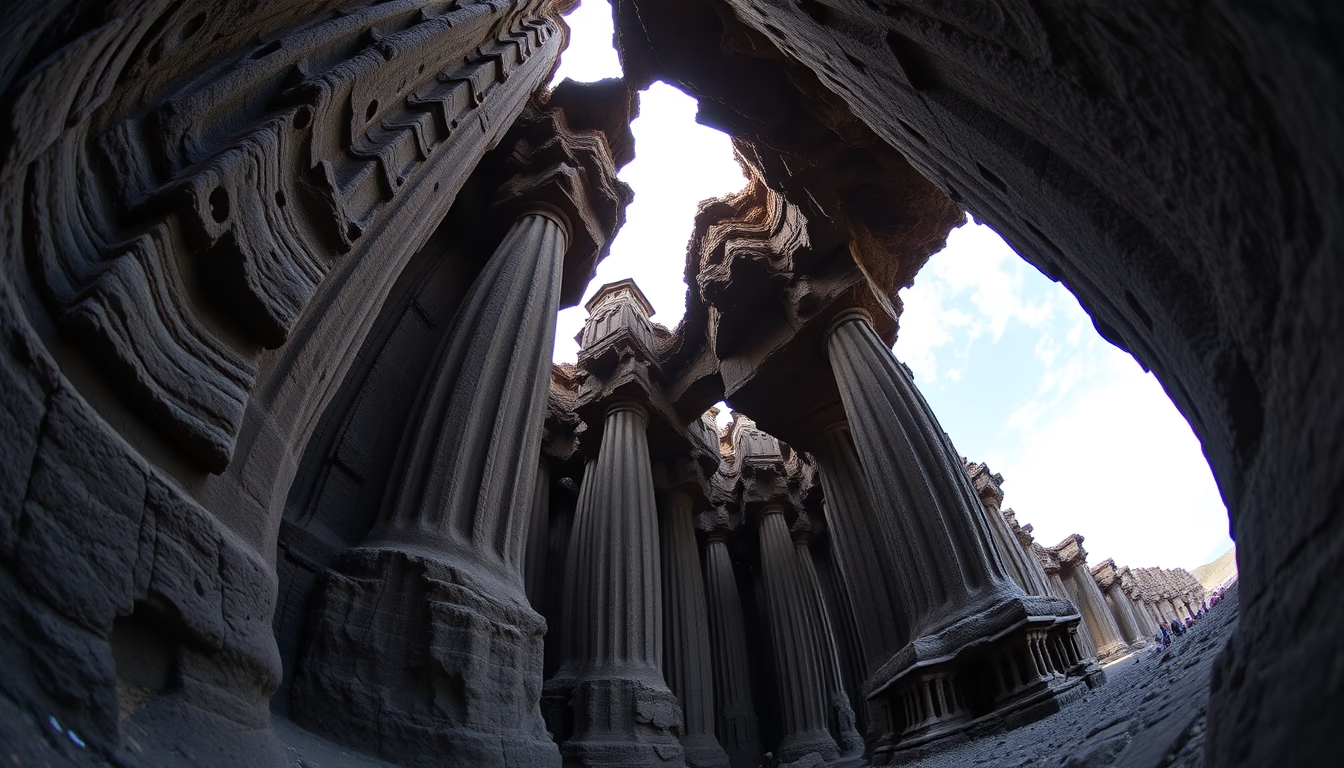
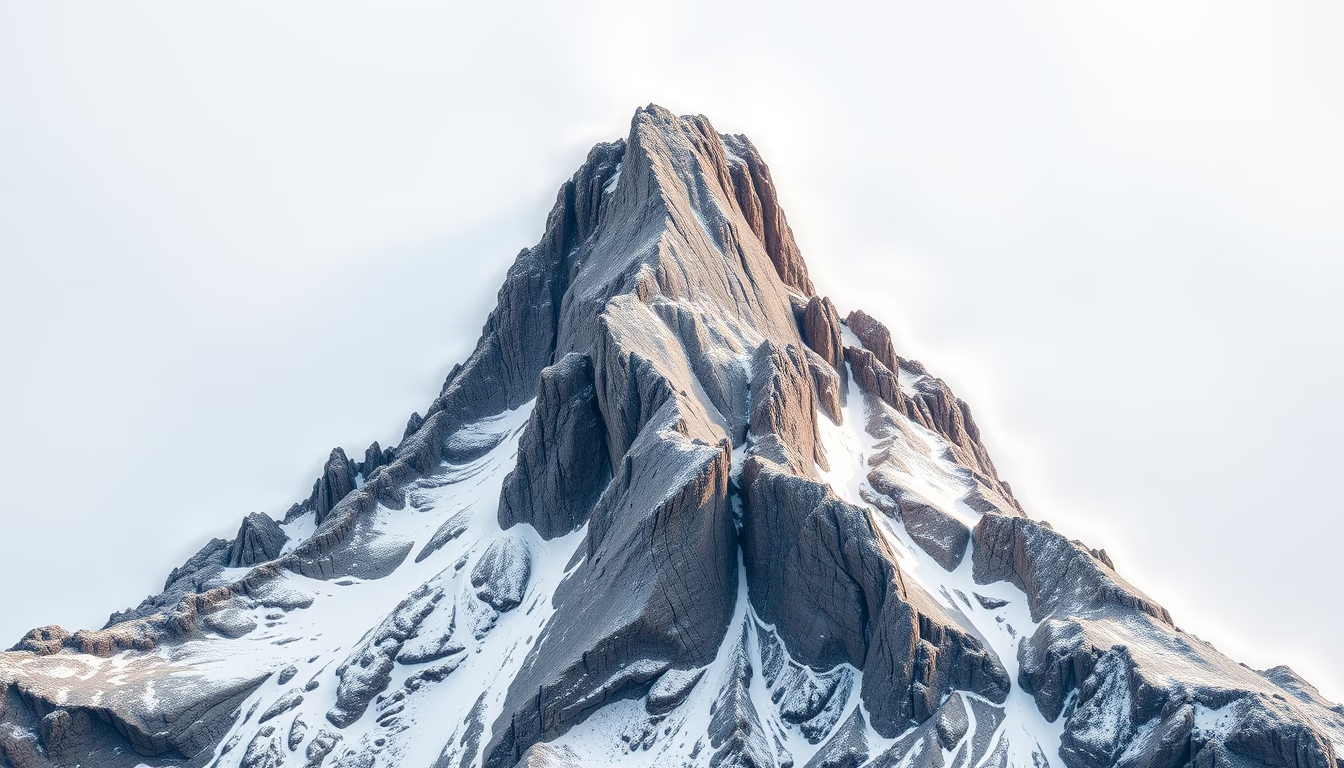
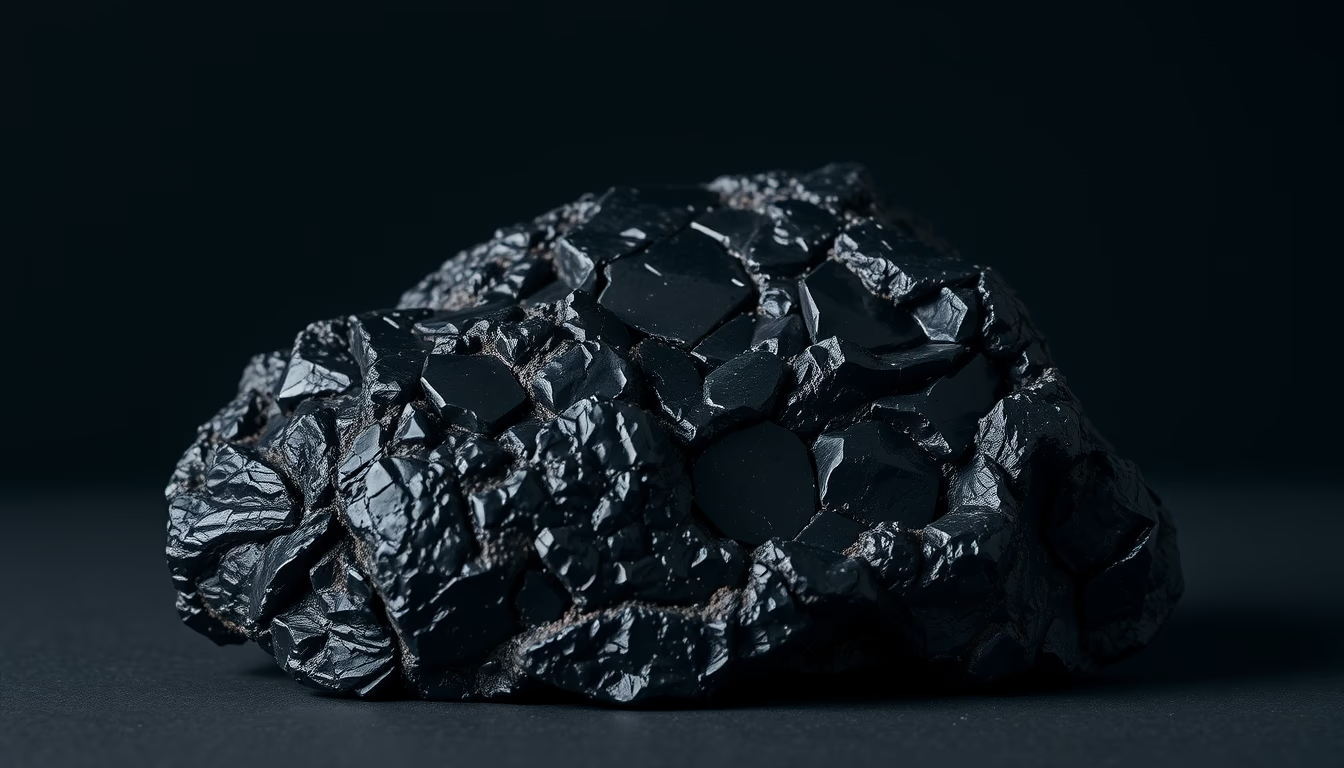
Limestone karst landscapes are formed by the chemical dissolution of carbonate rocks, creating caves, sinkholes, and unique reliefs.
About this subject
Limestone karst is a type of landscape formed by the dissolution of soluble rocks, primarily limestone and dolomite. Rainwater, slightly acidic due to atmospheric carbon dioxide, seeps through rock fractures and enlarges them over thousands of years. This process, known as karstification, creates features such as lapies, sinkholes, caves, and underground rivers. Carbonate rocks cover about 10% to 15% of Earth's land surface, and karst regions host unique ecosystems and aquifers that supply water to roughly 25% of the global population.
Famous karst formations include the Guilin Mountains in China, Phong Nha-Ke Bang National Park in Vietnam, and the Karst region in Slovenia, which gave the phenomenon its name. In Brazil, notable areas are Chapada Diamantina National Park (Bahia) and the Lagoa Santa region (Minas Gerais), with numerous caves and archaeological sites. Karst terrain is important for paleontology because caves preserve fossils, and for hydrology due to karst aquifers that respond quickly to rainfall.
Interestingly, the term “karst” comes from the Slovenian word “Kras,” meaning “barren, rocky ground.” These landscapes are fragile: water pollution can rapidly contaminate underground aquifers, and limestone quarrying for cement threatens many areas. Sinkhole collapse can also damage infrastructure. Despite the risks, karst serves as a natural laboratory for geomorphology and speleology, attracting scientists and tourists worldwide.
Frequently Asked Questions
How is a limestone karst landscape formed?
The chemical dissolution of carbonate rocks (limestone, dolomite) by slightly acidic rainwater over thousands of years creates caves, sinkholes, and other karst features.
Where are the main karst examples in Brazil?
In Brazil, notable areas are Chapada Diamantina (Bahia) and the Lagoa Santa region (Minas Gerais), with caves, sinkholes, and important archaeological sites.
Why are karst landscapes considered fragile?
Karst aquifers are vulnerable to pollution, limestone quarrying degrades the terrain, and sinkhole collapse can damage infrastructure.
Direct URL
https://pub-c7d6a6ea828543ac903a74a341ccb2e1.r2.dev/imagens/limestone-karst-commercial-product-photography-fresh11.avifHow to credit
Include a visible link back to UtilizAí. Copy one of the snippets below:
<a href="https://xn--utiliza-eza.com/en/midia/imagens/limestone-karst-commercial-product-photography-fresh11">Limestone karst</a> by <a href="https://xn--utiliza-eza.com">UtilizAí</a>, licensed under <a href="https://creativecommons.org/licenses/by/4.0/">CC BY 4.0</a>.
[Limestone karst](https://xn--utiliza-eza.com/en/midia/imagens/limestone-karst-commercial-product-photography-fresh11) by [UtilizAí](https://xn--utiliza-eza.com), CC BY 4.0
License: CC-BY-4.0