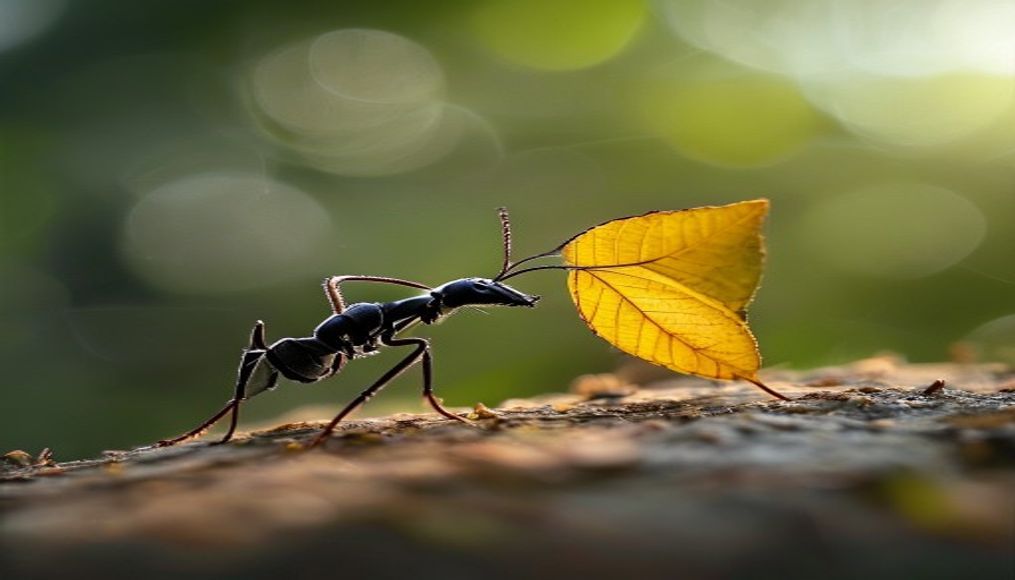
Ladybug on leaf
1344×768 · JPG · CC BY 4.0
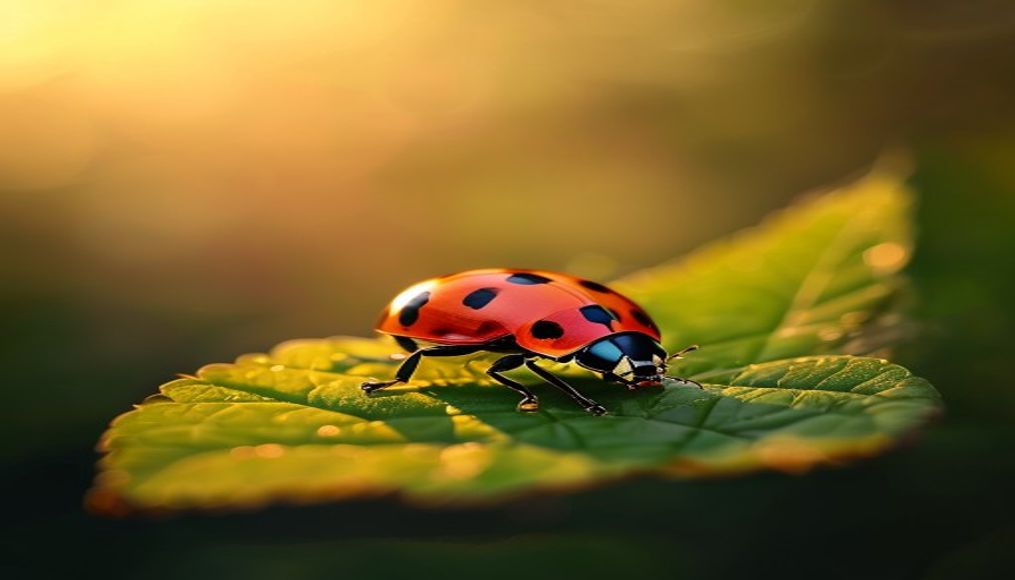
Ladybug on green leaf: a natural predator of aphids and a symbol of good luck across cultures worldwide.
About this subject
The ladybug, also known as ladybird or coccinellid beetle, is one of the most recognizable and beneficial insects worldwide. Its presence in gardens and crops indicates a balanced ecosystem, as it primarily feeds on aphids, scale insects, and other small arthropods that damage plants. A single ladybug can consume up to 5,000 aphids during its lifetime, making it a natural pest control method widely used in organic agriculture.
There are over 5,000 species of ladybugs distributed across all continents except Antarctica. The most common species in the Americas is Hippodamia convergens, while Harmonia axyridis, native to Asia, is also prevalent. Their bright red coloration with black spots serves as a warning to predators: when threatened, they secrete a yellowish fluid with an unpleasant odor, a defense mechanism known as reflex bleeding.
Culturally, ladybugs are symbols of good luck and prosperity in many traditions. In medieval Europe, they were considered divine protectors, and the name "ladybug" derives from "Our Lady's beetle," referring to the Virgin Mary. In some cultures, the number of spots indicates the number of months of good fortune. In travel photography, capturing a ladybug on a leaf represents a moment of harmony between nature and the attentive observer, showcasing the beauty of small-scale ecosystems.
Frequently Asked Questions
How many aphids can a ladybug eat per day?
An adult ladybug can eat between 50 and 60 aphids per day, depending on the species and food availability.
Are ladybugs poisonous to humans?
No, ladybugs are not poisonous to humans. However, when threatened, they secrete a foul-smelling fluid that may cause irritation in allergic individuals.
Where do ladybugs go in winter?
Many ladybug species hibernate in groups during winter, sheltering in rock crevices, under tree bark, or inside houses. They enter a dormant state called diapause.
Direct URL
https://pub-c7d6a6ea828543ac903a74a341ccb2e1.r2.dev/imagens/ladybug-on-leaf-travel-photography-p4.jpgHow to credit
Include a visible link back to UtilizAí. Copy one of the snippets below:
<a href="https://xn--utiliza-eza.com/en/midia/imagens/ladybug-on-leaf-travel-photography-p4">Ladybug on leaf</a> by <a href="https://xn--utiliza-eza.com">UtilizAí</a>, licensed under <a href="https://creativecommons.org/licenses/by/4.0/">CC BY 4.0</a>.
[Ladybug on leaf](https://xn--utiliza-eza.com/en/midia/imagens/ladybug-on-leaf-travel-photography-p4) by [UtilizAí](https://xn--utiliza-eza.com), CC BY 4.0
License: CC-BY-4.0