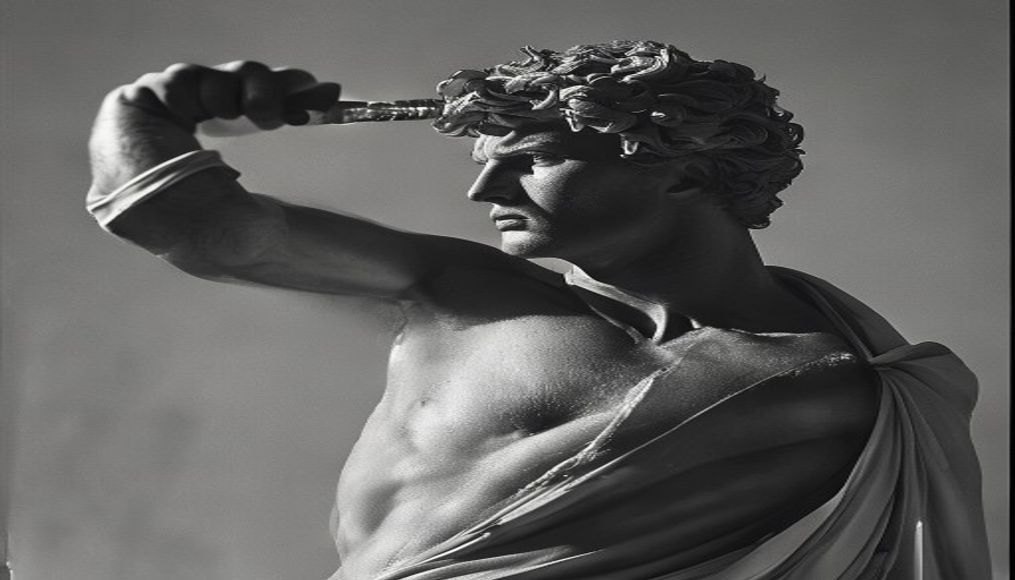
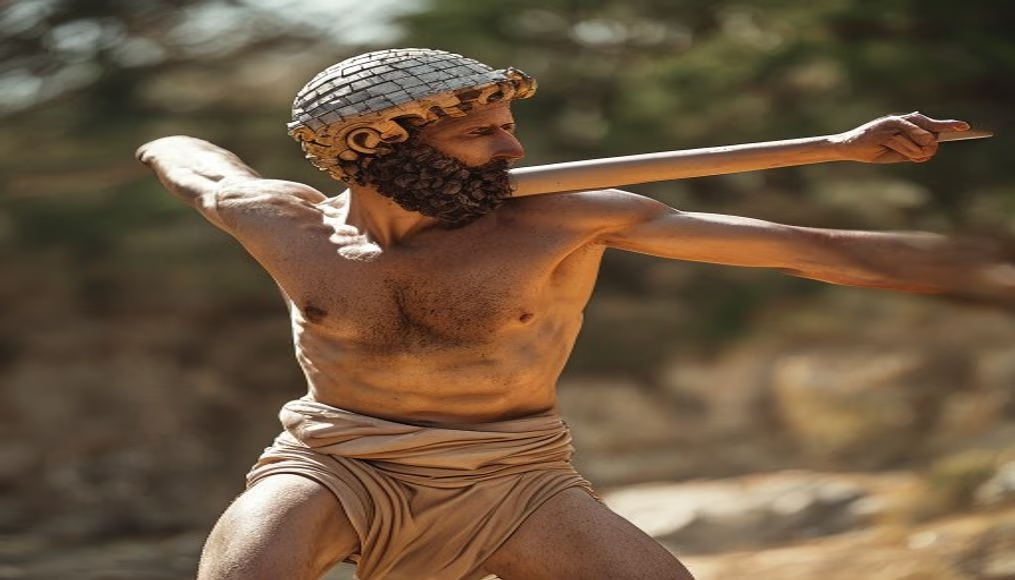
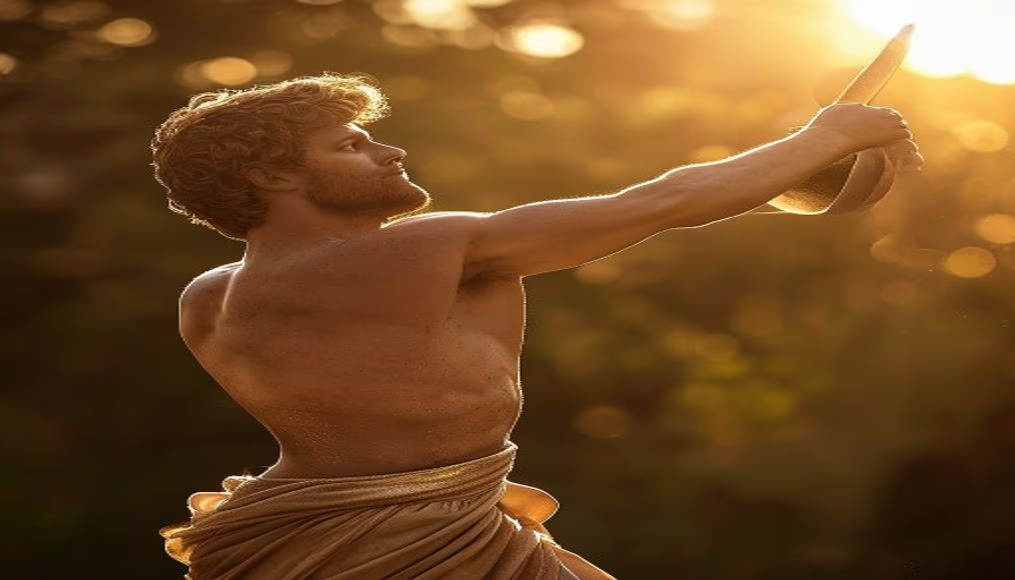
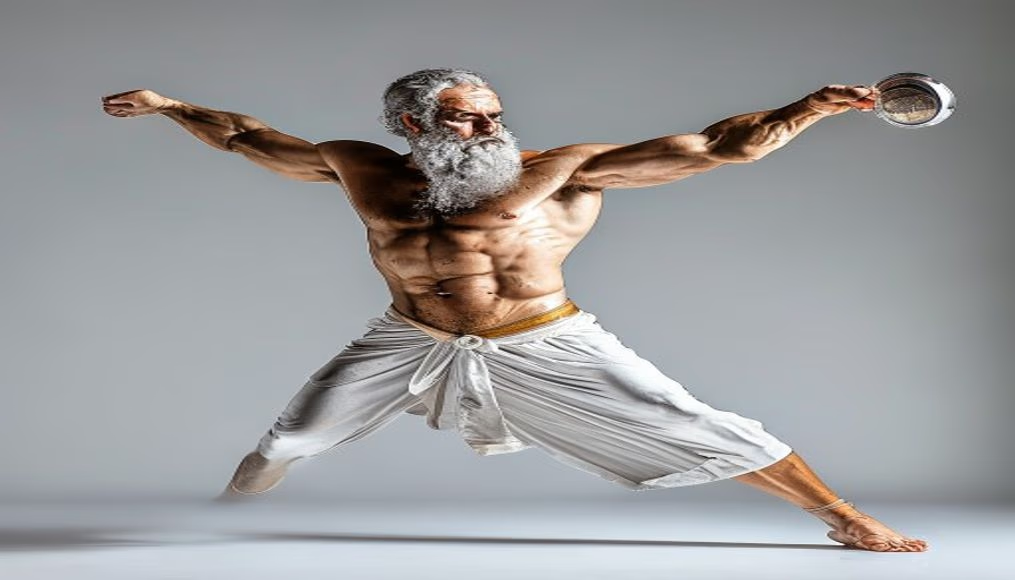
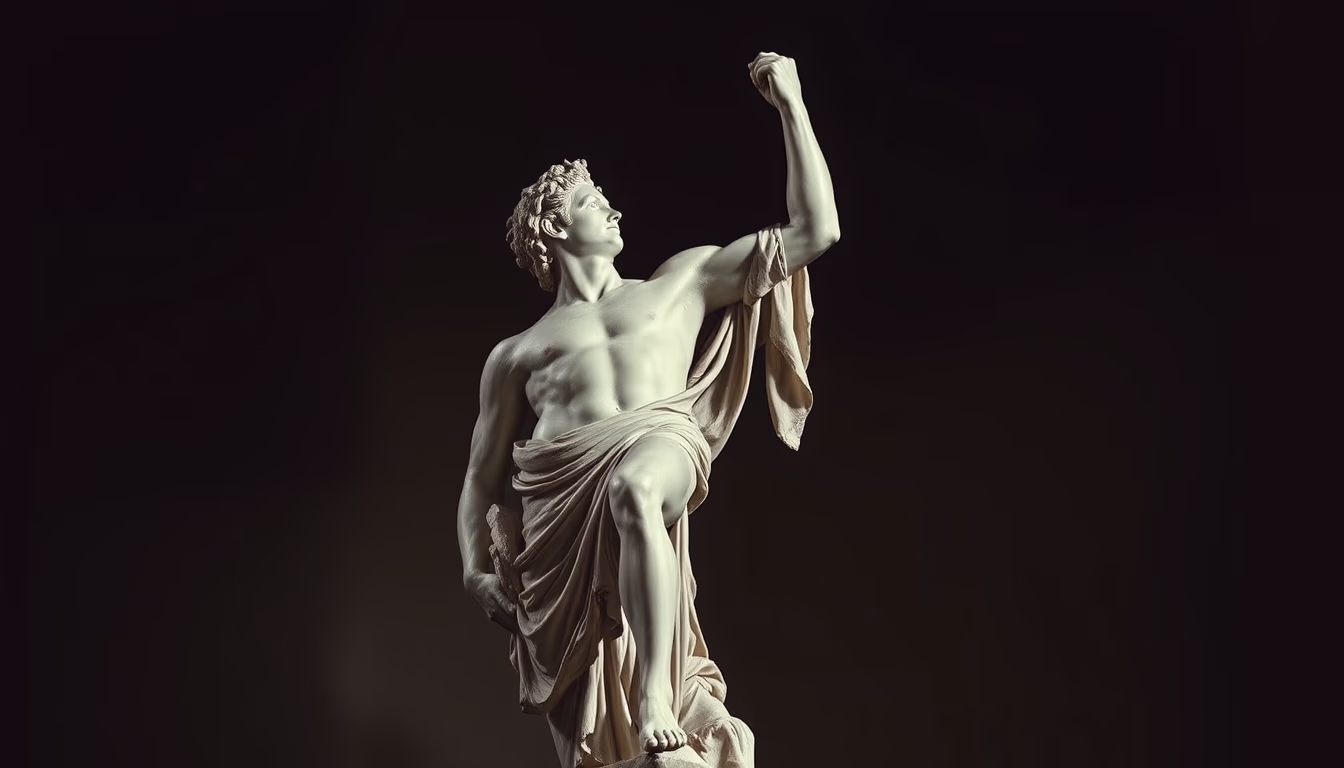
Kouros greek
1344×768 · AVIF · CC BY 4.0

Kouros são estátuas gregas arcaicas de jovens nus, símbolos de beleza idealizada e devoção religiosa entre os séculos VII e V a.C.
Sobre o tema
Os kouroi (plural de kouros) são esculturas da Grécia Antiga produzidas principalmente entre 650 a.C. e 500 a.C., durante o Período Arcaico. Representam jovens do sexo masculino em posição ereta, com braços ao lado do corpo e uma perna ligeiramente à frente, imitando posturas egípcias mas com maior ênfase na musculatura e na simetria. A palavra “kouros” significa “jovem” em grego antigo. Essas estátuas eram frequentemente dedicadas a divindades em santuários, como o de Apolo em Delfos, ou colocadas sobre túmulos como marcadores funerários para celebrar a beleza e a virtude do falecido.
As características formais incluem o sorriso arcaico, um leve sorriso que indicava vitalidade, olhos amendoados e cabelos longos e estilizados em padrões geométricos. O material mais comum era o mármore, embora existam exemplares em bronze, como o famoso Kouros de Críton e Nesiotes. Um dos exemplos mais notáveis é o Kouros de Anavissos, datado de 530 a.C., que mede cerca de 1,94 metro e foi encontrado na Ática. Sua inscrição diz: “Pare e chore junto ao túmulo do morto de Anavissos, o belo”.
A evolução dos kouroi reflete o desenvolvimento da escultura grega: no início, eram blocos rígidos e frontais; com o tempo, ganharam mais naturalismo, com torções sutis e detalhes anatômicos mais realistas. Esse movimento culminou no Estilo Clássico, com obras como o Doríforo. Estudos arqueológicos indicam que os kouroi eram frequentemente pintados com cores vivas, contrastando com a ideia moderna de mármore branco. Hoje, esses vestígios de pigmento ajudam a reconstruir a estética original.
Além da função religiosa e funerária, os kouroi também simbolizavam o ideal de aretê (excelência) grego. Eles representavam a juventude, a força e a beleza perfeitas, valores centrais na sociedade helênica. Muitos exemplares foram encontrados em santuários pan-helênicos, como Olímpia e Delfos, indicando que eram oferendas populares atletas vitoriosos ou cidadãos abastados. O estudo dos kouroi oferece uma janela para as crenças, a arte e a política da Grécia Arcaica.
Perguntas frequentes
Qual a diferença entre um kouros e uma kore?
Kouros refere-se a estátuas de jovens do sexo masculino nu, enquanto kore designa estátuas femininas vestidas com roupas elaboradas. Ambos são típicos do Período Arcaico grego.
Onde os kouroi eram colocados na Grécia Antiga?
Eram colocados em santuários como oferendas a deuses, especialmente Apolo, ou em túmulos como marcadores funerários. Exemplos famosos vêm de Delfos, Olímpia e da Ática.
Por que os kouroi têm um sorriso característico?
O chamado 'sorriso arcaico' não representa emoção real, mas sim uma convenção artística para transmitir vitalidade e a sensação de vida na pedra, comum na escultura grega arcaica.
URL direta
https://pub-c7d6a6ea828543ac903a74a341ccb2e1.r2.dev/imagens/kouros-greek-studio-editorial-portrait-p1.avifComo creditar
Inclua um link visível de volta pro UtilizAí. Copie um dos snippets abaixo:
<a href="https://xn--utiliza-eza.com/midia/imagens/kouros-greek-studio-editorial-portrait-p1">Kouros greek</a> by <a href="https://xn--utiliza-eza.com">UtilizAí</a>, licensed under <a href="https://creativecommons.org/licenses/by/4.0/">CC BY 4.0</a>.
[Kouros greek](https://xn--utiliza-eza.com/midia/imagens/kouros-greek-studio-editorial-portrait-p1) by [UtilizAí](https://xn--utiliza-eza.com), CC BY 4.0
Licença: CC-BY-4.0