Discobolus thrower greek
1344×768 · AVIF · CC BY 4.0

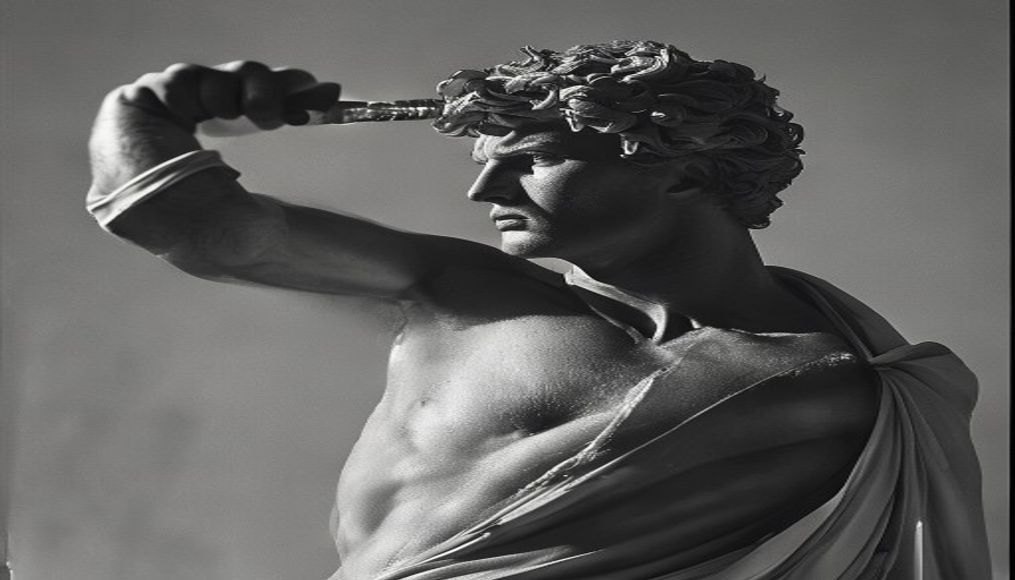
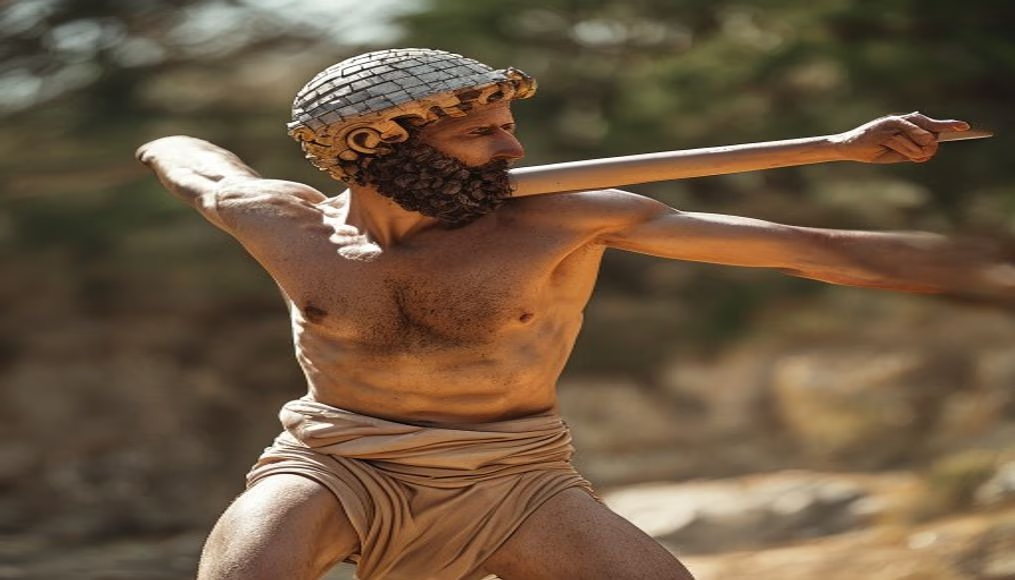
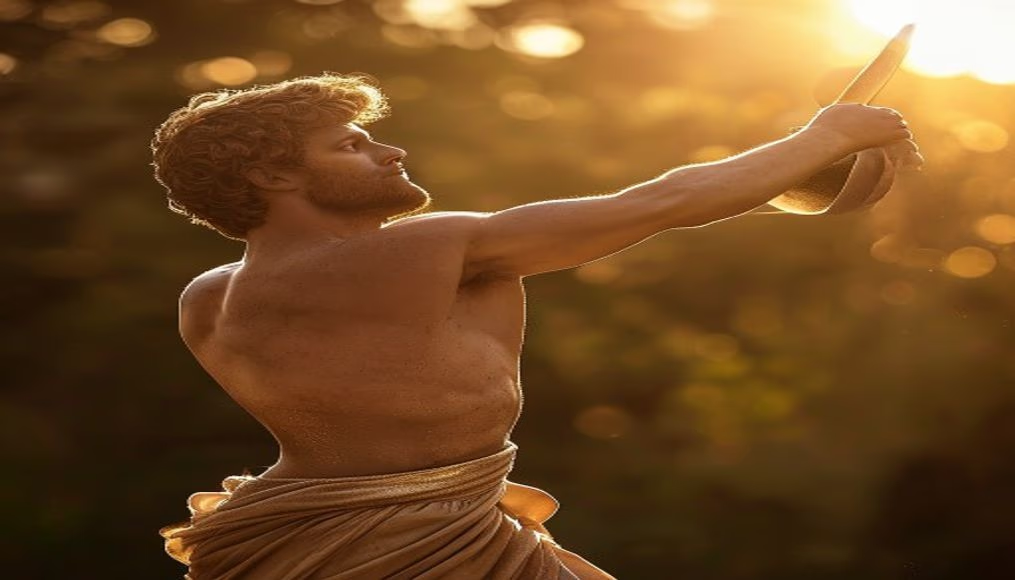
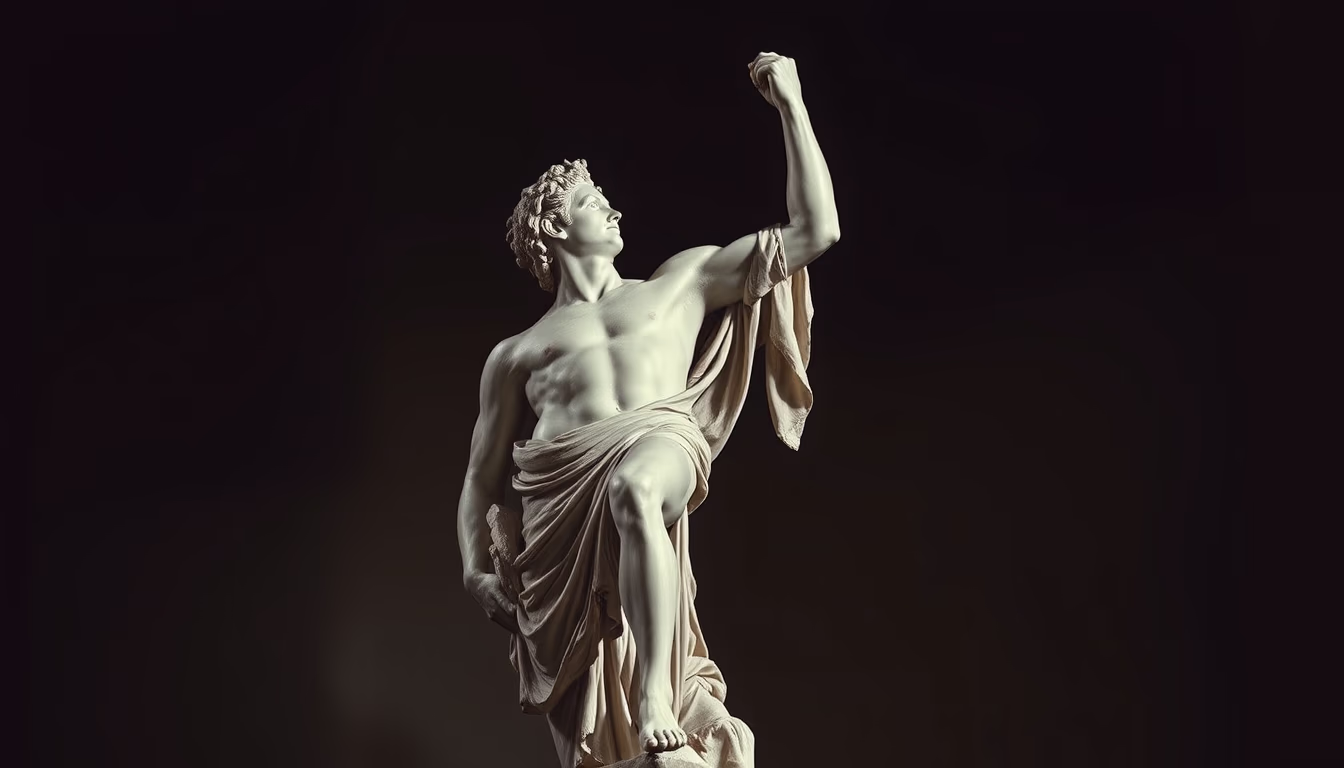
The Discobolus is one of the most iconic sculptures of Classical Greece, capturing an athlete at the precise moment of discus release.
About this subject
The Discobolus, or Discus Thrower, is a Greek sculpture from the Classical period, widely attributed to the sculptor Myron, active around the mid-5th century BCE. The original bronze work, dating to approximately 460-450 BCE, is lost, but several Roman marble copies survive, the most famous being the Palombara Discobolus at the Museo Nazionale Romano and another at the British Museum. The statue depicts a nude young athlete in a dynamic, poised stance, twisting his body backward in preparation to hurl the discus forward. This representation of motion is a landmark in Greek art, demonstrating mastery of human anatomy and the ability to capture a fleeting instant in a static form.
The pose of the Discobolus is a brilliant example of contrapposto, pushed to an extreme of tension and balance. Myron managed to convey the athlete's concentrated energy, frozen at the peak of action, combining a serene facial expression with tense musculature. The work reflects Greek values of arete (excellence) and the celebration of the human body as an ideal of beauty and athletic virtue. The Discobolus is also closely associated with the ancient Olympic Games, where discus throwing was a established event.
After the Renaissance, the Discobolus was rediscovered and went on to influence countless artists, becoming a frequent icon of classical sculpture. Modern copies and adaptations are found in museums and public spaces worldwide. In 1938, a Roman copy was used as an emblem for the Berlin Olympics, reinforcing its timeless connection to sport. To this day, the Discobolus remains a symbol of athletic and artistic perfection from Ancient Greece.
Frequently Asked Questions
Who was the sculptor of the Discobolus and in which period did he live?
The Discobolus was sculpted by Myron, a famous Greek sculptor active around 480-440 BCE, during the early Classical period.
What is the significance of the Discobolus's pose?
The pose captures the moment of maximum tension before the throw, combining balance and movement, reflecting the Greek ideal of harmony between body and mind.
Where can I find an original copy of the Discobolus today?
The original bronze does not survive, but Roman marble copies are housed in museums such as the Museo Nazionale Romano (Palombara) and the British Museum in London.
Direct URL
https://pub-c7d6a6ea828543ac903a74a341ccb2e1.r2.dev/imagens/discobolus-thrower-greek-commercial-product-photography-p0.avifHow to credit
Include a visible link back to UtilizAí. Copy one of the snippets below:
<a href="https://xn--utiliza-eza.com/en/midia/imagens/discobolus-thrower-greek-commercial-product-photography-p0">Discobolus thrower greek</a> by <a href="https://xn--utiliza-eza.com">UtilizAí</a>, licensed under <a href="https://creativecommons.org/licenses/by/4.0/">CC BY 4.0</a>.
[Discobolus thrower greek](https://xn--utiliza-eza.com/en/midia/imagens/discobolus-thrower-greek-commercial-product-photography-p0) by [UtilizAí](https://xn--utiliza-eza.com), CC BY 4.0
License: CC-BY-4.0