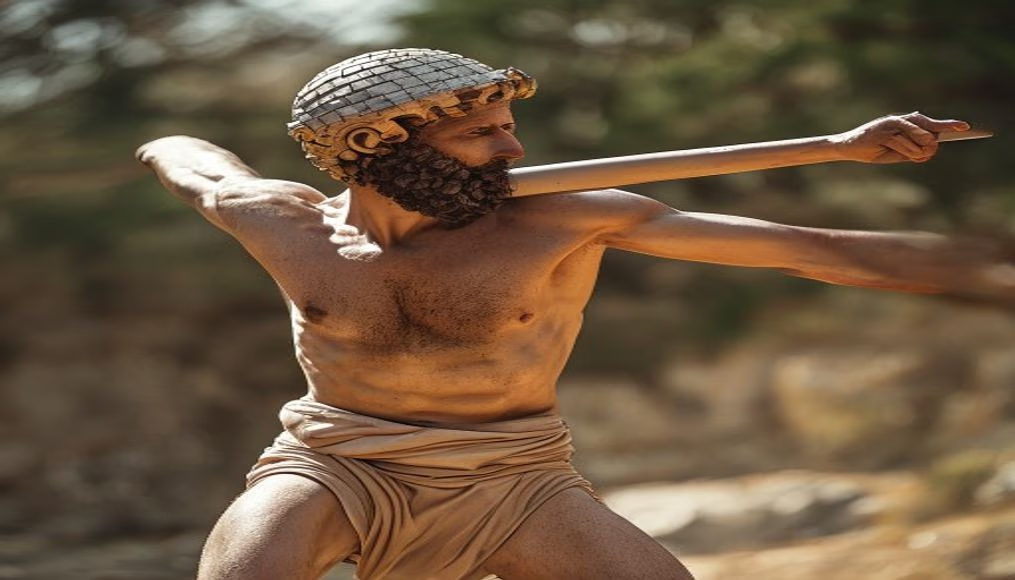
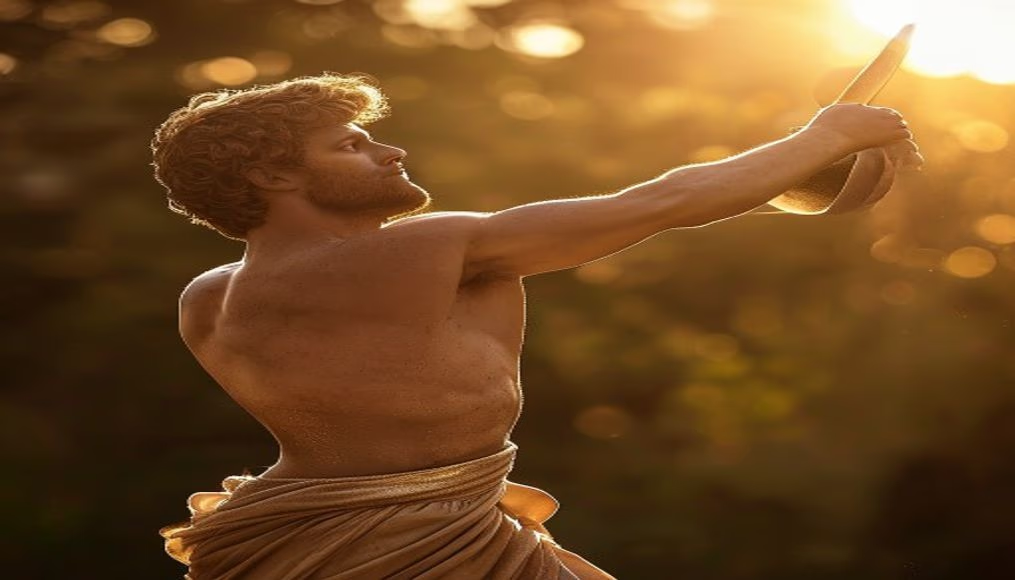
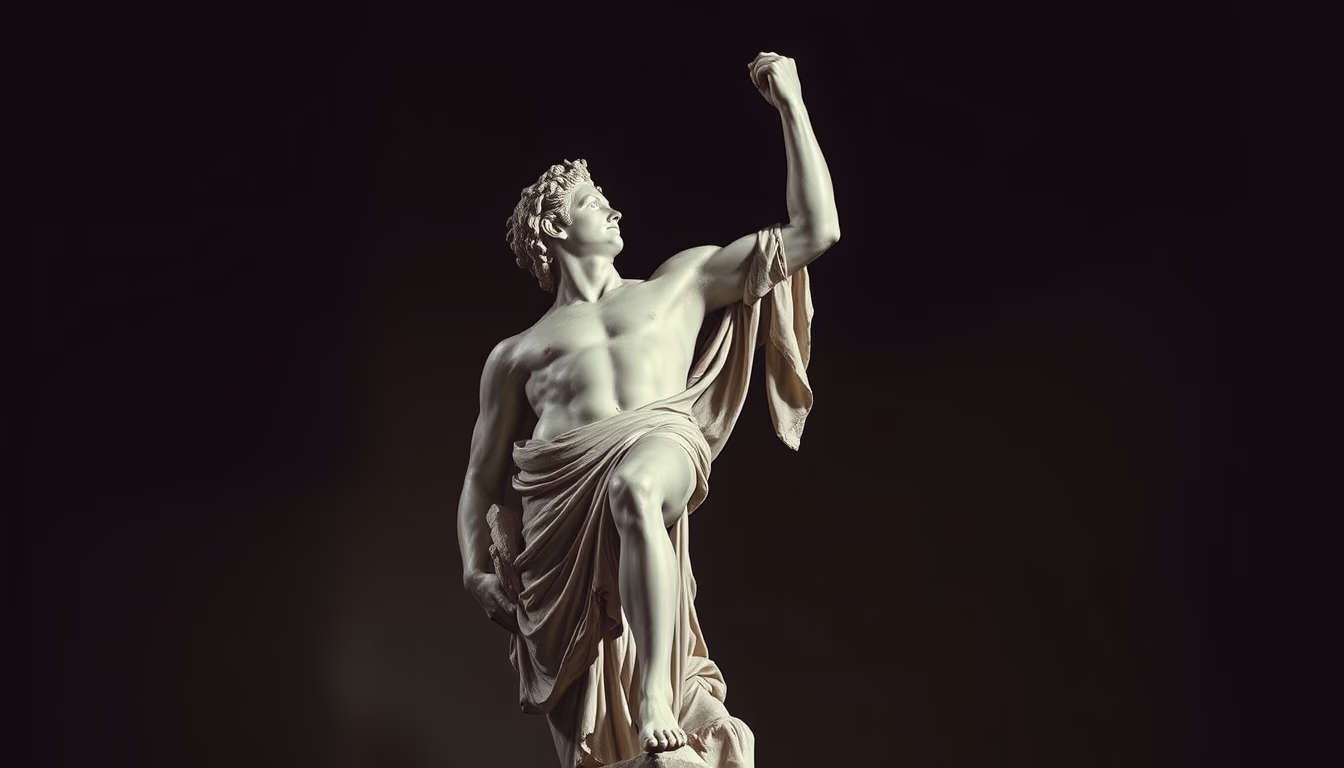
Discobolus thrower greek
1344×768 · JPG · CC BY 4.0
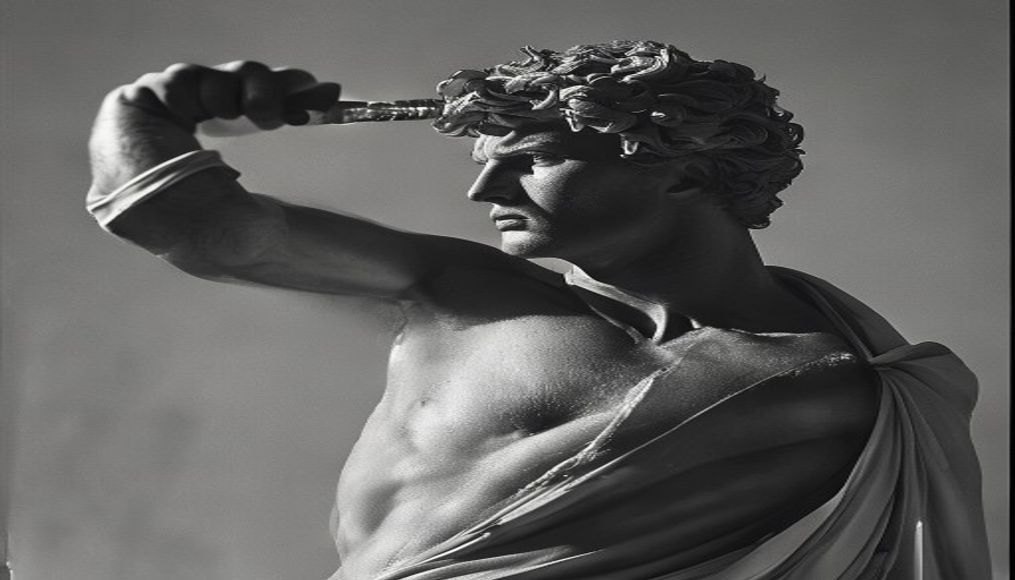
Myron's Discobolus is one of the most iconic sculptures of Ancient Greece, capturing an athlete in mid-action.
About this subject
The Discobolus is a famous Greek sculpture from the Classical period, attributed to the sculptor Myron of Eleutherae, active around 450 BC. The original bronze work was lost over the centuries, but it is known through several Roman marble copies, the most famous being the Lancellotti Discobolus housed at the National Museum of Rome. The sculpture depicts a young athlete at the precise moment he prepares to throw the discus, capturing the balance between tension and movement, an innovation for its time. Myron was among the first sculptors to represent the human body in a dynamic, non-static pose, breaking away from the rigidity of Archaic art.
The discovery of the most famous Roman copy occurred in 1781 on the property of the Lancellotti family in Rome. The work quickly became a symbol of classical art and influenced generations of artists and thinkers, including during the Renaissance. In the 20th century, the Discobolus was adopted as an icon of the modern Olympic Games, appearing in posters and symbols, representing the ideal of the athlete in harmony with aesthetics. Interestingly, ancient discuses were made of stone, metal, or wood, weighing about 2 to 4 kilograms, requiring strength and technique.
The sculpture also attracts interest for its compositional balance. The body's position forms an S-curve, with the right arm extended back and the left arm arched, creating a sense of rotation. Muscles are detailed realistically but still idealized, reflecting the Greek pursuit of physical perfection. Besides the Lancellotti copy, other versions exist in museums such as the Vatican, the British Museum, and the Louvre, each with slight variations. The Discobolus remains one of the most celebrated examples of Greek art and a testament to Myron's technical mastery.
Frequently Asked Questions
Who sculpted the Discobolus and when?
The Discobolus was sculpted by Myron of Eleutherae, a renowned Greek sculptor of the Classical period, around 450 BC.
Where is the most famous copy of the Discobolus located?
The most famous copy, known as the Lancellotti Discobolus, is housed at the National Museum of Rome in Rome, Italy.
Why is the Discobolus important in art history?
It is a milestone for depicting movement realistically and dynamically, innovating by showing the human body in action, breaking away from the static statue typical of Archaic art.
Direct URL
https://pub-c7d6a6ea828543ac903a74a341ccb2e1.r2.dev/imagens/discobolus-thrower-greek-high-fashion-editorial-p3.jpgHow to credit
Include a visible link back to UtilizAí. Copy one of the snippets below:
<a href="https://xn--utiliza-eza.com/en/midia/imagens/discobolus-thrower-greek-high-fashion-editorial-p3">Discobolus thrower greek</a> by <a href="https://xn--utiliza-eza.com">UtilizAí</a>, licensed under <a href="https://creativecommons.org/licenses/by/4.0/">CC BY 4.0</a>.
[Discobolus thrower greek](https://xn--utiliza-eza.com/en/midia/imagens/discobolus-thrower-greek-high-fashion-editorial-p3) by [UtilizAí](https://xn--utiliza-eza.com), CC BY 4.0
License: CC-BY-4.0