Japanese kanji shodo
1344×768 · AVIF · CC BY 4.0
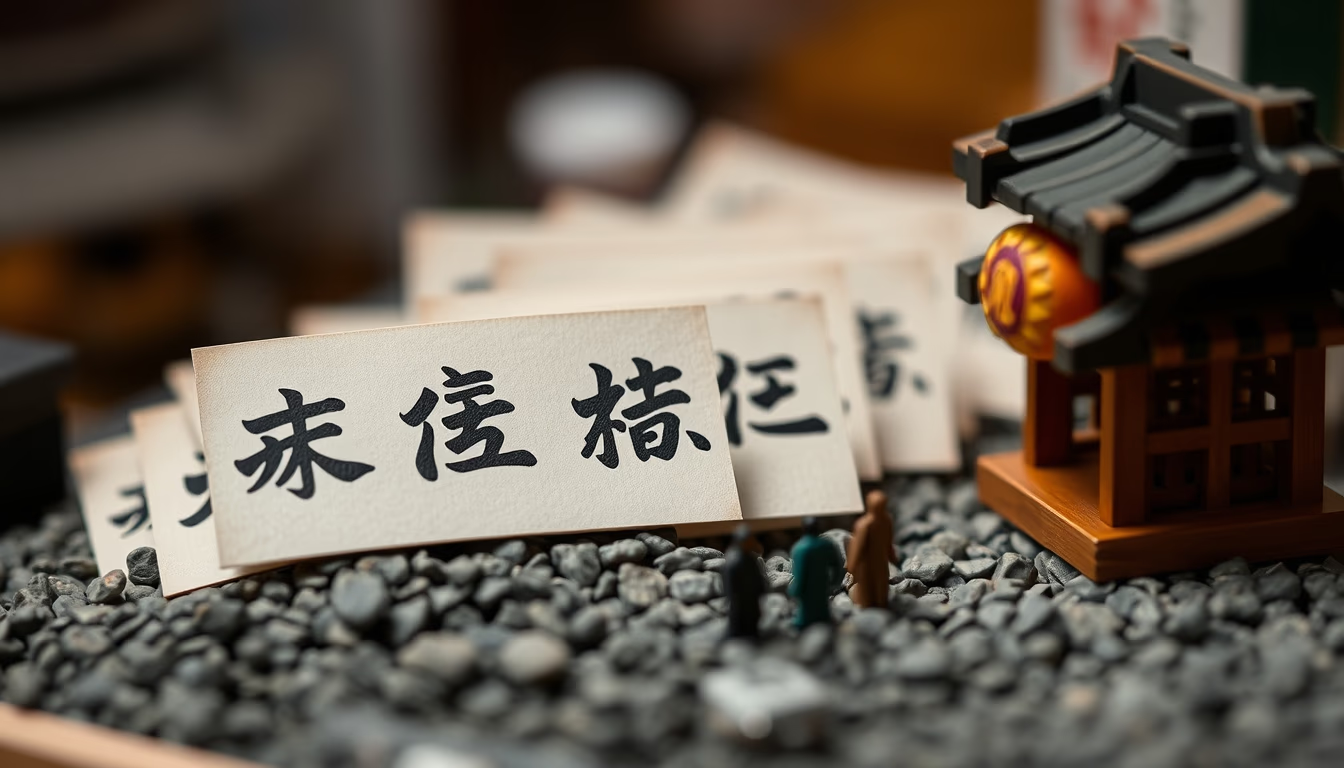
Shodo (Japanese calligraphy with kanji) is a centuries-old art blending technique, spirituality, and aesthetics. Explore its origins and meanings.
About this subject
Shodo, or Japanese calligraphy, is the art of writing kanji characters with brush and sumi ink. Originating in China, it was introduced to Japan in the 6th century along with Buddhism and the Chinese writing system. Over time, the Japanese adapted kanji and developed their own styles, such as kaisho (regular style), gyosho (semi-cursive), and sosho (cursive). Each stroke requires concentration, breath control, and proper posture, reflecting the calligrapher's state of mind.
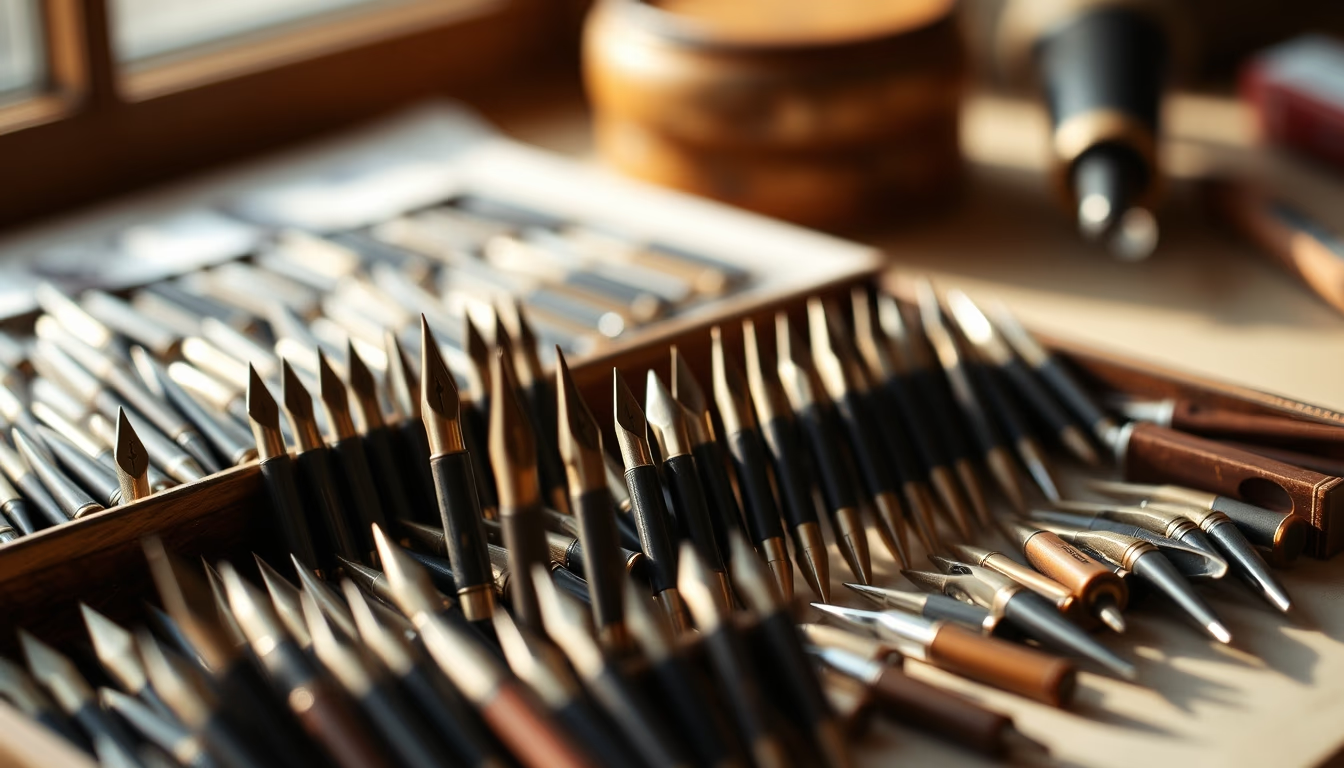
The practice of shodo is not merely technical: it is deeply connected to Zen philosophy. Many masters use calligraphy as a form of meditation, seeking the 'present moment' through each brushstroke. Basic materials include the brush (fude), ink stone (suzuri), sumi ink stick, and washi paper. The choice of brush and applied pressure determine the thickness and fluidity of the lines.
In contemporary Japan, shodo is taught in schools as a compulsory subject, but it is also practiced as a hobby and art form. Calligraphy exhibitions are common, and there are national competitions. Besides kanji, shodo also includes hiragana and katakana characters. Notably, the Tokyo National Museum houses works by famous calligraphers like Kūkai and Ono no Michikaze, considered national treasures.
The tilt-shift miniature effect in the image enhances the perception of scale, but the main focus is the beauty of the fluidly drawn kanji characters. The black-and-white combination is typical, but some works use gold or silver ink on colored paper. Shodo continues to inspire global artists, bridging tradition and modernity.
Frequently Asked Questions
What is needed to practice shodo?
Basic materials include a brush (fude), an ink stone (suzuri), a sumi ink stick, and washi paper. A paperweight (bunchin) and a felt mat (shitajiki) are also helpful.
What are the main styles of shodo?
The three main styles are kaisho (regular style, distinct blocks), gyosho (semi-cursive, simplified strokes), and sosho (cursive, highly abbreviated and fluid).
Is shodo related to meditation?
Yes, practicing shodo is often associated with Zen. Each stroke requires mental presence and breath control, making it a form of active meditation.
Direct URL
https://pub-c7d6a6ea828543ac903a74a341ccb2e1.r2.dev/imagens/japanese-kanji-shodo-tilt-shift-miniature-fresh0.avifHow to credit
Include a visible link back to UtilizAí. Copy one of the snippets below:
<a href="https://xn--utiliza-eza.com/en/midia/imagens/japanese-kanji-shodo-tilt-shift-miniature-fresh0">Japanese kanji shodo</a> by <a href="https://xn--utiliza-eza.com">UtilizAí</a>, licensed under <a href="https://creativecommons.org/licenses/by/4.0/">CC BY 4.0</a>.
[Japanese kanji shodo](https://xn--utiliza-eza.com/en/midia/imagens/japanese-kanji-shodo-tilt-shift-miniature-fresh0) by [UtilizAí](https://xn--utiliza-eza.com), CC BY 4.0
License: CC-BY-4.0