Japanese kanji shodo
1344×768 · AVIF · CC BY 4.0
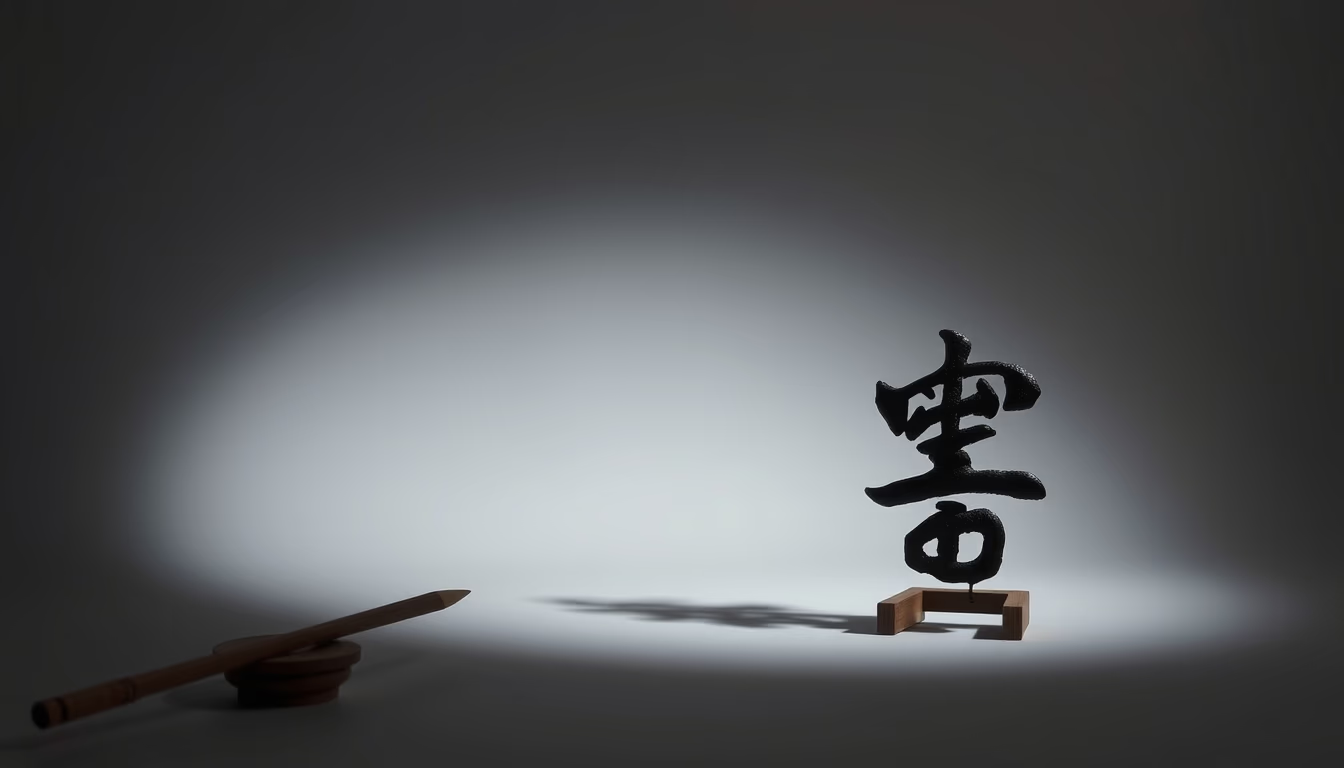
Shodo is the Japanese art of calligraphy using brush and ink, practiced for centuries as a spiritual and aesthetic discipline.
About this subject
Shodo, also known as Japanese calligraphy, is an ancient art form that uses a brush, ink (sumi), and washi paper to write kanji, hiragana, or katakana characters. Originating in China, shodo was introduced to Japan around the 6th century alongside the kanji writing system. Unlike Western calligraphy, shodo emphasizes not only readability but also the expression of movement, energy, and the calligrapher's state of mind at the moment of writing. Strokes can be thick or thin, fast or slow, reflecting the flow of ki (life energy).
Practitioners of shodo spend years perfecting basic techniques such as brush (fude) control and the pressure applied to the paper. There are several calligraphic styles: kaisho (regular, formal style), gyosho (semi-cursive style), and sosho (cursive, free-flowing style). Each kanji character has a specific stroke order that must be strictly followed to maintain form and balance. Shodo is also often practiced as a form of meditation, as it requires complete concentration and controlled breathing.
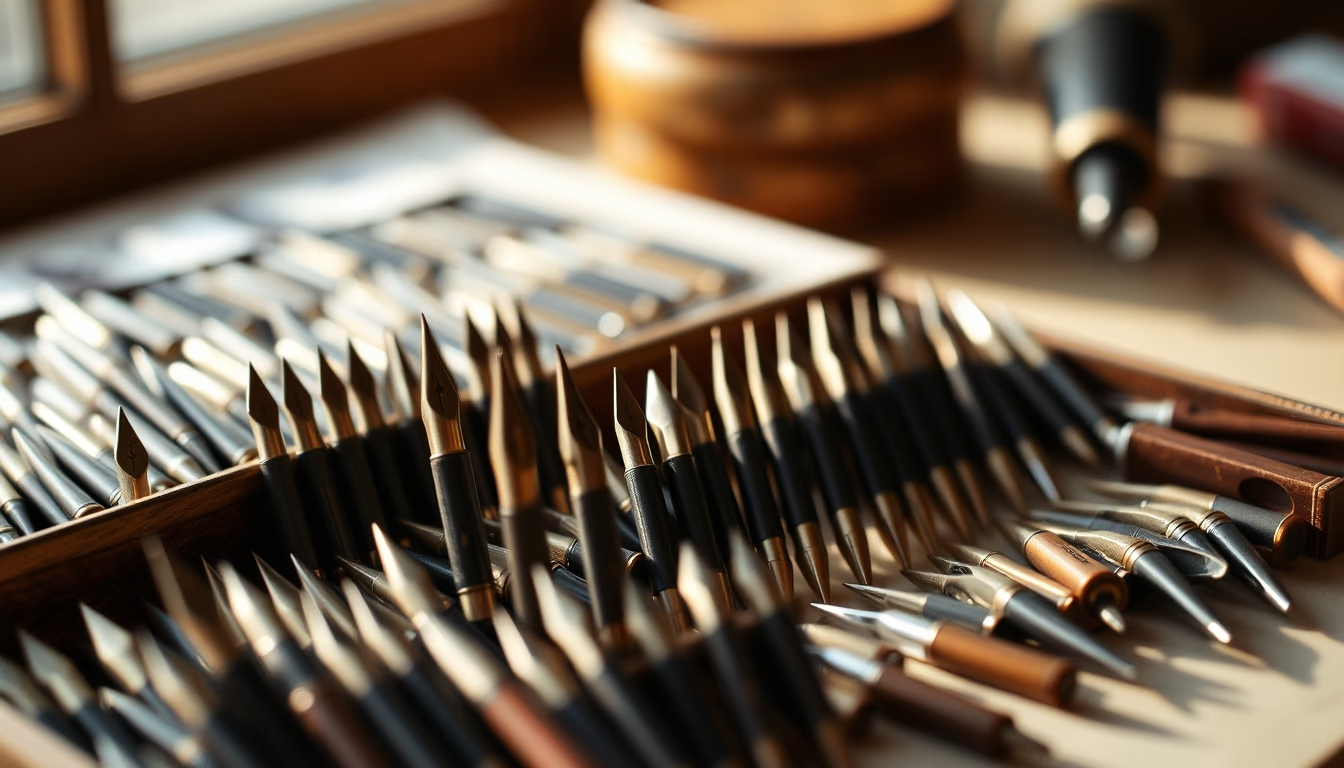
The central tool of shodo is the brush, traditionally made from goat, horse, or wolf hair. Sumi ink is produced from charcoal soot mixed with animal glue, ground on a suzuri (ink stone) with water. Washi paper, made from mulberry fibers, has a porous texture that absorbs ink uniquely. Many shodo works are accompanied by red seals (hanko) bearing the artist's name, adding a decorative and authenticating element.
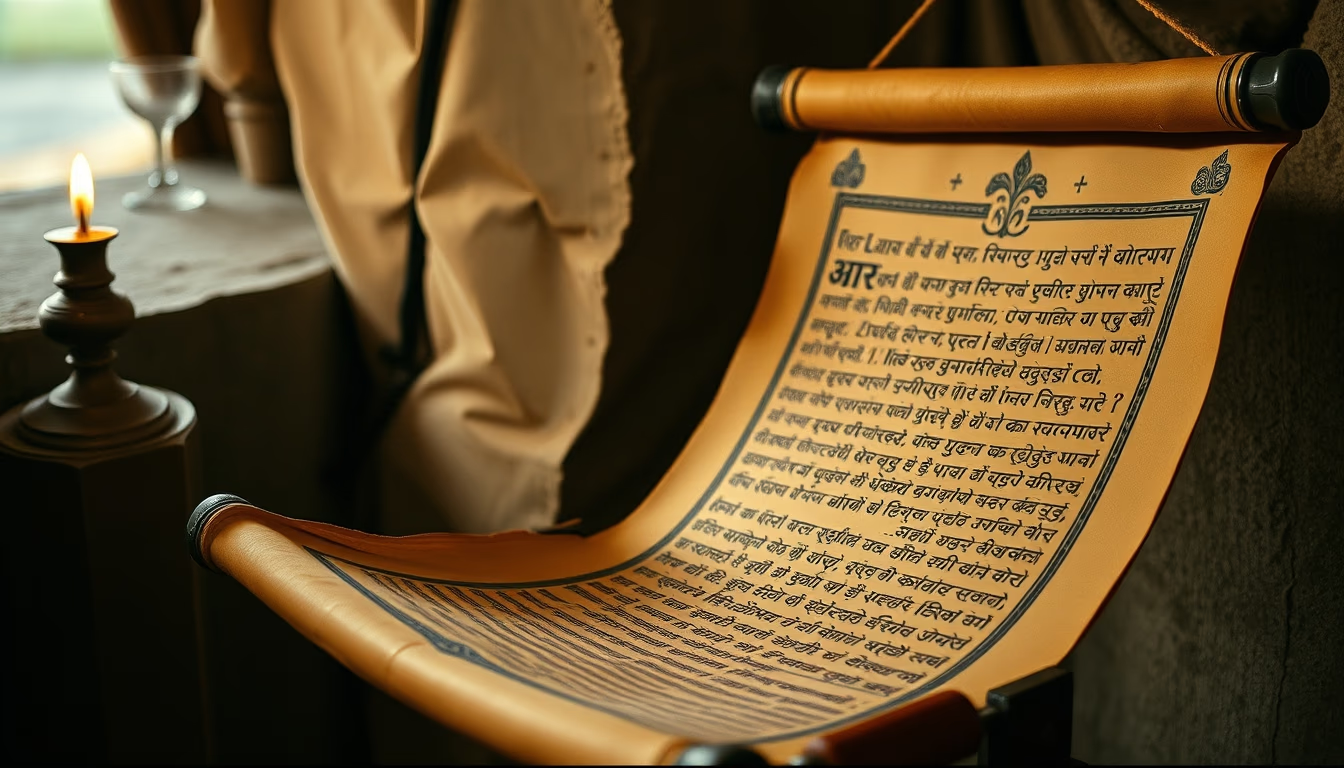
Today, shodo is taught in Japanese schools as part of the curriculum and is also practiced by enthusiasts worldwide. Calligraphy exhibitions and competitions are common, and shodo pieces can be found in temples, shrines, and homes, often mounted on emakimono (scrolls) or frames. Appreciation of shodo goes beyond the literal meaning of the characters; harmony, rhythm, and the personality imbued in each stroke are highly valued.
Frequently Asked Questions
What is the difference between shodo and Western calligraphy?
Shodo emphasizes the expression of movement and life energy (ki) through strokes, while Western calligraphy focuses more on legibility and uniform letter shapes. Additionally, shodo uses a brush, sumi ink, and washi paper, and stroke order is fundamental.
What are the main styles of shodo?
The main styles are kaisho (regular, more formal), gyosho (semi-cursive), and sosho (cursive, free-flowing). Each style requires different brush techniques and skill levels.
Is shodo practiced only in Japan?
Although it originated in Japan, shodo is practiced worldwide by enthusiasts and artists. In Japan, it is taught in schools and is part of traditional culture, but there are associations and courses in many countries.
Direct URL
https://pub-c7d6a6ea828543ac903a74a341ccb2e1.r2.dev/imagens/japanese-kanji-shodo-studio-still-life-fresh16.avifHow to credit
Include a visible link back to UtilizAí. Copy one of the snippets below:
<a href="https://xn--utiliza-eza.com/en/midia/imagens/japanese-kanji-shodo-studio-still-life-fresh16">Japanese kanji shodo</a> by <a href="https://xn--utiliza-eza.com">UtilizAí</a>, licensed under <a href="https://creativecommons.org/licenses/by/4.0/">CC BY 4.0</a>.
[Japanese kanji shodo](https://xn--utiliza-eza.com/en/midia/imagens/japanese-kanji-shodo-studio-still-life-fresh16) by [UtilizAí](https://xn--utiliza-eza.com), CC BY 4.0
License: CC-BY-4.0