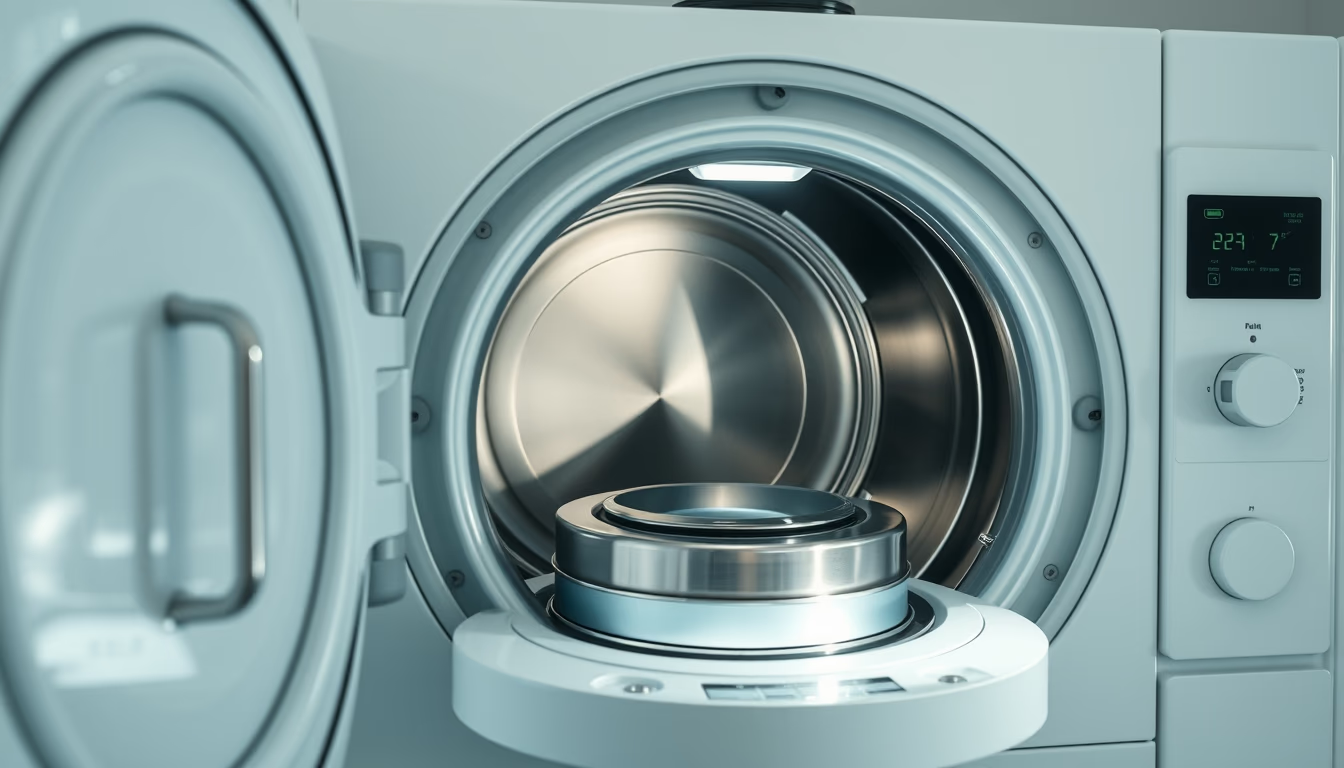
Incubator lab petri
1344×768 · AVIF · CC BY 4.0
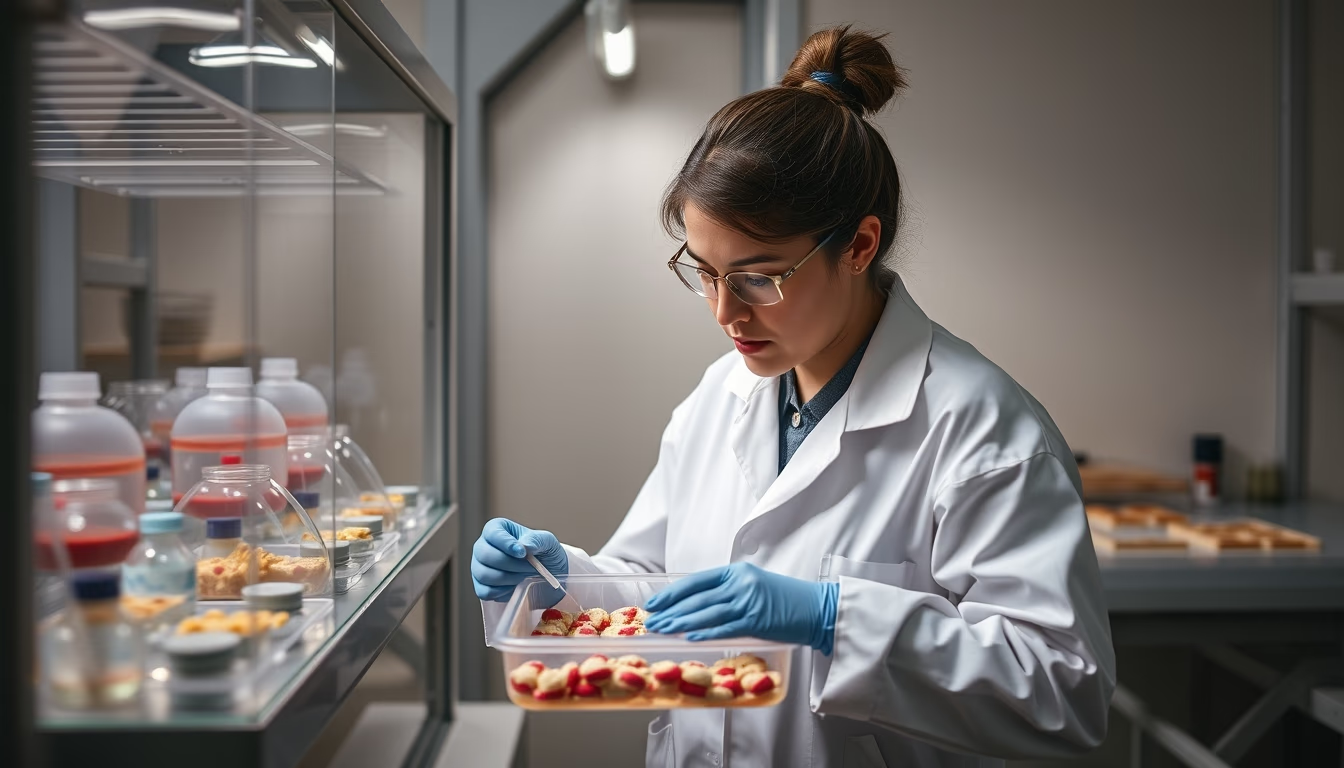
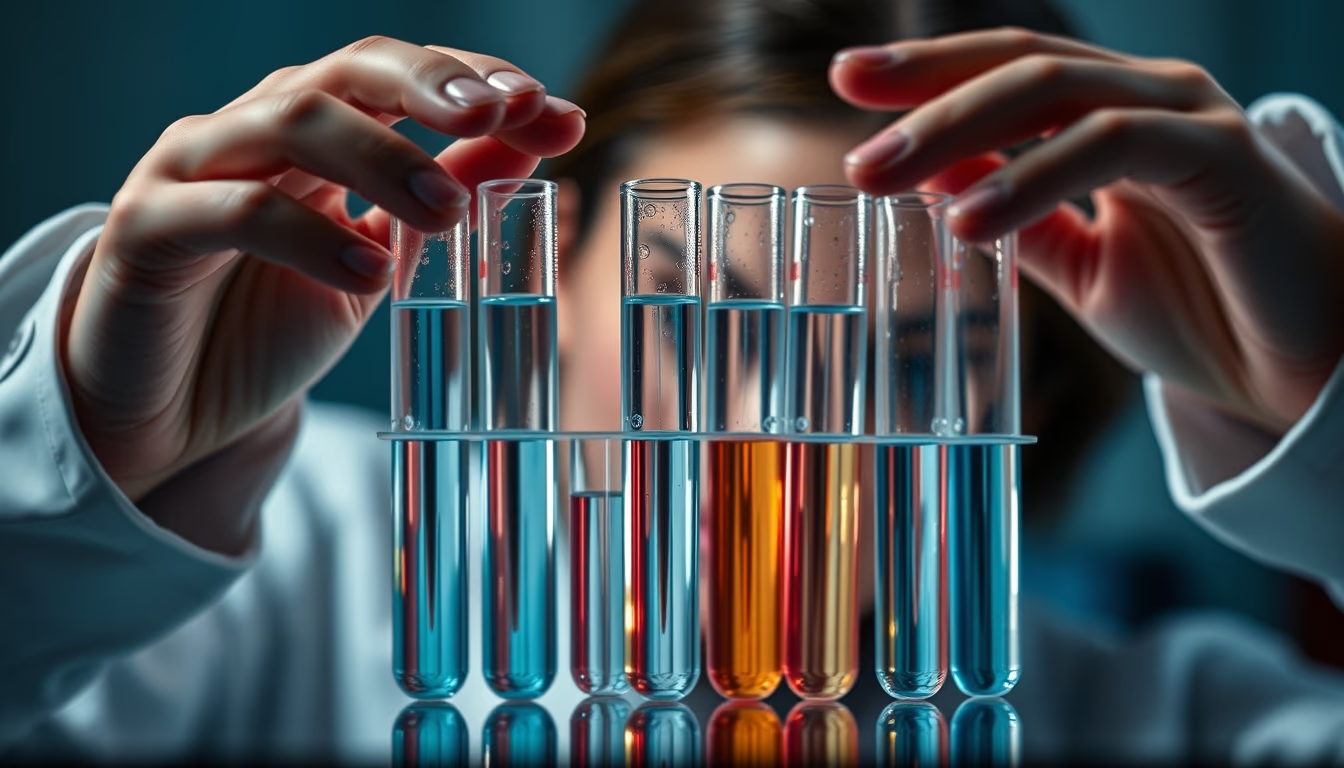
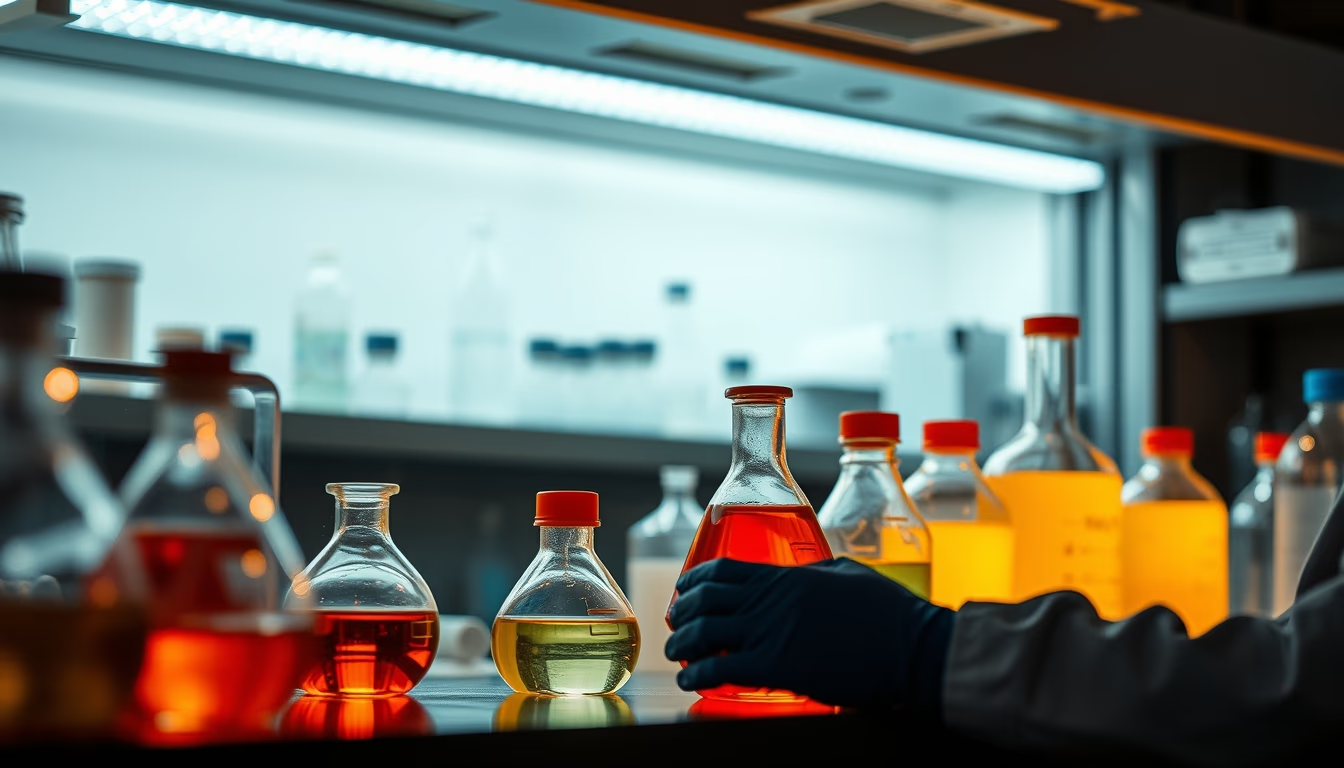
Laboratory incubator with petri dishes is essential equipment for microorganism culture in scientific research.
About this subject
A laboratory incubator is an equipment designed to maintain controlled environmental conditions such as temperature, humidity, and, in advanced models, CO2 concentration. It is primarily used for the cultivation of microorganisms, cells, and tissues in petri dishes, test tubes, or culture flasks. The basic principle is to provide a stable and favorable environment for the growth of living organisms, replicating ideal conditions for metabolic processes.
In microbiology, the incubator is indispensable for isolating and identifying bacteria, fungi, and yeasts. Petri dishes containing specific culture media (such as blood agar or MacConkey agar) are placed inside the equipment and kept at temperatures depending on the target microorganism. For example, mesophilic bacteria grow well at 37°C, while filamentous fungi prefer 25°C. Relative humidity is also controlled to prevent the medium from drying out.
Historically, the first incubators were developed in the 19th century. Louis Pasteur and Robert Koch used rudimentary versions, often heated by alcohol lamps. Today, technological advances have produced CO2 incubators that precisely regulate gas atmosphere, essential for animal cell cultures. In hospitals, pharmacies, and universities, these devices are part of daily routines for clinical analysis, drug development, and genetic studies.
An interesting fact: some incubators feature orbital shaking systems, allowing liquid cultivation in flasks. BOD (Biochemical Oxygen Demand) models are used in environmental tests to determine the degradation of organic matter. Regular maintenance, such as sensor calibration and disinfection cleaning, is crucial to avoid cross-contamination and ensure reliable results.
Frequently Asked Questions
How does a laboratory incubator work?
An incubator maintains constant temperature and humidity, often with CO2 control, to create an environment suitable for the growth of microorganisms or cells. The user sets the desired parameters, and the equipment uses electrical heaters and sensors to keep conditions stable.
Which microorganisms can be cultured in petri dishes?
Bacteria, fungi (such as molds and yeasts), algae, and some protozoa can be cultured in petri dishes. The type of culture medium and incubation conditions determine which species will grow.
What is the ideal temperature for bacterial culture?
Most clinically relevant bacteria grow at 37°C (human body temperature). Environmental bacteria may grow at lower temperatures (25°C), while thermophiles require above 50°C. The choice depends on the target microorganism.
Direct URL
https://pub-c7d6a6ea828543ac903a74a341ccb2e1.r2.dev/imagens/incubator-lab-petri-documentary-photography-fresh14.avifHow to credit
Include a visible link back to UtilizAí. Copy one of the snippets below:
<a href="https://xn--utiliza-eza.com/en/midia/imagens/incubator-lab-petri-documentary-photography-fresh14">Incubator lab petri</a> by <a href="https://xn--utiliza-eza.com">UtilizAí</a>, licensed under <a href="https://creativecommons.org/licenses/by/4.0/">CC BY 4.0</a>.
[Incubator lab petri](https://xn--utiliza-eza.com/en/midia/imagens/incubator-lab-petri-documentary-photography-fresh14) by [UtilizAí](https://xn--utiliza-eza.com), CC BY 4.0
License: CC-BY-4.0