Incubator lab petri
1344×768 · AVIF · CC BY 4.0
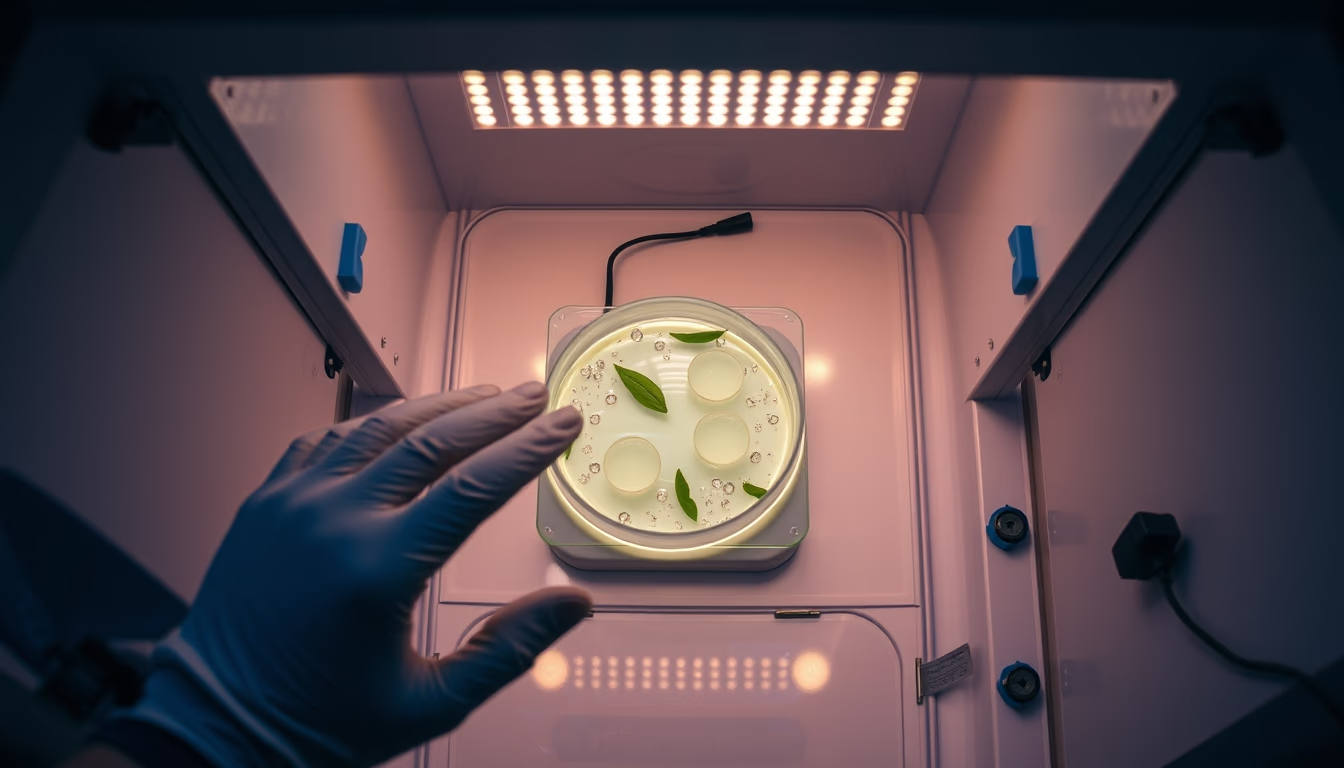
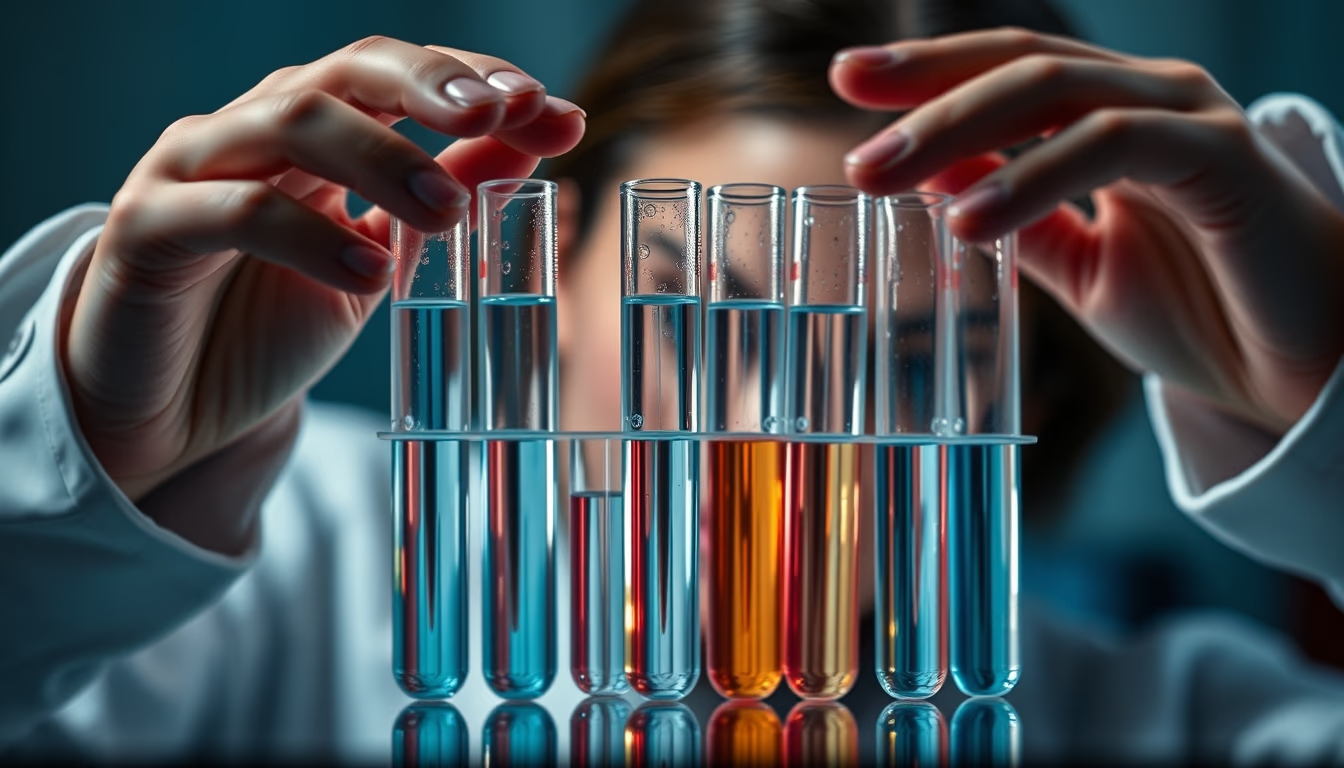
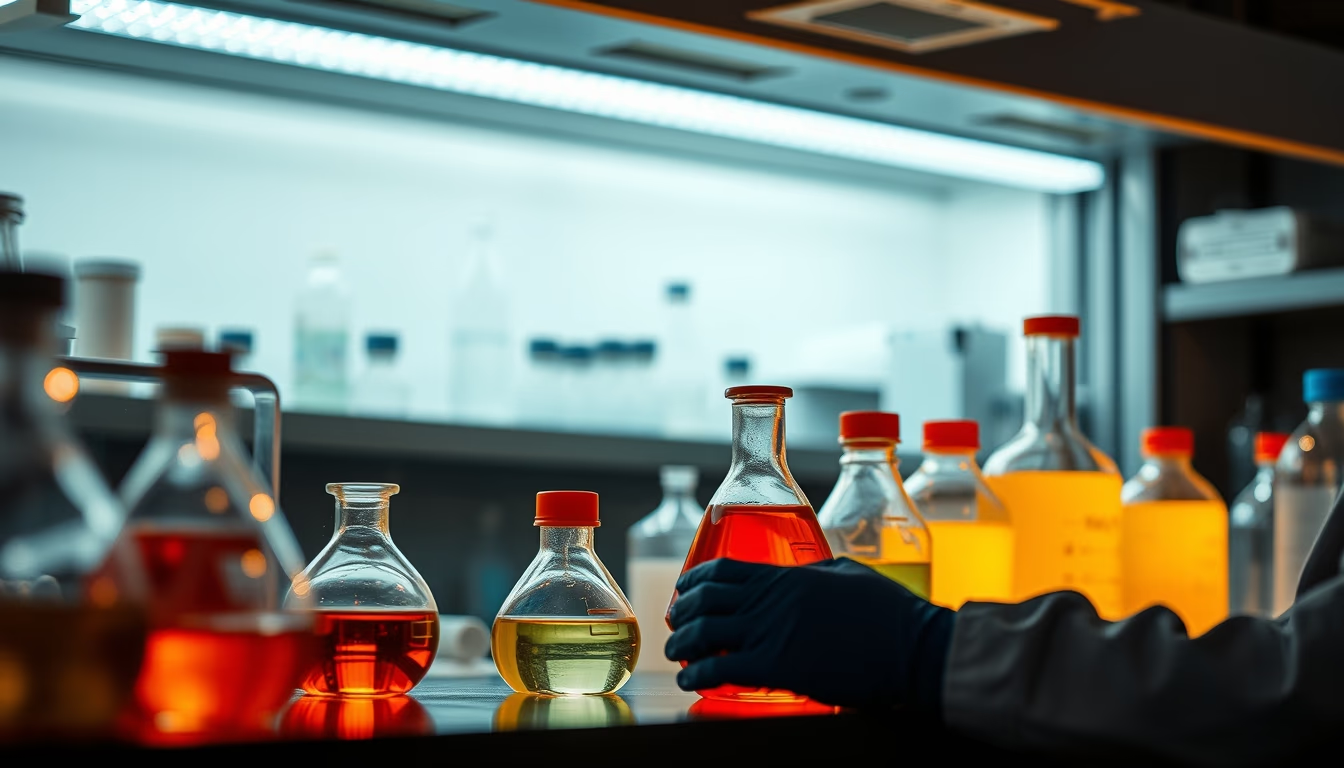
Laboratory incubators and petri dishes are essential tools for microbial cultivation, widely used in microbiology and biomedical research.
About this subject
A laboratory incubator is an equipment that maintains controlled conditions of temperature, humidity, and sometimes gas concentrations like CO2 for the growth of microbial or cell cultures. Petri dishes are shallow, transparent containers, usually made of glass or plastic, that hold a solid or semisolid culture medium. Together, they form the basis of classic microbiology experiments, such as bacterial colony isolation and antibiotic sensitivity tests.
The use of incubators dates back to the late 19th century, when Louis Pasteur and Robert Koch developed pure culture techniques. Today, modern models include CO2 incubators for mammalian cell cultures and shaking incubators for aerobic bacteria. The standard temperature for many pathogenic bacteria is 37°C, mimicking the human body. For yeasts like Saccharomyces cerevisiae, temperatures between 25°C and 30°C are common.
Petri dishes have also evolved: disposable polystyrene dishes dominate the market, but reusable glass dishes are still used in teaching labs. The dish surface can be treated for cell adhesion in eukaryotic cell cultures. In cutting-edge research, such as discovering new antibiotics, thousands of dishes are analyzed in high-throughput screenings.
A curious fact is that the Petri dish was named after the German bacteriologist Julius Richard Petri, who invented it in 1887 as an adaptation of Koch's culture plate. Since then, it has become an icon of microbiology, appearing even in artworks and scientific company logos.
Frequently Asked Questions
What is the ideal temperature for incubating bacteria in the lab?
Most pathogenic bacteria grow well at 37°C, but environmental bacteria may require lower temperatures like 25°C. Common yeasts are incubated between 25°C and 30°C.
How are petri dishes sterilized before use?
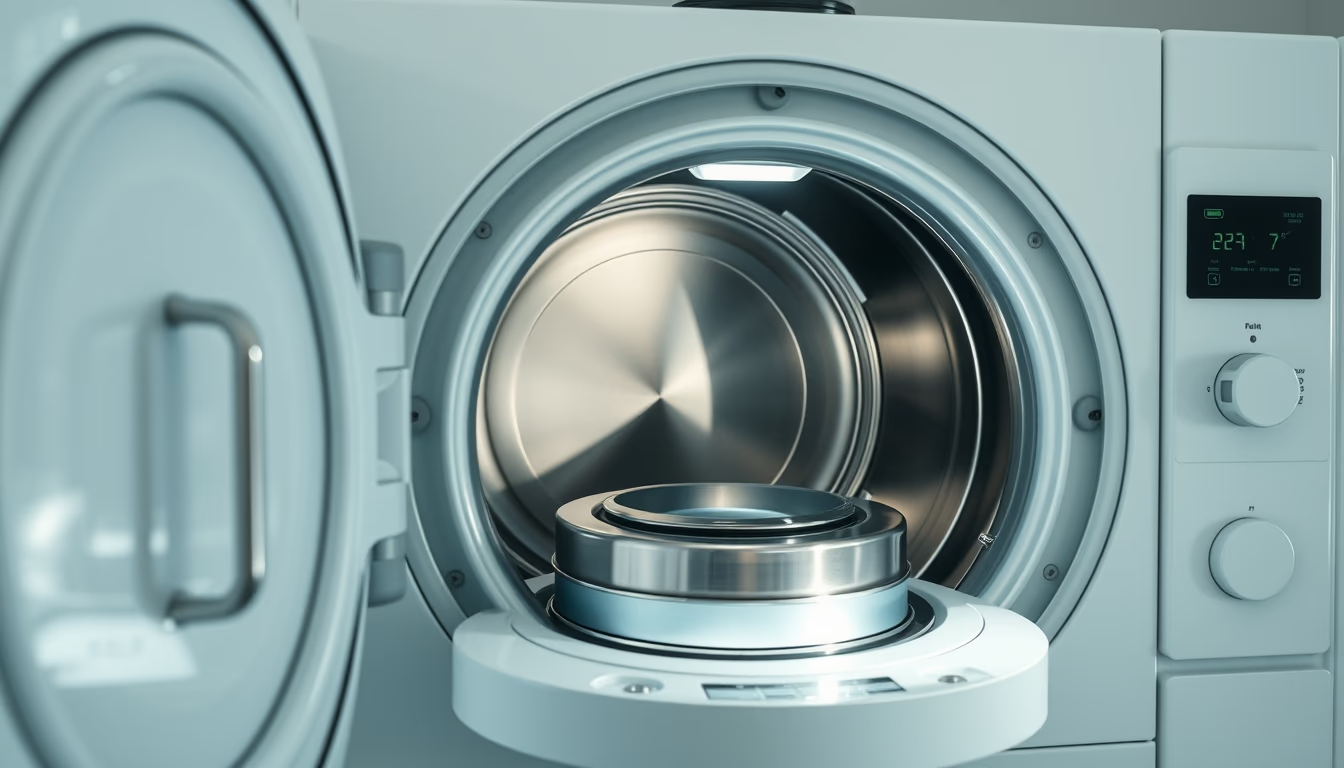
Glass dishes are sterilized in an autoclave at 121°C for 15 minutes. Disposable plastic dishes come sterile from the manufacturer, usually by gamma irradiation.
What is the difference between a CO2 incubator and a regular incubator?
CO2 incubators maintain an atmosphere with 5-10% CO2 to control the pH of the culture medium, essential for mammalian cells. Regular incubators only regulate temperature and sometimes agitation.
Direct URL
https://pub-c7d6a6ea828543ac903a74a341ccb2e1.r2.dev/imagens/incubator-lab-petri-aerial-drone-shot-fresh17.avifHow to credit
Include a visible link back to UtilizAí. Copy one of the snippets below:
<a href="https://xn--utiliza-eza.com/en/midia/imagens/incubator-lab-petri-aerial-drone-shot-fresh17">Incubator lab petri</a> by <a href="https://xn--utiliza-eza.com">UtilizAí</a>, licensed under <a href="https://creativecommons.org/licenses/by/4.0/">CC BY 4.0</a>.
[Incubator lab petri](https://xn--utiliza-eza.com/en/midia/imagens/incubator-lab-petri-aerial-drone-shot-fresh17) by [UtilizAí](https://xn--utiliza-eza.com), CC BY 4.0
License: CC-BY-4.0