Iceland fissure eruption
1344×768 · AVIF · CC BY 4.0
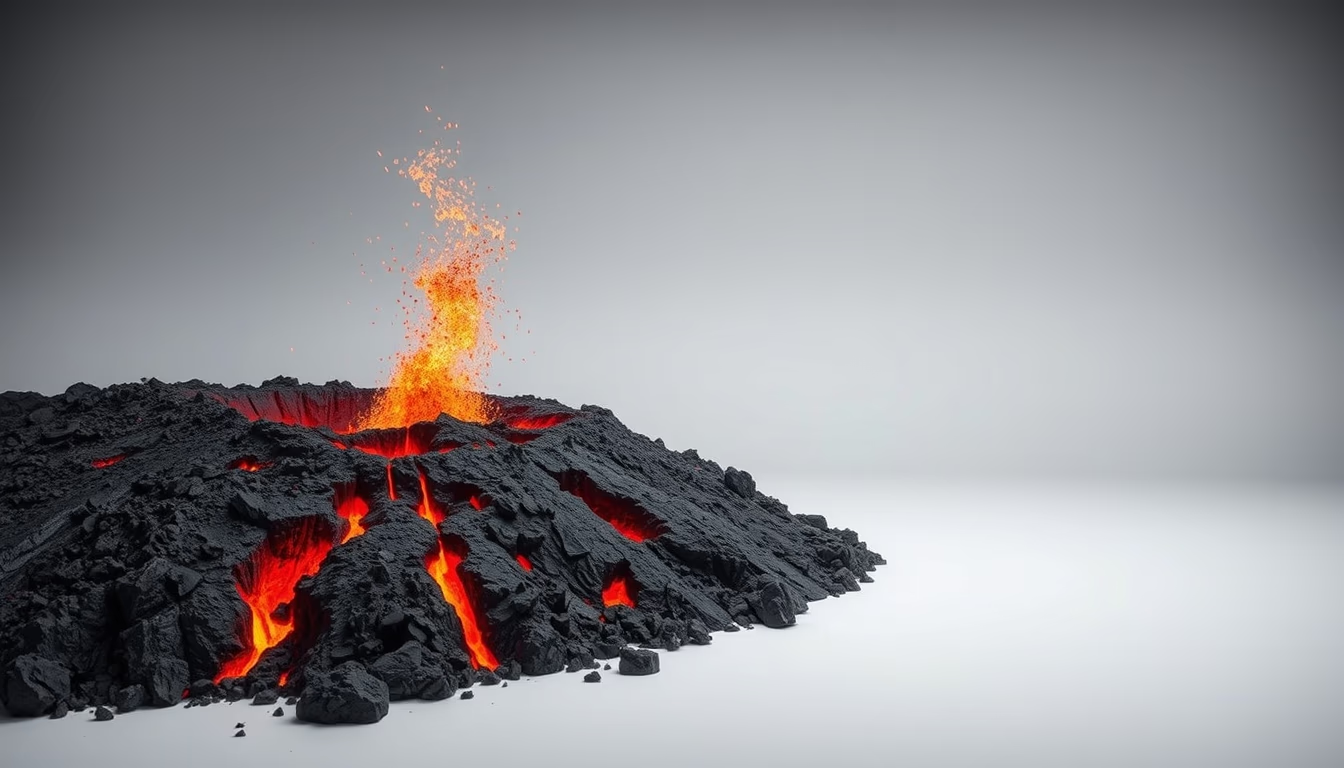
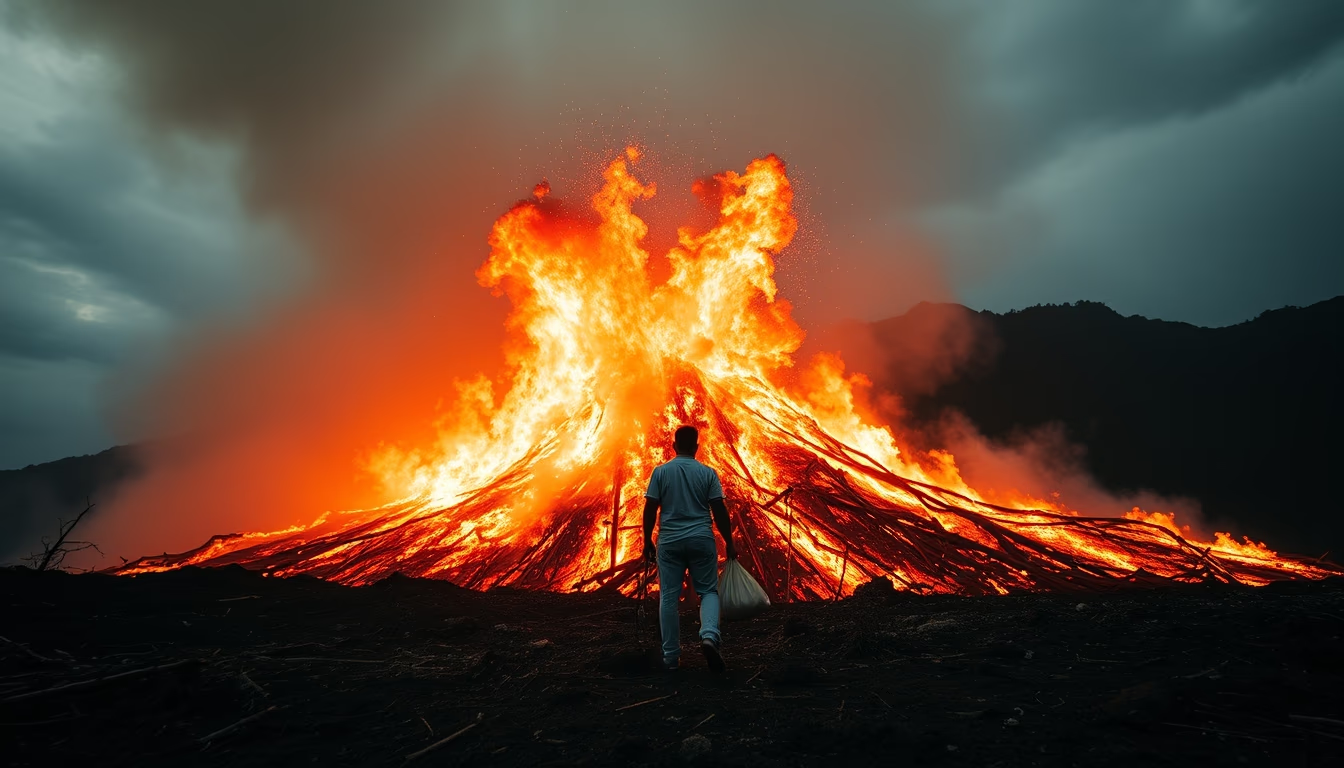
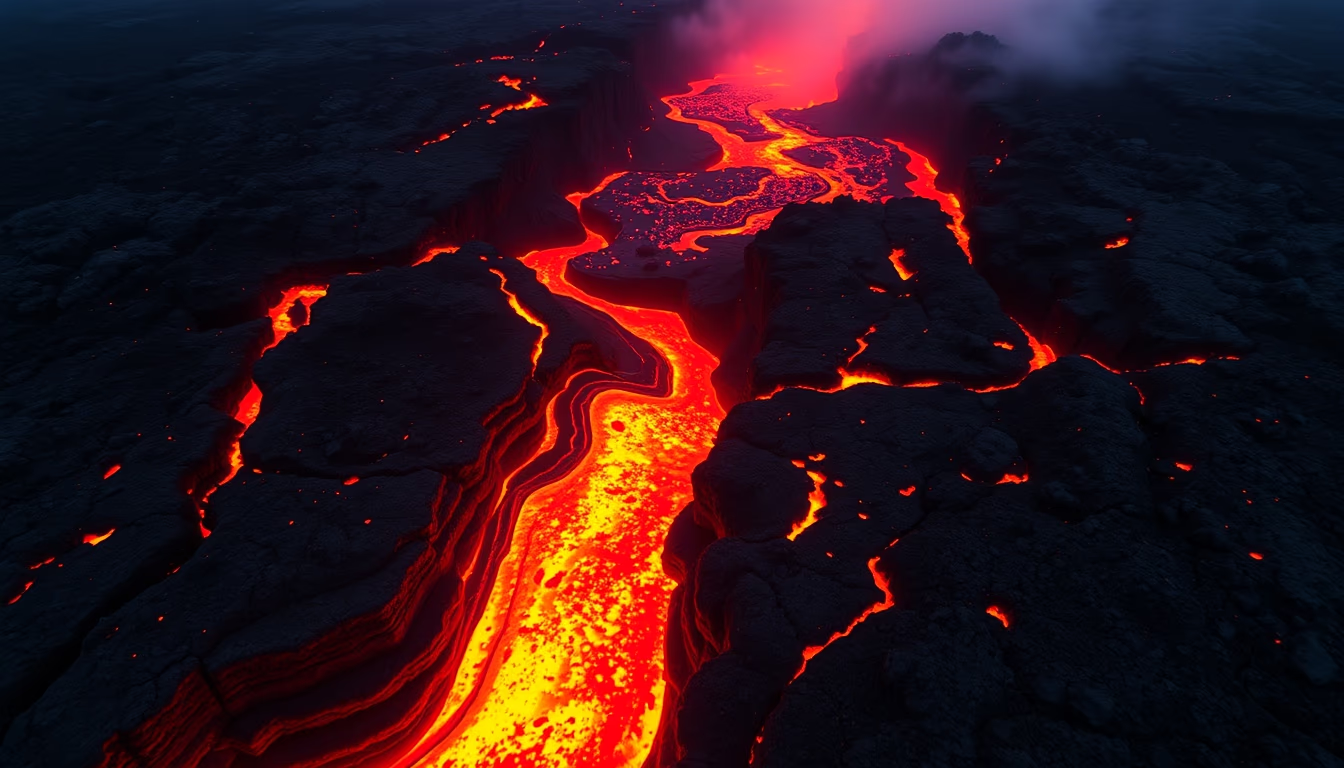
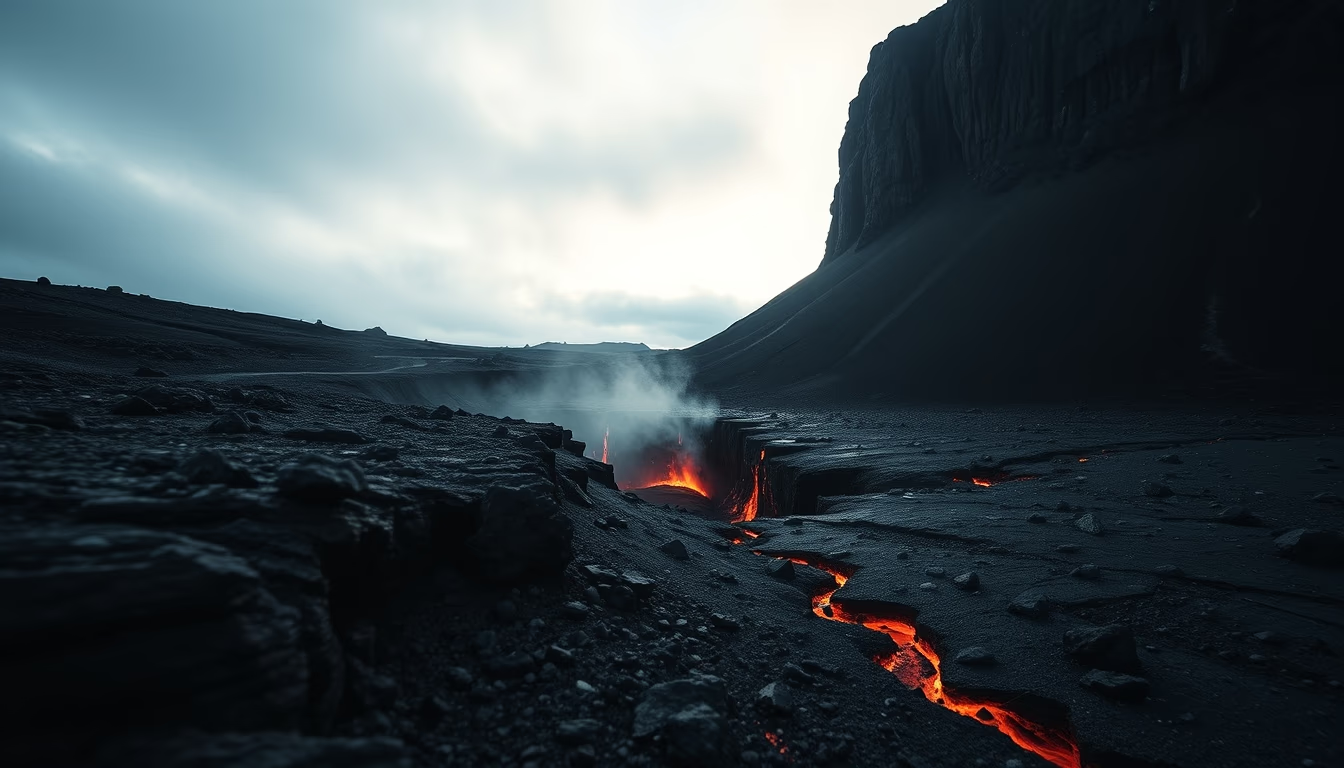
Iceland fissure eruptions are geological phenomena where lava emerges from long ground fractures, shaping vast lava fields.
About this subject
Fissure eruptions, also called curtain-of-fire eruptions, are a hallmark of Icelandic volcanism. Unlike central volcanoes that concentrate activity in a single vent, fissure eruptions occur along fractures tens of kilometers long in the Earth's crust. This eruption type is typical in divergent plate boundary settings, such as the Mid-Atlantic Ridge which runs through Iceland. The island hosts several volcanic systems with histories of fissure eruptions, including the Bárðarbunga-Veiðivötn system and the Grímsvötn-Laki system.
The most famous fissure eruption in history occurred in 1783-1784 on the Laki fissure in southern Iceland. Over eight months, a series of vents along 27 km released about 14 km³ of basaltic lava and enormous amounts of toxic gases, including sulfur dioxide and fluorine. The consequences were catastrophic: air pollution killed approximately 9,000 Icelanders (more than 20% of the population) and decimated sheep and horse herds. The event also affected global climate, lowering temperatures in the Northern Hemisphere for several years.
More recently, in 2014-2015, the Bárðarbunga system produced the Holuhraun fissure eruption, the largest in Iceland since Laki. Over six months, the eruption covered 85 km² with lava and released large quantities of sulfur dioxide, affecting air quality in Iceland and parts of Europe. Scientific studies during this event improved understanding of fissure eruption dynamics, including the formation of scoria cones and subsurface fracture propagation.
Icelandic fissure eruptions are constantly monitored by the Icelandic Meteorological Office and international agencies due to risks to aviation (volcanic ash) and public health (gases). Despite the hazards, they also offer unique research opportunities and attract tourists eager to witness the creation of new crust. The resulting landscapes, vast lava fields often covered with moss, are among the country's most iconic scenery.
Frequently Asked Questions
What causes fissure eruptions in Iceland?
Fissure eruptions in Iceland are caused by the pulling apart of the North American and Eurasian tectonic plates along the Mid-Atlantic Ridge. Basaltic magma rises through fractures in the crust, feeding linear eruptions.
What was the most devastating fissure eruption in Iceland?
The Laki eruption (1783-1784) was the most devastating, releasing huge amounts of lava and toxic gases. It is estimated to have killed about 9,000 people and caused widespread famine, as well as impacting the global climate.
Do fissure eruptions pose a danger to aviation?
Yes, fissure eruptions can produce large volcanic ash plumes that affect aviation. The 2010 Eyjafjallajökull eruption, though from a central volcano, demonstrated the risk; fissures like Laki can also emit ash, though less frequently.
Direct URL
https://pub-c7d6a6ea828543ac903a74a341ccb2e1.r2.dev/imagens/iceland-fissure-eruption-studio-still-life-fresh6.avifHow to credit
Include a visible link back to UtilizAí. Copy one of the snippets below:
<a href="https://xn--utiliza-eza.com/en/midia/imagens/iceland-fissure-eruption-studio-still-life-fresh6">Iceland fissure eruption</a> by <a href="https://xn--utiliza-eza.com">UtilizAí</a>, licensed under <a href="https://creativecommons.org/licenses/by/4.0/">CC BY 4.0</a>.
[Iceland fissure eruption](https://xn--utiliza-eza.com/en/midia/imagens/iceland-fissure-eruption-studio-still-life-fresh6) by [UtilizAí](https://xn--utiliza-eza.com), CC BY 4.0
License: CC-BY-4.0