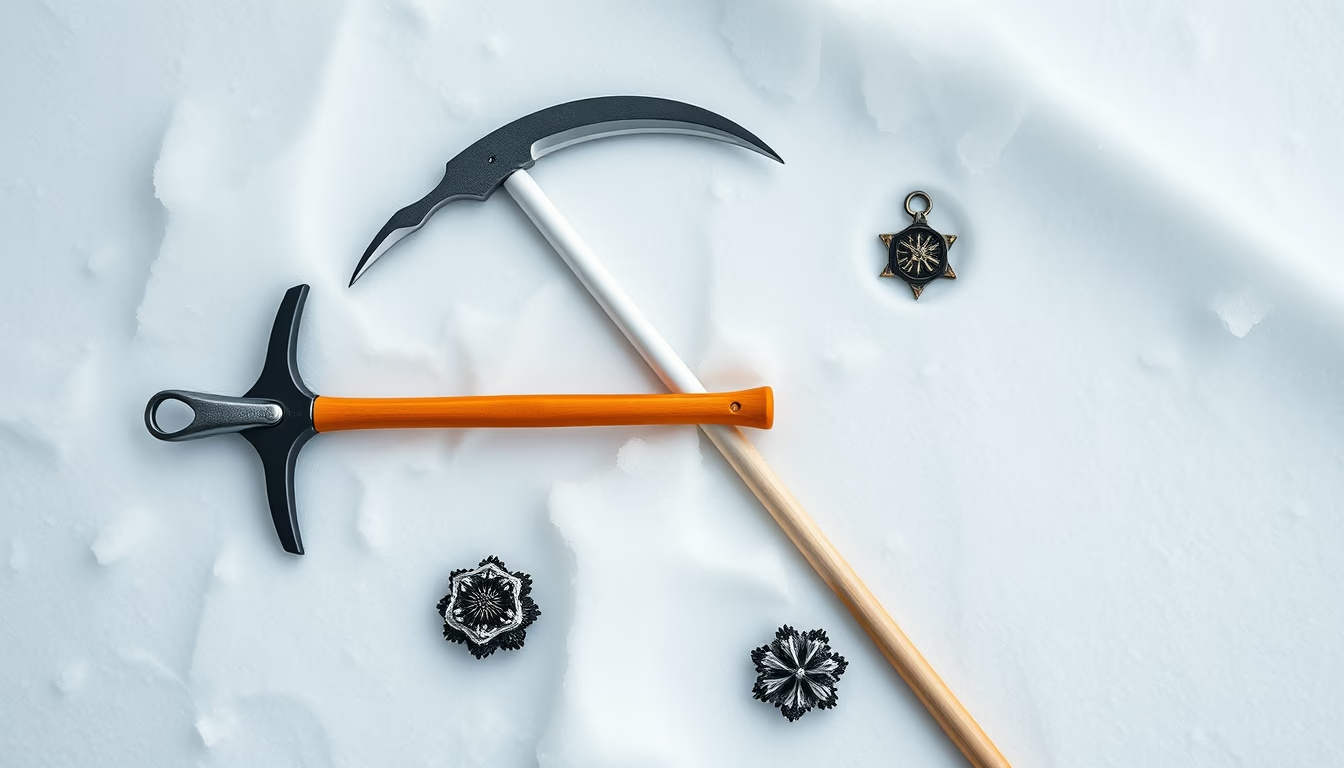
Ice axe alpine
1344×768 · AVIF · CC BY 4.0
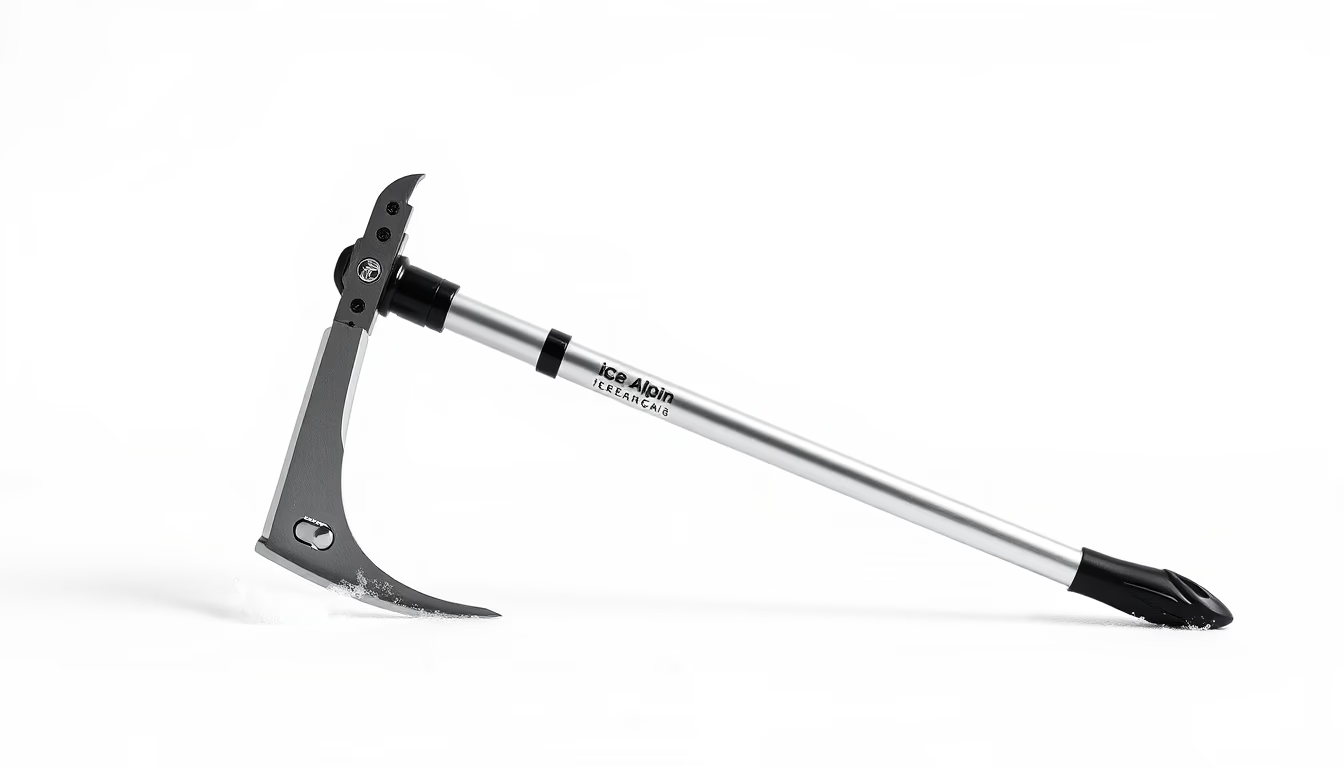
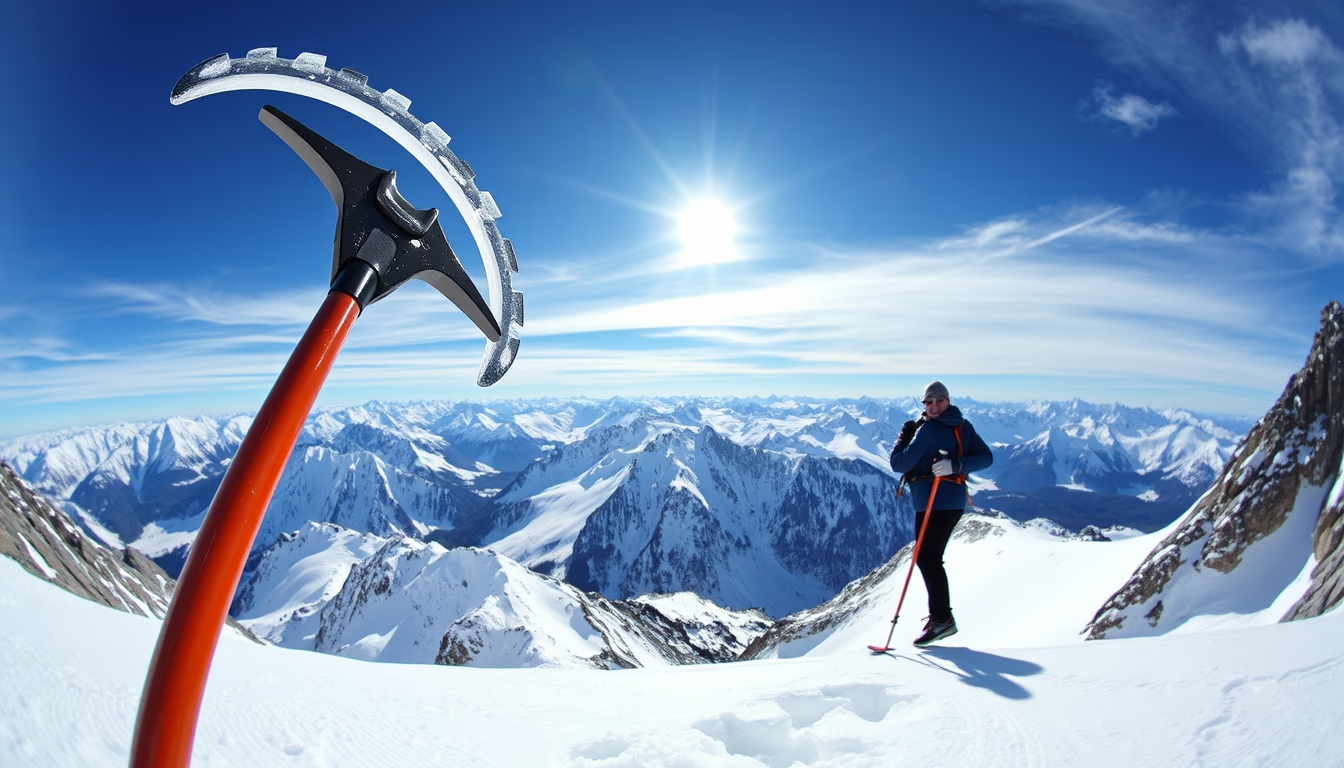
O picador de gelo alpino é ferramenta essencial para escalada em gelo e neve, combinando segurança e técnica em montanhas glaciais.
Sobre o tema
O picador de gelo alpino, ou simplesmente ice axe, é um equipamento fundamental para montanhistas que enfrentam terrenos glaciais e encostas cobertas de neve. Sua origem remonta ao século XIX, quando alpinistas europeus começaram a explorar os Alpes com mais ousadia. O design básico inclui uma cabeça de metal com uma lâmina pontiaguda (ponta) e uma pá (ou bico) para cortar degraus, além de um cabo longo que varia de 60 a 90 cm, geralmente de alumínio ou aço. Modelos modernos usam ligas leves e cabos ergonômicos para reduzir peso e aumentar a eficiência.
O uso do ice axe exige técnica apurada. Ele serve como terceiro ponto de apoio, ajudando a equilibrar em inclinações íngremes. Em caso de queda, o montanhista pode realizar a técnica de auto-detenção (self-arrest), cravando a lâmina no gelo para parar o deslize. Diferentes tipos de ice axes são projetados para atividades específicas: picadores de caminhada (walking axes) para travessias glaciais, e modelos técnicos (technical axes) para escalada vertical em gelo, com curvatura mais acentuada e cabos mais curtos.
No Brasil, o uso de ice axe é restrito a expedições em montanhas nevadas como o Monte Roraima ou na Patagônia, embora a maioria dos praticantes treine em geleiras dos Andes ou da Europa. A escolha do comprimento do cabo deve considerar a altura do usuário: a ponta do ice axe deve alcançar o tornozelo quando segurado pela cabeça, com o braço esticado. Marcas tradicionais como Petzl, Black Diamond e Grivel dominam o mercado, com inovações como cabos de fibra de carbono e sistemas de absorção de impacto.
Curiosidade: o termo 'ice axe' também é usado em montanhismo para descrever a técnica de corte de degraus no gelo, prática que exige precisão e força. A manutenção do equipamento inclui afiação periódica da lâmina e inspeção de rachaduras no cabo, já que uma falha pode ser fatal em altitude.
Perguntas frequentes
Qual o comprimento ideal de um picador de gelo alpino?
O comprimento ideal varia com a altura do usuário. Em geral, a ponta do ice axe deve alcançar o tornozelo quando segurado pela cabeça com o braço esticado. Para montanhismo em neve, cabos de 70 a 80 cm são comuns; para escalada técnica em gelo, cabos mais curtos (50, 60 cm) oferecem melhor manejo.
Como fazer a auto-detenção com um ice axe?
Em uma queda, segure o ice axe com ambas as mãos, uma na cabeça e outra no cabo próximo à cabeça. Crave a lâmina no gelo ou neve com força, usando o peso do corpo para parar o deslize. Mantenha os pés elevados para evitar que os grampos se enrosquem. Pratique em terreno seguro antes de situações reais.
Quais as principais marcas de picador de gelo alpino?
As marcas mais renomadas são Petzl (modelos como o Summit e Nomic), Black Diamond (Raven e Viper) e Grivel (Air Tech e G1). Cada uma oferece variações para caminhada e escalada técnica, com materiais como alumínio, aço e fibra de carbono.
URL direta
https://pub-c7d6a6ea828543ac903a74a341ccb2e1.r2.dev/imagens/ice-axe-alpine-commercial-product-photography-fresh9.avifComo creditar
Inclua um link visível de volta pro UtilizAí. Copie um dos snippets abaixo:
<a href="https://xn--utiliza-eza.com/midia/imagens/ice-axe-alpine-commercial-product-photography-fresh9">Ice axe alpine</a> by <a href="https://xn--utiliza-eza.com">UtilizAí</a>, licensed under <a href="https://creativecommons.org/licenses/by/4.0/">CC BY 4.0</a>.
[Ice axe alpine](https://xn--utiliza-eza.com/midia/imagens/ice-axe-alpine-commercial-product-photography-fresh9) by [UtilizAí](https://xn--utiliza-eza.com), CC BY 4.0
Licença: CC-BY-4.0