Ice axe alpine
1344×768 · AVIF · CC BY 4.0
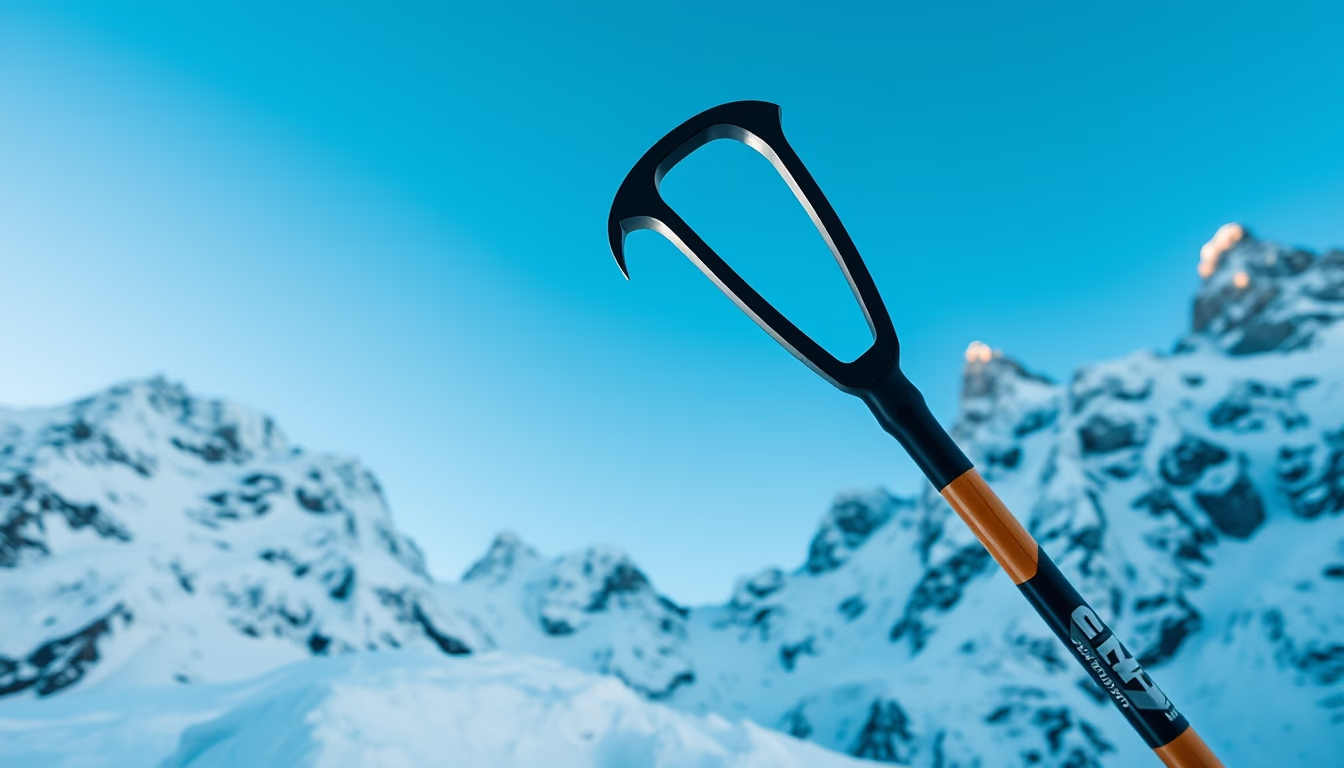
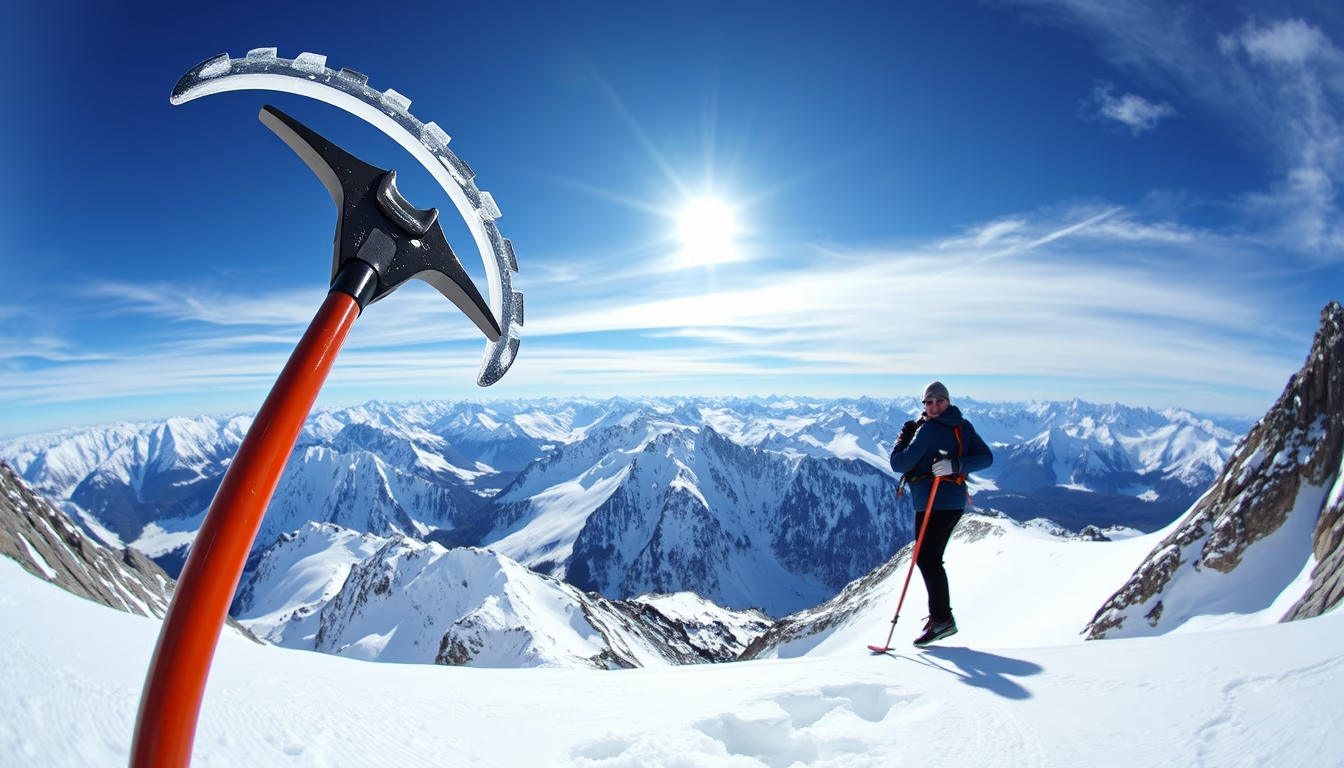
The alpine ice axe is an essential tool for climbing frozen mountains, combining safety and technique.
About this subject
The alpine ice axe is an indispensable tool for mountaineers and climbers tackling snowy and glacial terrain. Its primary function is to provide support and security during steep descents, serving as an anchor point and aiding in self-arrest in case of a fall. Unlike ice axes used for vertical ice climbing, alpine ice axes feature a longer shaft and a gentle curve, designed for walking and traversing moderate snow and ice.
Historically, the first ice axes appeared in the 19th century during the golden age of alpinism in the Alps. Initially crafted from wood with steel points, they evolved into modern designs using aluminum alloys and stainless steel, ensuring lightness and strength. Austrian company Petzl and French Charlet Moser pioneered innovations such as ergonomic handles and interchangeable heads. Currently, different models exist for specific activities: walking axes, technical axes, and glacier axes, each with varying blade angles and lengths to optimize performance.
In alpine contexts, the ice axe is often combined with crampons and ropes to form a complete safety system. A fundamental technique is self-arrest, where the mountaineer uses the axe to brake a slide on snow. The ideal length depends on the user's height and terrain: longer axes (70-90 cm) are preferred for gentle walks, while shorter models (50-60 cm) offer greater maneuverability on steep slopes. Maintenance includes periodic sharpening of the blade and checking for corrosion, especially in salty or humid environments.
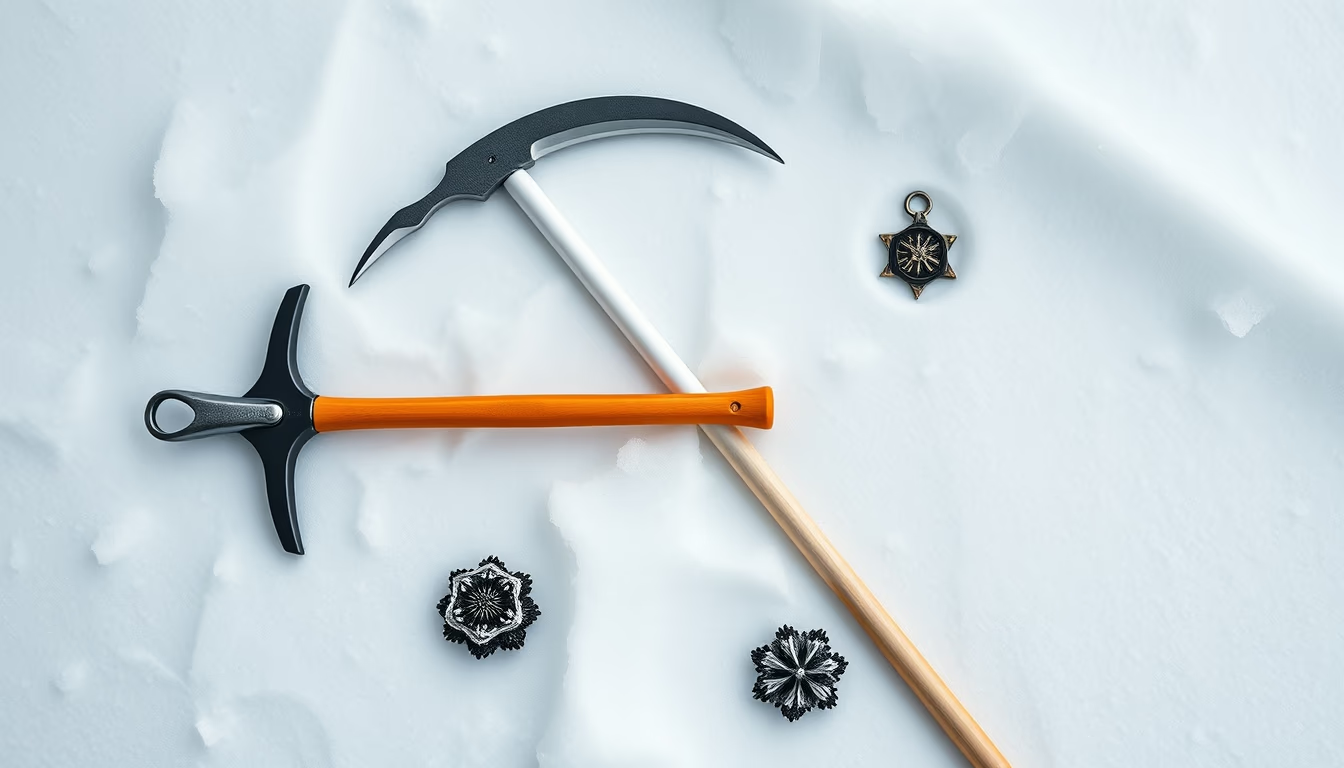
Interestingly, the ice axe has also found a place in design and architecture as a symbolic element of adventure and overcoming. In conceptual photography, it is often placed against backgrounds of steel and glass, contrasting the ruggedness of the mountain with urban coldness. This duality reflects the equipment's versatility, transcending its practical function to become an icon of exploration and resilience.
Frequently Asked Questions
What is the difference between an alpine ice axe and a technical ice axe?
The alpine ice axe has a longer shaft and gentle curve, ideal for walking and self-arrest. The technical ice axe has a shorter shaft and more aggressive blade, designed for vertical ice climbing.
How do I choose the right length for an ice axe?
The length should allow the spike to touch the ground when held by the handle. For walking, 70-90 cm is recommended; for technical climbing, 50-60 cm.
What is self-arrest and how to practice it?
Self-arrest is the technique of using the ice axe to stop a slide on snow. Hold the axe with both hands, drive the blade into the snow, and apply weight over it.
Direct URL
https://pub-c7d6a6ea828543ac903a74a341ccb2e1.r2.dev/imagens/ice-axe-alpine-architectural-photography-fresh12.avifHow to credit
Include a visible link back to UtilizAí. Copy one of the snippets below:
<a href="https://xn--utiliza-eza.com/en/midia/imagens/ice-axe-alpine-architectural-photography-fresh12">Ice axe alpine</a> by <a href="https://xn--utiliza-eza.com">UtilizAí</a>, licensed under <a href="https://creativecommons.org/licenses/by/4.0/">CC BY 4.0</a>.
[Ice axe alpine](https://xn--utiliza-eza.com/en/midia/imagens/ice-axe-alpine-architectural-photography-fresh12) by [UtilizAí](https://xn--utiliza-eza.com), CC BY 4.0
License: CC-BY-4.0