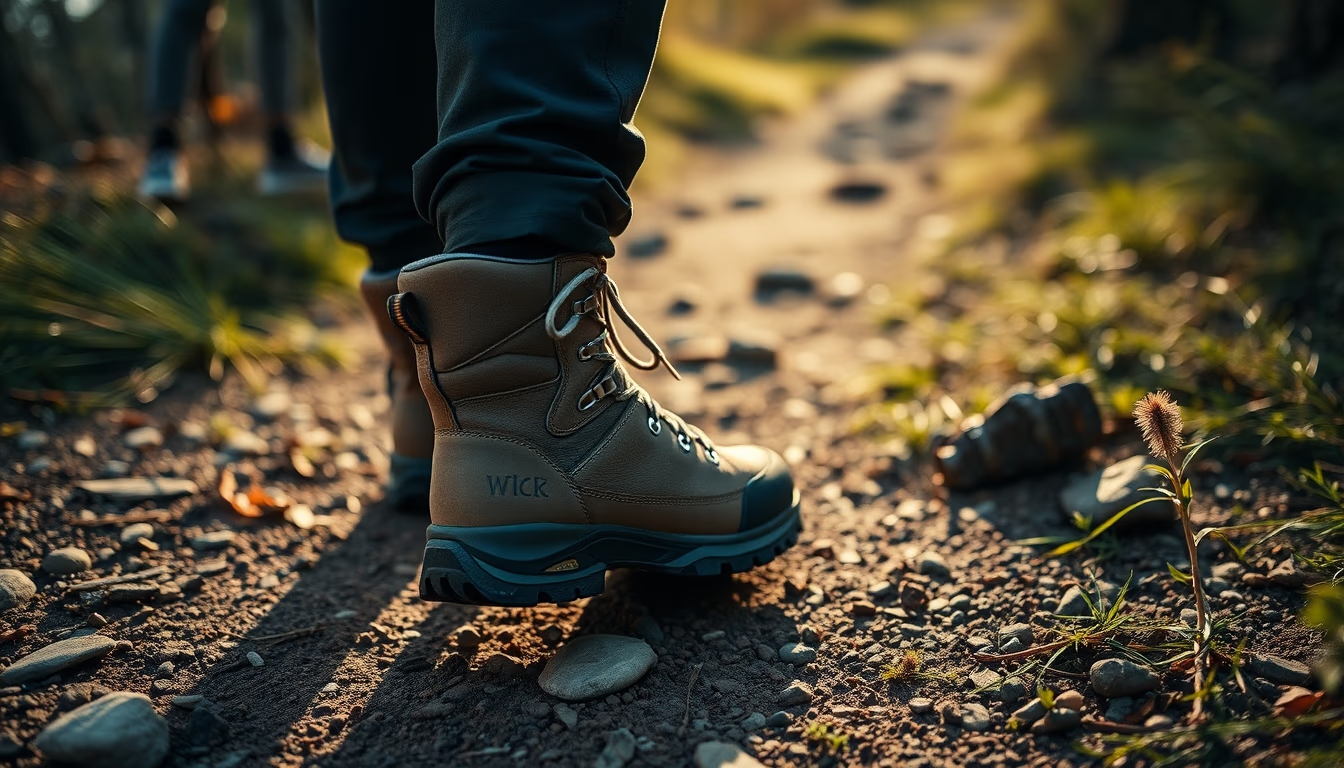
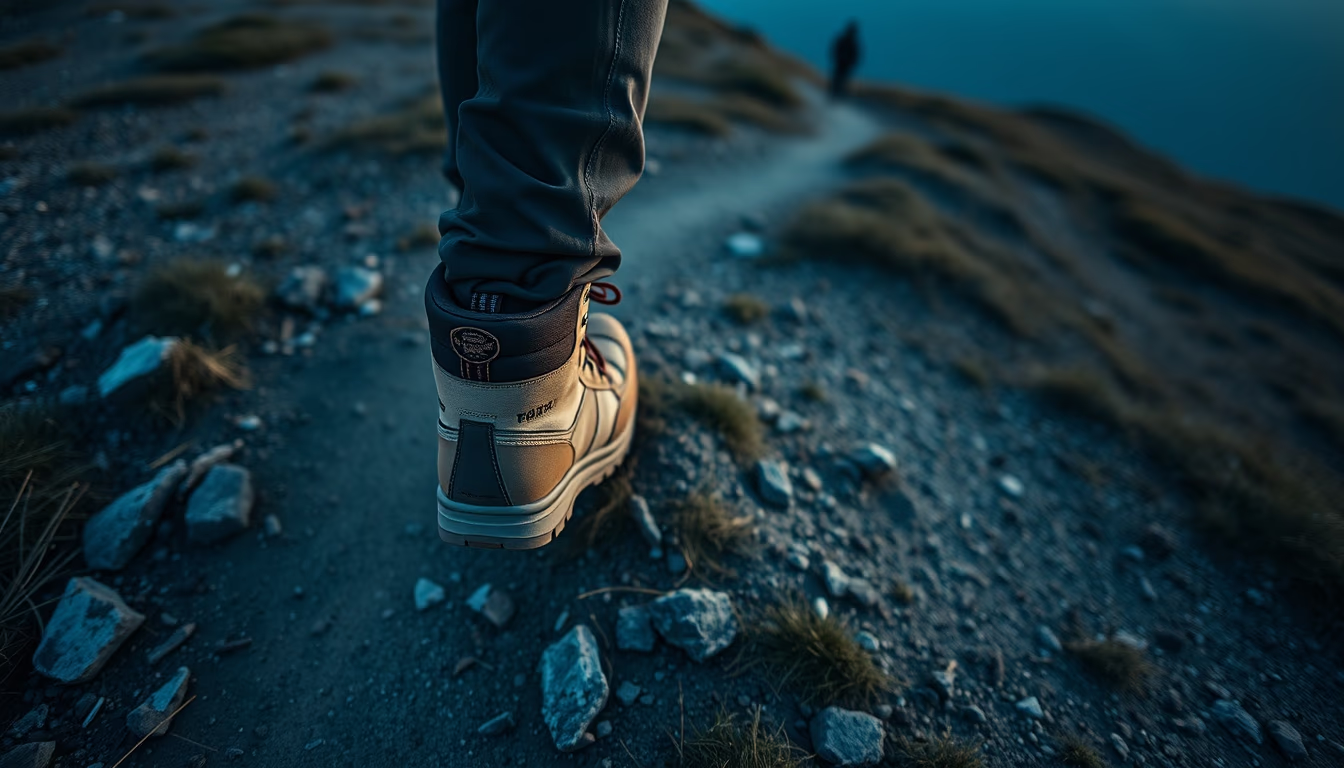
Hiking boots on trail
1344×768 · AVIF · CC BY 4.0
Hiking boots are essential footwear for walking on uneven terrain, providing support and traction. Learn about their features and care.
About this subject
Hiking boots have evolved from simple leather footwear to high-performance technical equipment. Modern models combine materials like leather, nylon, and waterproof membranes such as Gore-Tex to protect feet from moisture and impacts. Anatomical insoles and rubber outsoles from Vibram ensure comfort and traction on rocks, mud, and loose soil. The choice of boot type depends on the terrain: for light trails, low and flexible models suffice; for mountaineering, high and rigid boots offer better ankle protection.
In Brazil, trekking practice grows annually, with destinations like Chapada Diamantina, Itatiaia National Park, and the Transcarioca Trail. In these places, proper boots prevent injuries such as sprains and blisters. Studies show that poorly fitted footwear increases the risk of falls by 50%. Therefore, it is recommended to try boots with the socks you will wear on the trail, preferably at the end of the day when feet are slightly swollen.
Maintenance extends the lifespan of boots. After each use, remove dirt and mud with a soft brush, avoiding harsh soaps. Let them dry in the shade, away from heat sources. Conditioning leather with specific grease or oil maintains flexibility. For waterproof membranes, revitalizing sprays reactivate the DWR layer. On average, a quality boot lasts 500 to 1000 km of hiking, depending on use and care.
Interestingly, hiking boot technology has influenced urban and sports footwear, such as walking shoes and casual boots. Brands like Merrell, Salomon, and The North Face have popularized designs that blend functionality and style. Choosing the ideal pair requires considering foot strike, backpack weight, and weather forecast, ensuring safety and enjoyment in outdoor adventures.
Frequently Asked Questions
What is the difference between hiking boots and walking shoes?
Hiking boots provide more ankle support and impact protection, suitable for rough terrain and heavy loads. Walking shoes are lighter and more flexible, adequate for light trails and urban use.
How to tie hiking boots properly?
Tie the laces firmly at the base to secure the heel, then adjust pressure on the instep and finish with a secure knot. Avoid overtightening to prevent circulation issues. Techniques like the heel lock help prevent blisters.
Is it necessary to break in new boots before a long hike?
Yes, it is recommended to wear the boots on short walks and around the house for a few days to mold them to your feet. This reduces the risk of blisters and discomfort during long hikes.
Direct URL
https://pub-c7d6a6ea828543ac903a74a341ccb2e1.r2.dev/imagens/hiking-boots-on-trail-aerial-drone-shot-p2.avifHow to credit
Include a visible link back to UtilizAí. Copy one of the snippets below:
<a href="https://xn--utiliza-eza.com/en/midia/imagens/hiking-boots-on-trail-aerial-drone-shot-p2">Hiking boots on trail</a> by <a href="https://xn--utiliza-eza.com">UtilizAí</a>, licensed under <a href="https://creativecommons.org/licenses/by/4.0/">CC BY 4.0</a>.
[Hiking boots on trail](https://xn--utiliza-eza.com/en/midia/imagens/hiking-boots-on-trail-aerial-drone-shot-p2) by [UtilizAí](https://xn--utiliza-eza.com), CC BY 4.0
License: CC-BY-4.0