Hawk training glove
1344×768 · AVIF · CC BY 4.0
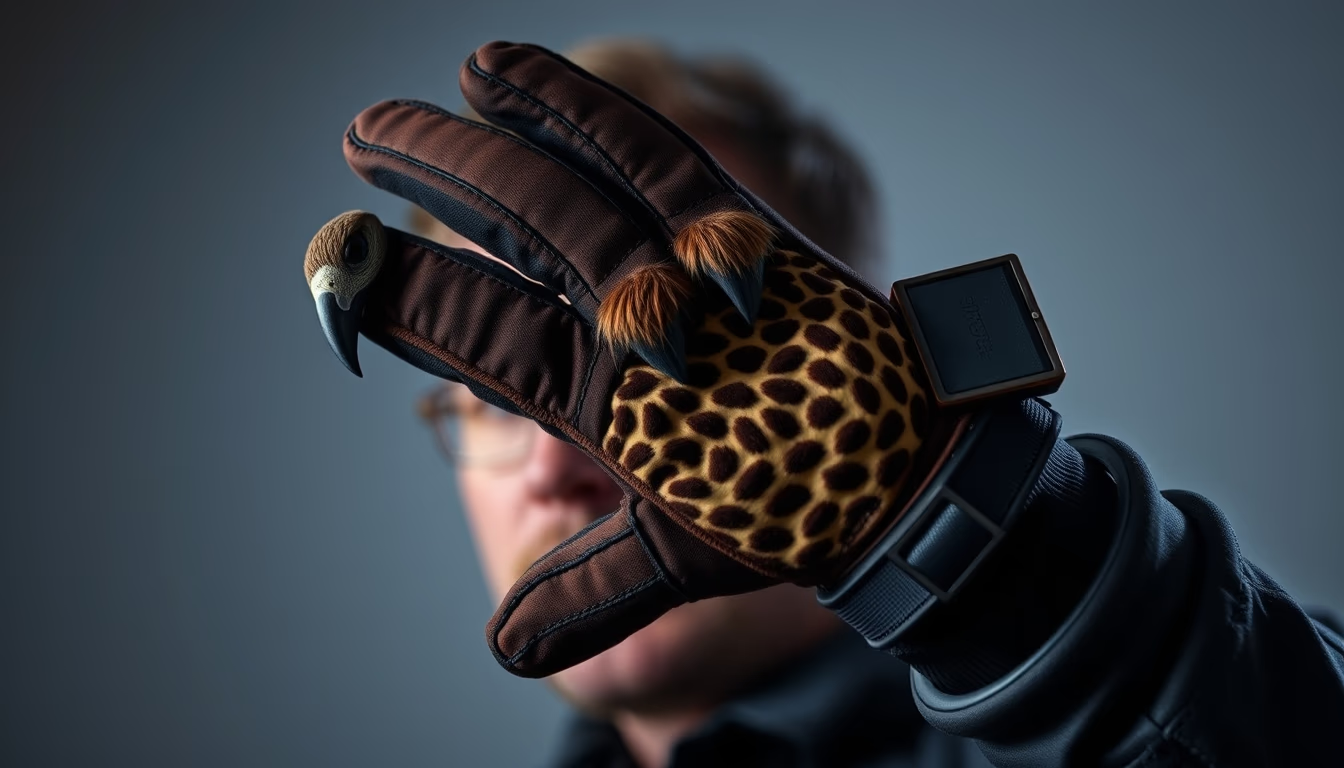
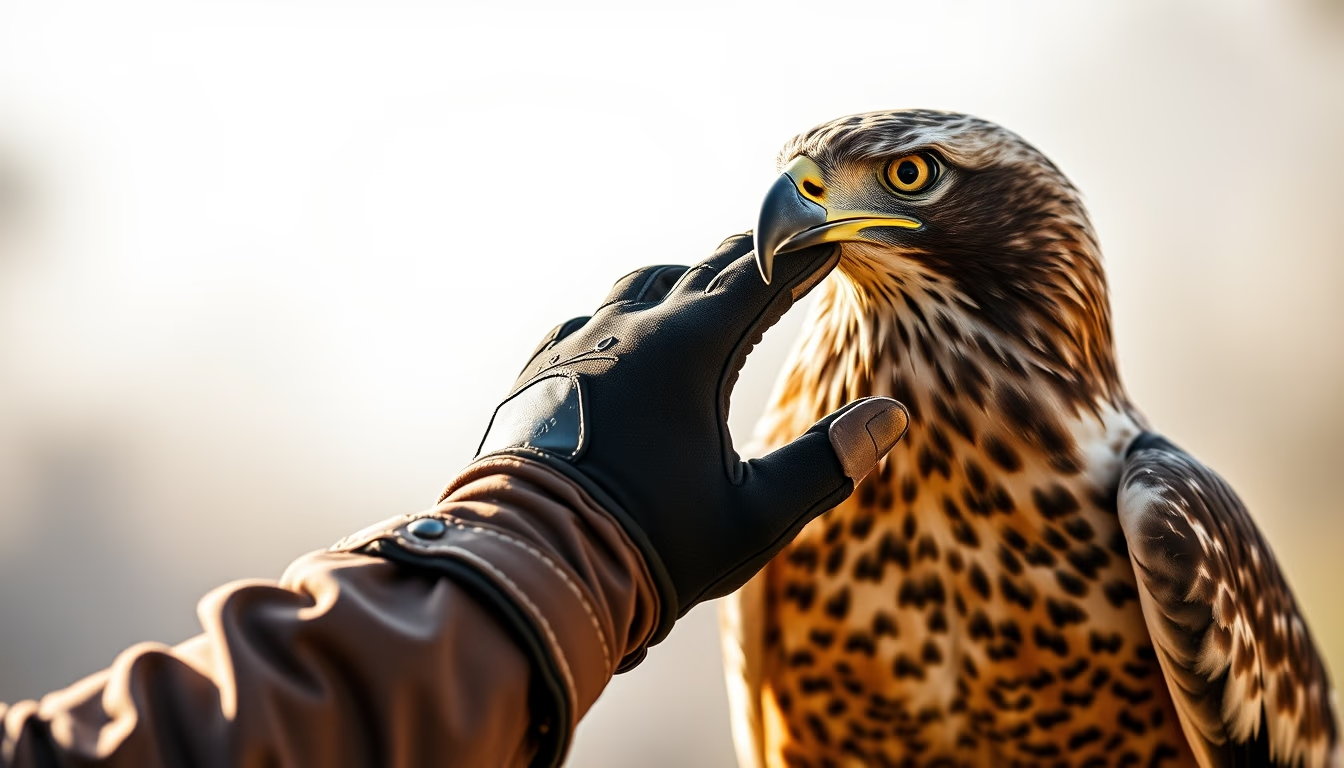
The hawk training glove, made of tough leather, protects the falconer from the bird's sharp talons during handling and training.
About this subject
The hawk training glove is an essential piece of equipment for any falconer. Traditionally made from cow or goatskin leather, its main function is to protect the falconer's forearm and hand from the powerful, sharp talons of birds of prey. The design includes an elongated part covering the forearm, called a gauntlet, and a portion that wraps around the hand, either with individual fingers or as a simple mitt, depending on preference.
The origin of the glove dates back to the early days of falconry, an ancient practice that originated in Central Asia over 4,000 years ago and spread across Europe, the Middle East, and beyond. Falconers have always needed protection, and leather proved to be the most effective material against injuries. Over time, gloves evolved to include inner padding, breathable liners, and even ventilation systems for hot climates.
During training, the glove serves as the main point of contact between the falconer and the bird. Initially, the hawk or falcon is trained to perch on the glove, associating it with food rewards. The texture and color of the glove can influence the bird's behavior; many are light-colored to improve visibility and avoid confusion with natural prey.
Interestingly, there are regional variations in glove design. In Europe, full-fingered gloves are common, while in the Middle East, a shorter, fingerless model is preferred for better tactile sensitivity. The choice of leather also matters: goatskin is lighter and more flexible, ideal for hot days; cowhide offers greater durability. Some modern gloves incorporate synthetic materials to reduce weight without sacrificing protection.
Frequently Asked Questions
What is the difference between a falconry glove and a regular glove?
A falconry glove is specifically designed to protect against raptor talons. It is made of thicker, tougher leather, covers the forearm, and has sturdy fingers or is shaped like a mitten. A regular glove would provide insufficient protection.
How do I choose the right size for a hawk training glove?
The ideal size depends on your hand size and the type of bird. Measure your hand circumference and forearm length. The glove should be snug but allow movement. Consult manufacturers or experienced falconers for recommendations.
Is it necessary to wear a glove when handling birds of prey?
Yes, wearing a glove is essential for the falconer's safety. The bird's talons can cause deep wounds. Additionally, the glove helps the bird feel secure when perching, as it recognizes the equipment as a reliable perch.
Direct URL
https://pub-c7d6a6ea828543ac903a74a341ccb2e1.r2.dev/imagens/hawk-training-glove-lo-fi-disposable-camera-fresh11.avifHow to credit
Include a visible link back to UtilizAí. Copy one of the snippets below:
<a href="https://xn--utiliza-eza.com/en/midia/imagens/hawk-training-glove-lo-fi-disposable-camera-fresh11">Hawk training glove</a> by <a href="https://xn--utiliza-eza.com">UtilizAí</a>, licensed under <a href="https://creativecommons.org/licenses/by/4.0/">CC BY 4.0</a>.
[Hawk training glove](https://xn--utiliza-eza.com/en/midia/imagens/hawk-training-glove-lo-fi-disposable-camera-fresh11) by [UtilizAí](https://xn--utiliza-eza.com), CC BY 4.0
License: CC-BY-4.0