Hawk training glove
1344×768 · AVIF · CC BY 4.0
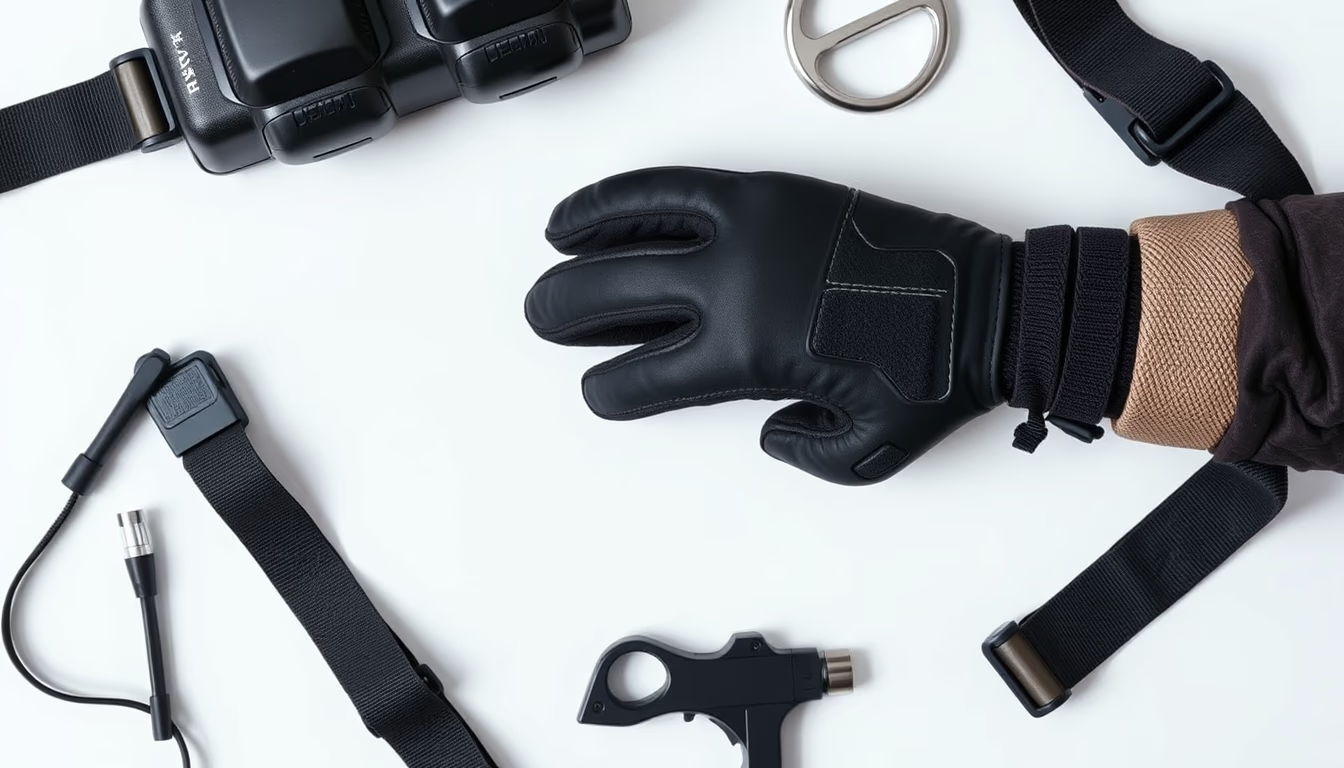
Hawk training glove, essential in falconry for handling birds of prey, made of durable leather with a design that protects the falconer.
About this subject
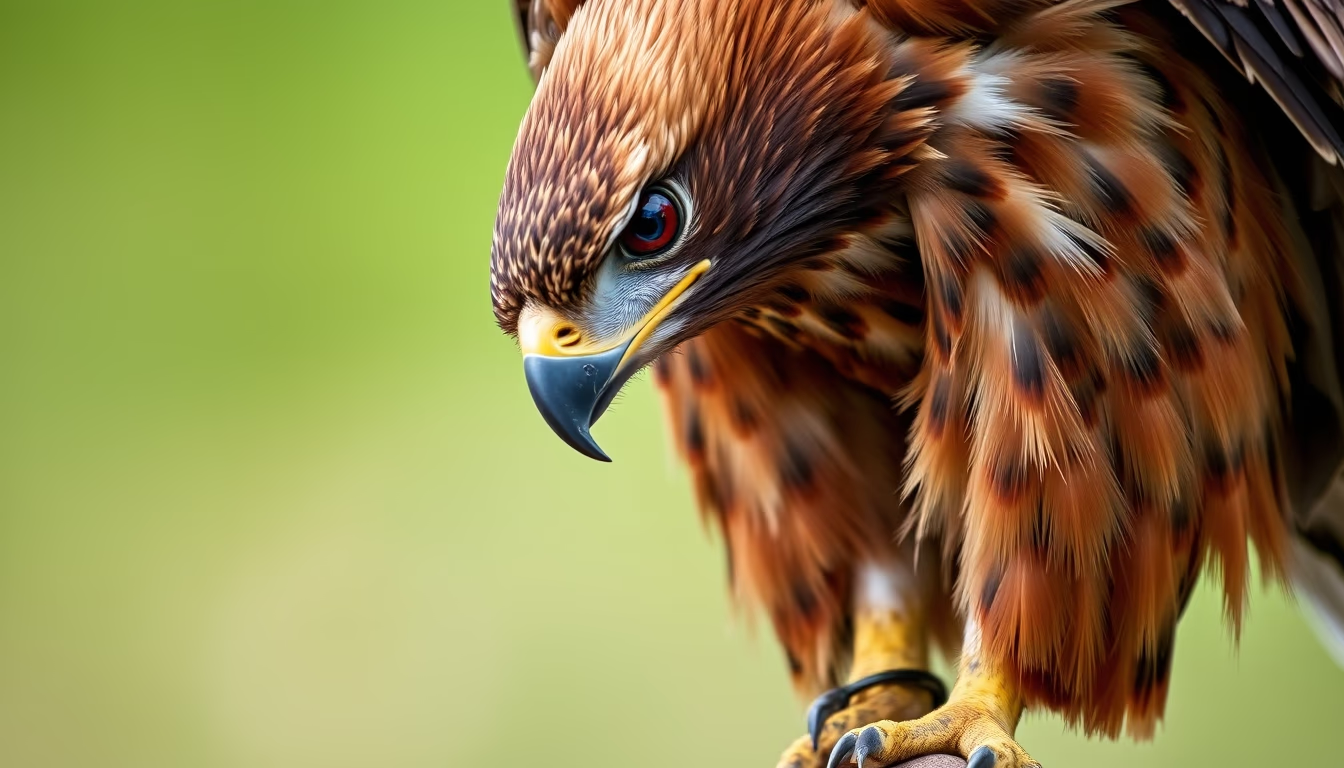
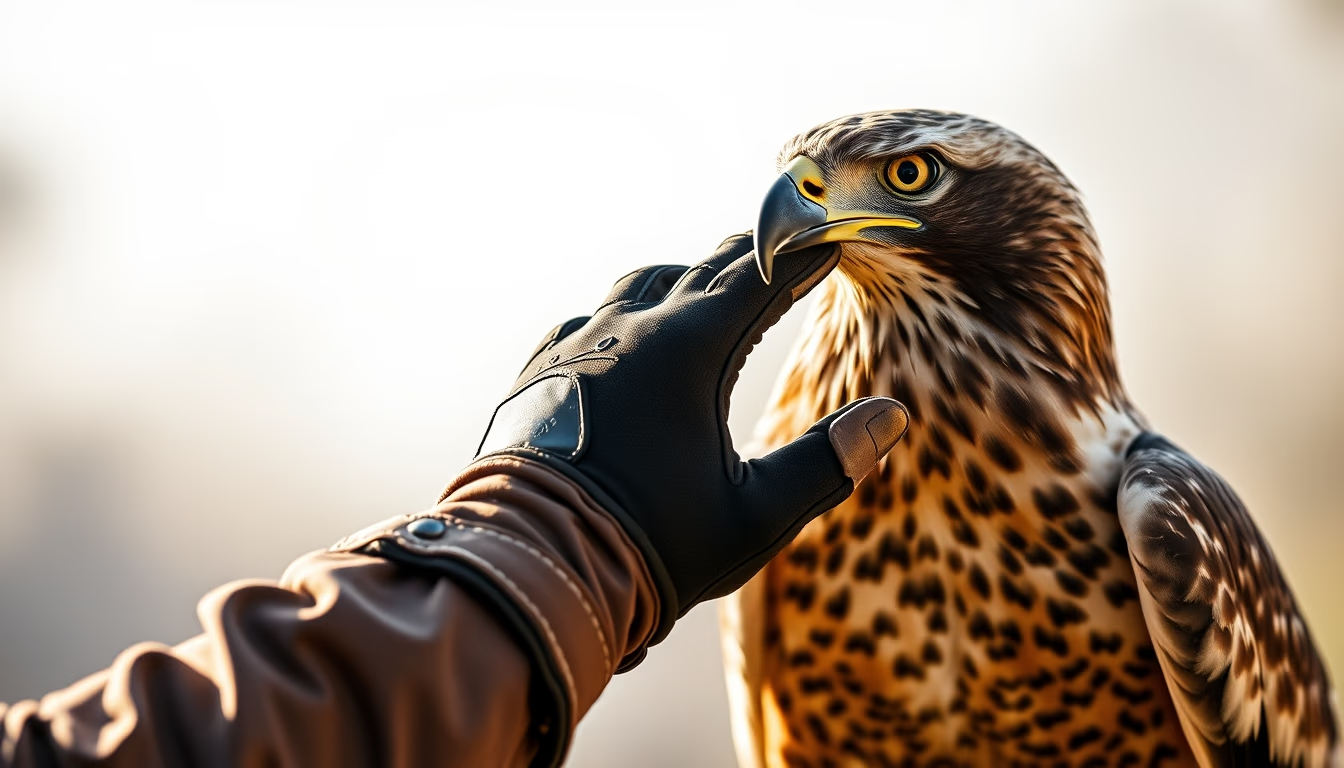
The hawk training glove is a fundamental piece of equipment in falconry, designed to protect the falconer's hand and forearm from the sharp talons of birds of prey such as hawks, falcons, and eagles. Traditionally made from thick cowhide or goatskin leather, the glove must withstand the weight and pressure exerted by the bird when it lands or grips during feeding. Modern gloves often feature reinforced stitching and extra padding on the wrist and between fingers, areas most vulnerable to puncture.
The manufacturing process involves shaping the leather to fit the arm anatomically, ensuring comfort and freedom of movement. Many gloves include attachment points for jesses or a swivel, which connect the bird to the glove. The isometric, angled design seen in contemporary illustrations helps position the bird correctly and maintain balance. The choice of leather is critical: softer leathers offer better flexibility, while harder leathers increase longevity. In hot climates, gloves with ventilation holes or cotton linings are preferred to prevent overheating.
Historically, falconry dates back over 4,000 years, originating in Central Asia and the Middle East. Training gloves evolved from simple cloth protectors to sophisticated gear, sometimes embellished with embroidery or metal fittings. Today, the glove represents the bond between human and raptor, embodying tradition and respect for nature. In falconry competitions, gloves must meet specific thickness and material standards to ensure safety for both handler and bird.
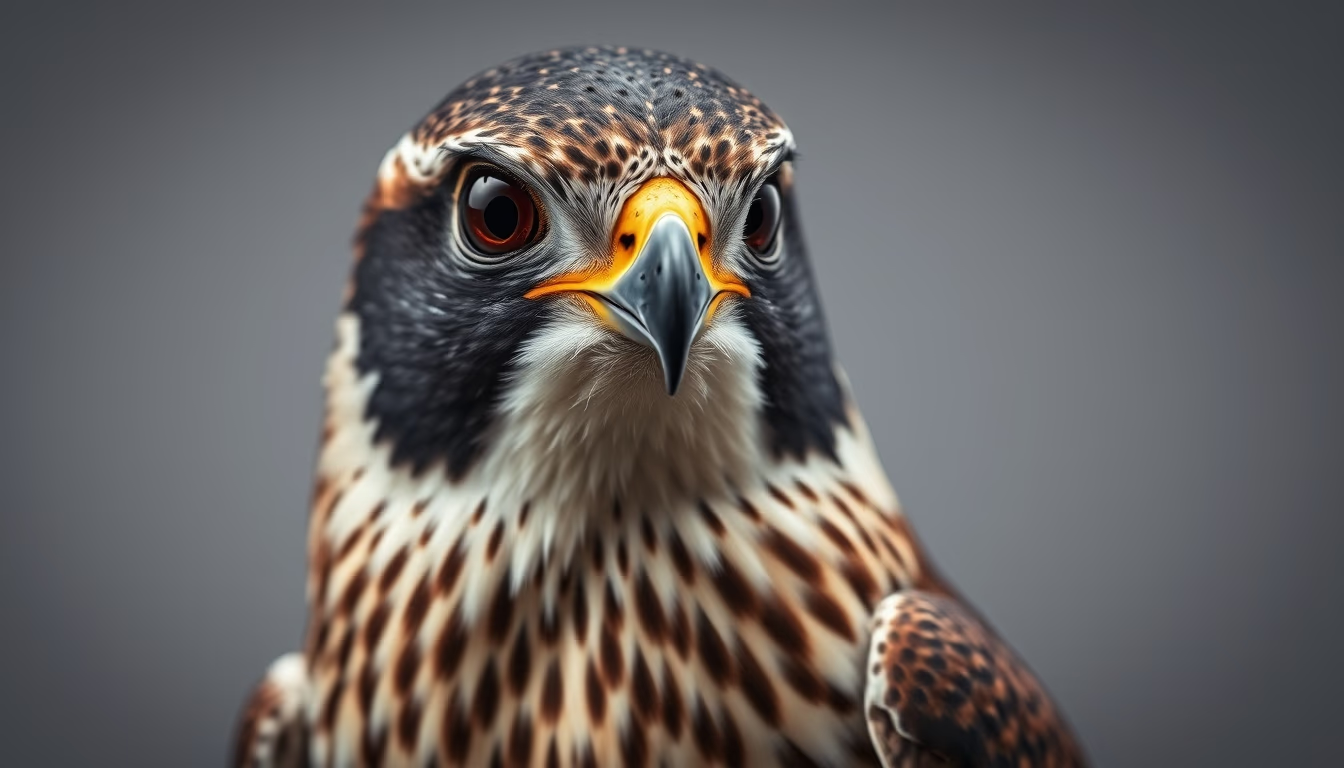
A noteworthy fact is that different raptor species require different glove designs. For larger birds like golden eagles, gloves must be longer and more padded, while for smaller falcons like the peregrine, a lighter, shorter glove suffices. Training begins early, with the bird conditioned to land on the glove for food, a process known as 'manning' that builds trust and partnership.
Frequently Asked Questions
What is the most common material used in falconry gloves?
Cowhide or goatskin leather is the most common due to its strength, durability, and protection against sharp talons. Some modern gloves also use kangaroo leather or high-strength synthetics.
How do I choose the right training glove for a bird of prey?
Consider the bird's size and weight, the climate, and your personal preference. For large birds, choose longer, padded gloves; for smaller birds, lighter, shorter gloves work well. Ensure the glove allows adequate finger movement and has a secure jesse attachment.
Does a falconry glove require special care?
Yes, leather should be cleaned with mild soap and conditioned with specific oils to maintain flexibility and prevent cracking. Avoid prolonged sun or moisture exposure, which can warp the material.
Direct URL
https://pub-c7d6a6ea828543ac903a74a341ccb2e1.r2.dev/imagens/hawk-training-glove-isometric-flat-lay-fresh14.avifHow to credit
Include a visible link back to UtilizAí. Copy one of the snippets below:
<a href="https://xn--utiliza-eza.com/en/midia/imagens/hawk-training-glove-isometric-flat-lay-fresh14">Hawk training glove</a> by <a href="https://xn--utiliza-eza.com">UtilizAí</a>, licensed under <a href="https://creativecommons.org/licenses/by/4.0/">CC BY 4.0</a>.
[Hawk training glove](https://xn--utiliza-eza.com/en/midia/imagens/hawk-training-glove-isometric-flat-lay-fresh14) by [UtilizAí](https://xn--utiliza-eza.com), CC BY 4.0
License: CC-BY-4.0