Hawk training glove
1344×768 · AVIF · CC BY 4.0

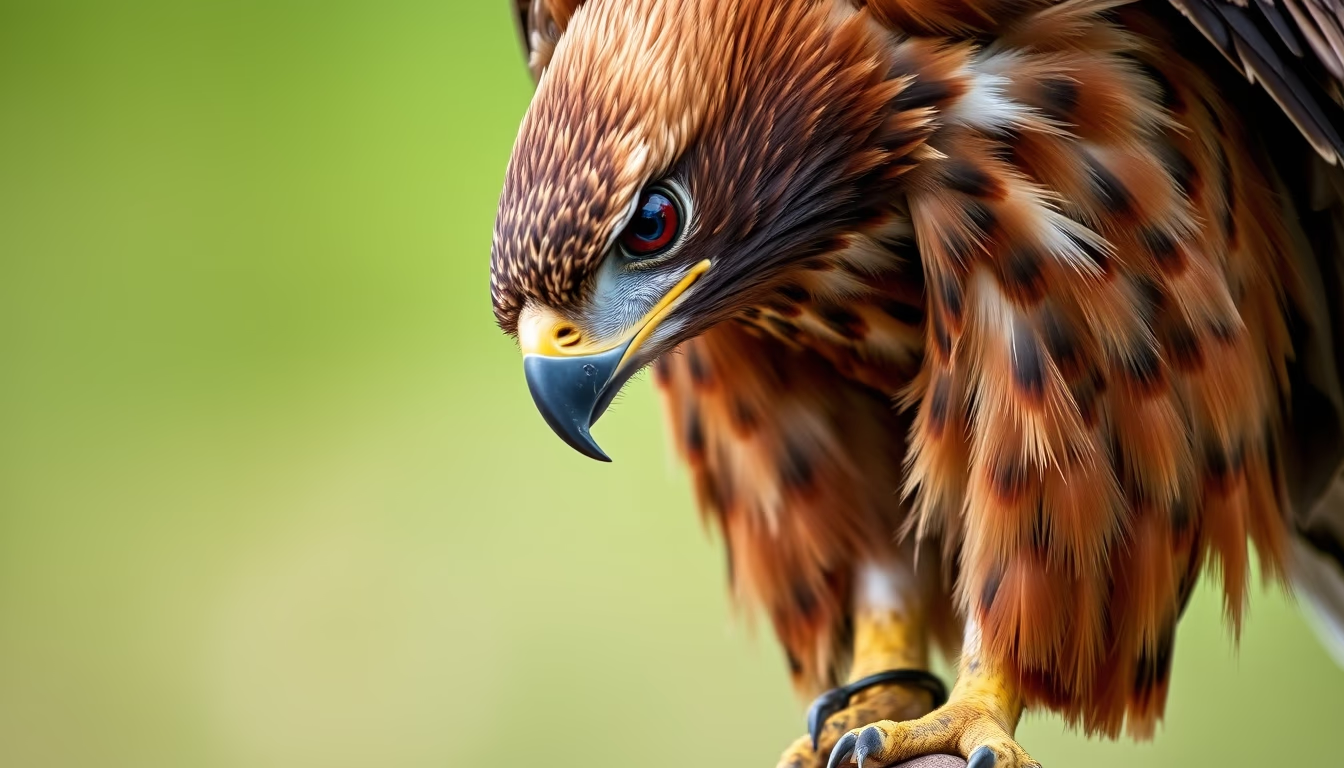
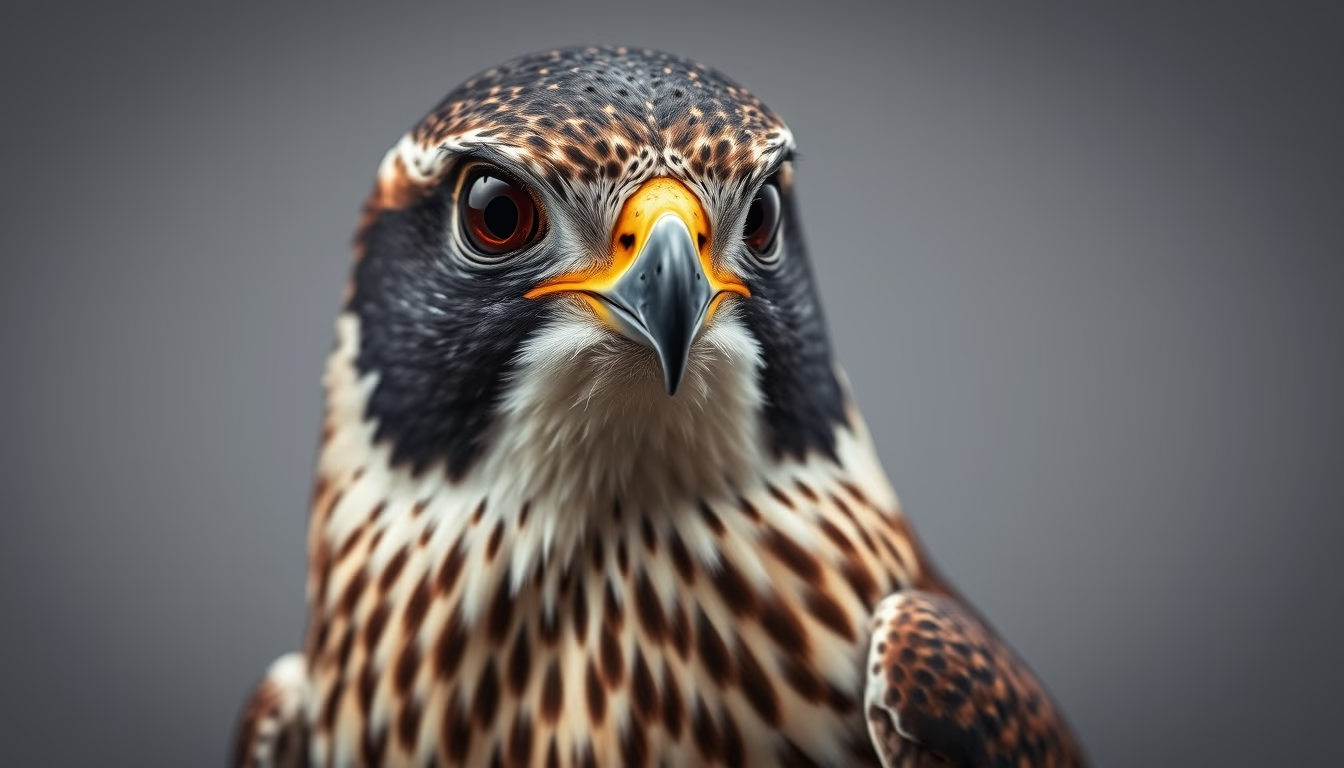
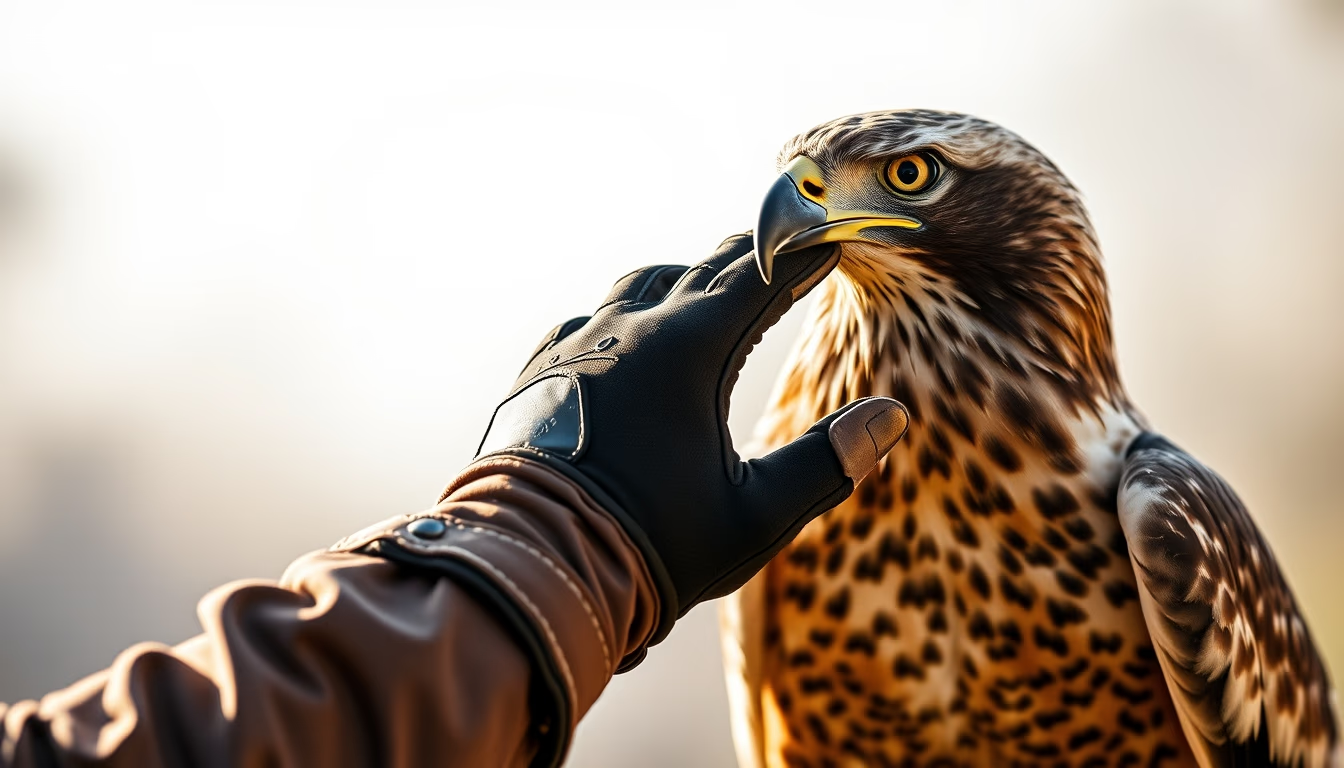
The hawk training glove is essential equipment in falconry, protecting the falconer while providing comfort and safety for the bird.
About this subject
The hawk training glove, also known as a gauntlet, plays a fundamental role in the ancient practice of falconry. Traditionally made from resistant leather such as cowhide or goatskin, its main purpose is to protect the falconer's forearm and hand from the bird's sharp talons. The elongated design, covering much of the arm, prevents injuries during handling and when the bird lands.
Beyond protection, the glove must provide grip and thermal comfort. The thick yet flexible leather allows for precise movements. Many models feature reinforced padding on the palm and fingers, areas that undergo the most friction. Some gloves incorporate synthetic materials for increased durability, but handcrafted natural leather versions remain preferred by traditional falconers.
In the context of editorial fashion, the falconry glove receives an aesthetic upgrade. Designers may use premium leathers, metal hardware, and decorative stitching, transforming the functional accessory into a high-style piece. This trend reflects the growing appreciation of equestrian culture and falconry as symbols of elegance and tradition, especially in fashion editorials that blend rustic and sophisticated themes.
Falconry was recognized by UNESCO as Intangible Cultural Heritage of Humanity in 2010, highlighting the importance of its tools. The training glove is not merely a safety item but also a link between human and bird, representing centuries of technique and respect for nature.
Frequently Asked Questions
What is the ideal leather thickness for a falconry glove?
The leather should be between 3 mm and 5 mm thick, balancing protection and flexibility. Thin leather doesn't protect against talons; too thick hinders movement.
Is the training glove suitable for all birds of prey?
Yes, but size and reinforcement vary by species. For larger birds like falcons and eagles, the glove must be longer and more padded; for smaller birds like hawks, lighter models work well.
How do you care for a leather falconry glove?
Clean with a damp cloth and apply leather conditioner periodically. Avoid prolonged sun exposure and moisture. Store in a ventilated area to prevent mold.
Direct URL
https://pub-c7d6a6ea828543ac903a74a341ccb2e1.r2.dev/imagens/hawk-training-glove-high-fashion-editorial-fresh8.avifHow to credit
Include a visible link back to UtilizAí. Copy one of the snippets below:
<a href="https://xn--utiliza-eza.com/en/midia/imagens/hawk-training-glove-high-fashion-editorial-fresh8">Hawk training glove</a> by <a href="https://xn--utiliza-eza.com">UtilizAí</a>, licensed under <a href="https://creativecommons.org/licenses/by/4.0/">CC BY 4.0</a>.
[Hawk training glove](https://xn--utiliza-eza.com/en/midia/imagens/hawk-training-glove-high-fashion-editorial-fresh8) by [UtilizAí](https://xn--utiliza-eza.com), CC BY 4.0
License: CC-BY-4.0