Hawk training glove
1344×768 · AVIF · CC BY 4.0

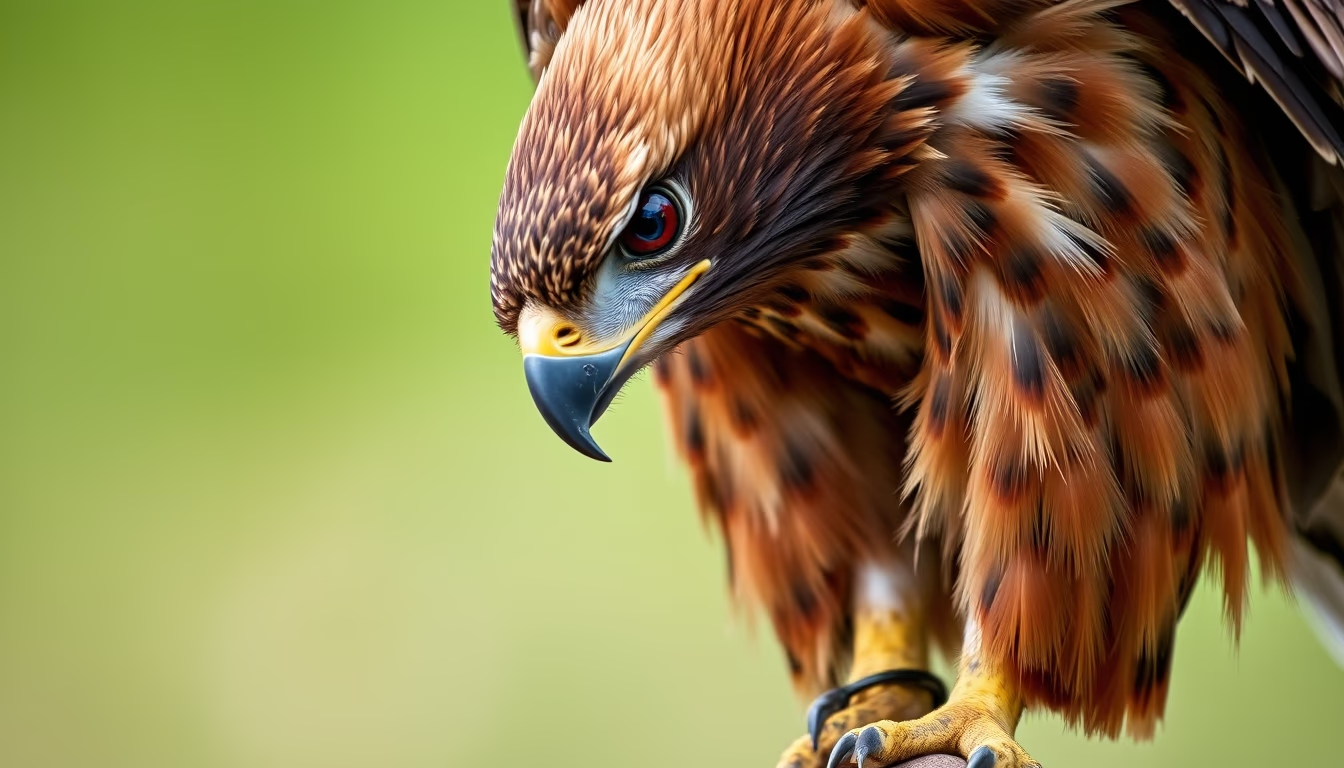
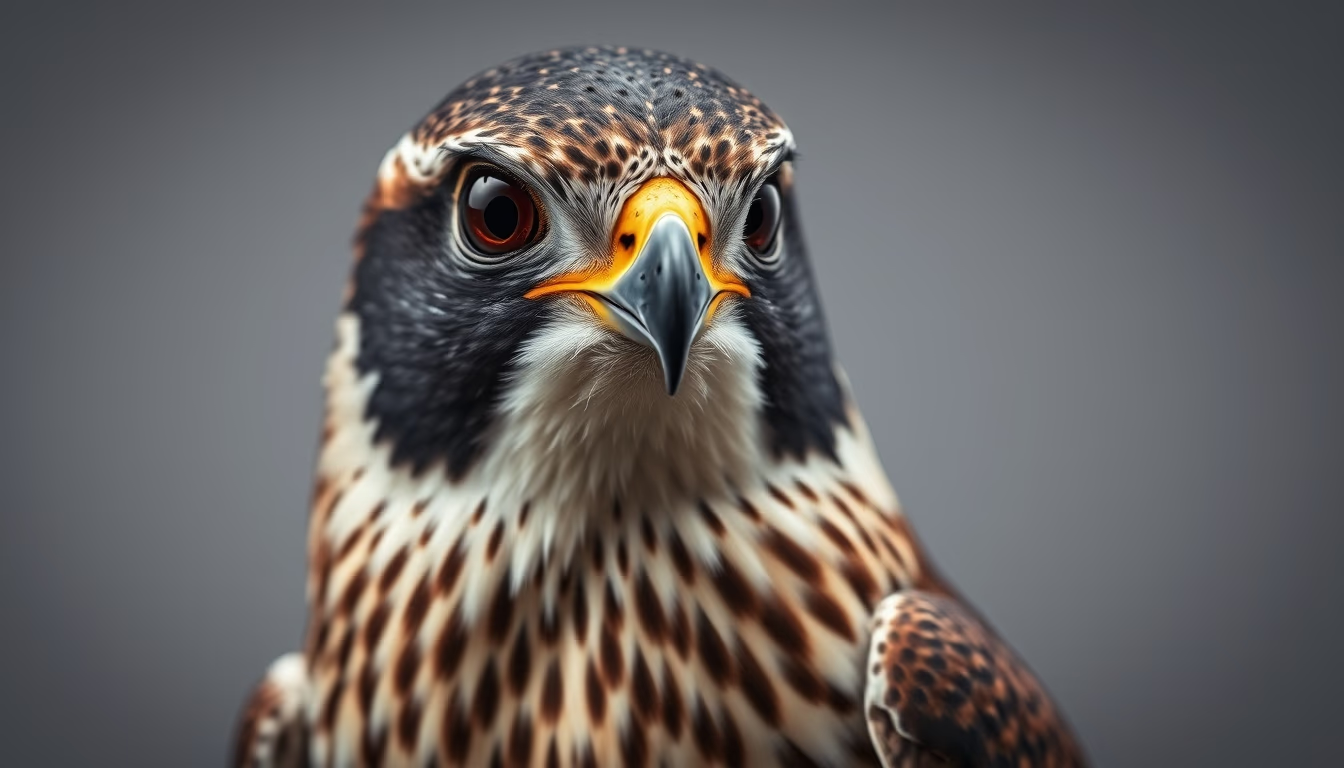
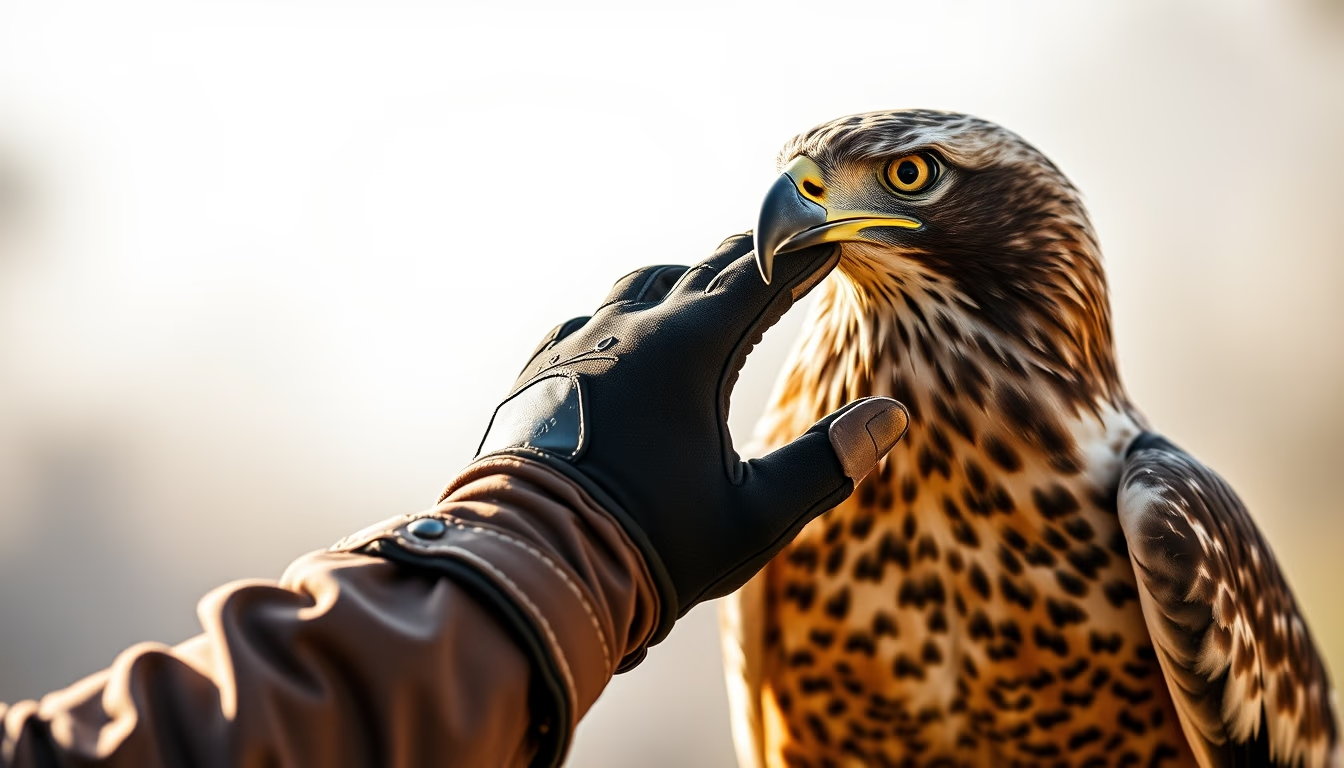
Hawk training glove, essential falconry gear to protect the falconer's arm and provide a perch for handling birds of prey.
About this subject
The hawk training glove is an indispensable piece of equipment in falconry, an ancient hunting art using birds of prey. Typically made from thick, durable leather such as cowhide or goatskin, the glove is designed to withstand the sharp talons and pressure exerted by hawks, falcons, and eagles when perching and being handled. The design includes an extended guard covering the forearm, preventing injuries and providing stability for the bird. Many gloves are reinforced with extra stitching or additional layers in high-contact areas.
The origin of the falconry glove dates back thousands of years, with records in Central Asia and the Middle East, where falconry was practiced by nobles and hunters. The tradition spread to Europe during the Middle Ages, becoming a symbol of status and skill. Each culture developed variations in shape and materials, but the essential function remained the same: to protect the falconer and offer a safe, comfortable perch for the bird.
In 2010, UNESCO recognized falconry as an Intangible Cultural Heritage of Humanity, highlighting its historical importance and the unique relationship between humans and birds of prey. The glove, as a central piece of this equipment, is a testament to human ingenuity in adapting tools to interact with nature. Today, besides traditional use, gloves are employed in educational demonstrations, conservation programs, and recreational falconry.
The choice of glove depends on the bird species and falconer preference. Gloves for peregrine falcons are lighter, while those for eagles require greater thickness and durability. Some models include attachment straps or separate fingers for enhanced dexterity. Regardless of variation, the training glove remains a symbol of the partnership between humans and raptors, representing centuries of tradition and knowledge.
Frequently Asked Questions
What is the most common material for falconry gloves?
The most common material is leather, especially cowhide or goatskin, due to its resistance to talons and ability to last many years with proper care.
Is the hawk training glove used only for protection?
No, besides protecting the falconer's forearm, the glove serves as a safe and stable perch for the bird, allowing it to feel comfortable while being handled or transported.
Is there a difference between gloves for falcons and eagles?
Yes, gloves for eagles are generally thicker and more robust due to the greater weight and talon strength, while gloves for falcons can be lighter and more flexible for better handling.
Direct URL
https://pub-c7d6a6ea828543ac903a74a341ccb2e1.r2.dev/imagens/hawk-training-glove-fine-art-photography-fresh4.avifHow to credit
Include a visible link back to UtilizAí. Copy one of the snippets below:
<a href="https://xn--utiliza-eza.com/en/midia/imagens/hawk-training-glove-fine-art-photography-fresh4">Hawk training glove</a> by <a href="https://xn--utiliza-eza.com">UtilizAí</a>, licensed under <a href="https://creativecommons.org/licenses/by/4.0/">CC BY 4.0</a>.
[Hawk training glove](https://xn--utiliza-eza.com/en/midia/imagens/hawk-training-glove-fine-art-photography-fresh4) by [UtilizAí](https://xn--utiliza-eza.com), CC BY 4.0
License: CC-BY-4.0