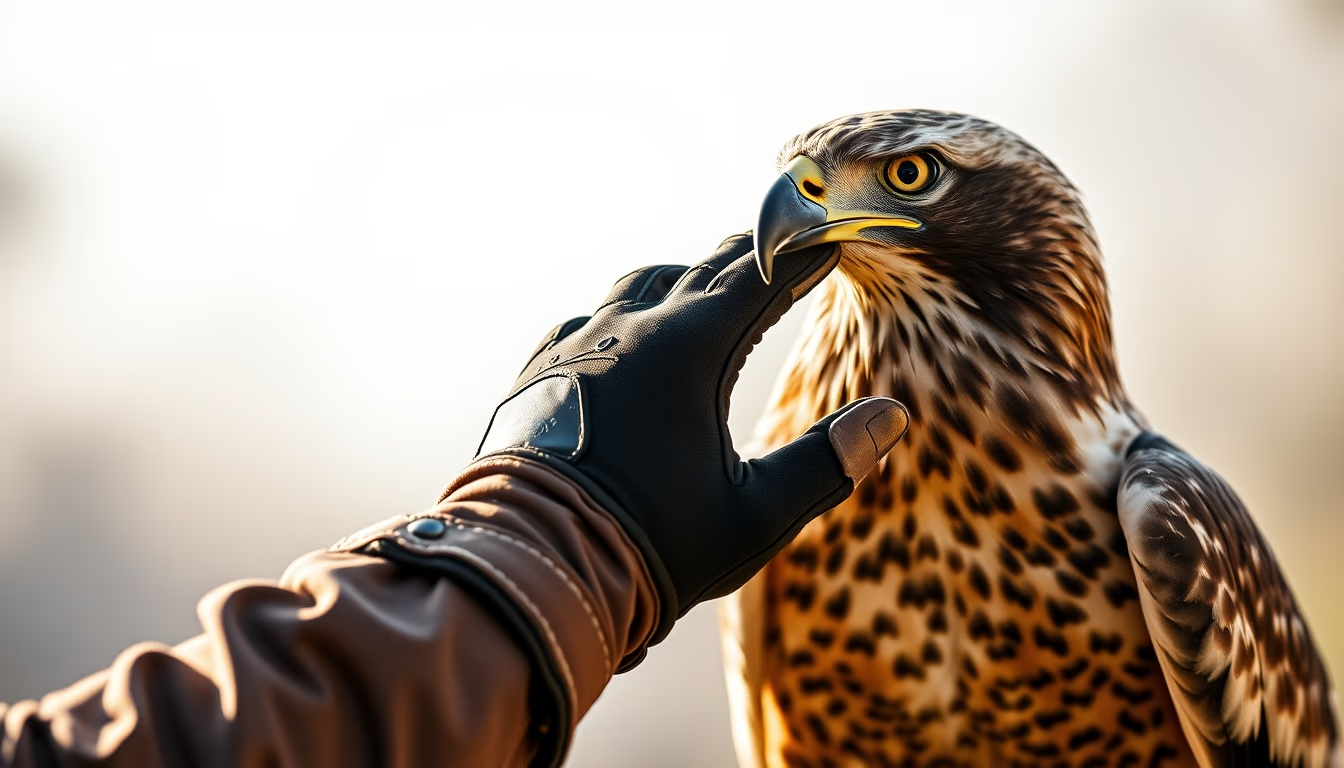
Hawk training glove
1344×768 · AVIF · CC BY 4.0
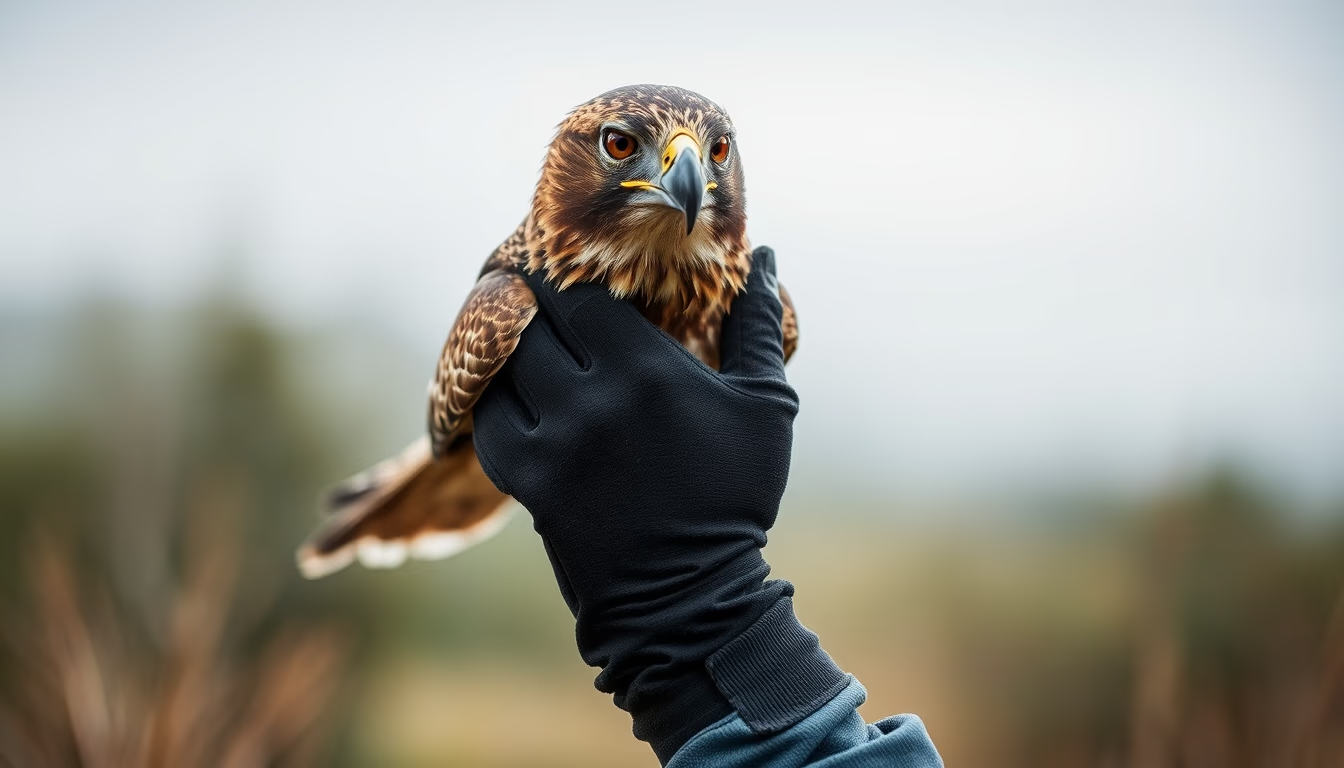
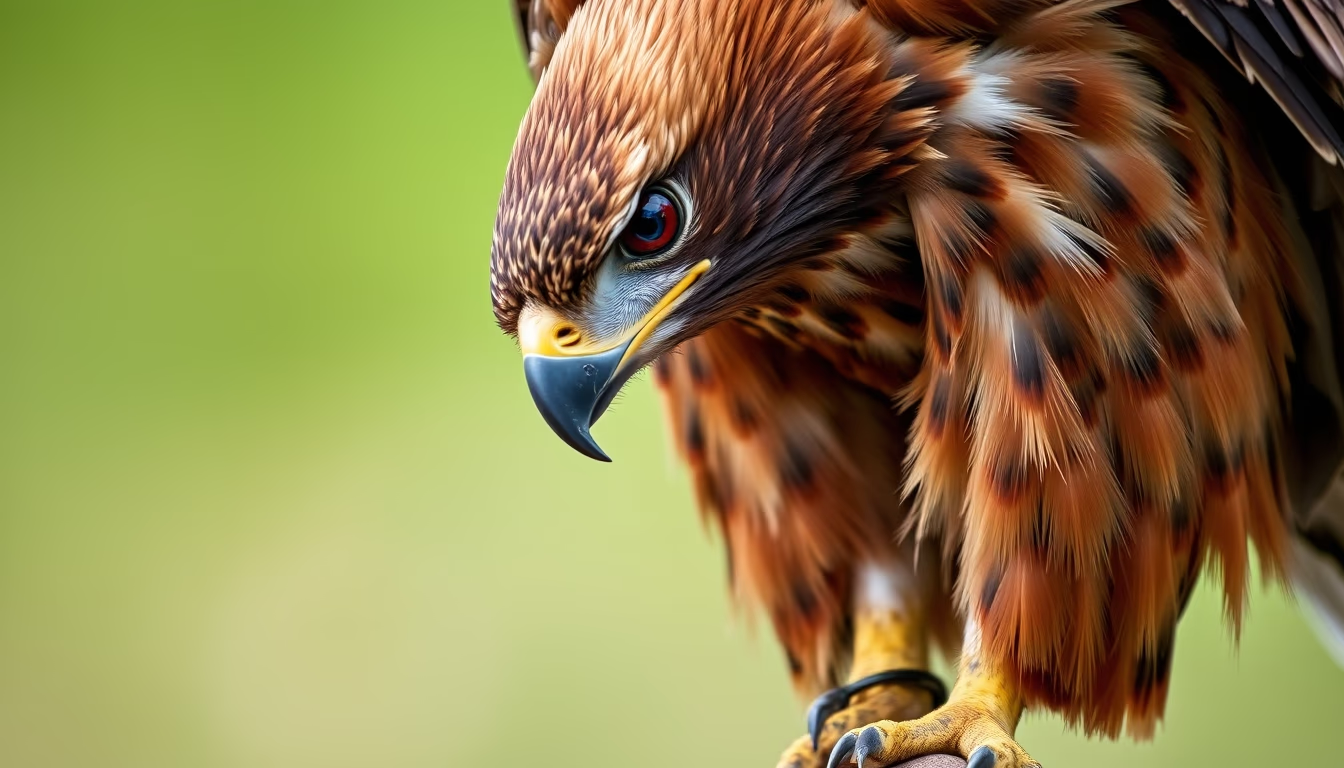
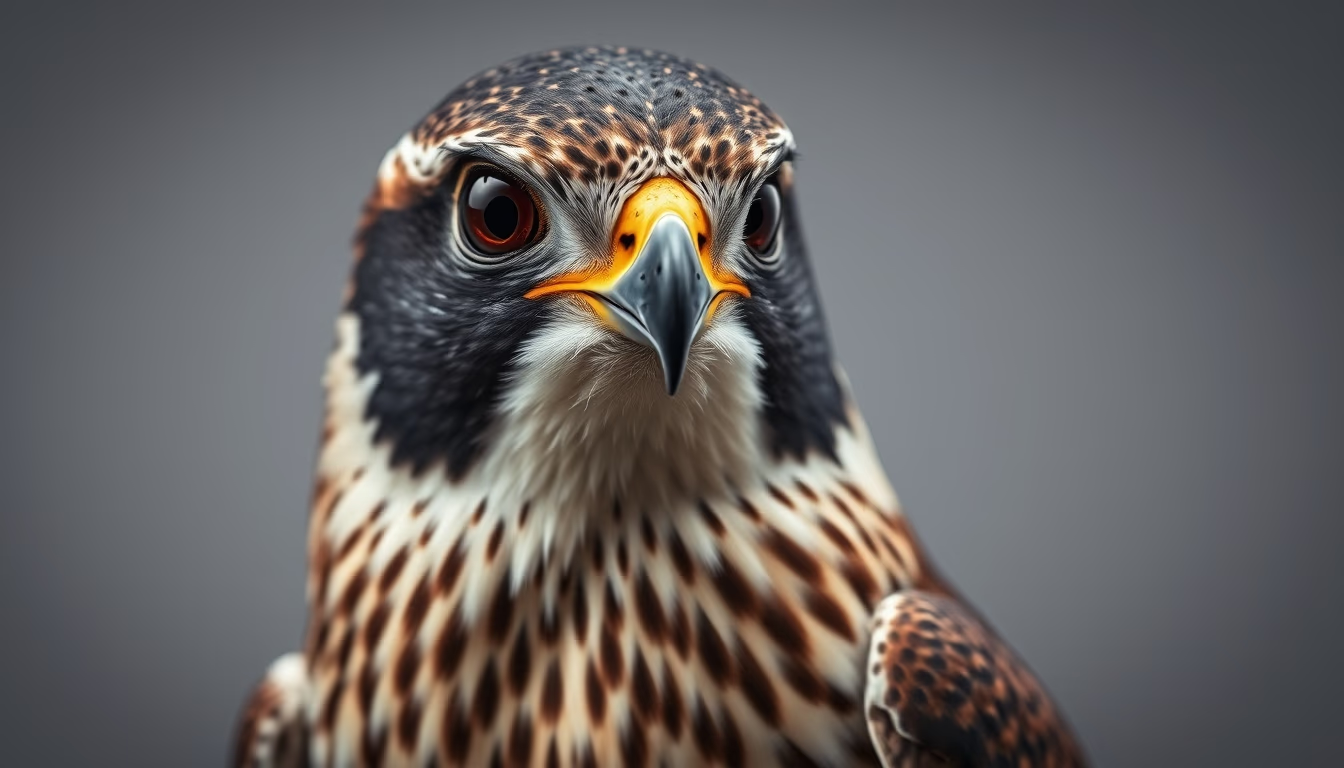
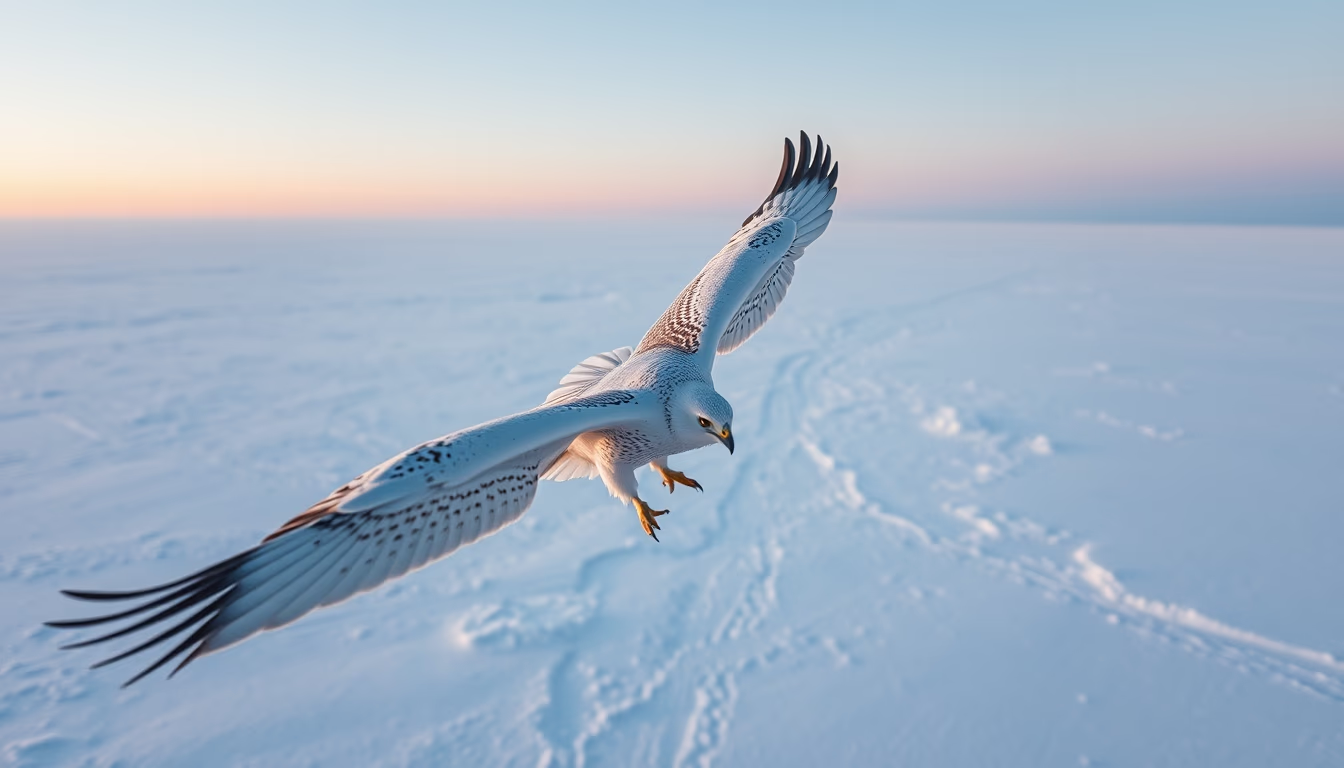
Falconry training glove, an essential tool for handling and training birds of prey, protects the falconer from sharp talons.
About this subject
The falconry training glove is an essential piece of equipment for any falconer, whether beginner or expert. Traditionally made from tough leather such as cowhide or kip, the glove features an extended cuff that covers the forearm, protecting against the sharp talons of raptors like falcons, eagles, and hawks. The design includes reinforced areas on the palm and fingers where the bird perches, along with ventilation holes to prevent overheating during long training sessions. The glove's origins date back millennia, accompanying falconry practices in Central Asia that later spread to Europe and beyond. In modern falconry, the glove not only shields the falconer but also builds trust between human and bird, serving as a safe and familiar landing spot during training. Leather choice is critical: it must be supple enough for hand movement yet tough enough to resist punctures. Some gloves incorporate synthetic materials like Kevlar for added strength, though natural leather remains preferred for durability and comfort. Proper maintenance, including regular cleaning and conditioning, extends the glove's lifespan. Different birds may require specific glove types based on weight and size, and many falconers own multiple gloves for various species and training stages.
Frequently Asked Questions
Why does a falconry training glove need to be made of leather?
Leather is the traditional material due to its puncture resistance and durability. It protects the falconer from the bird's talons while remaining flexible for hand movement.
How long does a well-maintained falconry glove last?
With proper care, including regular cleaning and conditioning, a leather glove can last several years. Wear depends on usage frequency and the bird's size.
Is there a difference between gloves for falcons and gloves for eagles?
Yes. Gloves for larger birds like eagles are thicker with extra reinforcement, while those for smaller falcons may be lighter and more flexible. The cuff length also varies.
Direct URL
https://pub-c7d6a6ea828543ac903a74a341ccb2e1.r2.dev/imagens/hawk-training-glove-documentary-nature-style-fresh7.avifHow to credit
Include a visible link back to UtilizAí. Copy one of the snippets below:
<a href="https://xn--utiliza-eza.com/en/midia/imagens/hawk-training-glove-documentary-nature-style-fresh7">Hawk training glove</a> by <a href="https://xn--utiliza-eza.com">UtilizAí</a>, licensed under <a href="https://creativecommons.org/licenses/by/4.0/">CC BY 4.0</a>.
[Hawk training glove](https://xn--utiliza-eza.com/en/midia/imagens/hawk-training-glove-documentary-nature-style-fresh7) by [UtilizAí](https://xn--utiliza-eza.com), CC BY 4.0
License: CC-BY-4.0