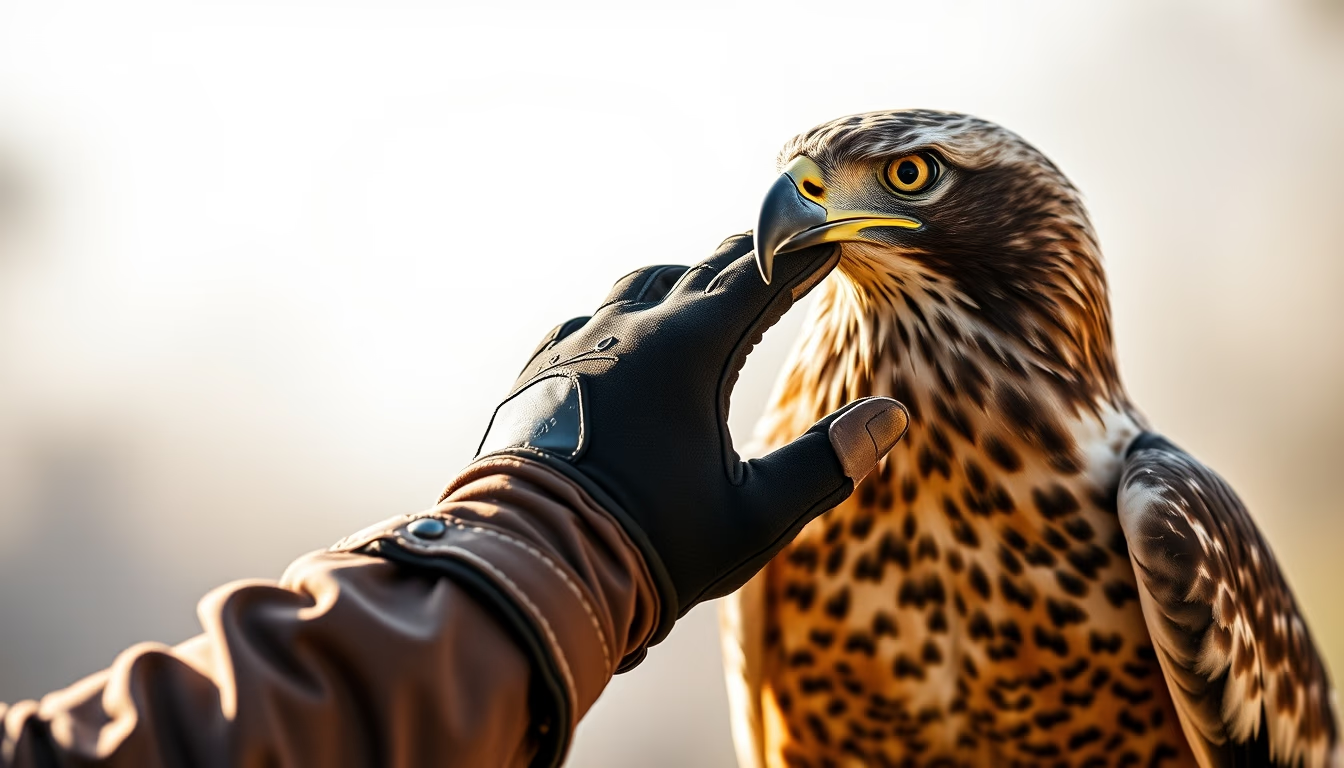
Hawk training glove
1344×768 · AVIF · CC BY 4.0
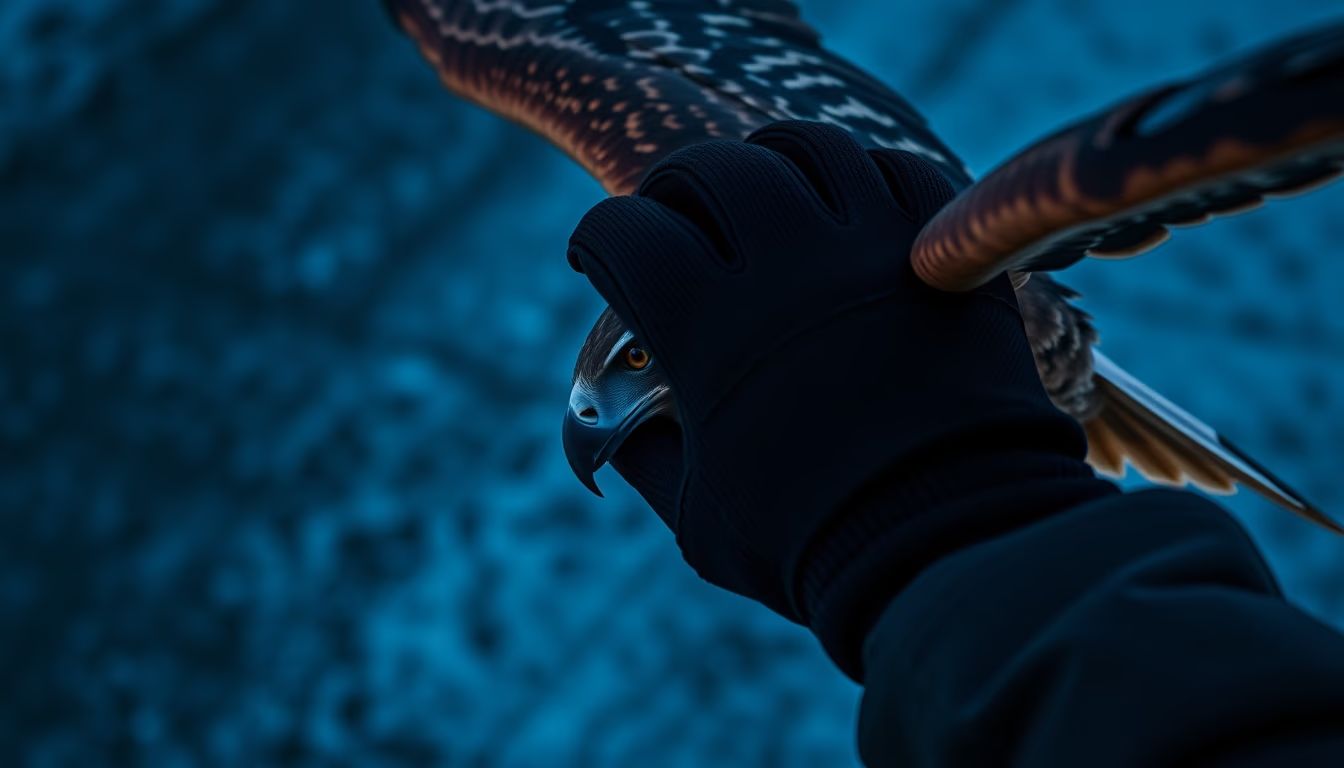
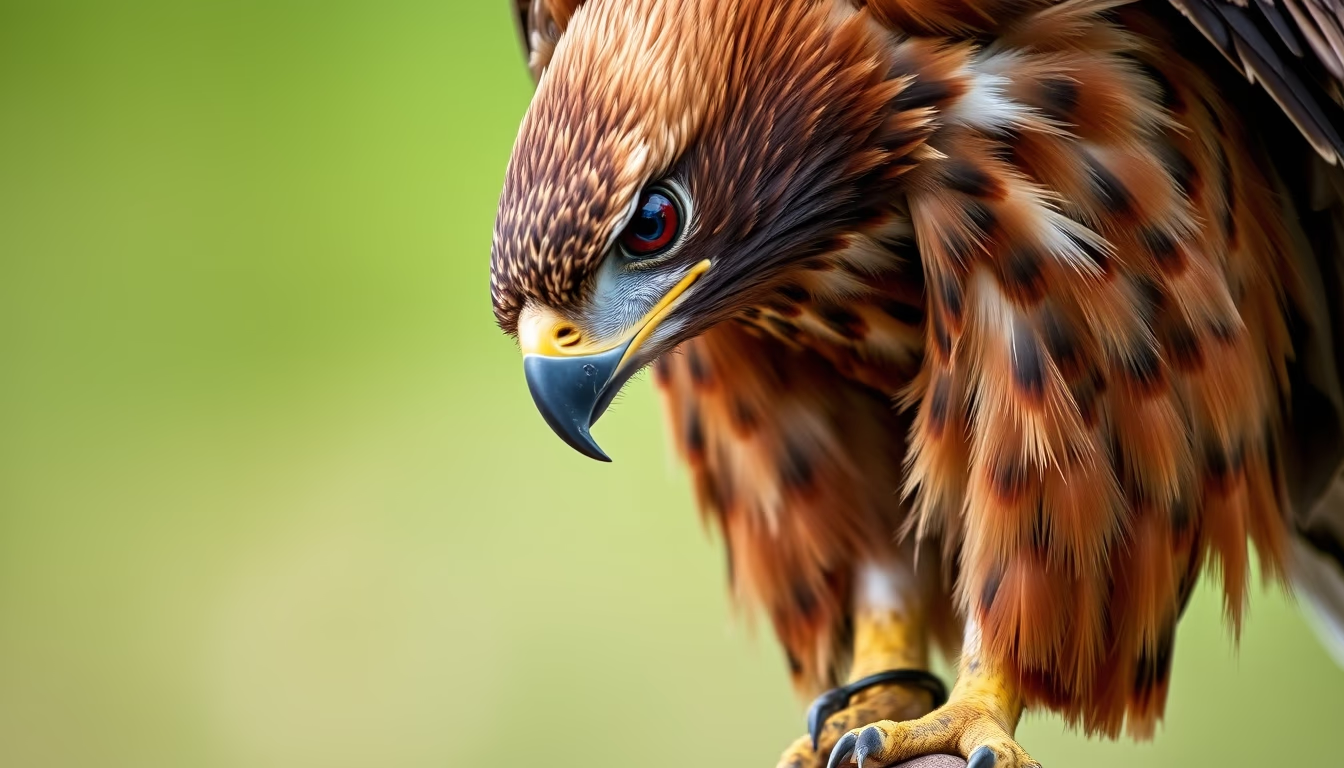
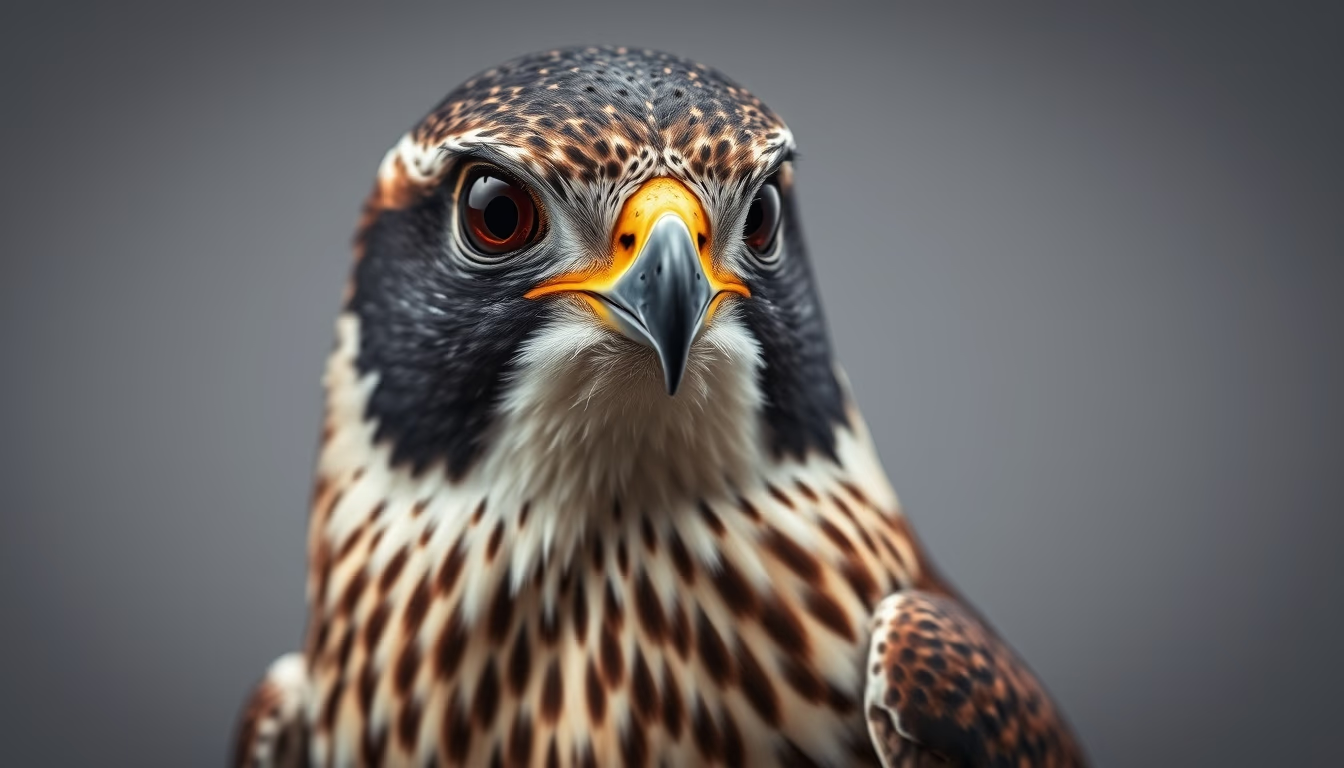
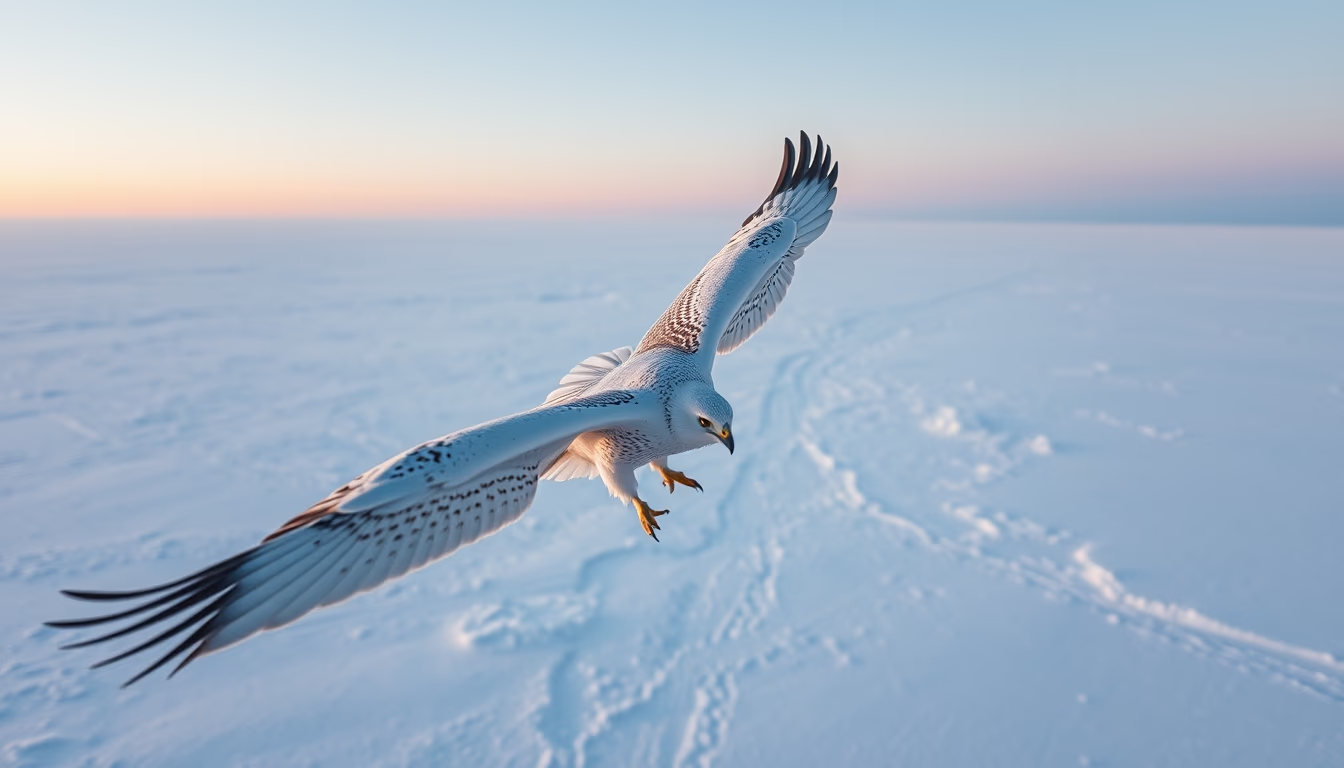
The hawk training glove is an essential piece of falconry equipment, protecting the falconer's arm from the sharp talons of birds of prey.
About this subject
The hawk training glove, also known as a falconry glove, is a durable leather accessory used to hold birds of prey such as falcons, eagles, and hawks. Traditionally made from cowhide or goatskin, the glove is stitched with Kevlar or nylon thread to withstand the grip of sharp talons. Its outer layer is thick and padded, while the inner side is thinner to allow tactile sensitivity when handling the bird.
Falconry practice dates back over 4,000 years, with origins in Central Asia. Training gloves have evolved to suit different species: shorter gloves for small falcons and longer ones extending to the elbow for larger birds like eagles. In Brazil, falconry is regulated by Ibama, and gloves must be certified to ensure both animal and handler safety.
The glove also serves as a conditioning tool: during training, the falconer rewards the bird with food when it lands on the glove. This positive reinforcement strengthens the bond between human and animal. Modern gloves incorporate synthetic materials and ergonomic designs, but many professionals still prefer traditional leather for its comfort and durability.
Interesting fact: each glove has an average lifespan of 2 to 3 years of intensive use, and wear on the fingertips indicates training frequency. Choosing the correct size is crucial: a loose glove may twist on the arm, while a tight one impairs circulation. There are also specific gloves for free flight and for handling on a perch, differing in thickness and length.
Frequently Asked Questions
What is the ideal thickness for a falconry glove?
The ideal thickness depends on the bird species. For smaller hawks and falcons, about 4 to 5 mm of leather is recommended. For larger birds like eagles, the glove may be up to 8 mm thick in the palm area.
Can synthetic gloves be used instead of leather?
Yes, modern synthetic gloves offer durability and resistance. However, many falconers prefer natural leather because it molds to the hand and provides better grip.
How should the training glove be cleaned and maintained?
Clean the glove with a damp cloth and mild soap, avoiding soaking the leather. Dry it in the shade and apply leather grease or conditioner every 2 months to maintain flexibility.
Direct URL
https://pub-c7d6a6ea828543ac903a74a341ccb2e1.r2.dev/imagens/hawk-training-glove-aerial-drone-shot-fresh1.avifHow to credit
Include a visible link back to UtilizAí. Copy one of the snippets below:
<a href="https://xn--utiliza-eza.com/en/midia/imagens/hawk-training-glove-aerial-drone-shot-fresh1">Hawk training glove</a> by <a href="https://xn--utiliza-eza.com">UtilizAí</a>, licensed under <a href="https://creativecommons.org/licenses/by/4.0/">CC BY 4.0</a>.
[Hawk training glove](https://xn--utiliza-eza.com/en/midia/imagens/hawk-training-glove-aerial-drone-shot-fresh1) by [UtilizAí](https://xn--utiliza-eza.com), CC BY 4.0
License: CC-BY-4.0