Granite mountain massive
1344×768 · AVIF · CC BY 4.0
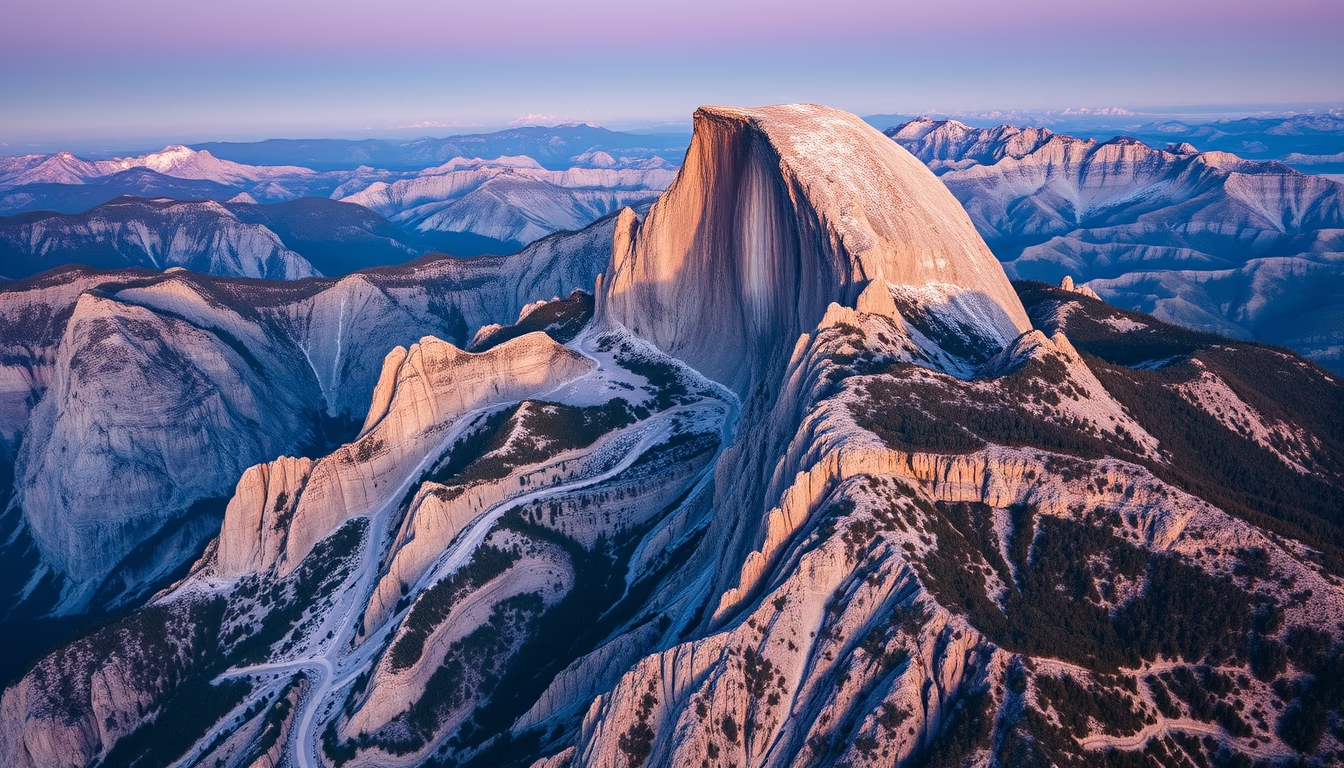
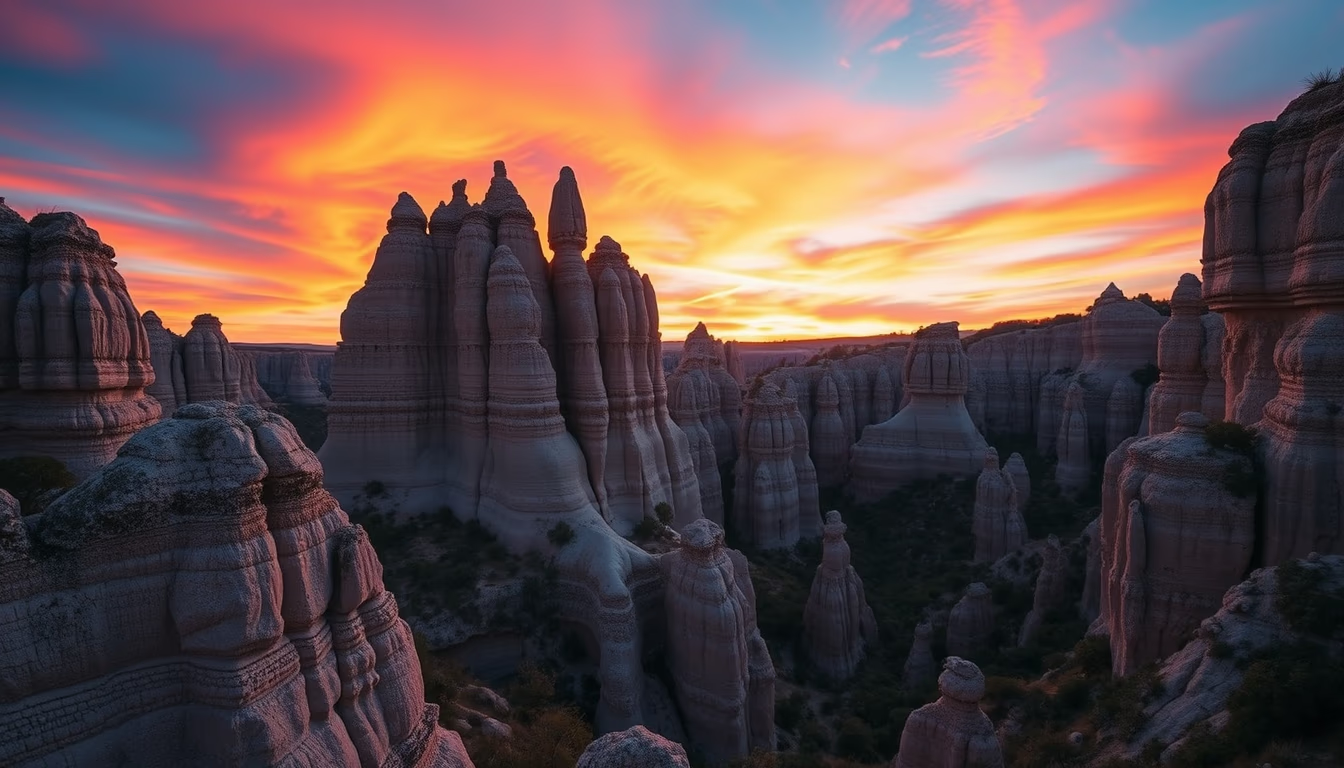
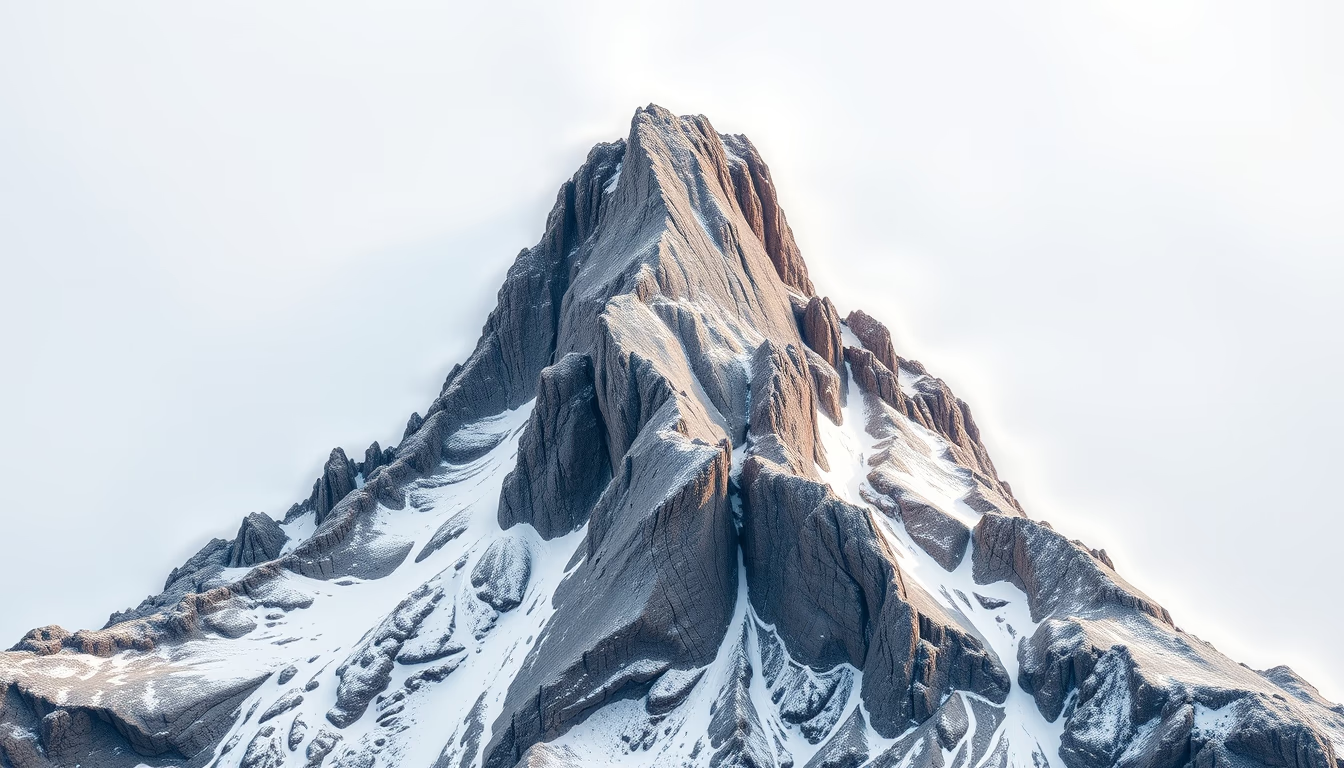
Granite mountains are spectacular rock formations, carved by millions of years of erosion, standing out in various landscapes around the world.
About this subject
Granite mountains are formed from the slow cooling of magma beneath the Earth's surface, creating intrusive igneous rocks with large, visible crystals. This geological process has occurred over billions of years, resulting in massifs such as Half Dome in Yosemite National Park (USA) and Sugarloaf Mountain in Rio de Janeiro. In Brazil, iconic examples include Pedra da Gávea and Dedo de Deus, both on granitic rocks that bear witness to intense tectonic activity from the Precambrian era.
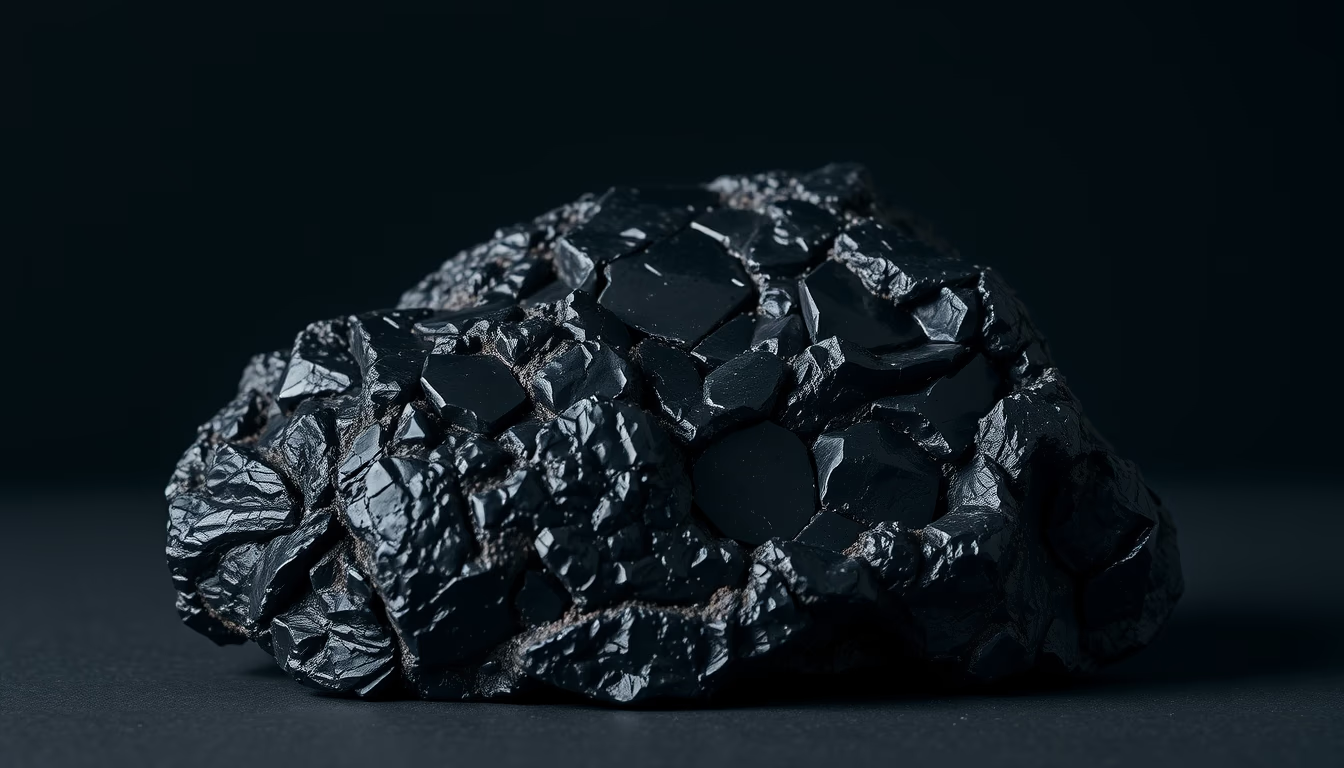
The resistance of granite to erosion allows these mountains to maintain imposing shapes even after millions of years. Chemical weathering can create cracks and rounded boulders, as seen in the famous “bornhardts” (monoliths) of Australia. Glacial erosion has produced U-shaped valleys and sharp peaks, such as Mount Whitney in California. The mineral composition (feldspar, quartz, and mica) also influences the variable colors of landscapes, from gray to pink.
Culturally, granite mountains hold great significance. Mount Rushmore, carved into the rock, is an American national monument. In Brazil, Sugarloaf Mountain is one of the most famous postcards, with cable cars taking visitors to the top. Many of these formations are sacred to indigenous peoples, who see them as places of spiritual power. Rock climbing is a common practice on these vertical walls, attracting adventurers from around the world.
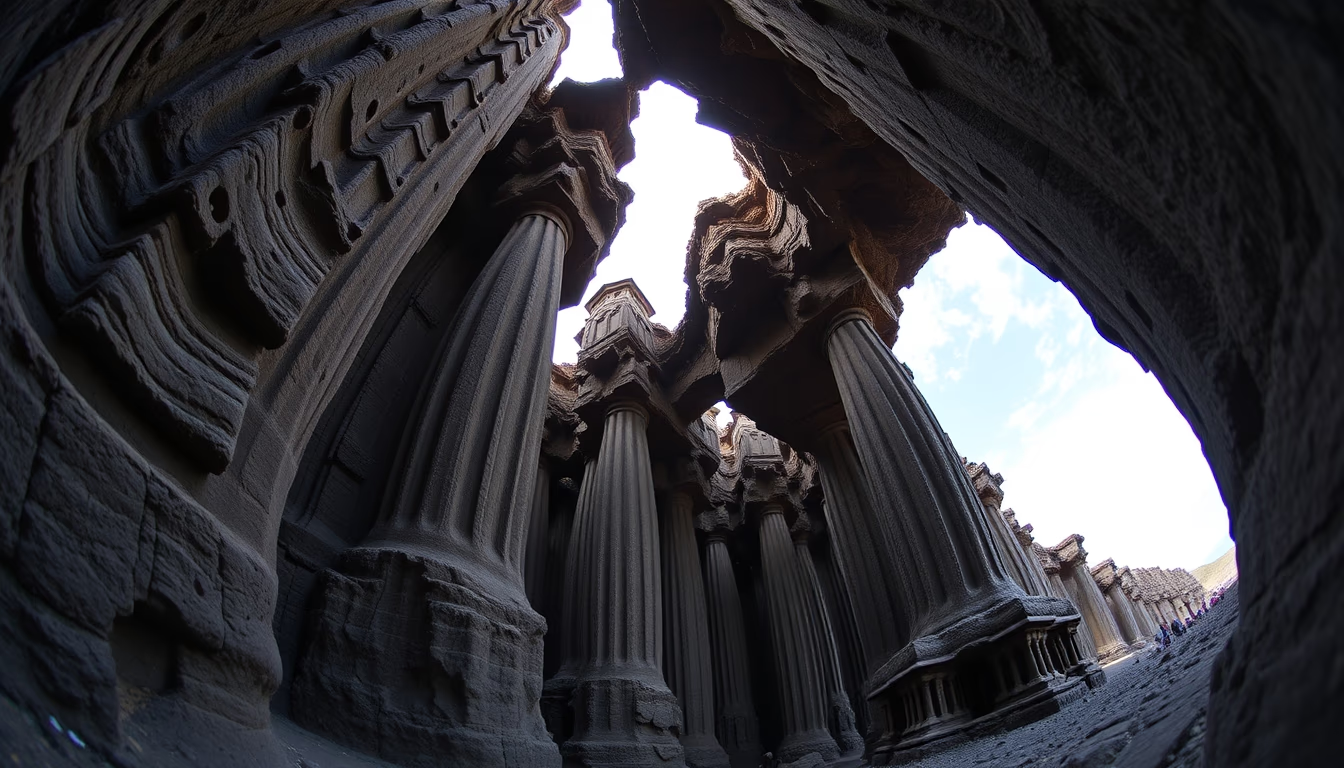
Interestingly, granite is also used in construction due to its durability. The Luxor Temple in Egypt and the Alhambra Palace in Spain incorporate blocks of this rock. Geological studies indicate that granite mountains are among the oldest structures on Earth, some dating back over 3 billion years, such as those found in the Amazonian Craton.
Frequently Asked Questions
How are granite mountains formed?
They form when magma cools slowly beneath the Earth's surface, crystallizing minerals like quartz, feldspar, and mica. Over time, erosion removes the overlying layers, exposing the granitic rock.
Where are the largest granite mountains in the world located?
Large granite massifs include Half Dome (USA), Sugarloaf Mountain (Brazil), Mount Whitney (USA), and the Serra da Estrela massif (Portugal). In Brazil, Pedra da Gávea in Rio de Janeiro stands out.
What is the cultural significance of granite?
Granite is used in monuments and historical buildings, such as Mount Rushmore and the Luxor Temple. For indigenous peoples, many granite mountains are sacred and used in rituals.
Direct URL
https://pub-c7d6a6ea828543ac903a74a341ccb2e1.r2.dev/imagens/granite-mountain-massive-aerial-drone-shot-fresh5.avifHow to credit
Include a visible link back to UtilizAí. Copy one of the snippets below:
<a href="https://xn--utiliza-eza.com/en/midia/imagens/granite-mountain-massive-aerial-drone-shot-fresh5">Granite mountain massive</a> by <a href="https://xn--utiliza-eza.com">UtilizAí</a>, licensed under <a href="https://creativecommons.org/licenses/by/4.0/">CC BY 4.0</a>.
[Granite mountain massive](https://xn--utiliza-eza.com/en/midia/imagens/granite-mountain-massive-aerial-drone-shot-fresh5) by [UtilizAí](https://xn--utiliza-eza.com), CC BY 4.0
License: CC-BY-4.0