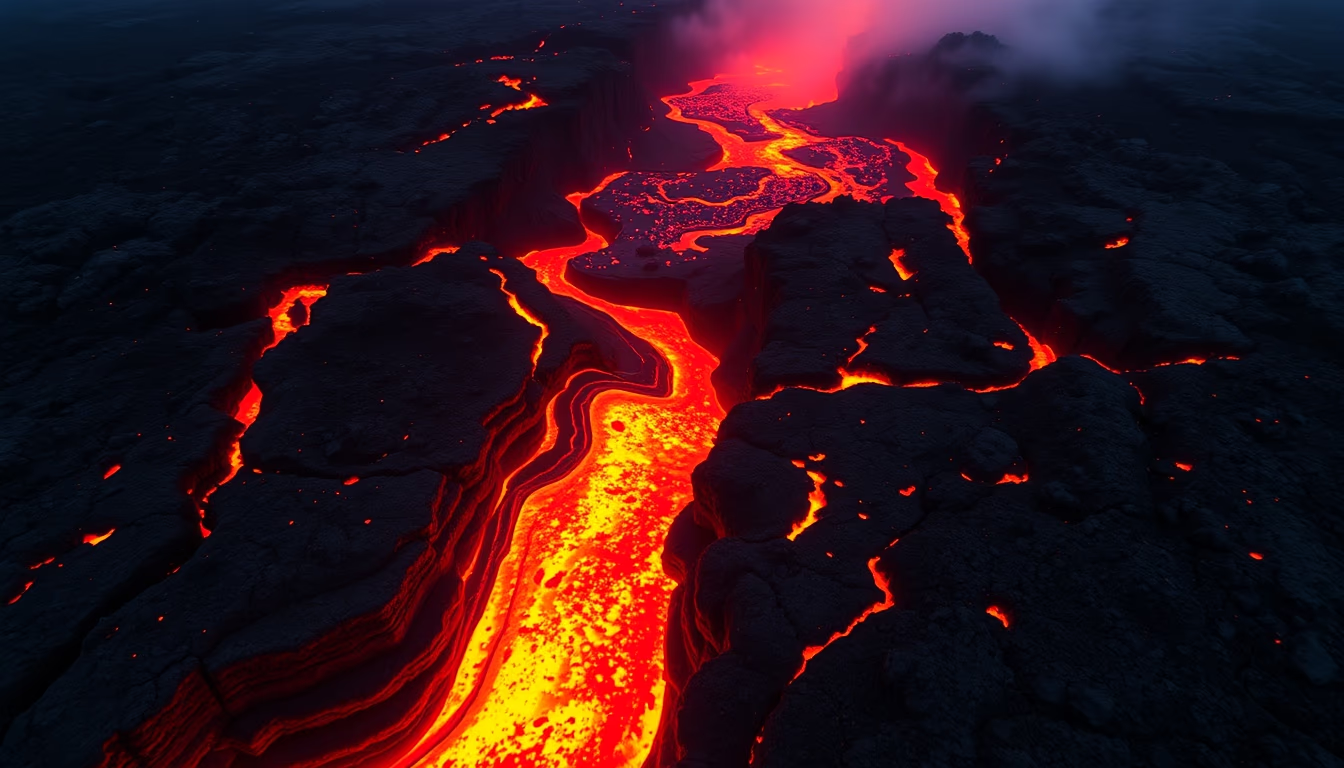
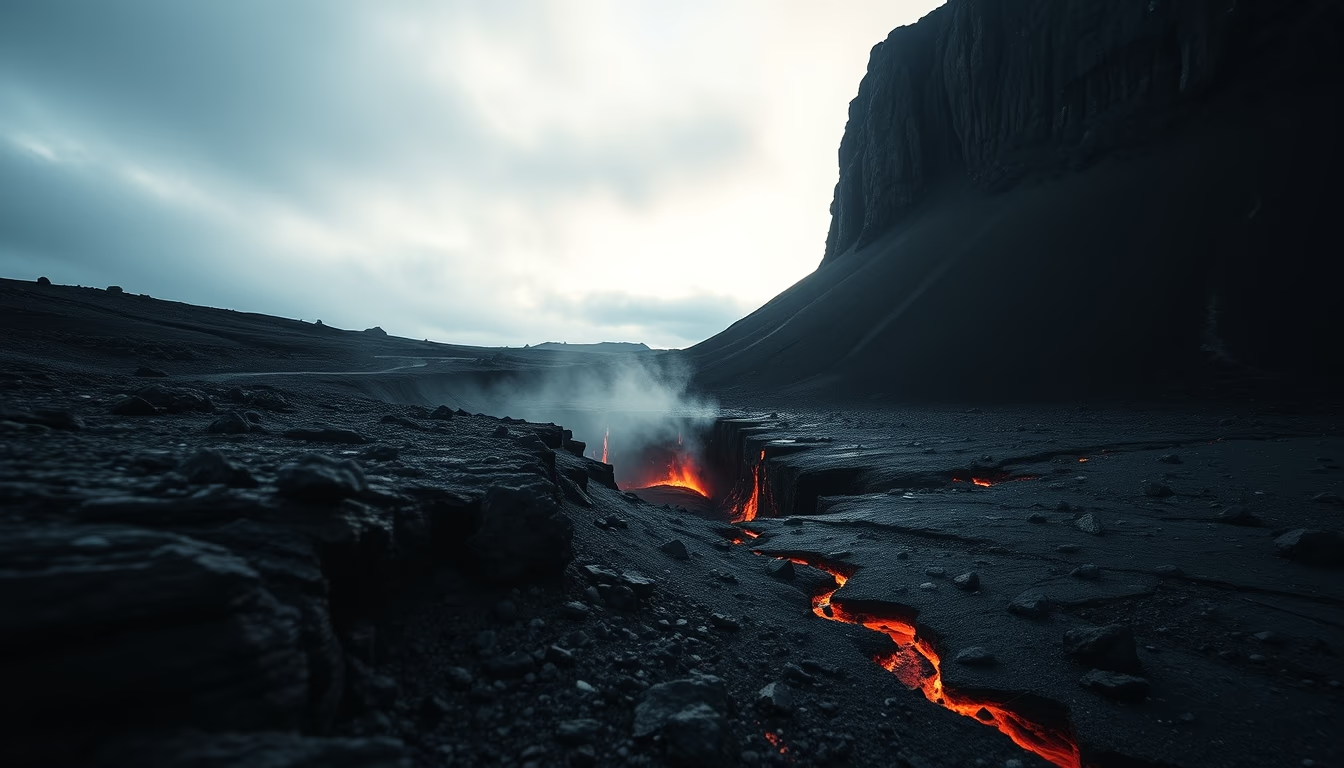
Fuego guatemala explosion
1344×768 · AVIF · CC BY 4.0
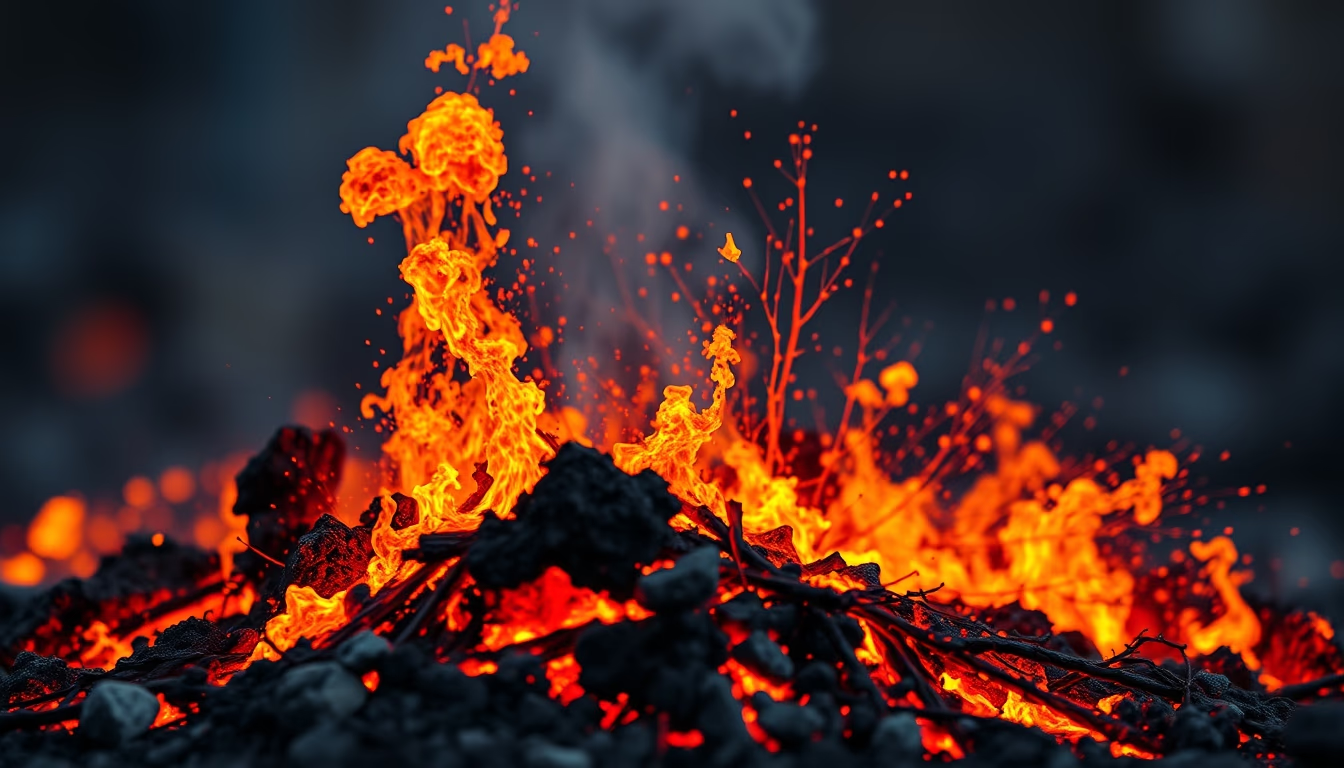
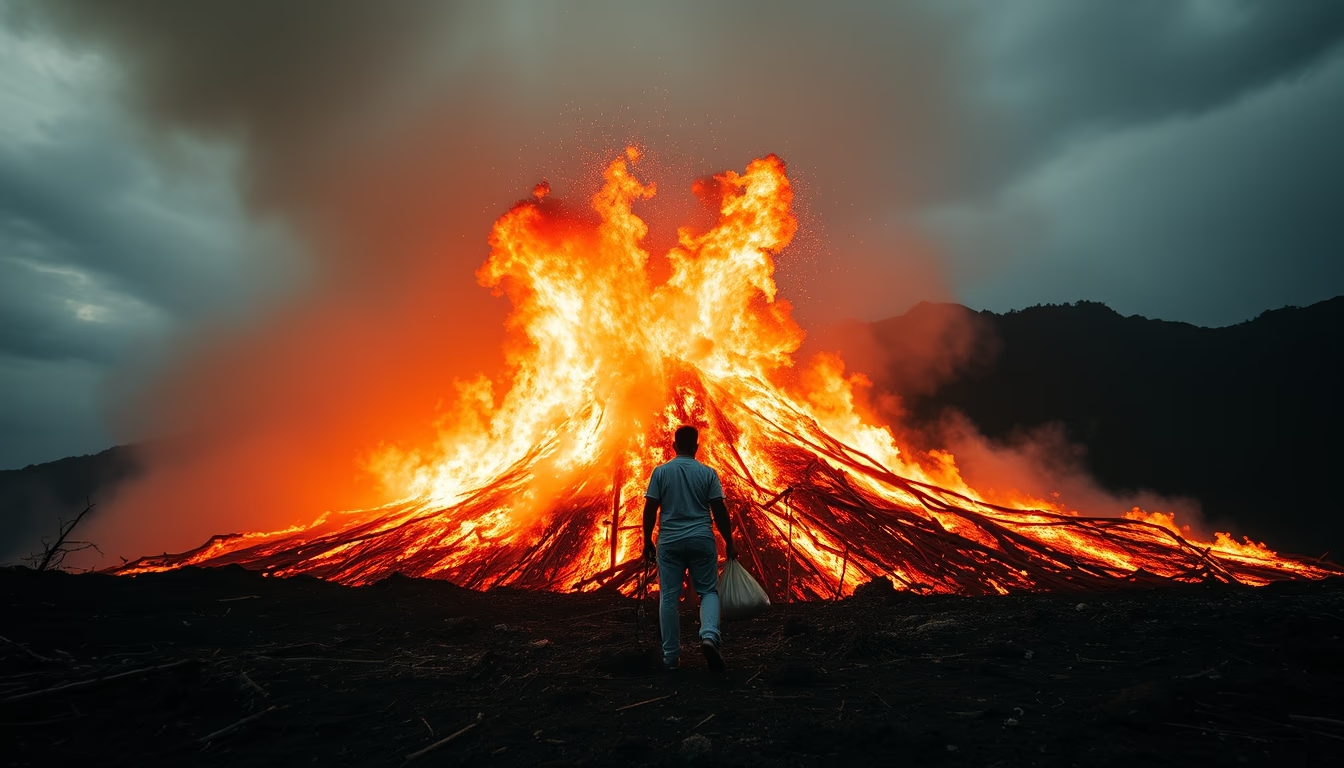
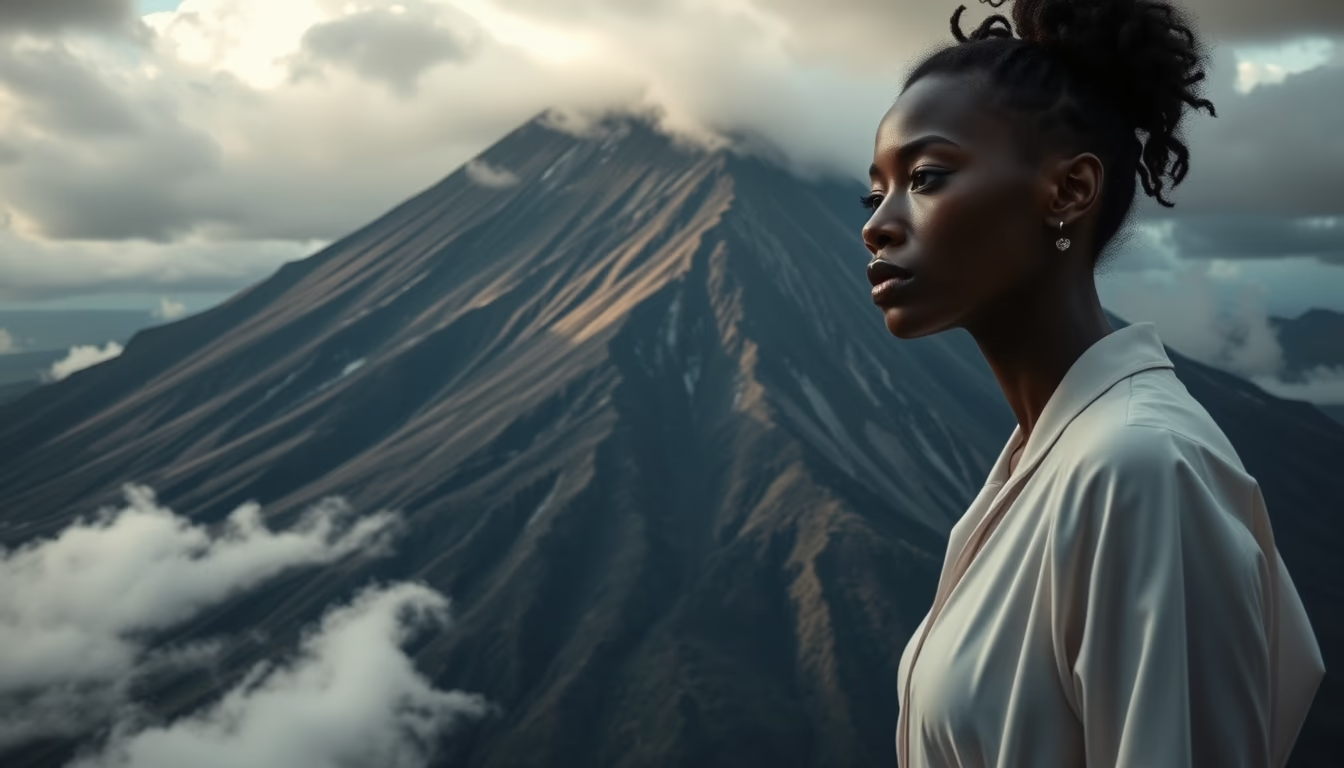
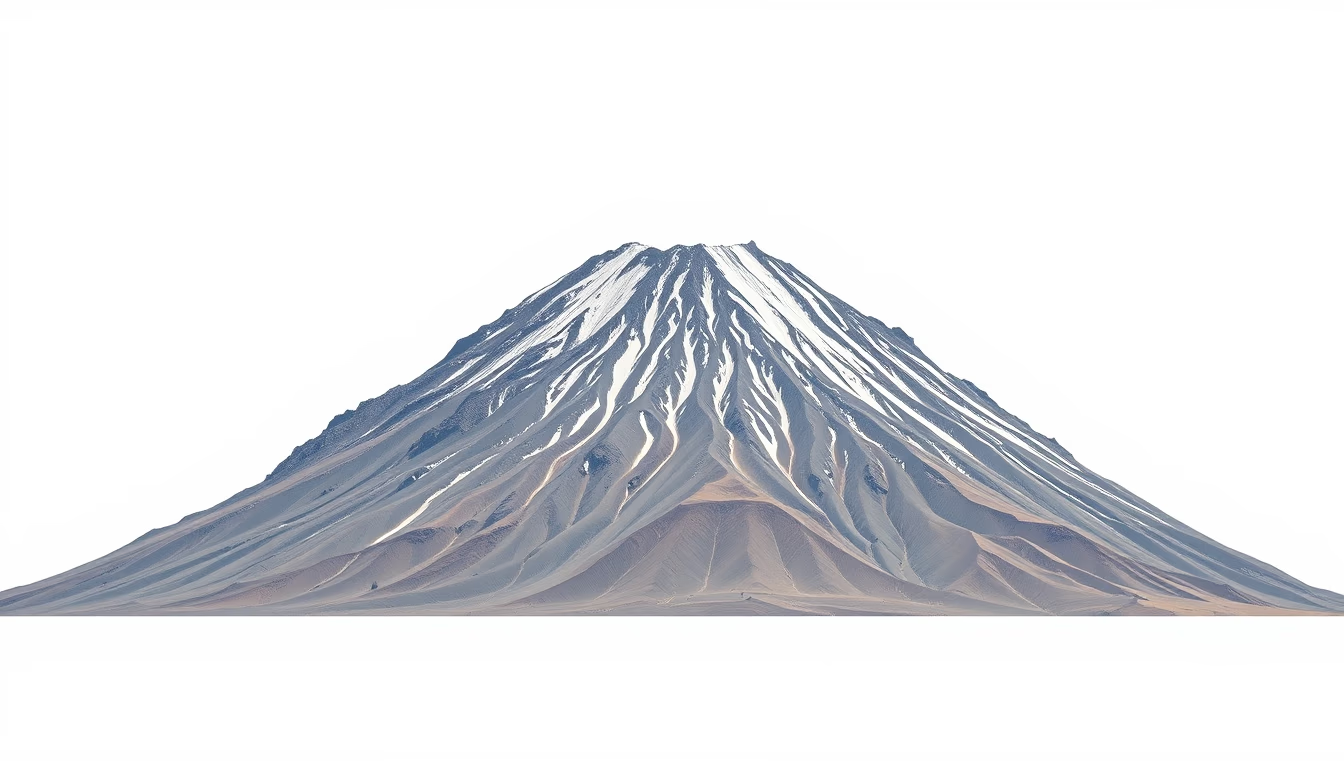
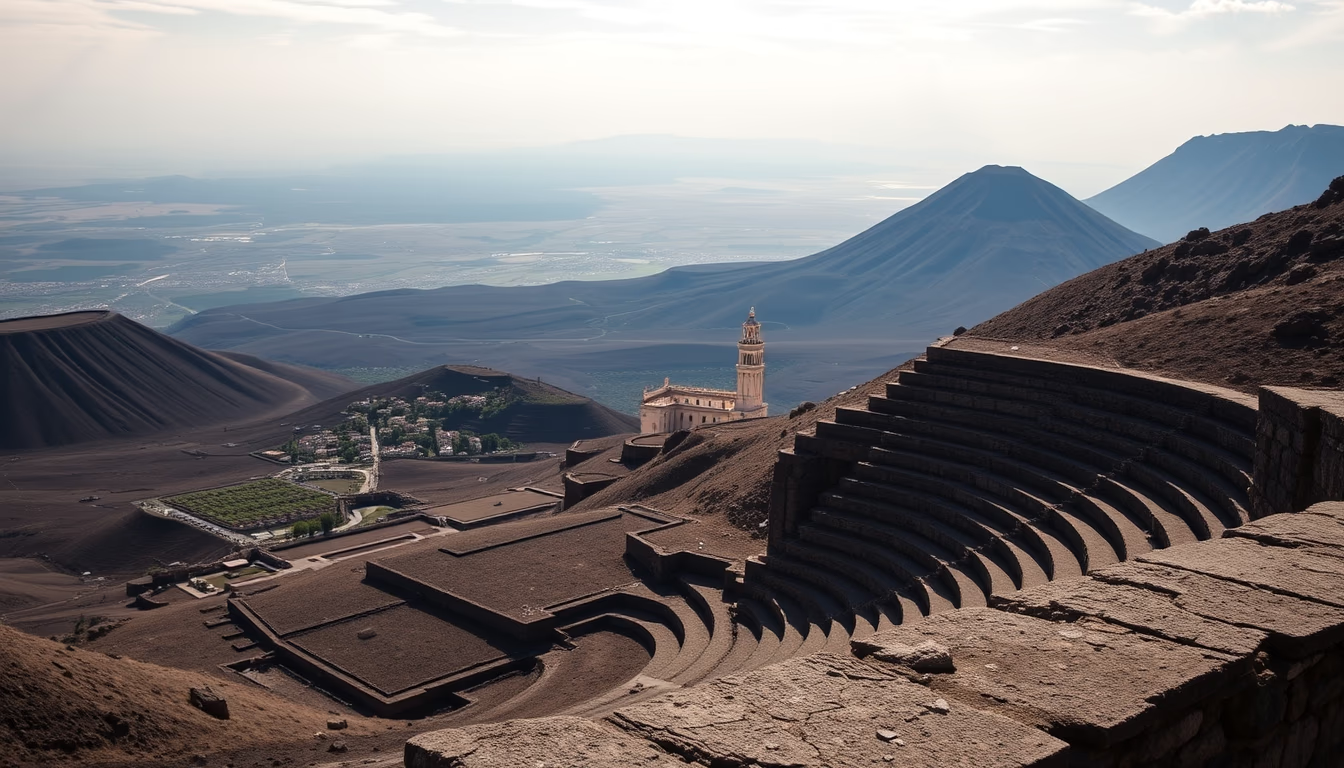
O Vulcão de Fuego, na Guatemala, é um dos mais ativos da América Central, com erupções frequentes que moldam a paisagem e a cultura local.
Sobre o tema
O Vulcão de Fuego, localizado na Guatemala, é um estratovulcão que faz parte da Cordilheira Vulcânica Centro-Americana. Com aproximadamente 3.763 metros de altitude, é conhecido por sua atividade eruptiva quase contínua desde a conquista espanhola no século XVI. O nome 'Fuego' significa 'fogo' em espanhol, uma referência direta às suas constantes explosões e fluxos de lava. Ele fica próximo à cidade histórica de Antígua Guatemala, Patrimônio Mundial da UNESCO, e suas erupções ocasionalmente afetam comunidades vizinhas, como as aldeias de Alotenango e San Pedro Yepocapa.
O Fuego é um dos vulcões mais monitorados da região, com estudos que registram eventos como explosões estrombolianas e vulcânicas. Em junho de 2018, uma erupção particularmente violenta causou a morte de centenas de pessoas e devastou áreas rurais, destacando os riscos geológicos da região. A atividade do vulcão também contribui para a fertilidade do solo, permitindo o cultivo de café e cana-de-açúcar nas encostas. Turistas e alpinistas frequentemente escalam o vulcão vizinho Acatenango para observar as erupções noturnas do Fuego, um espetáculo natural impressionante.
Culturalmente, o Fuego é reverenciado nas tradições maias e católicas da Guatemala. Para os maias, o vulcão representa uma divindade associada ao fogo e à renovação. Já na religião católica, procissões e orações são realizadas em épocas de erupção, buscando proteção divina. O vulcão também inspira arte local, como pinturas e artesanato, sendo um símbolo nacional da força da natureza. Cientistas e vulcanólogos de todo o mundo estudam o Fuego para entender melhor os mecanismos das erupções explosivas e melhorar sistemas de alerta precoce.
Apesar dos perigos, as comunidades ao redor do Fuego desenvolvem estratégias de adaptação, como rotas de evacuação e abrigos temporários. A erupção de 2018 levou a melhorias na preparação para desastres, incluindo treinamento de voluntários e sistemas de monitoramento em tempo real. O vulcão continua sendo um laboratório natural para a vulcanologia e um lembrete da dinâmica geológica da Terra.
Perguntas frequentes
Qual é a altura do Vulcão de Fuego?
O Vulcão de Fuego tem aproximadamente 3.763 metros de altitude, sendo um dos picos mais altos da Guatemala.
O Vulcão de Fuego está ativo atualmente?
Sim, o Fuego está entre os vulcões mais ativos do mundo, com erupções frequentes que incluem explosões e fluxos de lava.
Que impacto a erupção de 2018 teve nas comunidades locais?
A erupção de junho de 2018 causou centenas de mortes, destruiu vilarejos e levou a melhorias nos sistemas de alerta e evacuação.
URL direta
https://pub-c7d6a6ea828543ac903a74a341ccb2e1.r2.dev/imagens/fuego-guatemala-explosion-macro-closeup-fresh12.avifComo creditar
Inclua um link visível de volta pro UtilizAí. Copie um dos snippets abaixo:
<a href="https://xn--utiliza-eza.com/midia/imagens/fuego-guatemala-explosion-macro-closeup-fresh12">Fuego guatemala explosion</a> by <a href="https://xn--utiliza-eza.com">UtilizAí</a>, licensed under <a href="https://creativecommons.org/licenses/by/4.0/">CC BY 4.0</a>.
[Fuego guatemala explosion](https://xn--utiliza-eza.com/midia/imagens/fuego-guatemala-explosion-macro-closeup-fresh12) by [UtilizAí](https://xn--utiliza-eza.com), CC BY 4.0
Licença: CC-BY-4.0