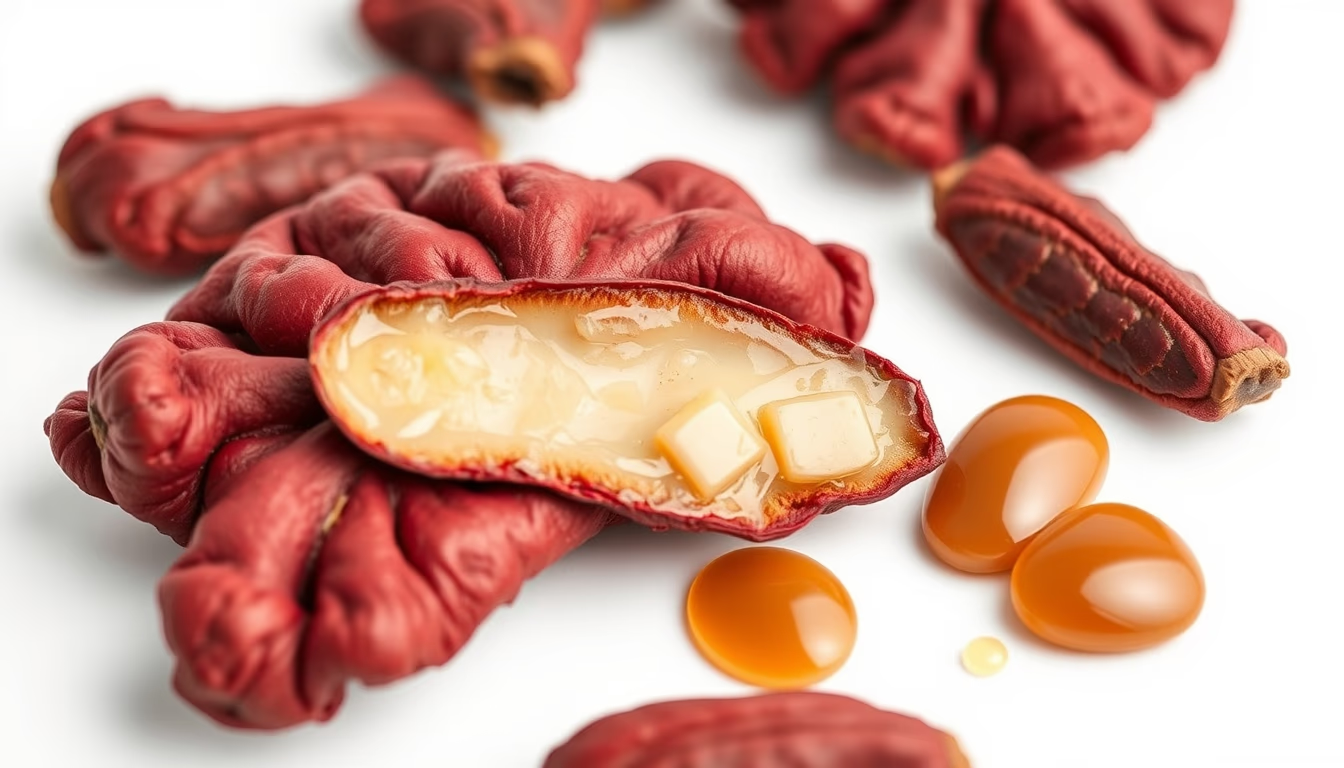
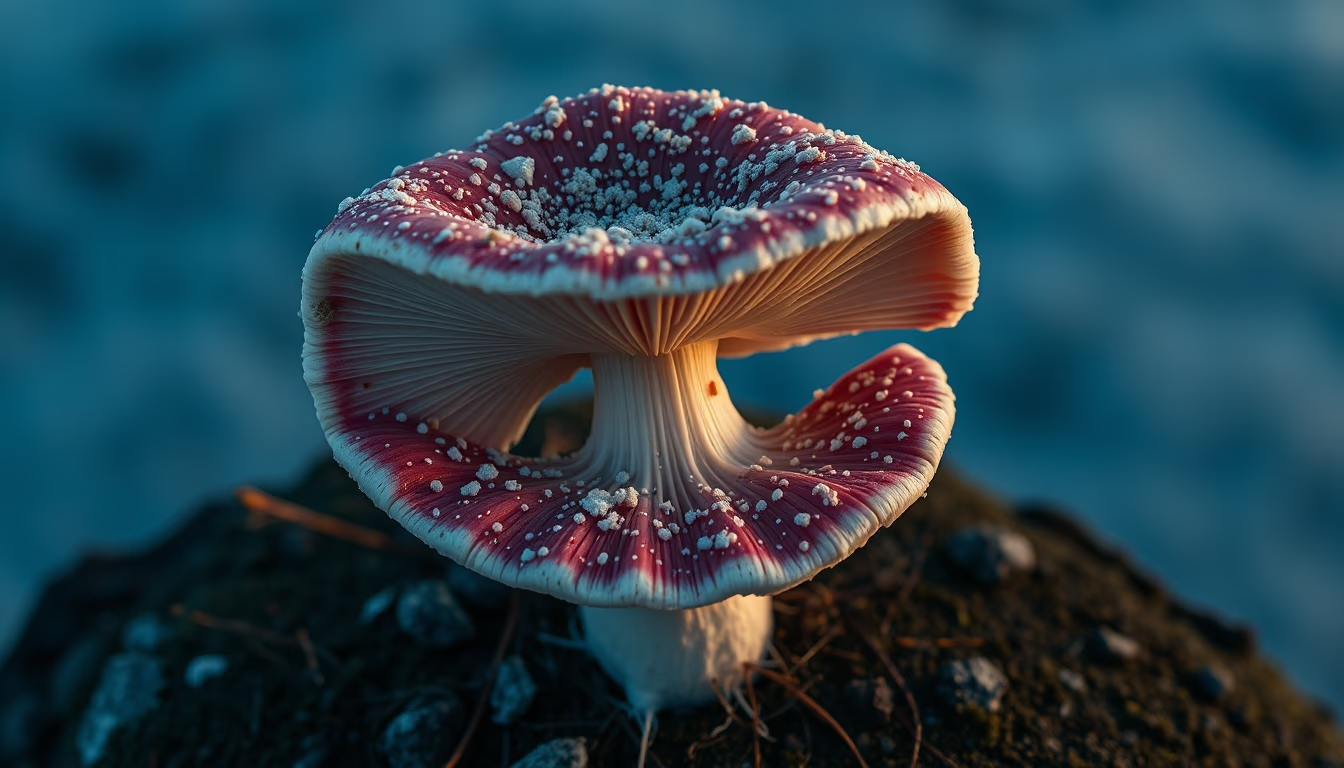
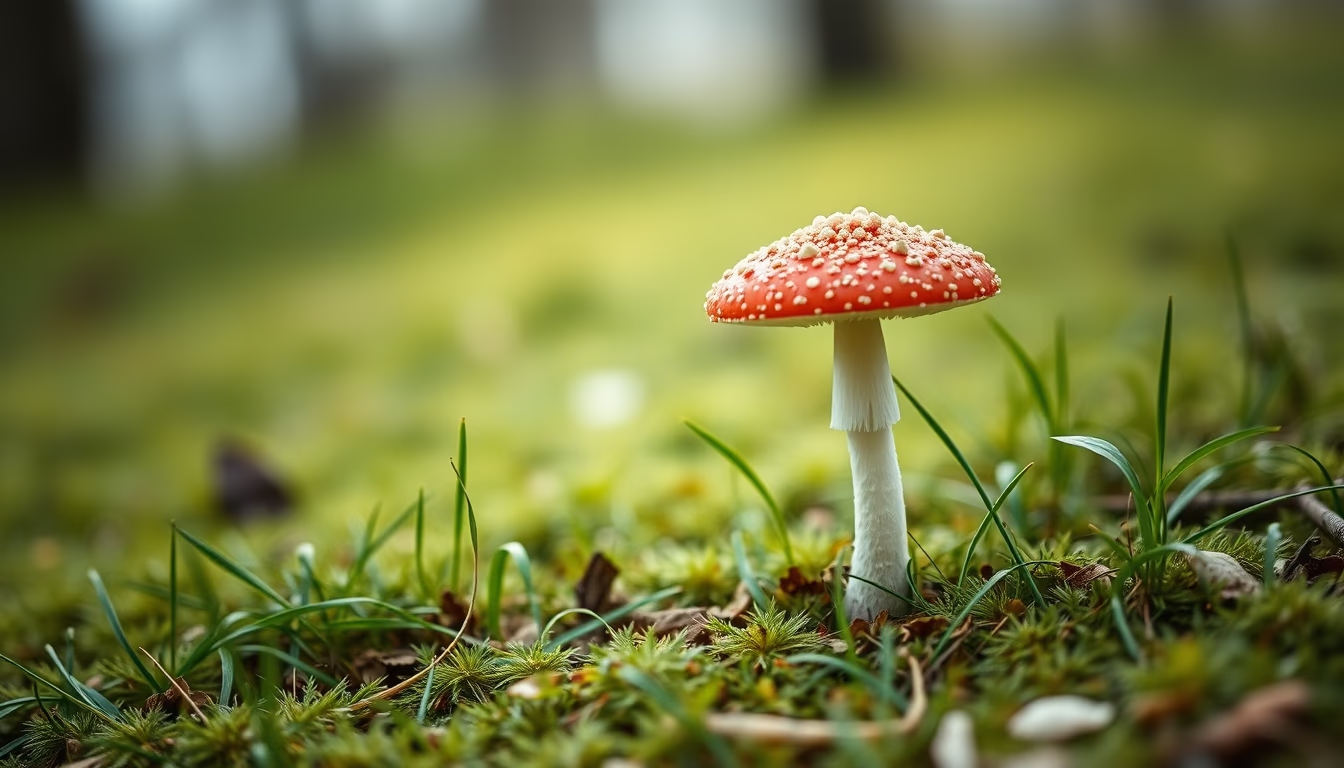
Fly agaric forest floor
1344×768 · AVIF · CC BY 4.0
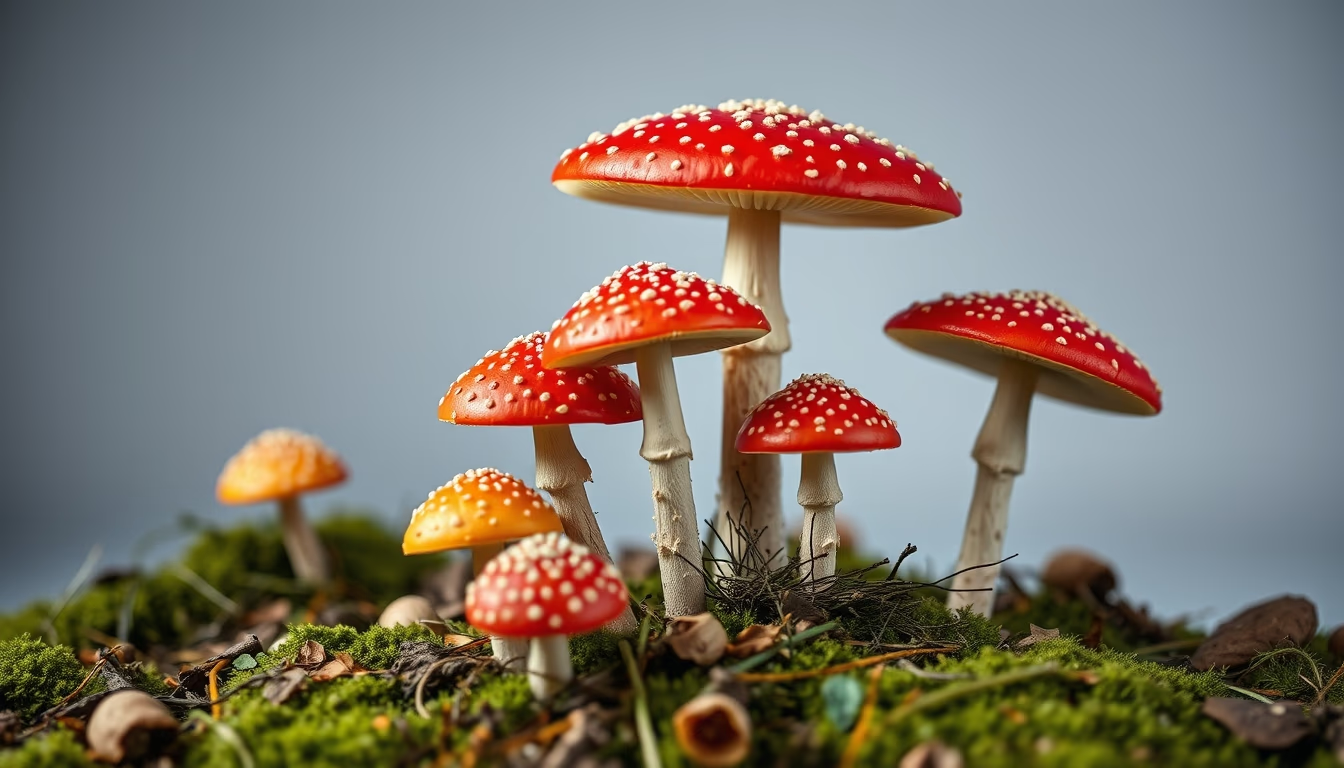
O Amanita muscaria, conhecido como agário-das-moscas, é famoso por seu chapéu vermelho com pintas brancas e seu papel em tradições xamânicas e na cultura popular.
Sobre o tema
O agário-das-moscas, ou Amanita muscaria, é um cogumelo facilmente reconhecível por seu chapéu vermelho-alaranjado coberto por verrugas brancas, remanescentes do véu universal. Embora seja nativo de regiões temperadas e boreais do Hemisfério Norte, como Europa, Ásia e América do Norte, também foi introduzido em outros continentes, incluindo o Brasil, onde aparece associado a pinheiros exóticos em áreas de clima ameno. Sua simbiose micorrízica com raízes de árvores, especialmente bétulas e coníferas, é essencial para seu desenvolvimento.
A toxidade do Amanita muscaria é bem documentada: contém ácido ibotênico e muscimol, compostos psicoativos que provocam efeitos alucinógenos, náuseas e desorientação. Diferentemente de amanitas mortais como a Amanita phalloides, raramente é letal, mas seu consumo não é recomendado. Historicamente, foi usado por povos xamânicos da Sibéria em rituais de alteração da consciência, onde o cogumelo seco era ingerido ou aplicado topicamente. Acredita-se que sua aparência tenha inspirado contos de fadas e imagens de duendes e cogumelos mágicos na cultura ocidental.
Curiosamente, o nome popular 'agário-das-moscas' deriva do uso tradicional do cogumelo em leite para atrair e matar moscas, devido às propriedades inseticidas do muscimol. Embora seja um símbolo icônico da natureza, é um organismo complexo: sua cor vermelha sinaliza perigo para predadores, enquanto a associação com árvores depende de relações ecológicas delicadas. Em algumas regiões, como na Itália, após tratamento térmico, é consumido, mas a prática é arriscada e desaconselhada por micologistas.
Perguntas frequentes
O agário-das-moscas é mortal?
Não, mas é tóxico. Contém compostos psicoativos que podem causar náuseas, alucinações e desorientação, mas raramente é letal. A ingestão não é recomendada.
Onde o Amanita muscaria é encontrado?
É nativo de regiões temperadas e boreais do Hemisfério Norte, mas foi introduzido em outros continentes, como América do Sul e Austrália, geralmente associado a bétulas e coníferas em áreas de clima ameno.
Por que ele é chamado de 'agário-das-moscas'?
O nome vem do uso tradicional em leite para atrair e matar moscas, devido às propriedades inseticidas do muscimol, um de seus compostos ativos.
URL direta
https://pub-c7d6a6ea828543ac903a74a341ccb2e1.r2.dev/imagens/fly-agaric-forest-floor-studio-still-life-p1.avifComo creditar
Inclua um link visível de volta pro UtilizAí. Copie um dos snippets abaixo:
<a href="https://xn--utiliza-eza.com/midia/imagens/fly-agaric-forest-floor-studio-still-life-p1">Fly agaric forest floor</a> by <a href="https://xn--utiliza-eza.com">UtilizAí</a>, licensed under <a href="https://creativecommons.org/licenses/by/4.0/">CC BY 4.0</a>.
[Fly agaric forest floor](https://xn--utiliza-eza.com/midia/imagens/fly-agaric-forest-floor-studio-still-life-p1) by [UtilizAí](https://xn--utiliza-eza.com), CC BY 4.0
Licença: CC-BY-4.0