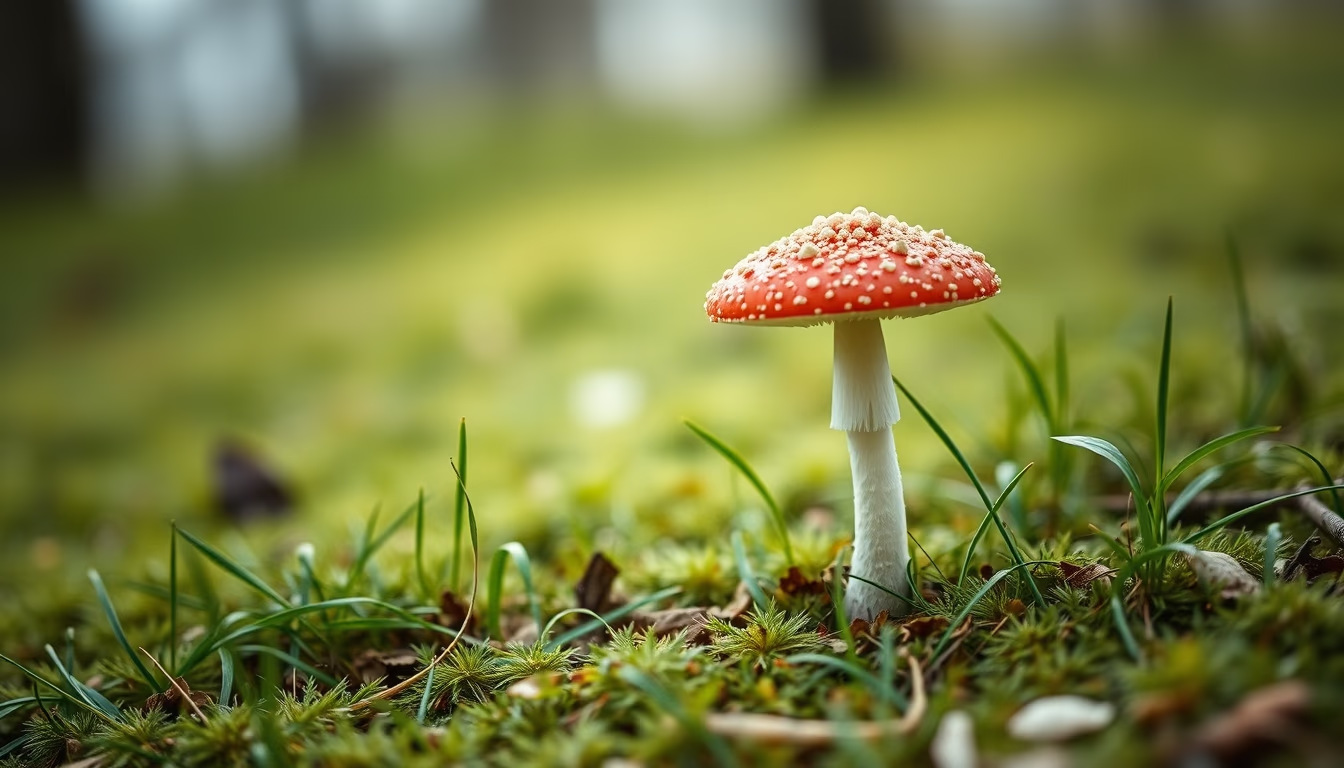
Fly agaric forest floor
1344×768 · AVIF · CC BY 4.0
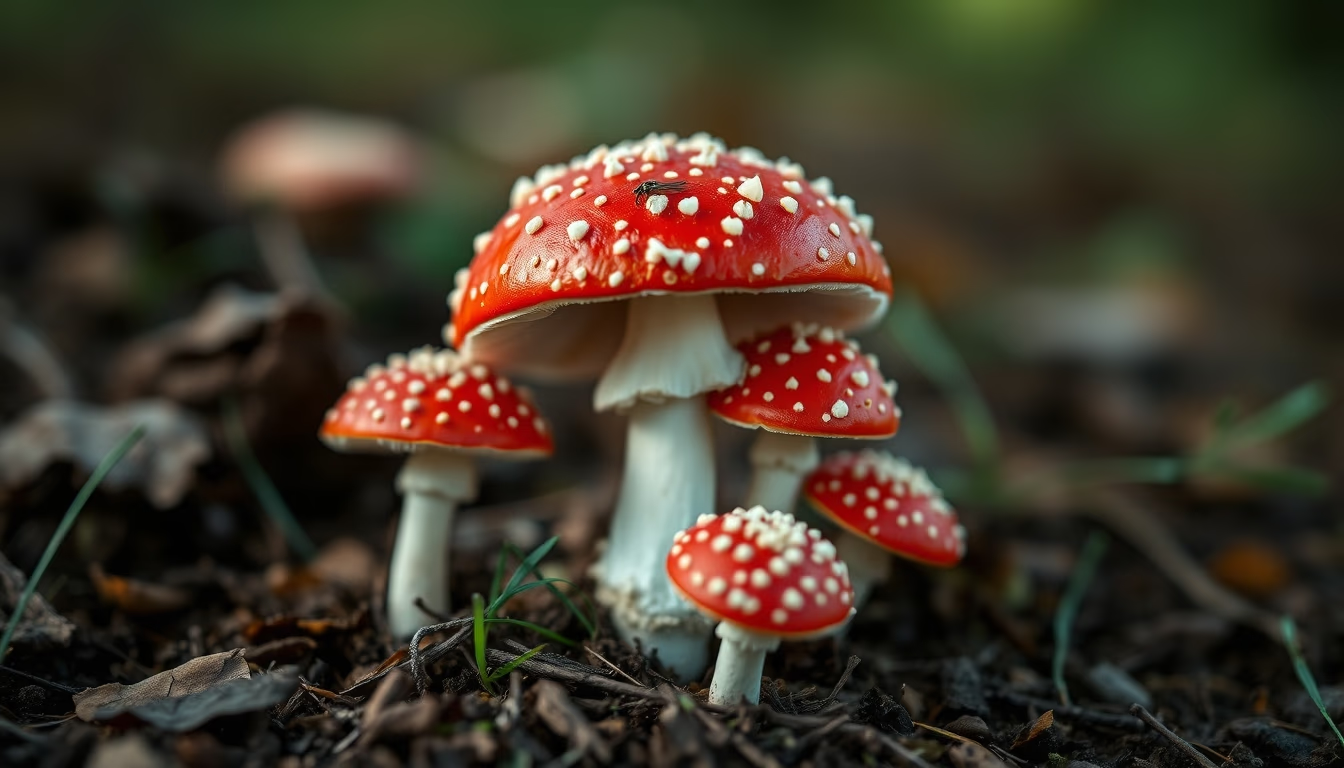
The Amanita muscaria, known as the fly agaric, is an iconic mushroom with a red cap and white spots, commonly found in coniferous and birch forests.
About this subject
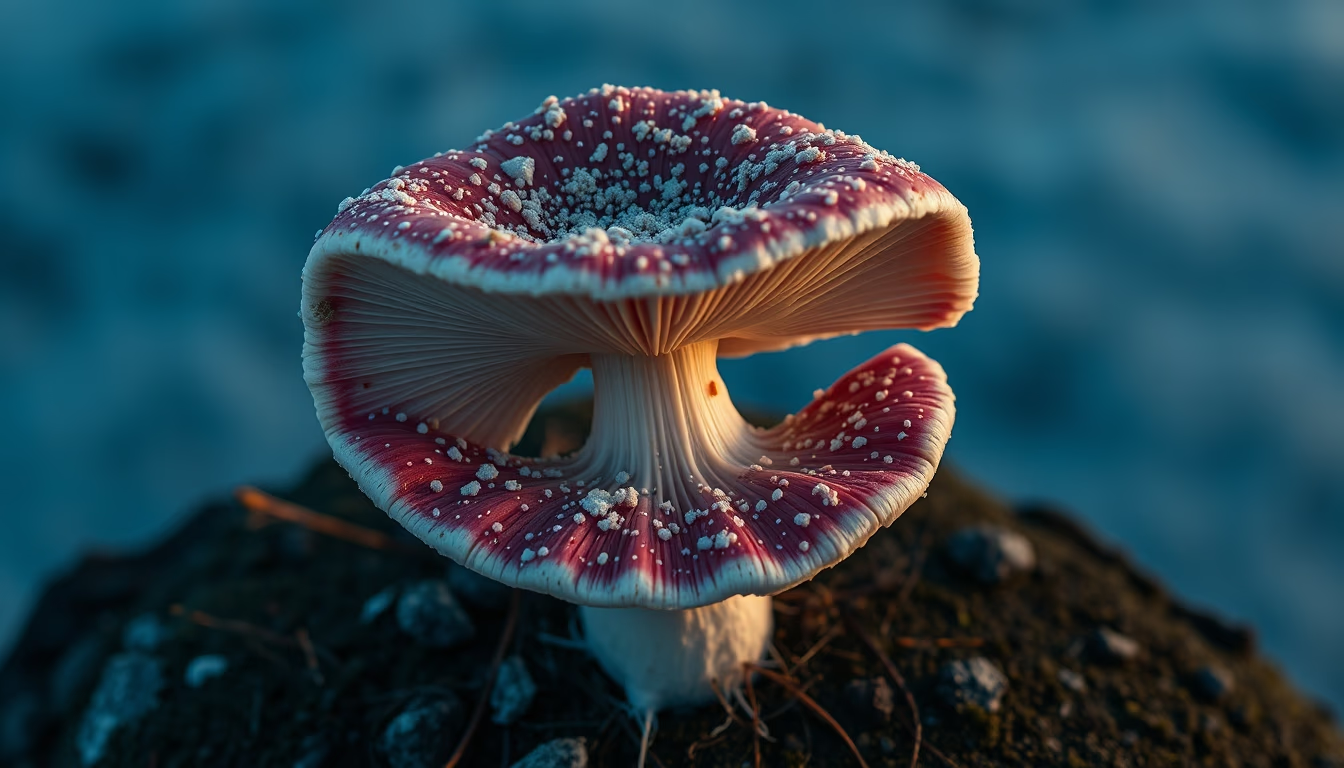
Amanita muscaria, commonly known as the fly agaric, is a basidiomycete fungus widely distributed across the Northern Hemisphere, particularly in temperate and boreal regions. Its distinctive fruiting body features a red to orange cap covered with white or yellowish warts, remnants of the universal veil, giving it the classic fairy-tale appearance. The stem is white with a ring and a bulbous base enclosed in a volva, typical of the Amanita genus. This mushroom forms ectomycorrhizal associations with trees such as birch, pine, and fir, playing a vital role in their nutrient uptake.
From a toxicological standpoint, fly agaric contains psychoactive compounds including ibotenic acid and muscimol, which induce hallucinogenic and neurotoxic effects when ingested. Although rarely lethal, consumption can lead to nausea, vomiting, drowsiness, delirium, and motor incoordination. Historically, the fungus was used by shamanic cultures in Siberia and the Far East in religious rituals, where shamans ingested it to achieve altered states of consciousness and communicate with the spirit world.
In popular culture, Amanita muscaria is frequently depicted in children's books, films, and video games, such as the Super Mario franchise, where the red mushroom with white spots grants powers to the character. This representation likely stems from the fungus's use in shamanic traditions. Despite its striking appearance, the fly agaric should not be foraged for home consumption, as its toxicity varies by region and growing conditions. Interestingly, the name "fly agaric" derives from its historical use as an insecticide: pieces of the mushroom were soaked in milk to attract and kill flies.
Frequently Asked Questions
Is the fly agaric edible?
It is not recommended for consumption due to psychoactive toxins that cause hallucinations and illness. Although some preparation methods exist, the risk of poisoning is high.
Where is Amanita muscaria found?
It is common in coniferous and birch forests of the Northern Hemisphere, such as in Europe, Asia, and North America. In Brazil, it is rare but can be found in temperate regions like the South.
What is the origin of the name 'fly agaric'?
The name comes from its historical use as an insecticide: pieces of the mushroom were soaked in milk to attract and kill flies. 'Agaric' refers to the genus Agaricus (though now classified as Amanita).
Direct URL
https://pub-c7d6a6ea828543ac903a74a341ccb2e1.r2.dev/imagens/fly-agaric-forest-floor-macro-closeup-p10.avifHow to credit
Include a visible link back to UtilizAí. Copy one of the snippets below:
<a href="https://xn--utiliza-eza.com/en/midia/imagens/fly-agaric-forest-floor-macro-closeup-p10">Fly agaric forest floor</a> by <a href="https://xn--utiliza-eza.com">UtilizAí</a>, licensed under <a href="https://creativecommons.org/licenses/by/4.0/">CC BY 4.0</a>.
[Fly agaric forest floor](https://xn--utiliza-eza.com/en/midia/imagens/fly-agaric-forest-floor-macro-closeup-p10) by [UtilizAí](https://xn--utiliza-eza.com), CC BY 4.0
License: CC-BY-4.0