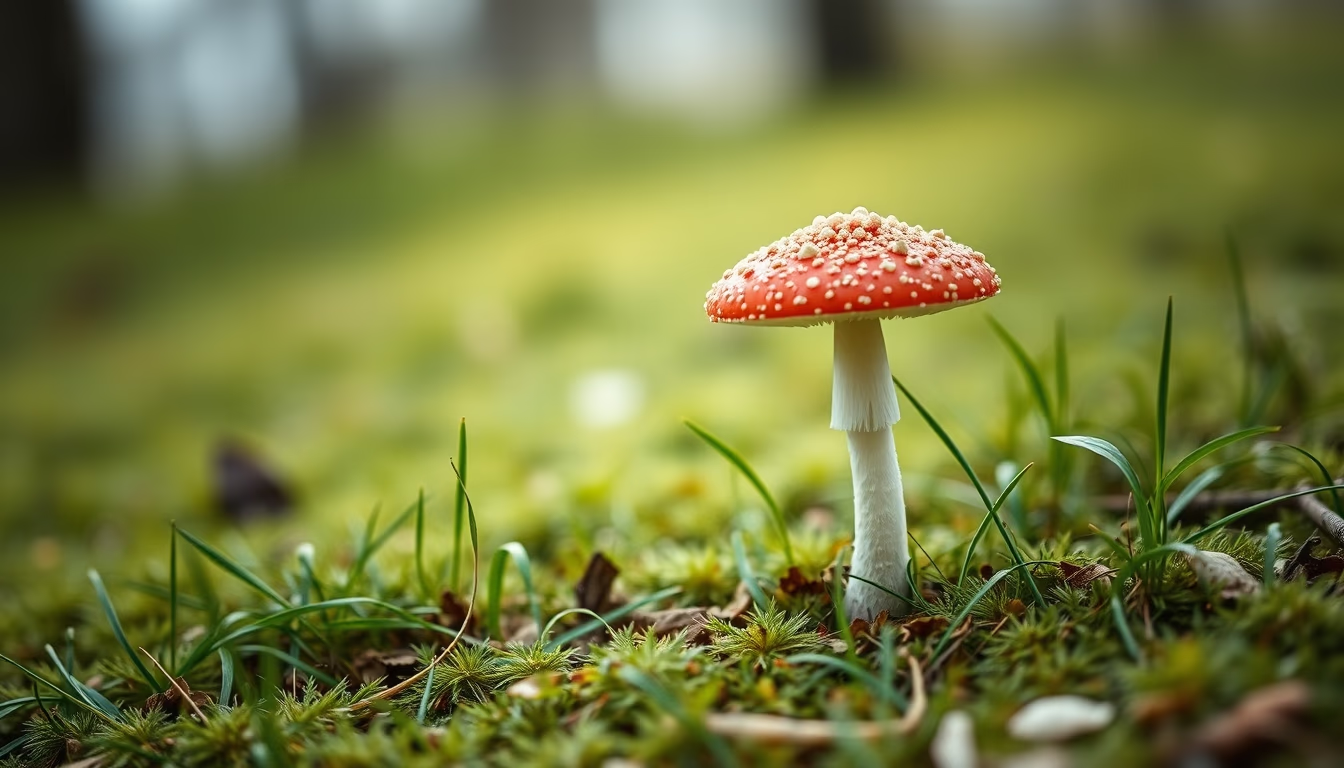
Fly agaric forest floor
1344×768 · AVIF · CC BY 4.0
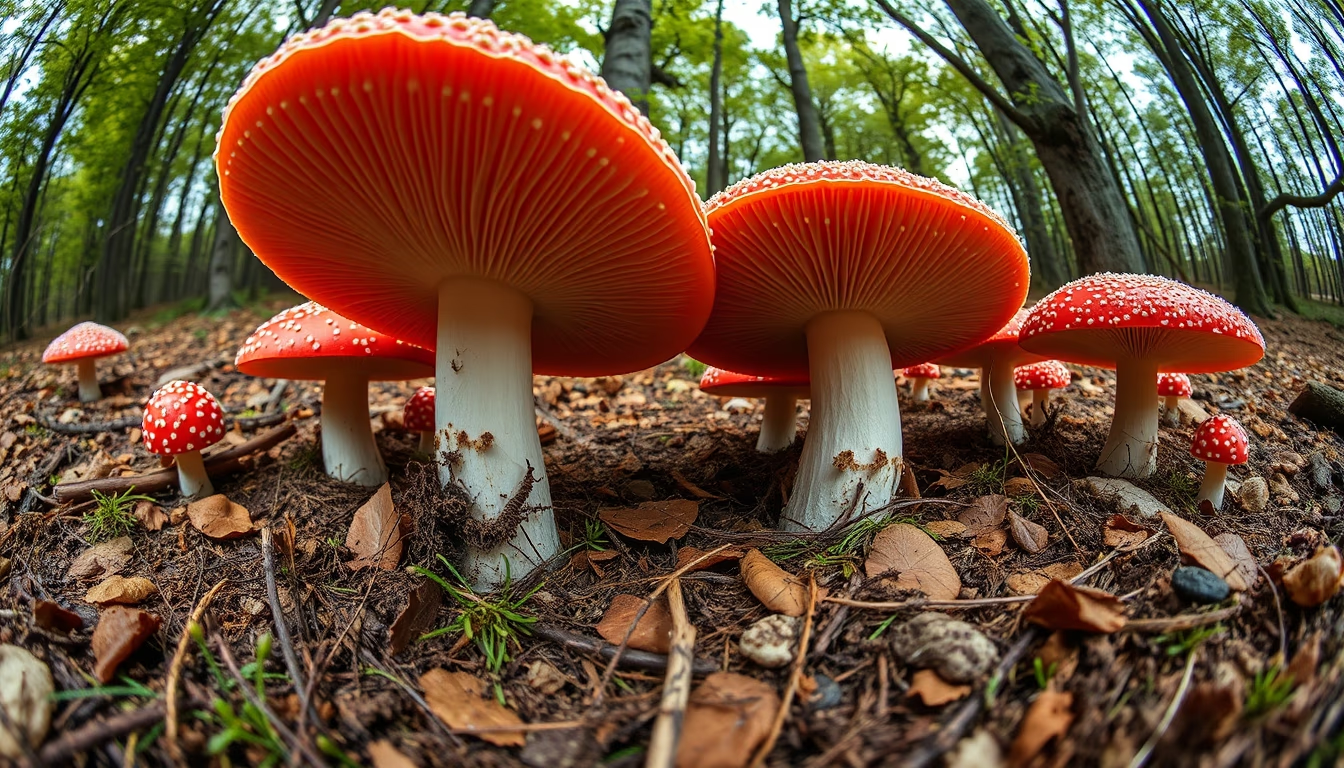
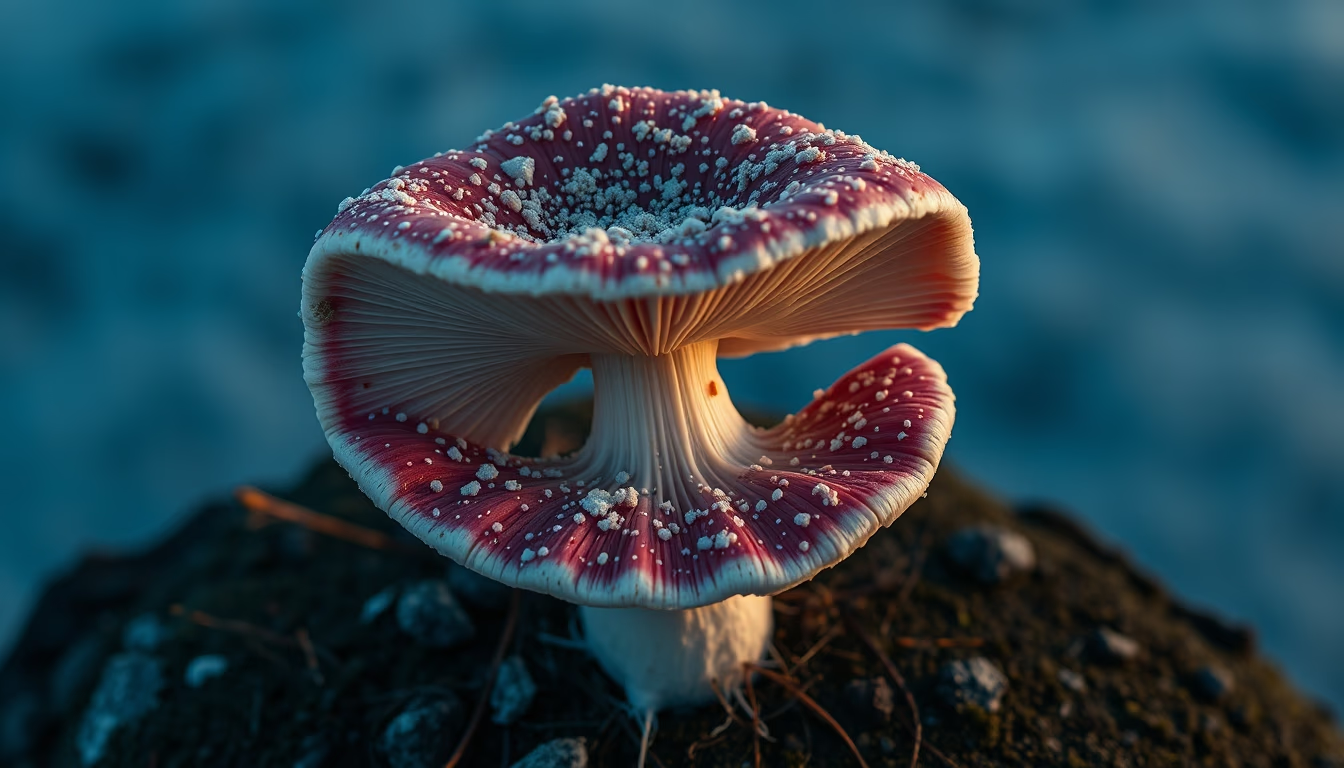
The Amanita muscaria mushroom, known as fly agaric, is one of the most iconic fungi, famous for its red cap with white spots and its historical role in shamanic rituals.
About this subject
Amanita muscaria, commonly known as fly agaric, is a basidiomycete fungus widely distributed across the Northern Hemisphere, thriving in temperate and boreal forests. Its symbiotic relationship with trees such as birch and pine makes it a common sight on the forest floor, where its bright colors stand out against the leaf litter.
This mushroom contains psychoactive compounds like ibotenic acid and muscimol, which induce hallucinogenic effects and sensory alterations. Historically, it was used by Siberian shamans in trance rituals. Interestingly, the modern image of Santa Claus in red and white might originate from fly agaric, as reindeer in Siberia were said to consume these mushrooms and shamans wore similar colors when collecting them.
Despite its fame, fly agaric is toxic and can cause nausea, convulsions, and delirium. It is not the deadliest mushroom, but requires extreme caution. In popular culture, it appears in works like "Alice's Adventures in Wonderland," where the caterpillar smokes a pipe on a similar mushroom, and in video games like "Super Mario," where the Super Mushroom resembles its shape.
Ecologically, Amanita muscaria plays a key role in decomposing organic matter and forming mycorrhizae, benefiting tree growth. Its global distribution has been aided by accidental introduction through exotic tree plantations, such as in Brazil, where it is found associated with cultivated pines in the southern region.
Frequently Asked Questions
Is fly agaric edible?
It is not recommended. The mushroom contains psychoactive toxins that can cause nausea, confusion, and delirium. Some cultures consume it after careful preparation (boiling and discarding the water), but the risk of poisoning is high.
What is the connection between fly agaric and Christmas?
Legend suggests that Santa Claus (red and white suit) and flying reindeer originated from shamanic use of the mushroom. Reindeer in Siberia ate fly agaric and exhibited erratic behavior associated with flight, and shamans wore red and white to collect it.
Where can I find Amanita muscaria?
It grows in temperate forests of the Northern Hemisphere, associated with birch, pine, and fir. It has also been accidentally introduced to regions like southern Brazil, Australia, and New Zealand through pine plantations.
Direct URL
https://pub-c7d6a6ea828543ac903a74a341ccb2e1.r2.dev/imagens/fly-agaric-forest-floor-fish-eye-wide-angle-p4.avifHow to credit
Include a visible link back to UtilizAí. Copy one of the snippets below:
<a href="https://xn--utiliza-eza.com/en/midia/imagens/fly-agaric-forest-floor-fish-eye-wide-angle-p4">Fly agaric forest floor</a> by <a href="https://xn--utiliza-eza.com">UtilizAí</a>, licensed under <a href="https://creativecommons.org/licenses/by/4.0/">CC BY 4.0</a>.
[Fly agaric forest floor](https://xn--utiliza-eza.com/en/midia/imagens/fly-agaric-forest-floor-fish-eye-wide-angle-p4) by [UtilizAí](https://xn--utiliza-eza.com), CC BY 4.0
License: CC-BY-4.0