Flowering chestnut tree
1344×768 · AVIF · CC BY 4.0
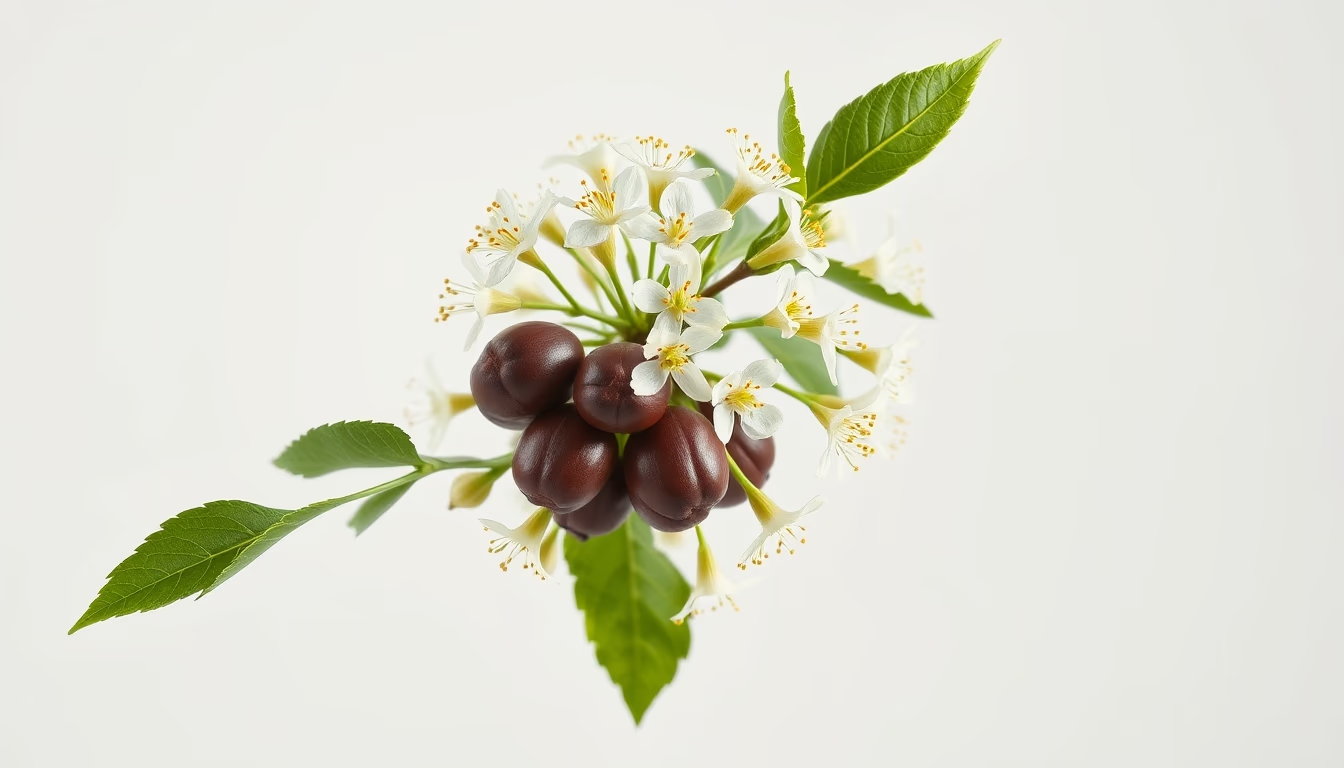
The flowering chestnut tree is essential for producing dark, intense honey with recognized medicinal properties.
About this subject
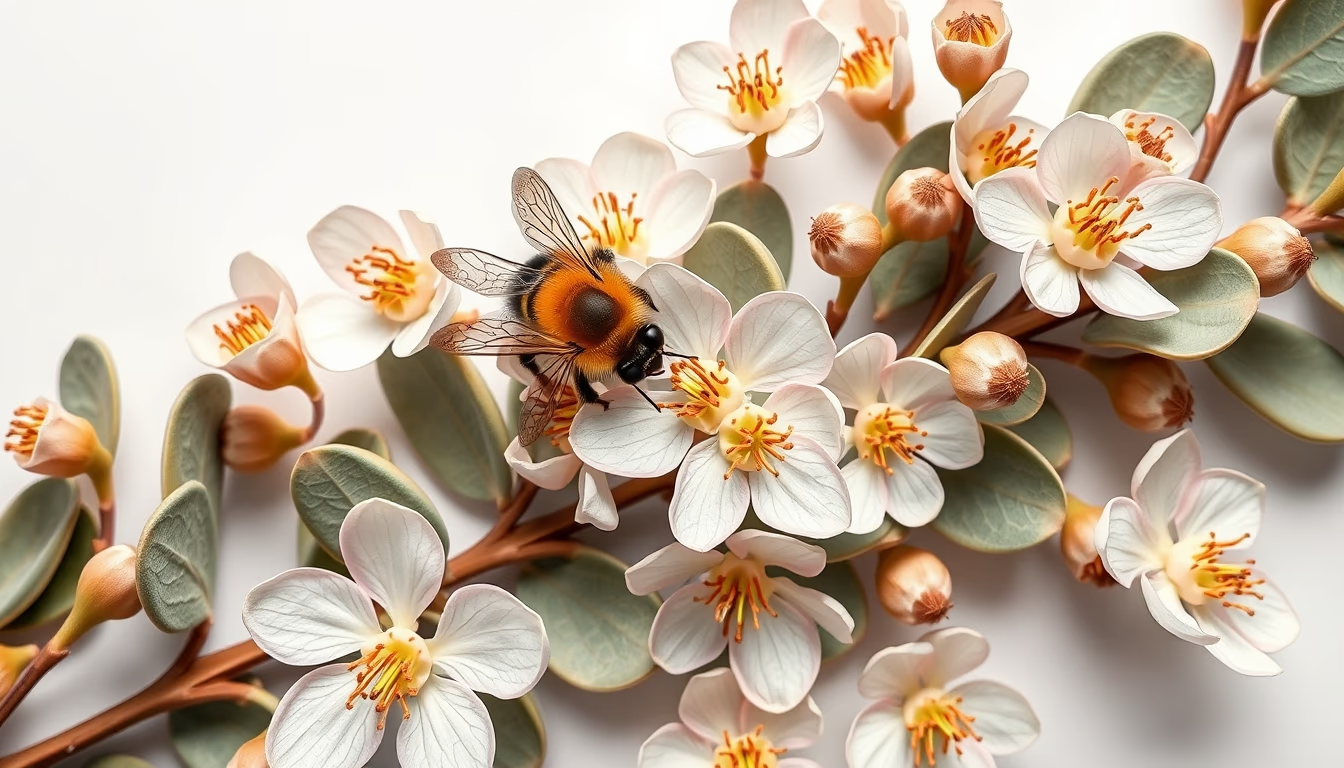
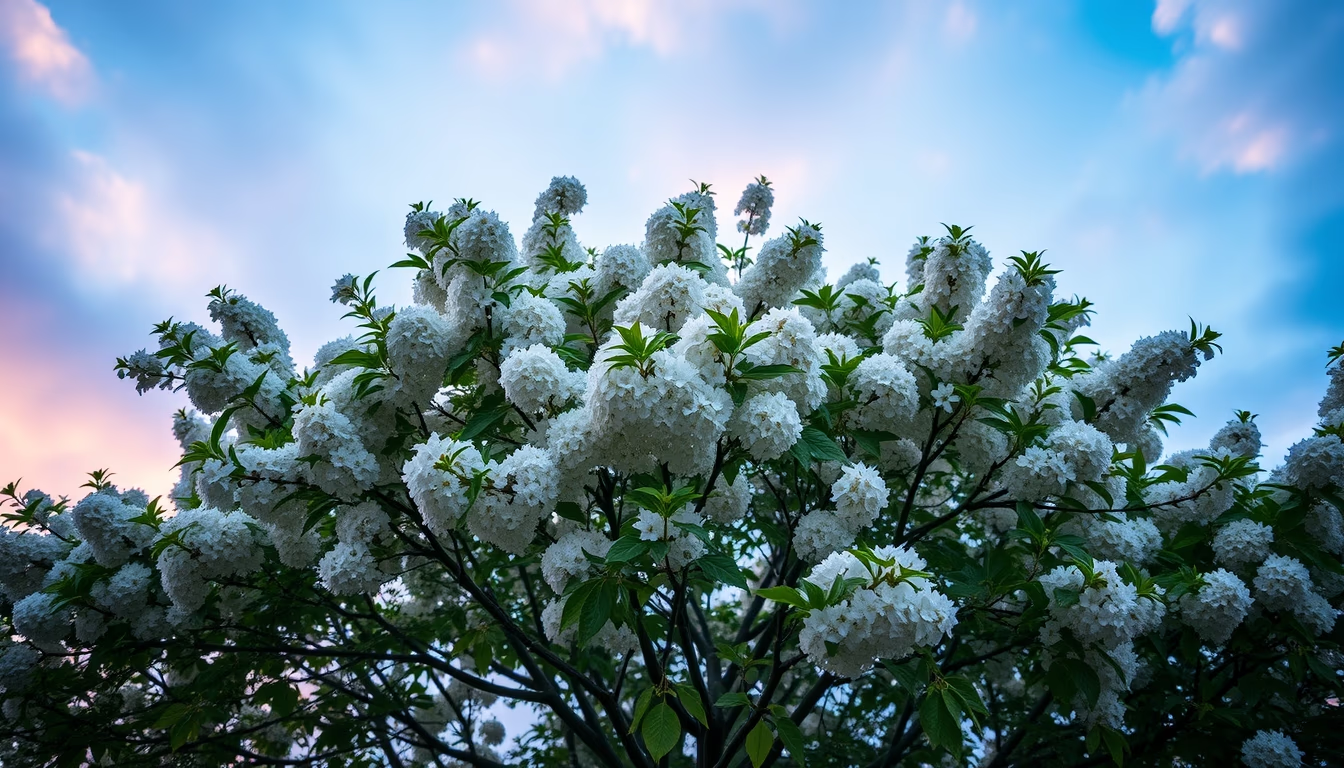
The chestnut tree (Castanea sativa) is a large tree native to temperate regions of Europe and Asia Minor. Its flowering occurs between June and July, when male inflorescences in the form of catkins release abundant pollen, while female flowers produce nectar rich in sugars. This nectar is the main raw material for chestnut honey, a dark, strong-flavored, slightly bitter product highly valued in European beekeeping.
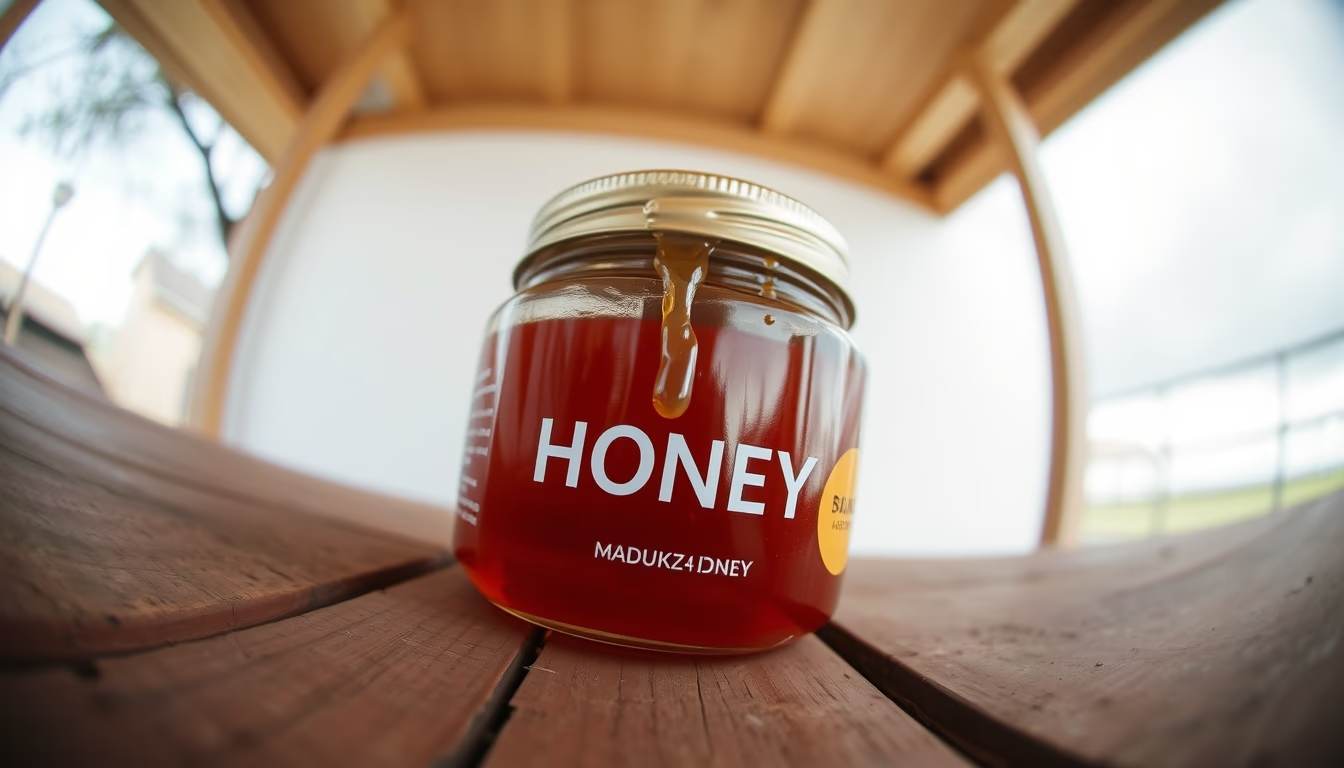
The importance of the chestnut tree to bees goes beyond honey. The flowers provide protein-rich pollen essential for raising new worker bees. Additionally, chestnut honey has high mineral content, including potassium, magnesium, and iron, along with phenolic compounds that give it antioxidant and antibacterial properties. Studies suggest this honey can aid in treating respiratory infections and wound healing.
In Brazil, the European chestnut is not native but is cultivated in mild climate regions, mainly in the south. Chestnut honey production there is still small but has grown with beekeeping diversification. The trees are also planted for land reclamation and for edible chestnut production.
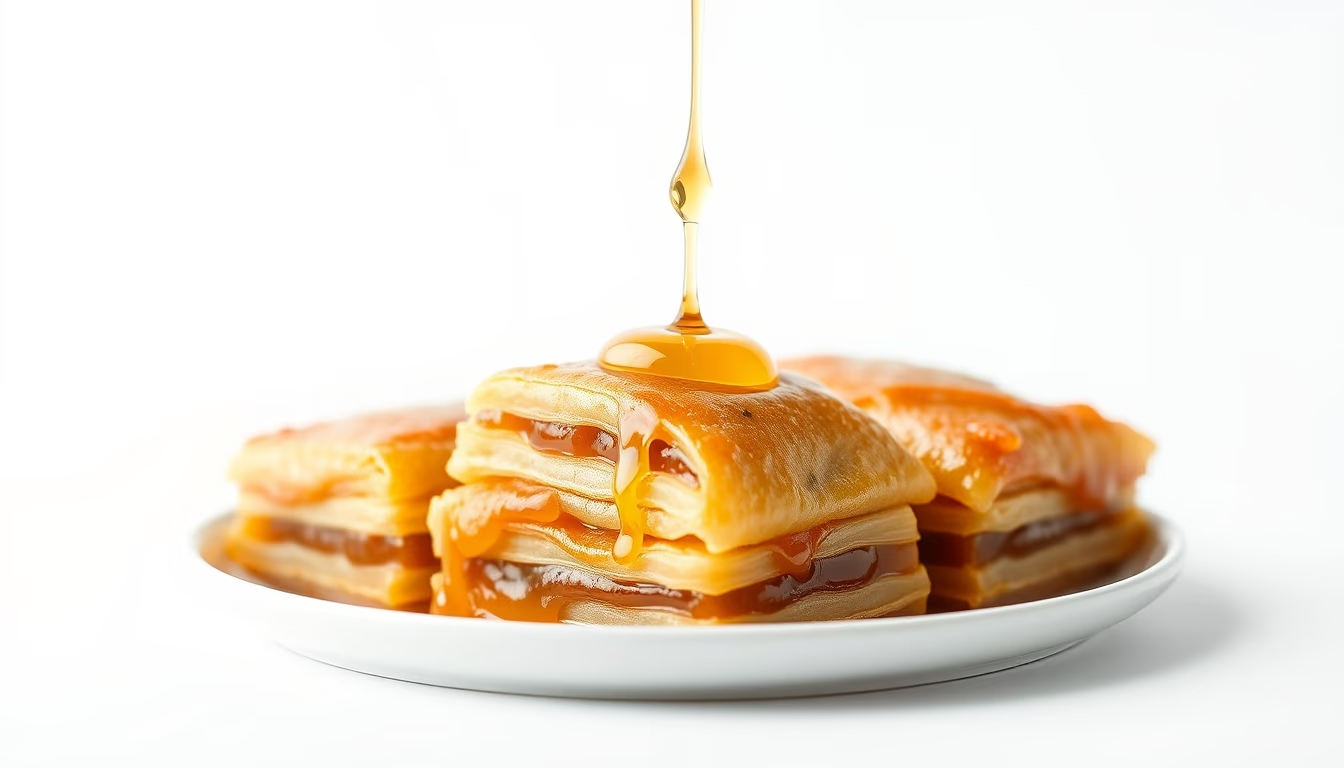
Interestingly, chestnut honey does not crystallize easily, remaining liquid for long periods. Its dark color and intense flavor make it a gastronomic ingredient, pairing well with strong cheeses and roasted meats. For beekeepers, the chestnut bloom is a critical period requiring careful management to avoid swarming and ensure honey quality.
Frequently Asked Questions
When does the chestnut tree flower?
The chestnut tree flowers between June and July in the Northern Hemisphere. In Brazil, flowering occurs between October and November, depending on the region.
Is chestnut honey healthier than other honeys?
Yes, it has high mineral content and antioxidant compounds. It is especially rich in potassium and magnesium, with proven antibacterial properties.
Why does chestnut honey not crystallize?
Due to its low glucose-to-fructose ratio, chestnut honey remains liquid for longer, unlike honeys such as orange blossom honey.
Direct URL
https://pub-c7d6a6ea828543ac903a74a341ccb2e1.r2.dev/imagens/flowering-chestnut-tree-studio-still-life-fresh17.avifHow to credit
Include a visible link back to UtilizAí. Copy one of the snippets below:
<a href="https://xn--utiliza-eza.com/en/midia/imagens/flowering-chestnut-tree-studio-still-life-fresh17">Flowering chestnut tree</a> by <a href="https://xn--utiliza-eza.com">UtilizAí</a>, licensed under <a href="https://creativecommons.org/licenses/by/4.0/">CC BY 4.0</a>.
[Flowering chestnut tree](https://xn--utiliza-eza.com/en/midia/imagens/flowering-chestnut-tree-studio-still-life-fresh17) by [UtilizAí](https://xn--utiliza-eza.com), CC BY 4.0
License: CC-BY-4.0