Flowering chestnut tree
1344×768 · AVIF · CC BY 4.0
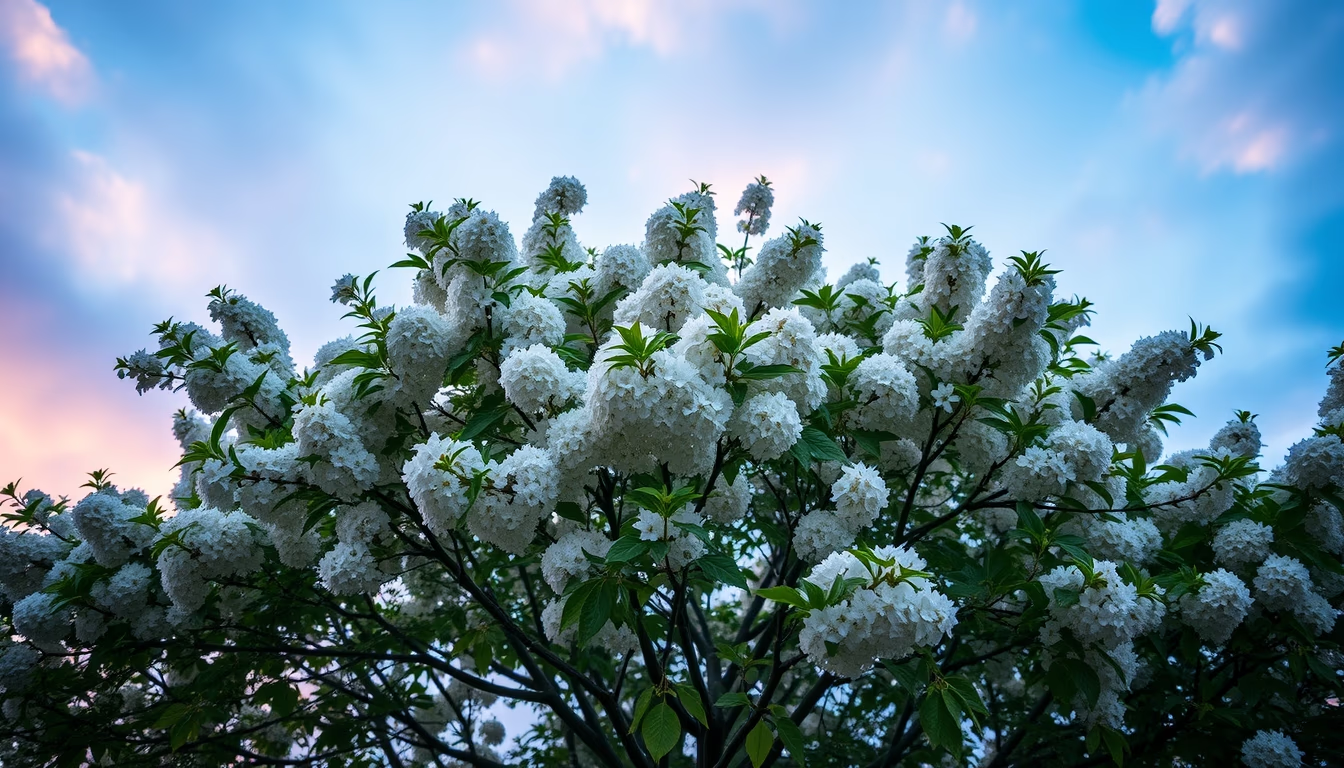
Flowering chestnut trees are essential for producing dark, full-bodied honey prized in Europe and beyond.
About this subject
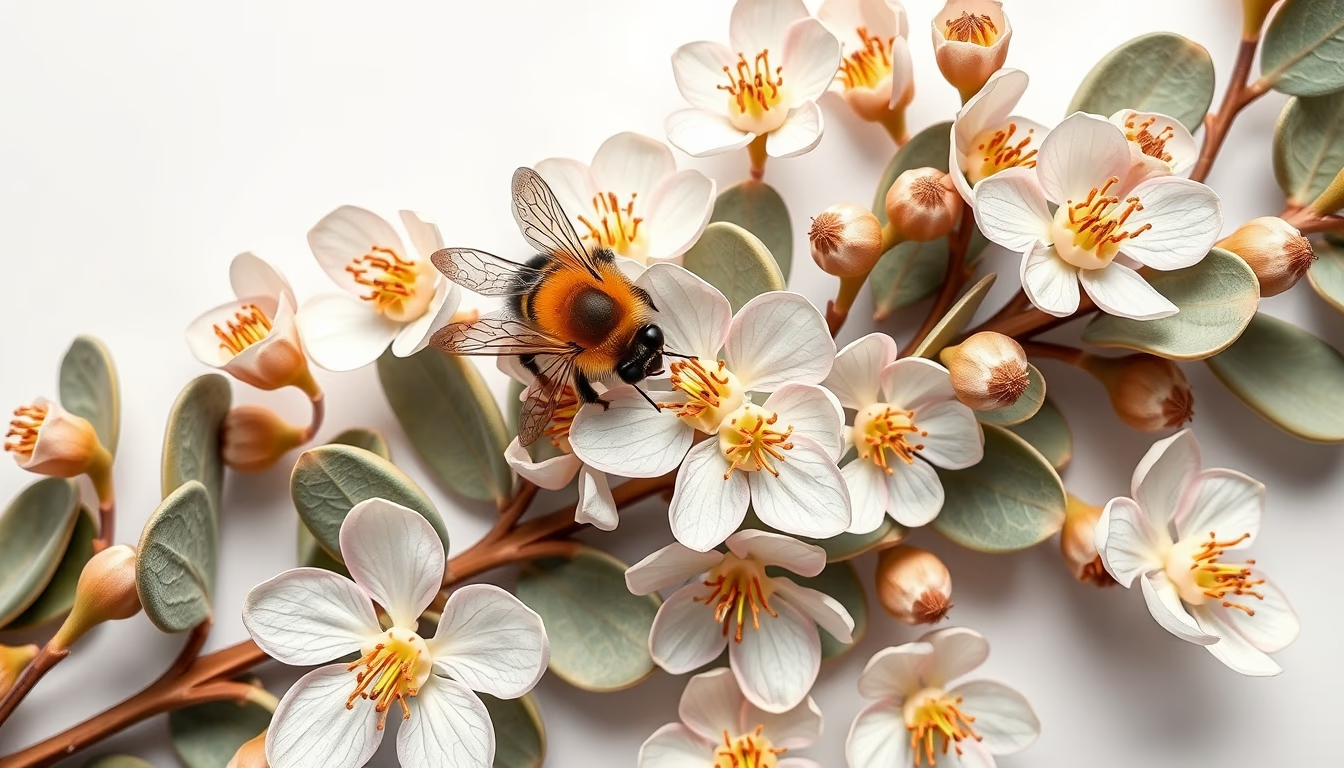
The chestnut tree, scientifically known as Castanea sativa, is a large tree native to temperate regions of Europe, Asia Minor, and North Africa. Its flowers appear between May and July depending on the climate, are small, yellowish, and arranged in long catkins. Each flower is rich in nectar and pollen, attracting bees and other pollinators. The blooming period lasts about two to three weeks, a critical time for local apiculture.
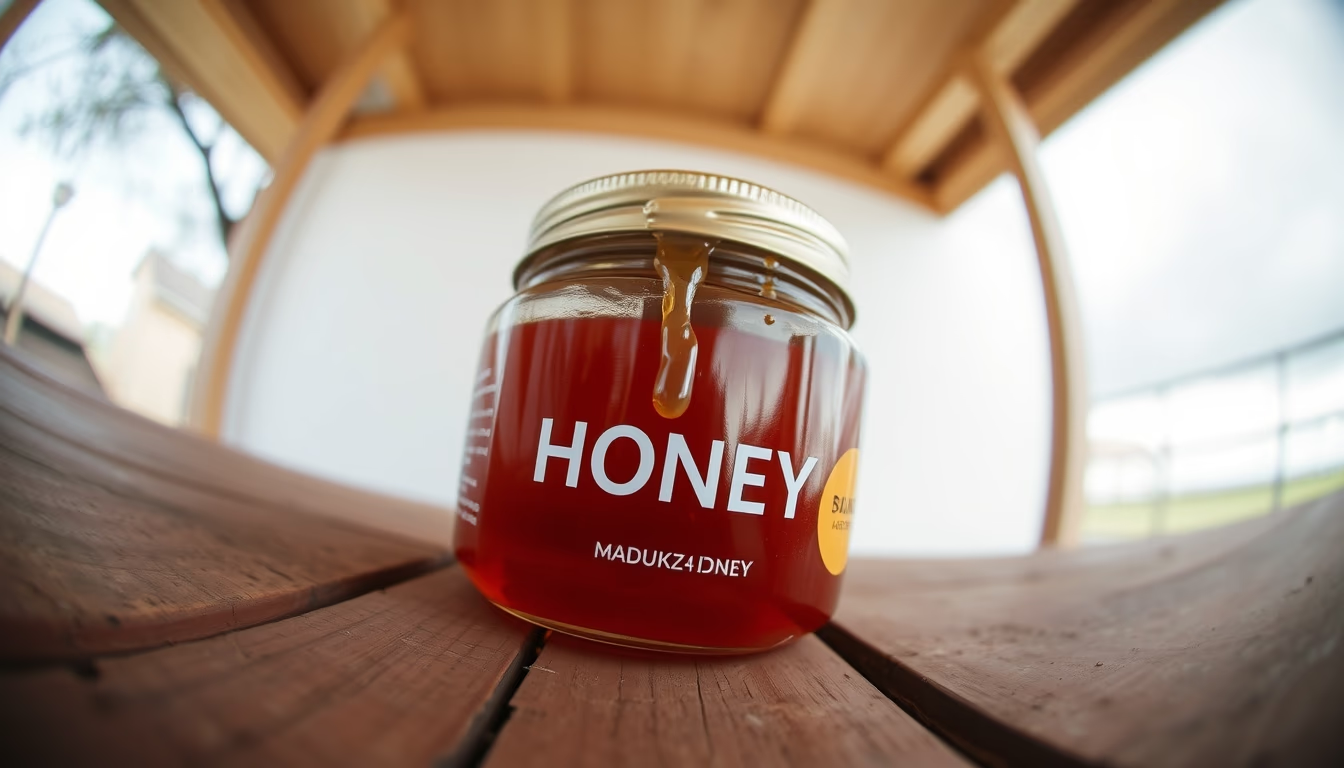
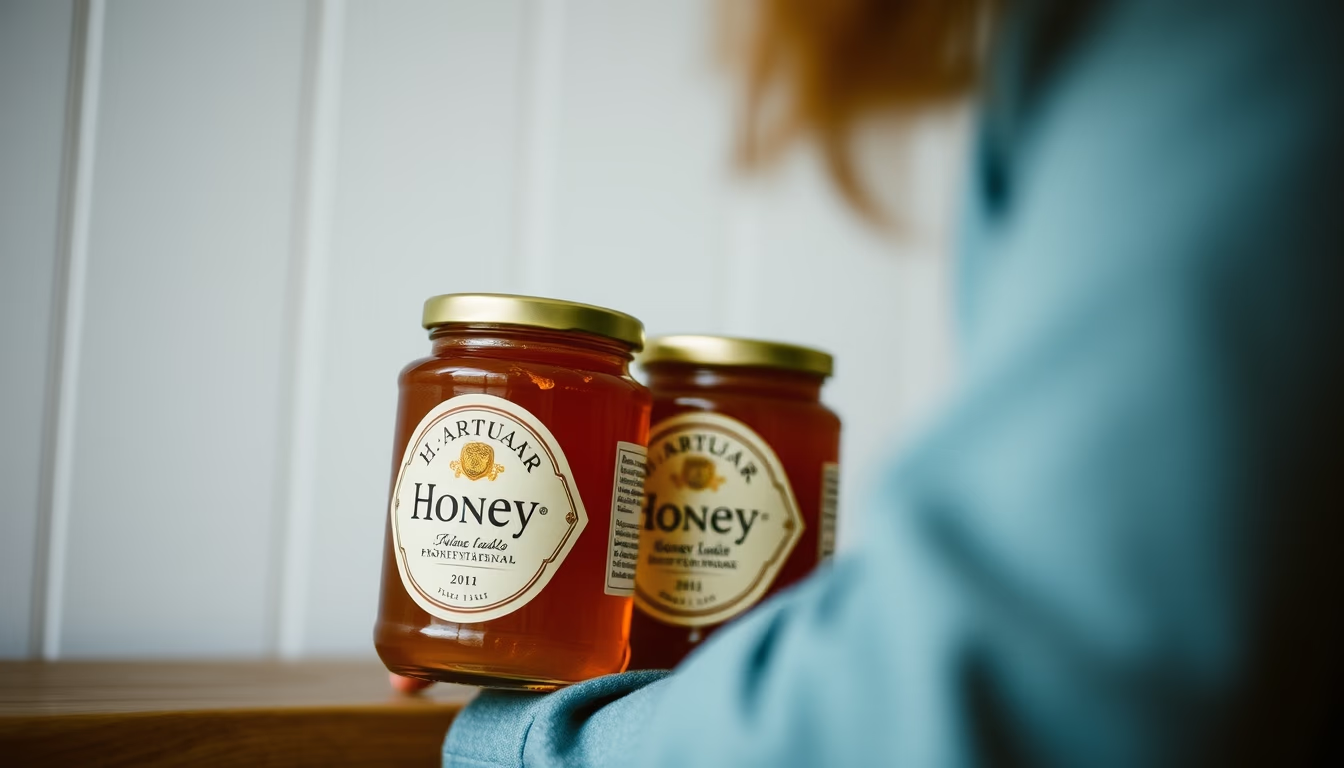
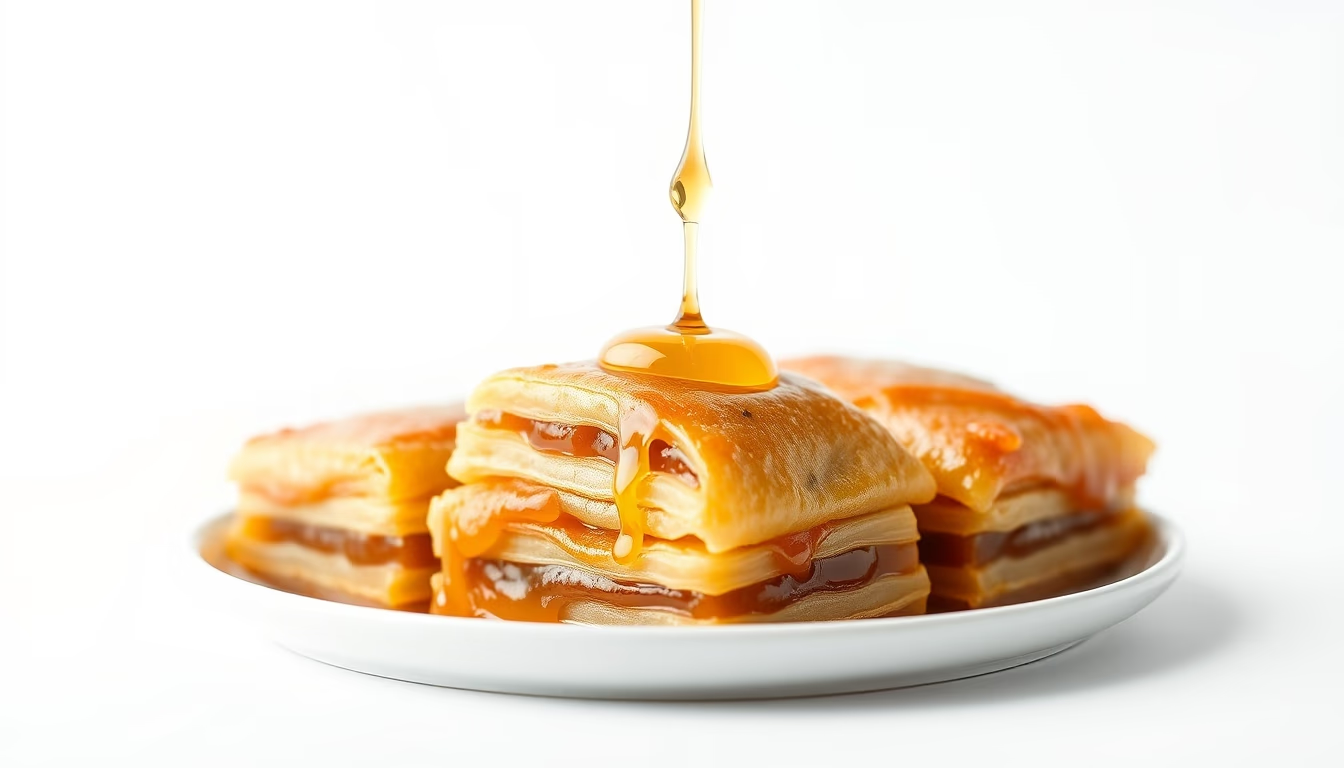
Chestnut honey is one of the most prized in European gastronomy. Produced mainly in Italy, France, Portugal, Spain, and Switzerland, it is known for its strong aroma and distinctive flavor with a slightly bitter aftertaste. Its color ranges from dark amber to almost black, and its texture is dense and slow to crystallize. This honey is widely used in desserts, strong cheeses, and syrups, and is also consumed raw for its antioxidant and antiseptic properties.
Beyond beekeeping, the chestnut tree holds cultural and economic importance. Its nuts, chestnuts, are eaten roasted, boiled, or ground into flour. The wood is resistant and durable, used in furniture, construction, and wine barrels. In many European regions, chestnut trees form iconic landscapes, such as the chestnut groves of northern Portugal and Tuscany. The flowering of these trees is a natural marker of summer's arrival and a period of intense activity for bees.
For beekeepers, the chestnut bloom represents a strategic harvest. Monofloral chestnut honey is certified by protected designations of origin in some countries, like Italy's Miele di Castagno. Monitoring the flowering period requires knowledge of microclimate and soil conditions, as nectar production varies with altitude and sun exposure. Cross-pollination among chestnut trees is also enhanced by bees, maintaining the genetic diversity of these ancient trees.
Frequently Asked Questions
What is the best time to see chestnut trees in flower?
Flowering occurs between May and July, depending on region and altitude. In the Northern Hemisphere, the peak is usually in June.
Is chestnut honey healthier than other honeys?
Chestnut honey is high in antioxidants and has antiseptic properties, but its nutritional value is similar to other dark honeys. It is especially prized for its intense flavor.
Do chestnut trees need bees to produce fruit?
Yes, cross-pollination by bees and other insects is essential for chestnut production. Without pollinators, fruit set is greatly reduced.
Direct URL
https://pub-c7d6a6ea828543ac903a74a341ccb2e1.r2.dev/imagens/flowering-chestnut-tree-long-exposure-fresh18.avifHow to credit
Include a visible link back to UtilizAí. Copy one of the snippets below:
<a href="https://xn--utiliza-eza.com/en/midia/imagens/flowering-chestnut-tree-long-exposure-fresh18">Flowering chestnut tree</a> by <a href="https://xn--utiliza-eza.com">UtilizAí</a>, licensed under <a href="https://creativecommons.org/licenses/by/4.0/">CC BY 4.0</a>.
[Flowering chestnut tree](https://xn--utiliza-eza.com/en/midia/imagens/flowering-chestnut-tree-long-exposure-fresh18) by [UtilizAí](https://xn--utiliza-eza.com), CC BY 4.0
License: CC-BY-4.0