Eucalyptus bee blooms
1344×768 · AVIF · CC BY 4.0
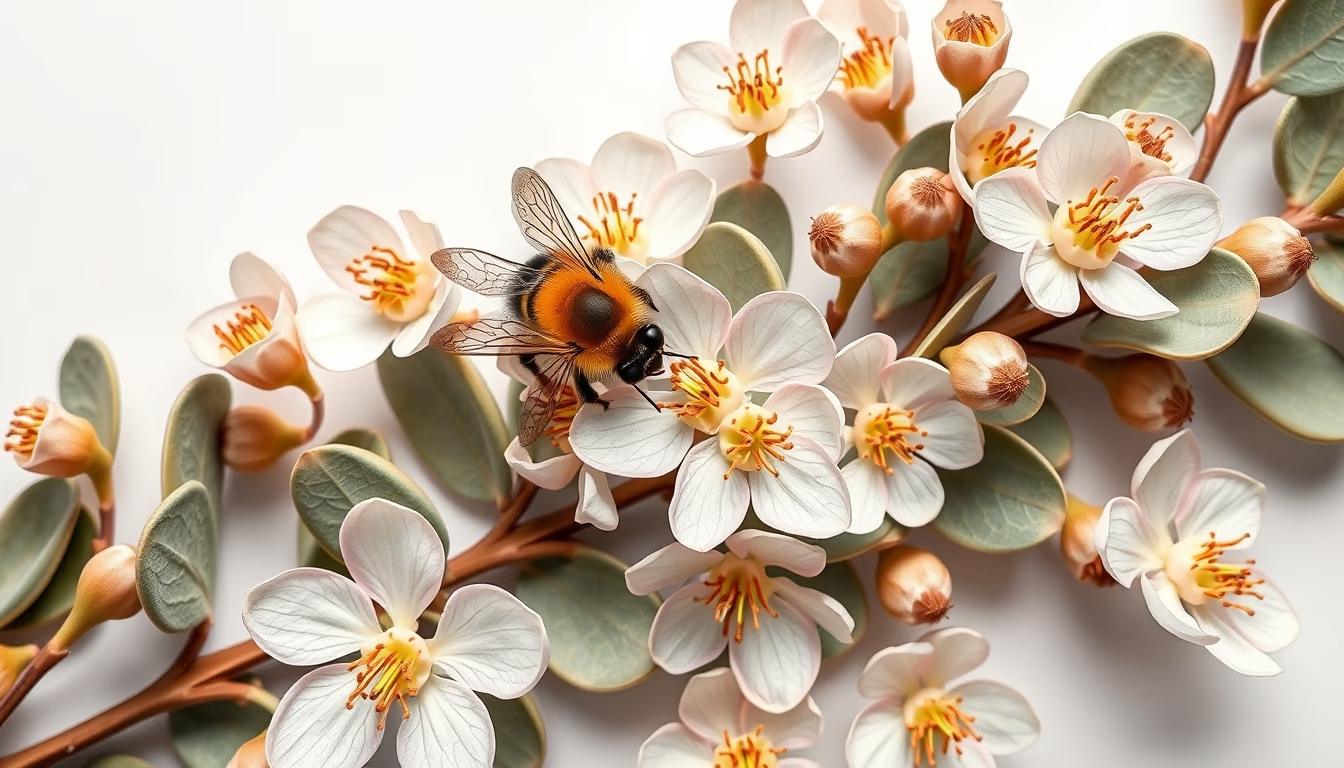
Eucalyptus blossoms are a vital nectar source for bees, yielding honey with a distinctive flavor and recognized medicinal properties.
About this subject
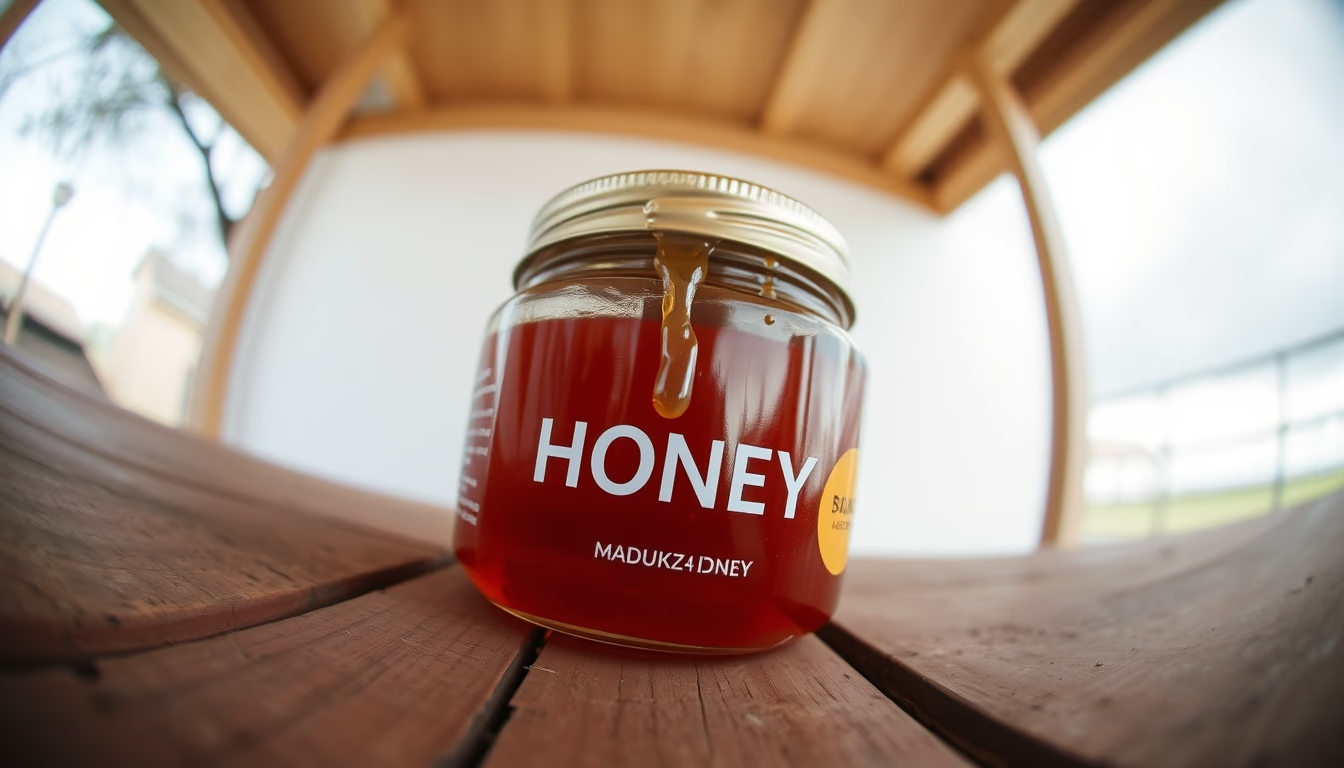
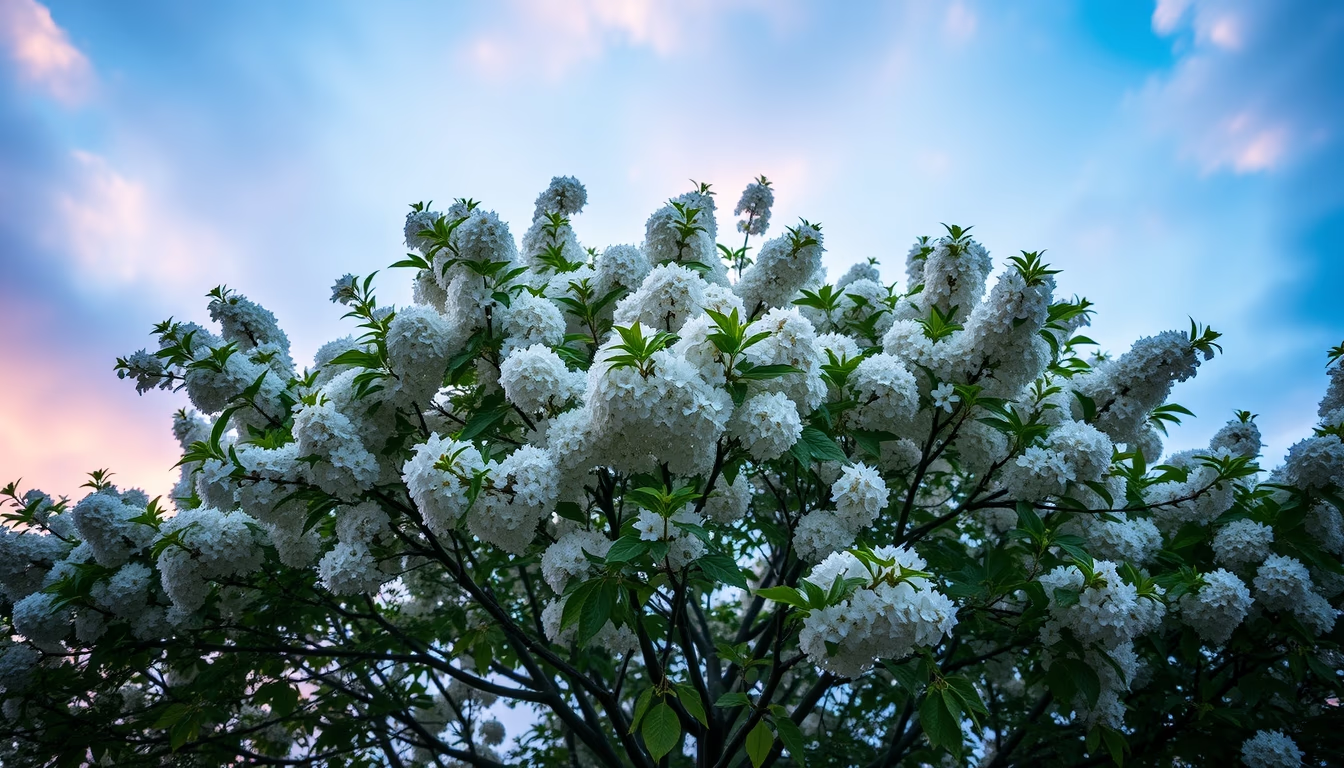
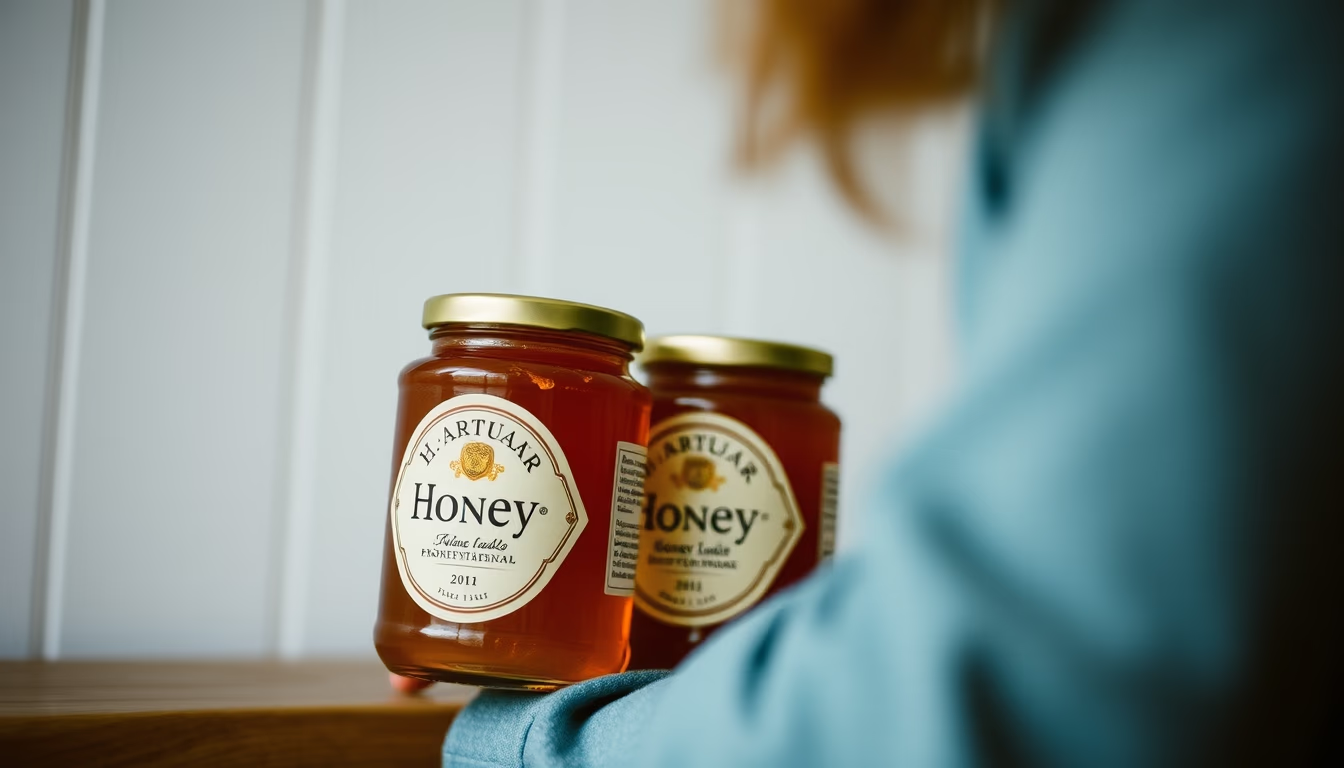
Eucalyptus, a tree native to Australia and widely cultivated in Brazil, especially in São Paulo, Minas Gerais, and Bahia, blooms at different times depending on the species. Its flowers, typically white, cream, or pinkish, are rich in nectar and attract both Africanized and native bees. Eucalyptus honey has a dark amber color, strong flavor with a hint of menthol, and is widely used in the food and pharmaceutical industries.
Brazil has approximately 7.5 million hectares planted with eucalyptus, according to the Brazilian Tree Industry (IBÁ). Flowering mainly occurs between August and January, varying with climate and region. During this period, each hive can produce 20 to 40 kilograms of honey, depending on the intensity of the bloom and sanitary conditions. Eucalyptus nectar contains high levels of glucose and fructose, which promotes rapid crystallization of the honey.
Beyond honey production, eucalyptus flowers are crucial for maintaining hives during dearth periods. The collected pollen is rich in protein and supports larval development. However, the use of pesticides in eucalyptus monocultures can pose a risk to bees, requiring integrated pest management and the creation of preservation areas. Eucalyptus honey is also valued for its expectorant and antiseptic properties, being used in homemade syrups and apitherapy products.
Interestingly, eucalyptus is not a native melliferous plant in Brazil, but its adaptation to the tropical climate allowed it to become one of the main nectar sources for national beekeeping. The synchronized flowering of large planted areas provides voluminous harvests, but requires beekeepers to monitor the exact period to place hives, avoiding losses from rain or strong winds. The relationship between eucalyptus and bees exemplifies how exotic species can benefit local production when managed sustainably.
Frequently Asked Questions
Does eucalyptus honey crystallize faster than other honeys?
Yes, eucalyptus honey tends to crystallize more quickly due to its high glucose content. Crystallization is a natural process and does not indicate adulteration.
What are the main health benefits of eucalyptus honey?
Eucalyptus honey is known for its expectorant and antiseptic properties, being helpful in relieving coughs, colds, and sore throats. It also has antioxidant activity.
Does eucalyptus cultivation help or harm bees in Brazil?
It can help, as it provides large amounts of nectar and pollen during flowering, but the use of pesticides and extensive monoculture can harm bees. Sustainable practices minimize risks.
Direct URL
https://pub-c7d6a6ea828543ac903a74a341ccb2e1.r2.dev/imagens/eucalyptus-bee-blooms-isometric-flat-lay-fresh18.avifHow to credit
Include a visible link back to UtilizAí. Copy one of the snippets below:
<a href="https://xn--utiliza-eza.com/en/midia/imagens/eucalyptus-bee-blooms-isometric-flat-lay-fresh18">Eucalyptus bee blooms</a> by <a href="https://xn--utiliza-eza.com">UtilizAí</a>, licensed under <a href="https://creativecommons.org/licenses/by/4.0/">CC BY 4.0</a>.
[Eucalyptus bee blooms](https://xn--utiliza-eza.com/en/midia/imagens/eucalyptus-bee-blooms-isometric-flat-lay-fresh18) by [UtilizAí](https://xn--utiliza-eza.com), CC BY 4.0
License: CC-BY-4.0