Flowering chestnut tree
1344×768 · AVIF · CC BY 4.0
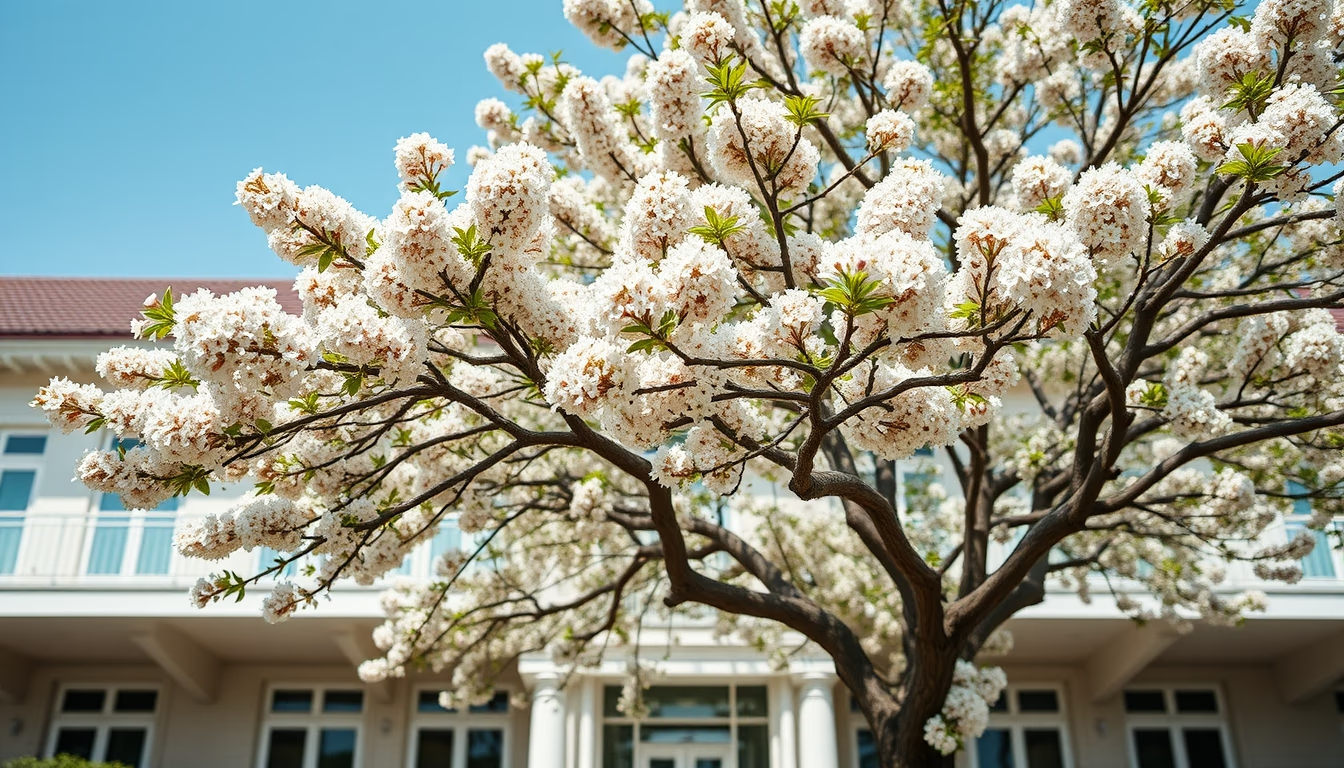
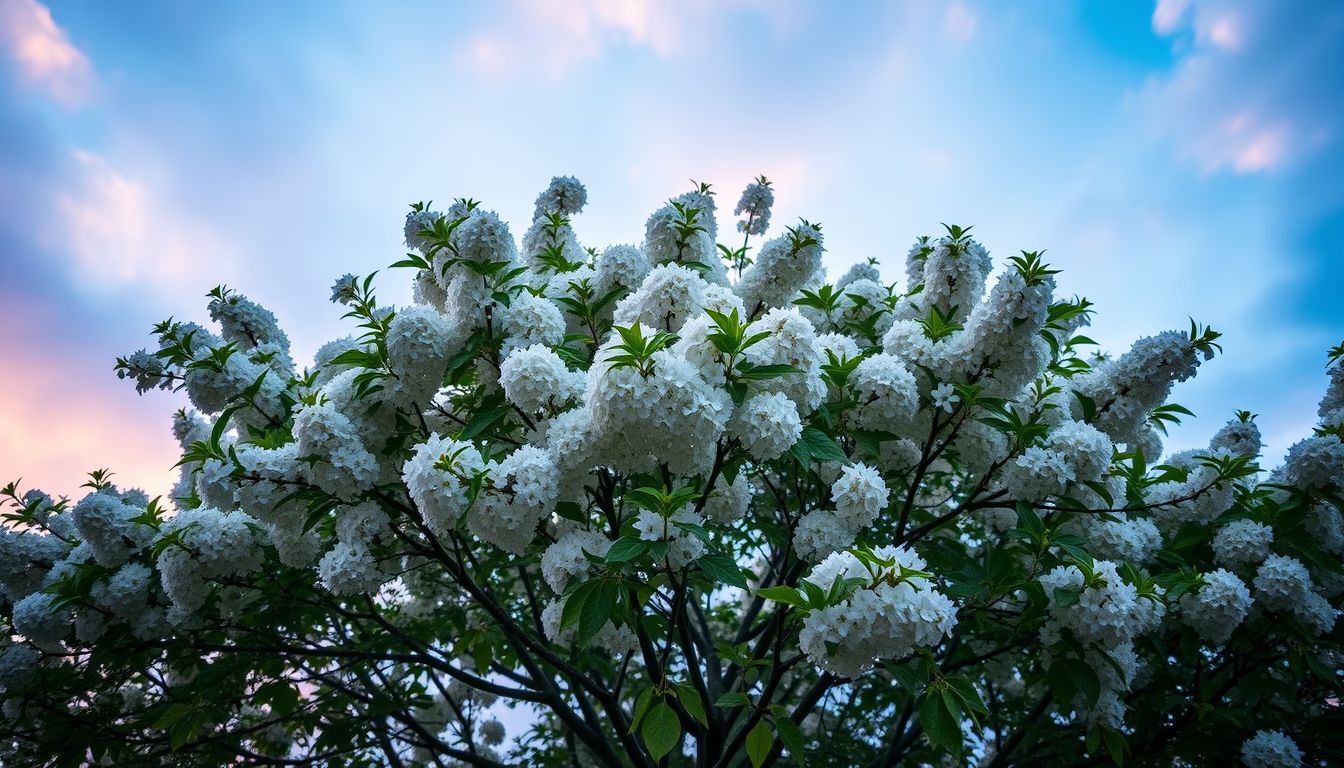
The flowering chestnut tree is a majestic tree that announces spring with its fragrant inflorescences, essential for the production of chestnut honey.
About this subject
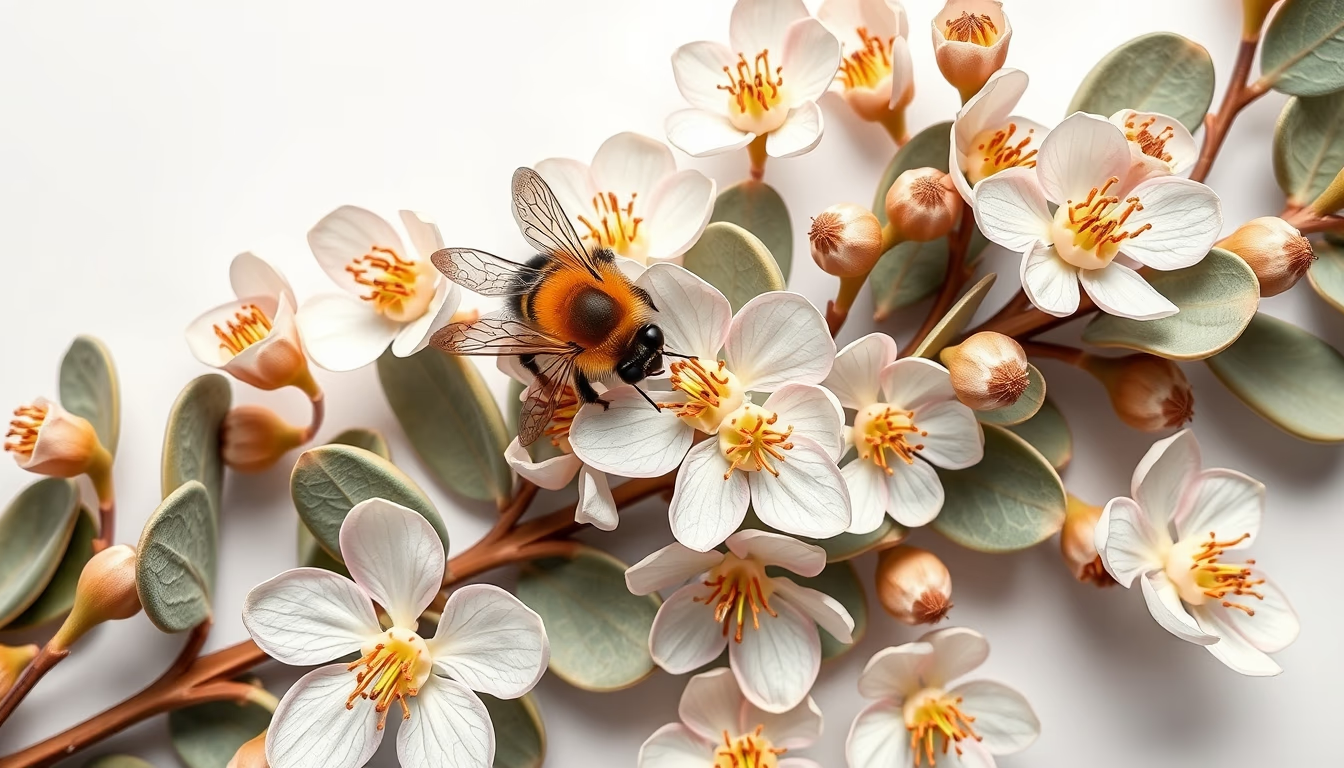
The chestnut tree, belonging to the genus Castanea, is a large deciduous tree native to temperate regions of the Northern Hemisphere. Its flowers, which appear in late spring, form long, cream to yellowish catkins that emit a sweet fragrance, attracting bees and other pollinators. Each tree can produce thousands of flowers, but only a fraction develop into spiny husks containing the chestnuts. This blooming period is a visual and ecological spectacle, marking the start of the cycle that ends with the nut harvest in autumn.
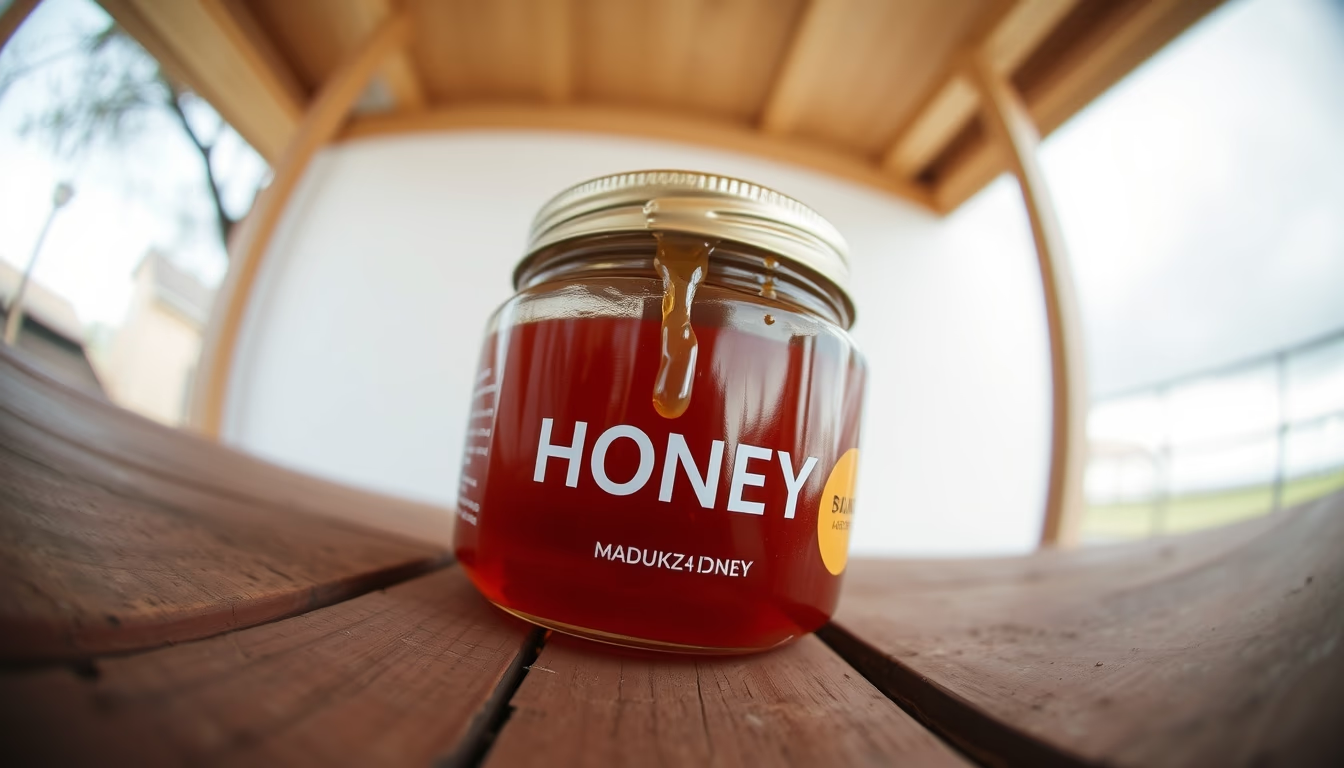
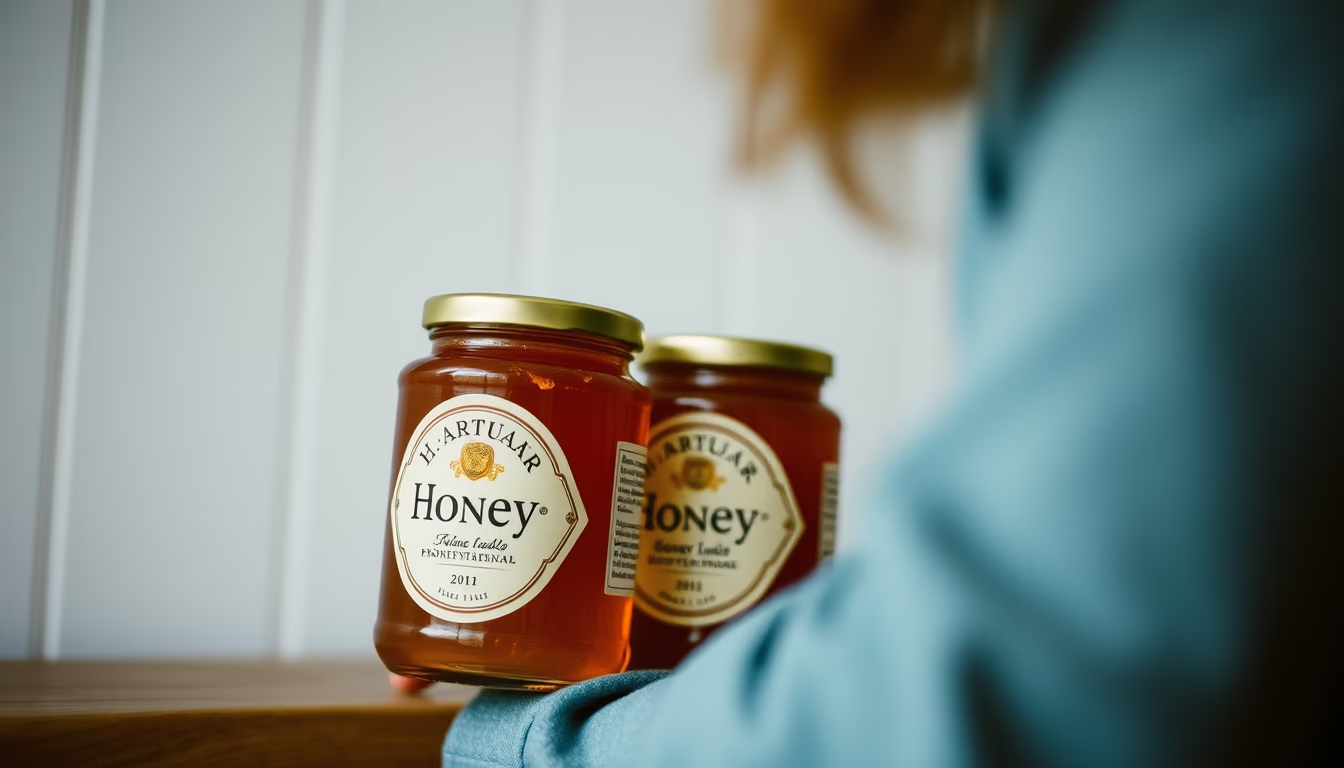
Chestnuts have been consumed for millennia, especially in Europe and Asia, where they are roasted, boiled, or ground into flour. The wood, resistant to rot, is valued in construction and woodworking. Chestnut honey, made from the nectar of these flowers, is dark, strong-flavored, and rich in antioxidants, highly prized across the Mediterranean basin. The most well-known species is Castanea sativa (European chestnut), but others include Castanea dentata (American) and Castanea crenata (Japanese), each adapted to its region.
In Brazil, the chestnut tree is not native, but the Brazil nut tree (Bertholletia excelsa) is often confused with it. However, the European chestnut has been introduced in some southern regions, where it adapts well to the subtropical climate. The flowering period is a key indicator for beekeepers, as it coincides with peak chestnut honey production. The tree can live for centuries, with ancient specimens in Portugal, Spain, and Italy considered natural monuments.
Interestingly, chestnut flowers are unisexual, with male and female flowers on the same catkin but in different positions. Pollination is predominantly cross-pollination, promoting genetic diversity. In urban settings, the chestnut tree is planted as an ornamental due to its broad canopy and beautiful blooms, though falling spiny husks can be a nuisance. The combination of landscape value, food production, and honey makes it a species of great economic and cultural importance.
Frequently Asked Questions
When does the chestnut tree flower?
The chestnut tree flowers in late spring, usually between May and June in the Northern Hemisphere, depending on the climate.
What kind of honey is produced from chestnut flowers?
Chestnut honey is a dark honey with a strong, slightly bitter flavor, rich in antioxidants, and widely used in Mediterranean cuisine.
Is the European chestnut tree found in Brazil?
Yes, the European chestnut tree has been introduced in subtropical regions of southern Brazil, where it is cultivated mainly for chestnut and honey production.
Direct URL
https://pub-c7d6a6ea828543ac903a74a341ccb2e1.r2.dev/imagens/flowering-chestnut-tree-architectural-photography-fresh14.avifHow to credit
Include a visible link back to UtilizAí. Copy one of the snippets below:
<a href="https://xn--utiliza-eza.com/en/midia/imagens/flowering-chestnut-tree-architectural-photography-fresh14">Flowering chestnut tree</a> by <a href="https://xn--utiliza-eza.com">UtilizAí</a>, licensed under <a href="https://creativecommons.org/licenses/by/4.0/">CC BY 4.0</a>.
[Flowering chestnut tree](https://xn--utiliza-eza.com/en/midia/imagens/flowering-chestnut-tree-architectural-photography-fresh14) by [UtilizAí](https://xn--utiliza-eza.com), CC BY 4.0
License: CC-BY-4.0