Fish hatchery raceways
1344×768 · AVIF · CC BY 4.0
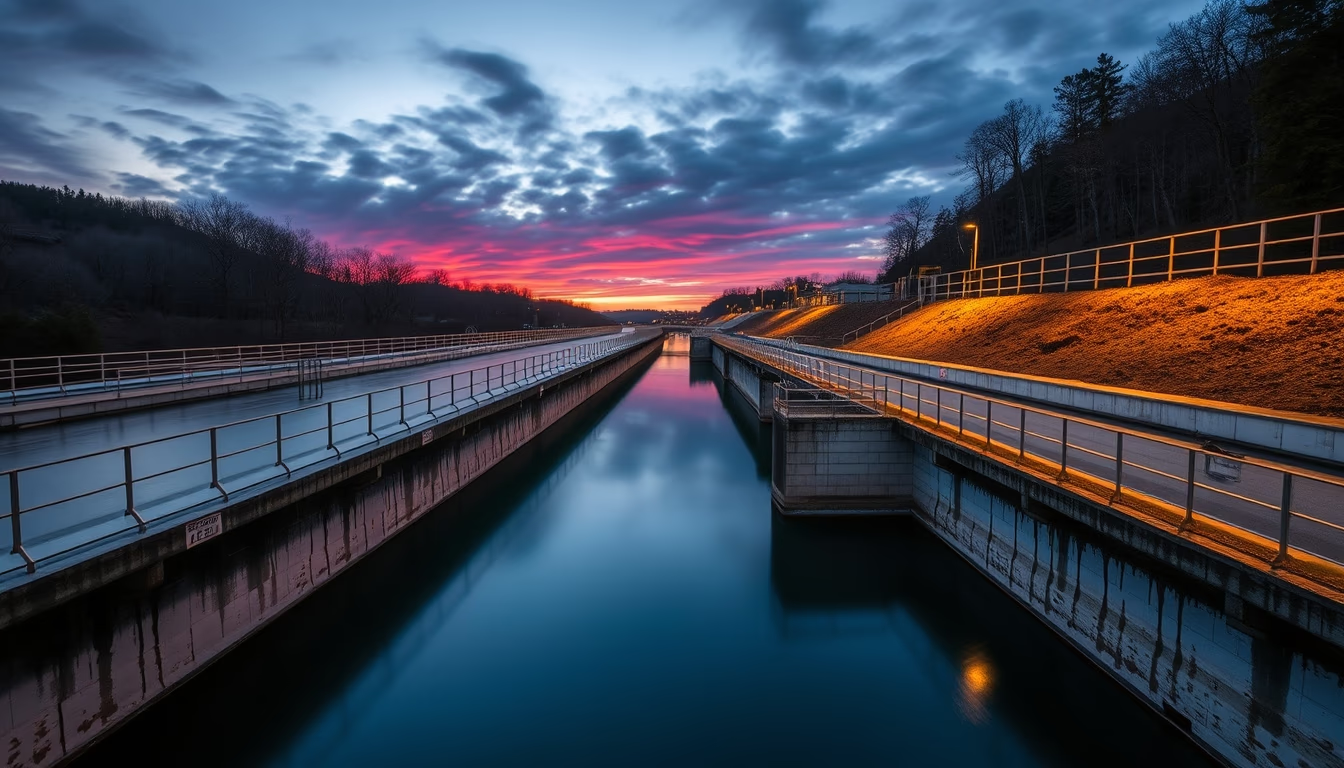
Raceways are rectangular, continuous-flow channels used in aquaculture for intensive fish farming, especially trout and salmon.
About this subject
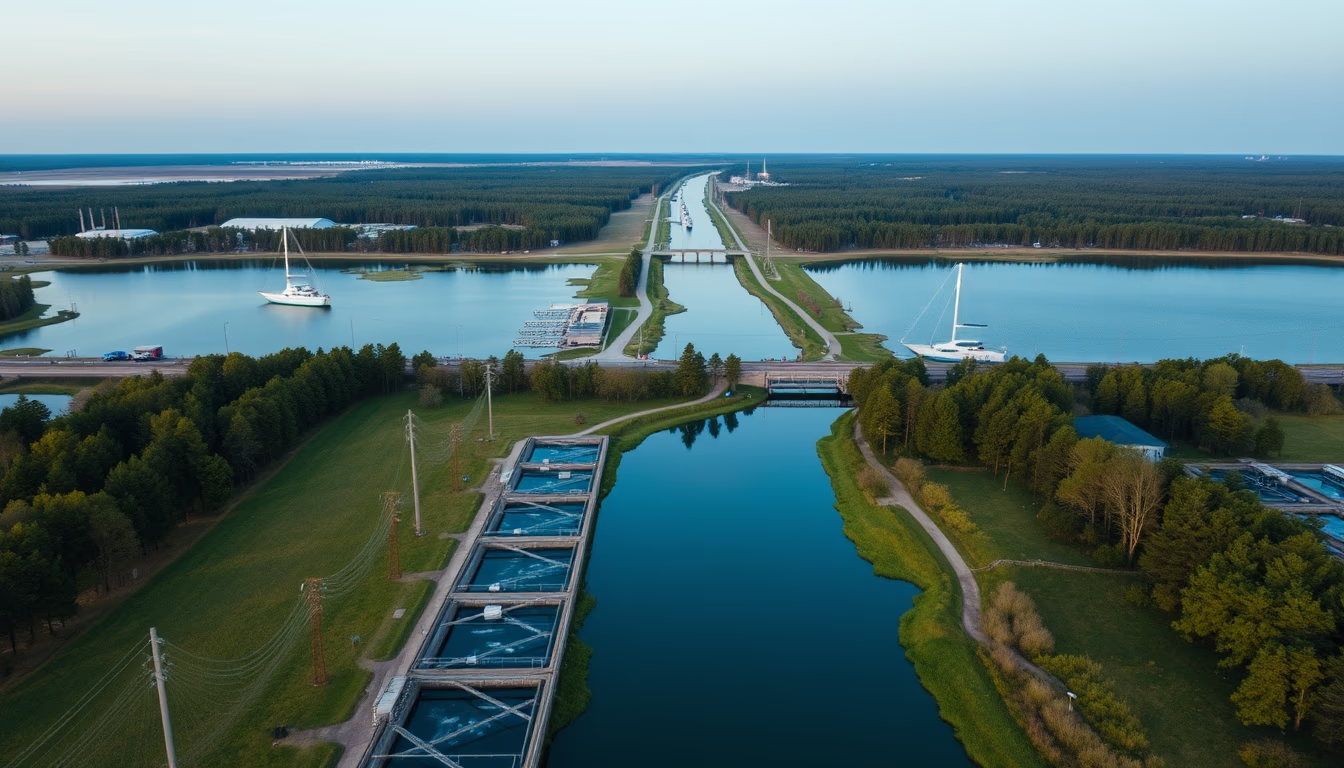
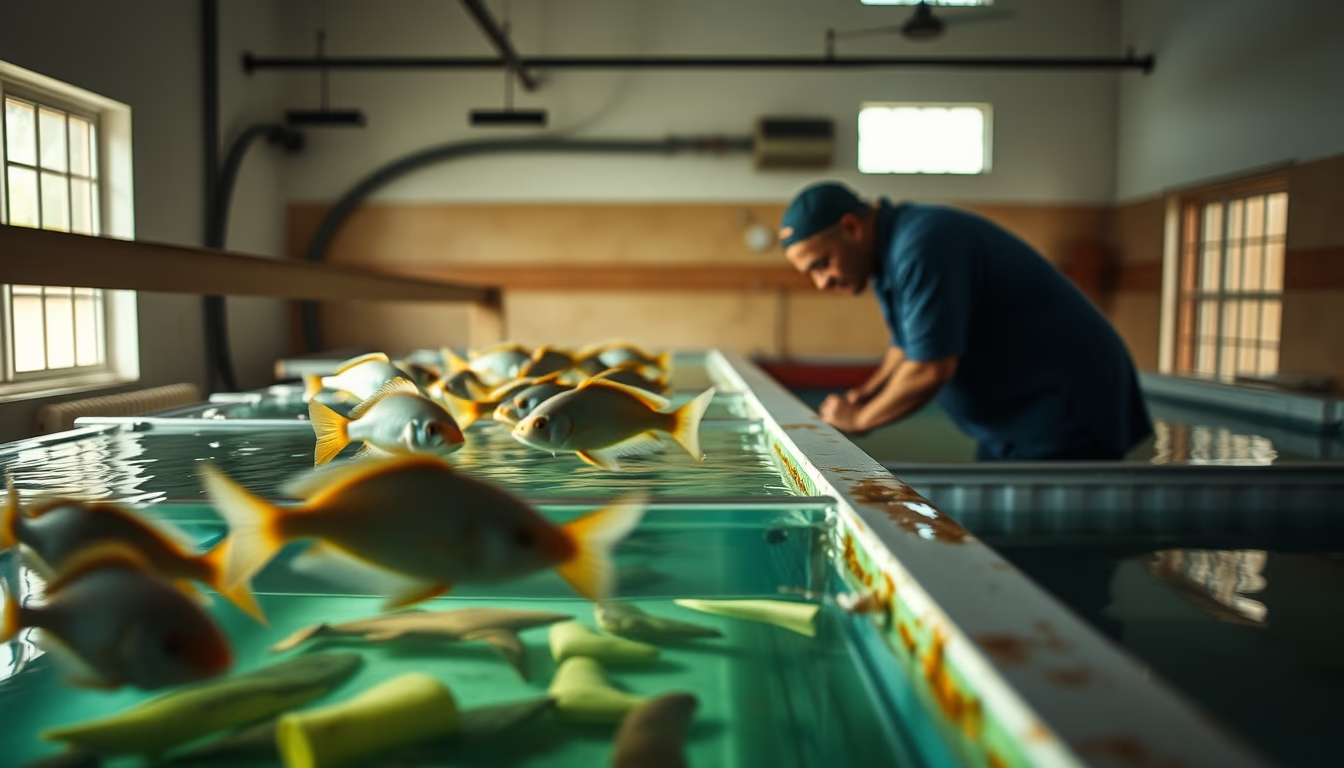
Raceways, also known as continuous-flow tanks, are long, narrow channels designed for intensive fish farming in controlled environments. Typically made of concrete or fiberglass, these channels maintain a constant water flow sourced from rivers, lakes, or recirculation systems. Water enters at one end, passes through the fish, and exits at the other, carrying away waste and ensuring high oxygen levels. This system allows high stocking densities, often reaching 50 kg of fish per cubic meter in well-managed setups.
The most common species raised in raceways are rainbow trout, Atlantic salmon, and tilapia, though they are also used for ornamental fish and endangered species in repopulation programs. Feeding is done manually or via automated systems, and growth is closely monitored. Water temperature, pH, and ammonia levels are critical parameters that require constant control to prevent stress and mortality.
One major advantage of raceways is their lower implementation cost compared to closed recirculating systems, especially where abundant water supply with natural slope is available. However, water consumption is high, potentially exceeding 100 liters per kilogram of fish produced, and nutrient-rich effluent must be treated to avoid pollution. Modern systems integrate biofilters and settling areas to mitigate environmental impacts.
Historically, the first raceways appeared in the United States in the 19th century for trout culture, and today they are used worldwide, from small family farms to large commercial operations. In countries like Brazil and Chile, raceways are particularly common in the southern region and Patagonia, taking advantage of cold, clean waters from high-altitude rivers.
Frequently Asked Questions
What are raceways in aquaculture?
Raceways are rectangular channels with continuous water flow, used for intensive fish farming. They allow high stocking densities and control of environmental parameters.
Which species are most commonly raised in raceways?
Rainbow trout, salmon, and tilapia are the most common species. They are also used for ornamental fish and repopulation programs of endangered species.
What are the main advantages and disadvantages of raceways?
Advantages: low initial cost and operational simplicity. Disadvantages: high water consumption and need for effluent treatment to prevent pollution.
Direct URL
https://pub-c7d6a6ea828543ac903a74a341ccb2e1.r2.dev/imagens/fish-hatchery-raceways-long-exposure-fresh10.avifHow to credit
Include a visible link back to UtilizAí. Copy one of the snippets below:
<a href="https://xn--utiliza-eza.com/en/midia/imagens/fish-hatchery-raceways-long-exposure-fresh10">Fish hatchery raceways</a> by <a href="https://xn--utiliza-eza.com">UtilizAí</a>, licensed under <a href="https://creativecommons.org/licenses/by/4.0/">CC BY 4.0</a>.
[Fish hatchery raceways](https://xn--utiliza-eza.com/en/midia/imagens/fish-hatchery-raceways-long-exposure-fresh10) by [UtilizAí](https://xn--utiliza-eza.com), CC BY 4.0
License: CC-BY-4.0