Fish hatchery raceways
1344×768 · AVIF · CC BY 4.0
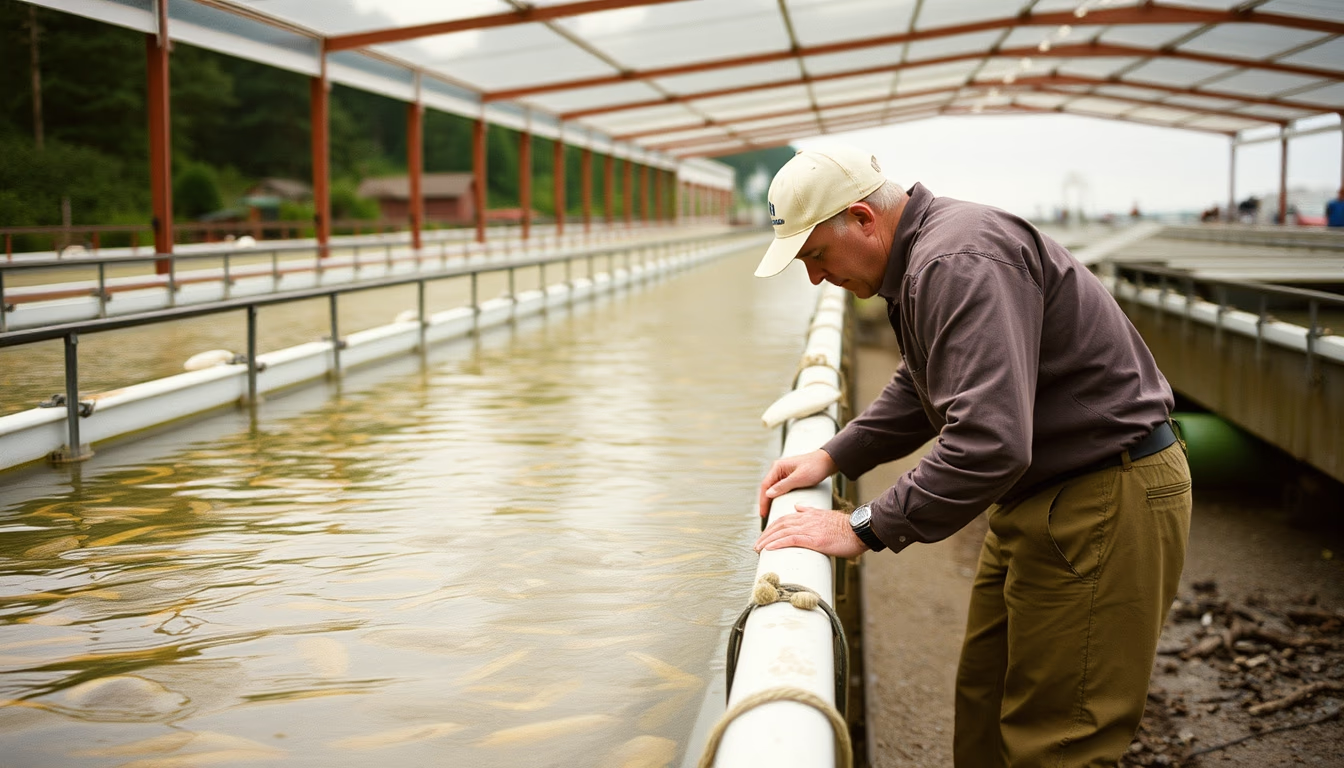
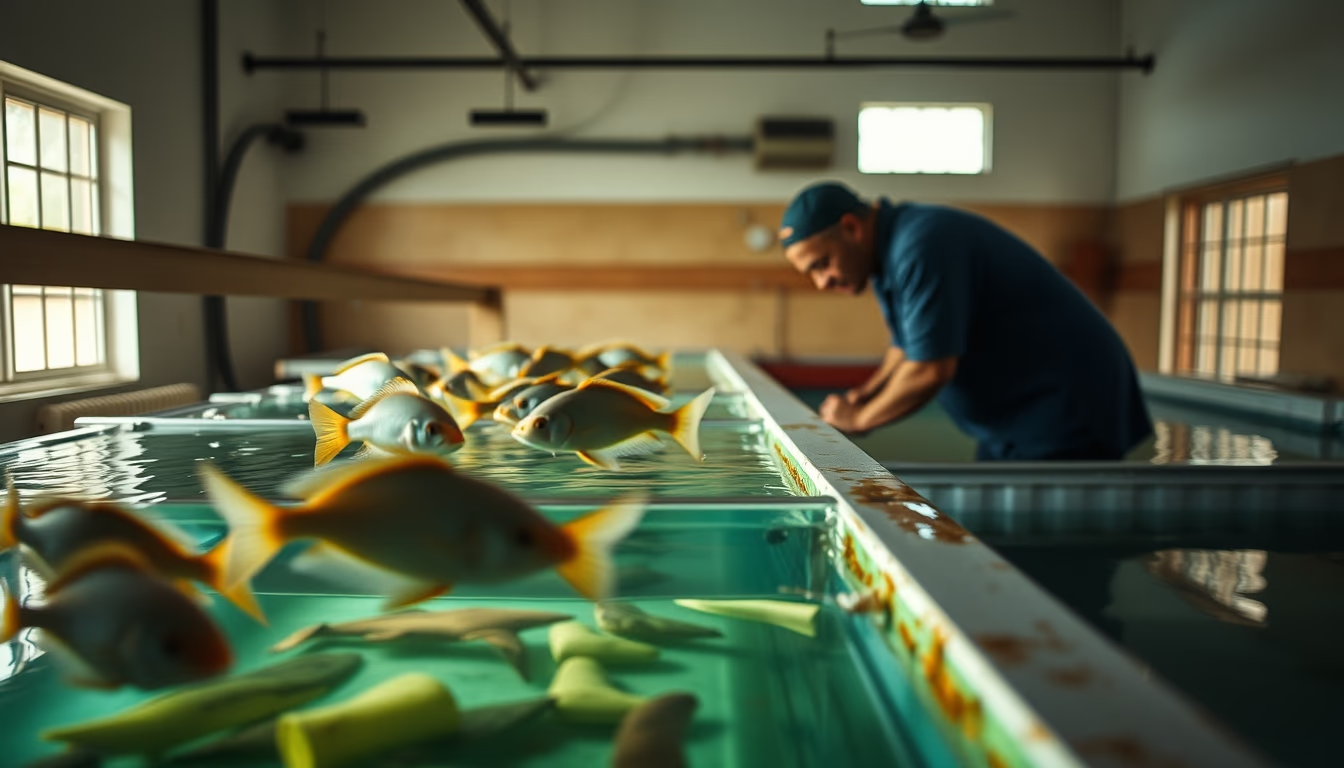
Fish hatchery raceways are concrete channels used in intensive aquaculture for controlled rearing of fingerlings and juvenile fish.
About this subject
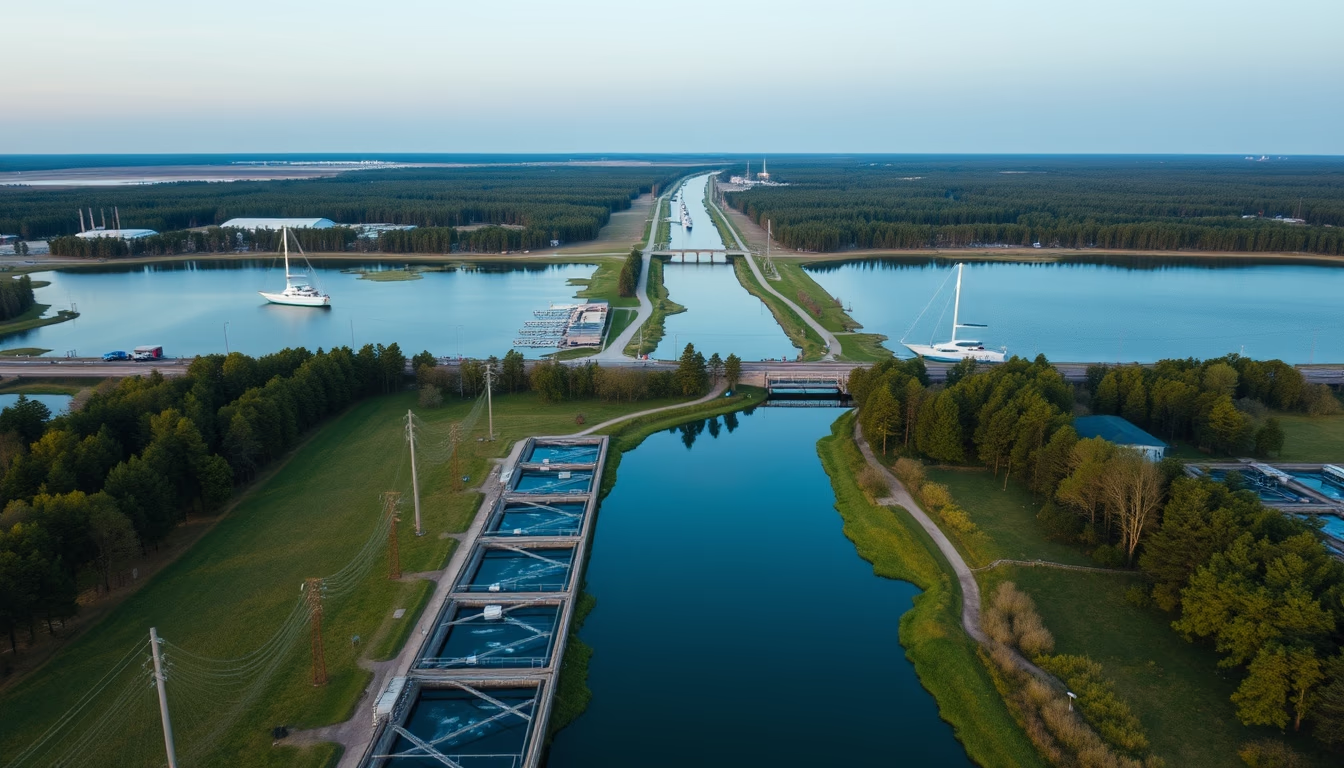
Fish hatchery raceways are linear, flow-through concrete channels designed for intensive fish culture. Developed in the 1940s in the United States for trout farming, these systems allow high stocking densities and efficient water quality management. Water enters at one end, flows rapidly through the tanks, and exits at the other, carrying away metabolic wastes and supplying oxygen. Common species raised in raceways include rainbow trout, Atlantic salmon, tilapia, and channel catfish.
In Brazil, raceways are primarily used in the South and Southeast regions, where cold and temperate water fish farming is strong. The technology enables precise control of temperature, dissolved oxygen, and feeding, reducing mortality and improving feed conversion ratios. Each raceway can be tens of meters long, 2-5 meters wide, and 1-2 meters deep. Flow rates are adjusted according to biomass, achieving complete water exchanges every 10-30 minutes.
A technical aspect: fish density in raceways can reach 100 kg/m³, while conventional ponds rarely exceed 10 kg/m³. This requires supplemental aeration, such as paddlewheel aerators or air diffusers. The slope of the channels is calculated to maintain an optimal velocity of 0.1-0.3 m/s, which encourages swimming and prevents waste accumulation.
Globally, raceways are crucial for low-impact animal protein production, using less land and water per kilogram of fish than livestock farming. Countries like Chile, Norway, and Canada use marine variants, but freshwater raceways are the most widespread. Maintenance includes periodic high-pressure cleaning and continuous monitoring of parameters like pH, ammonia, and nitrite.
Frequently Asked Questions
What is the advantage of raceways over earthen ponds?
Raceways allow higher fish density, more precise water quality control, and lower land use. Continuous water renewal reduces waste buildup and disease, while the flow encourages fish exercise, improving muscle quality.
Which fish species are most commonly raised in raceways in Brazil?
The main species are rainbow trout, tilapia, grass carp, and jundiá. Trout dominates in cold regions (South), while tilapia adapts well to controlled flow in warmer climates.
How is feeding management carried out in a raceway system?
Feeding is mechanized, with automatic or manual feeders distributing feed at strategic points along the channel. The amount is calculated based on biomass and temperature to avoid leftovers that pollute the water.
Direct URL
https://pub-c7d6a6ea828543ac903a74a341ccb2e1.r2.dev/imagens/fish-hatchery-raceways-film-grain-authentic-fresh7.avifHow to credit
Include a visible link back to UtilizAí. Copy one of the snippets below:
<a href="https://xn--utiliza-eza.com/en/midia/imagens/fish-hatchery-raceways-film-grain-authentic-fresh7">Fish hatchery raceways</a> by <a href="https://xn--utiliza-eza.com">UtilizAí</a>, licensed under <a href="https://creativecommons.org/licenses/by/4.0/">CC BY 4.0</a>.
[Fish hatchery raceways](https://xn--utiliza-eza.com/en/midia/imagens/fish-hatchery-raceways-film-grain-authentic-fresh7) by [UtilizAí](https://xn--utiliza-eza.com), CC BY 4.0
License: CC-BY-4.0