Fat bike snow trail
1344×768 · AVIF · CC BY 4.0
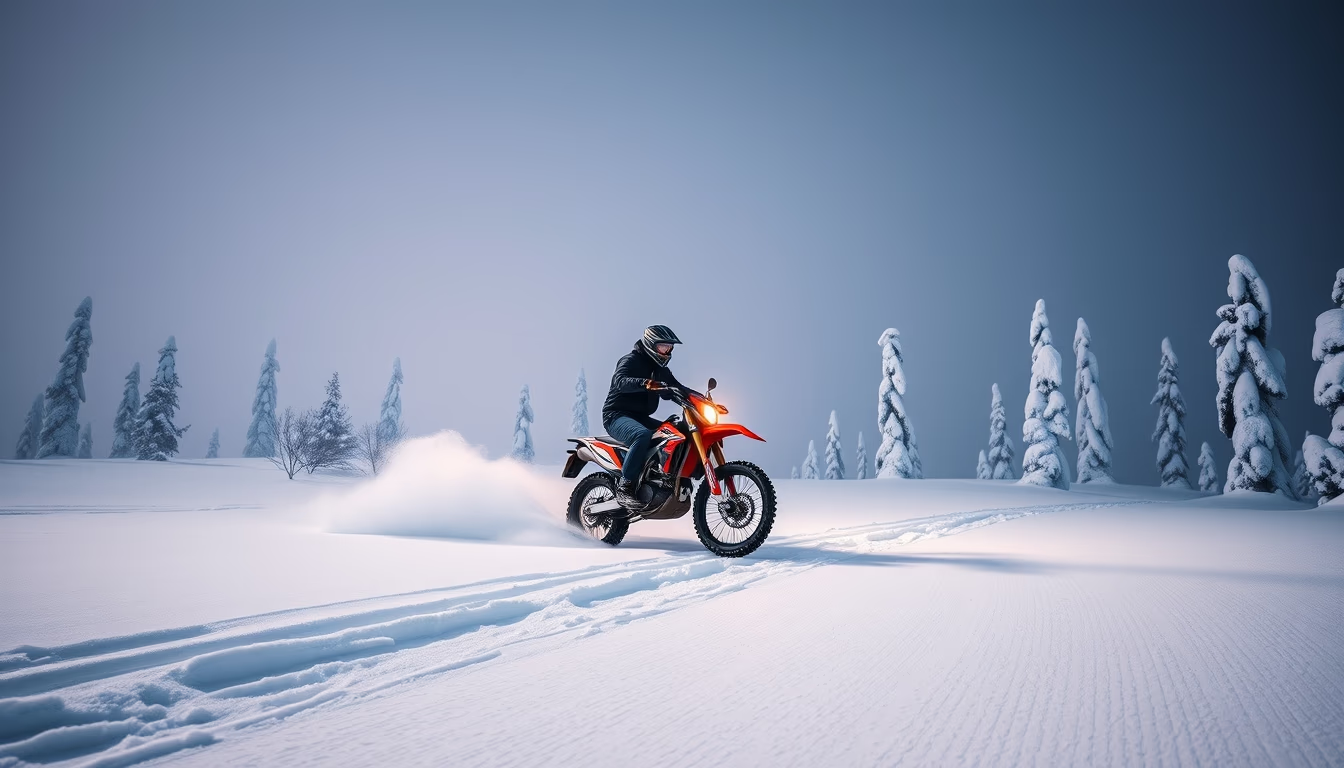
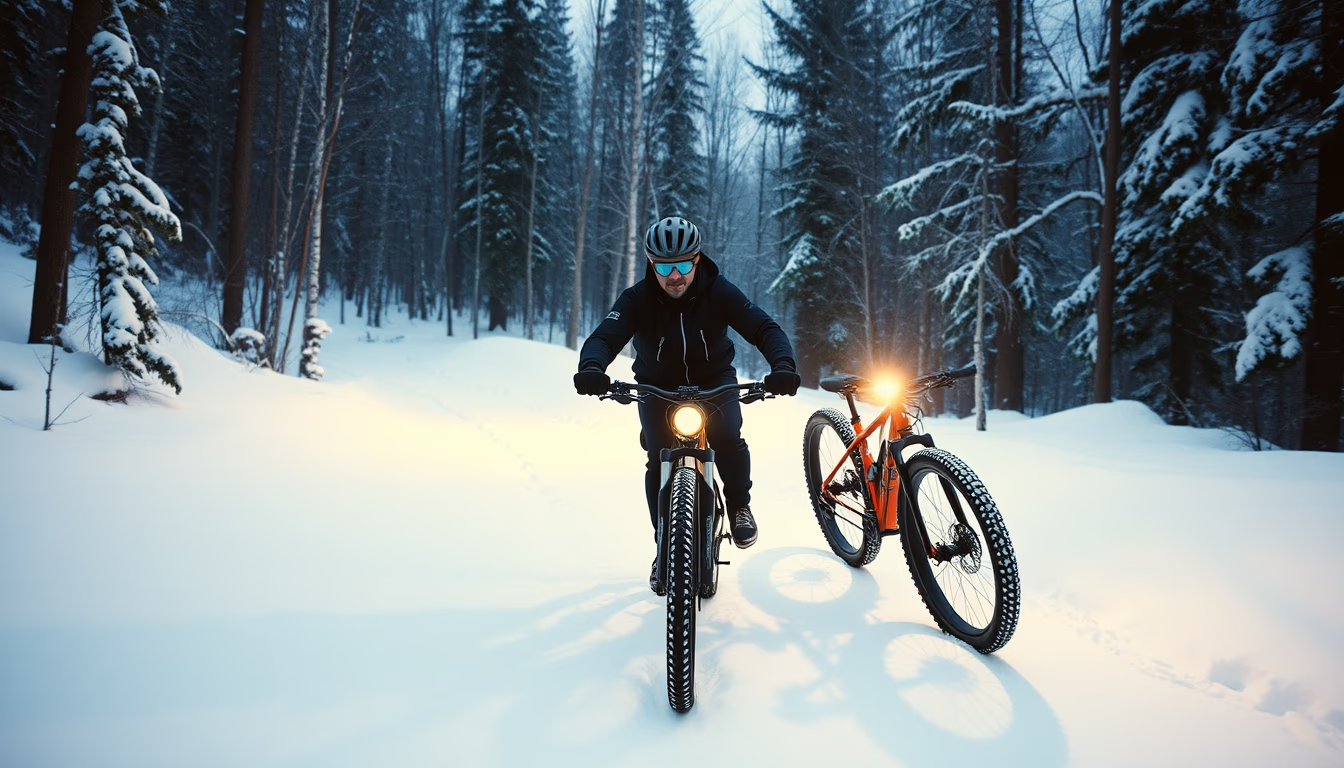
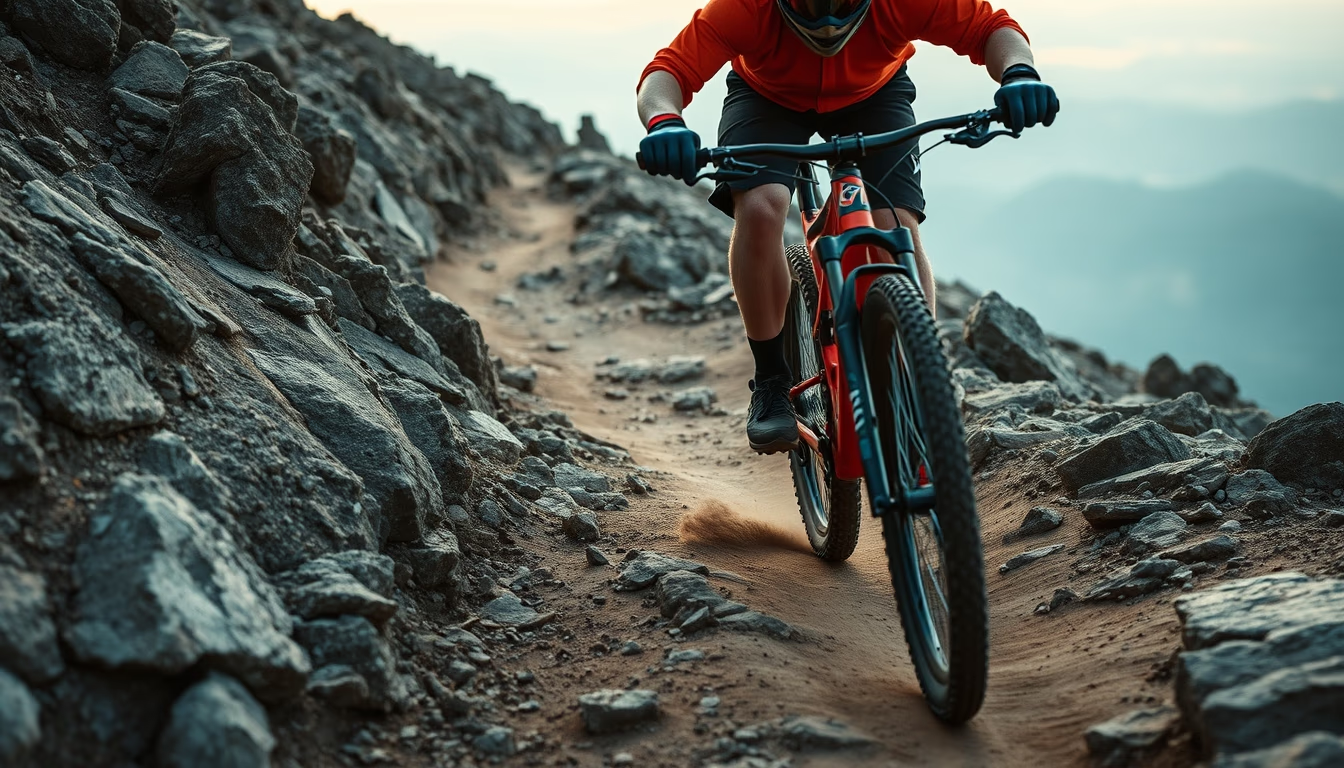
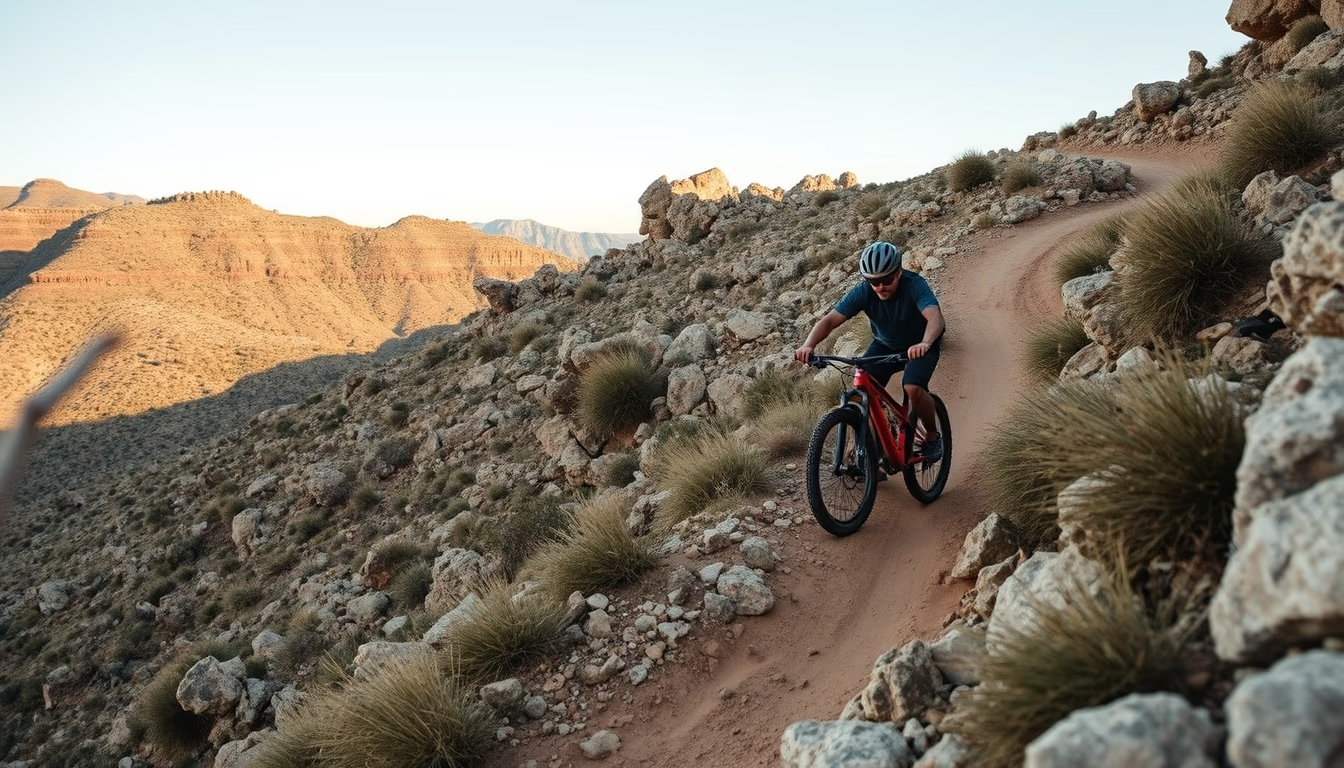
Fat bikes, bicycles with extra-wide tires, enable riding on snowy trails, combining sport and adventure in cold regions.
About this subject
Fat bikes emerged as an adaptation of conventional bicycles for unstable terrains like snow and sand. Their tires, typically 3.8 to 5 inches wide, provide flotation on soft snow, preventing the bike from sinking. This technology is especially popular in countries with harsh winters, such as Canada, Scandinavia, and parts of the United States, where compacted snow trails become winter cycling courses.
The sport requires specific techniques, such as adjusting tire pressure (lower for better traction) and body positioning to maintain balance. In mountainous regions, fat bikes are used both for recreation and competition, such as the Iditarod Trail Invitational in Alaska, an endurance race on snow. Additionally, many U.S. national parks allow fat bikes on cross-country ski trails, promoting integration between activities.
From a technical standpoint, fat bikes typically have robust frames made of aluminum or carbon fiber, with rigid or suspension forks. The drivetrain often features wide gear ranges to tackle steep climbs or loose snow. In recent years, electric models have also gained ground, enabling longer rides without exhaustion. The practice strengthens the cardiovascular system and improves balance, offering an alternative to winter sedentary habits.
Interestingly, the popularity of fat bikes grew rapidly after 2010, driven by innovations in tires and accessories. In Brazil, their use is rare due to the tropical climate, but they gain followers in mountainous regions with frost or rare snowfall, such as São Joaquim (SC). Even so, the niche represents a growing share of the global bicycle market, with dedicated events worldwide.
Frequently Asked Questions
What is the ideal tire pressure for a fat bike on snow?
Typically between 5 and 15 PSI, depending on the rider's weight and snow consistency. Lower pressure increases flotation and traction.
Can fat bikes be used on terrains other than snow?
Yes, they are effective on sand, mud, loose rocks, and dirt roads. The wide tires distribute weight and prevent sinking.
Do I need cycling experience to ride a fat bike on snow?
Some preparation is recommended, as balance and physical effort are greater. Lessons or practice on flat terrain help beginners.
Direct URL
https://pub-c7d6a6ea828543ac903a74a341ccb2e1.r2.dev/imagens/fat-bike-snow-trail-studio-editorial-portrait-fresh7.avifHow to credit
Include a visible link back to UtilizAí. Copy one of the snippets below:
<a href="https://xn--utiliza-eza.com/en/midia/imagens/fat-bike-snow-trail-studio-editorial-portrait-fresh7">Fat bike snow trail</a> by <a href="https://xn--utiliza-eza.com">UtilizAí</a>, licensed under <a href="https://creativecommons.org/licenses/by/4.0/">CC BY 4.0</a>.
[Fat bike snow trail](https://xn--utiliza-eza.com/en/midia/imagens/fat-bike-snow-trail-studio-editorial-portrait-fresh7) by [UtilizAí](https://xn--utiliza-eza.com), CC BY 4.0
License: CC-BY-4.0