Fat bike snow trail
1344×768 · AVIF · CC BY 4.0
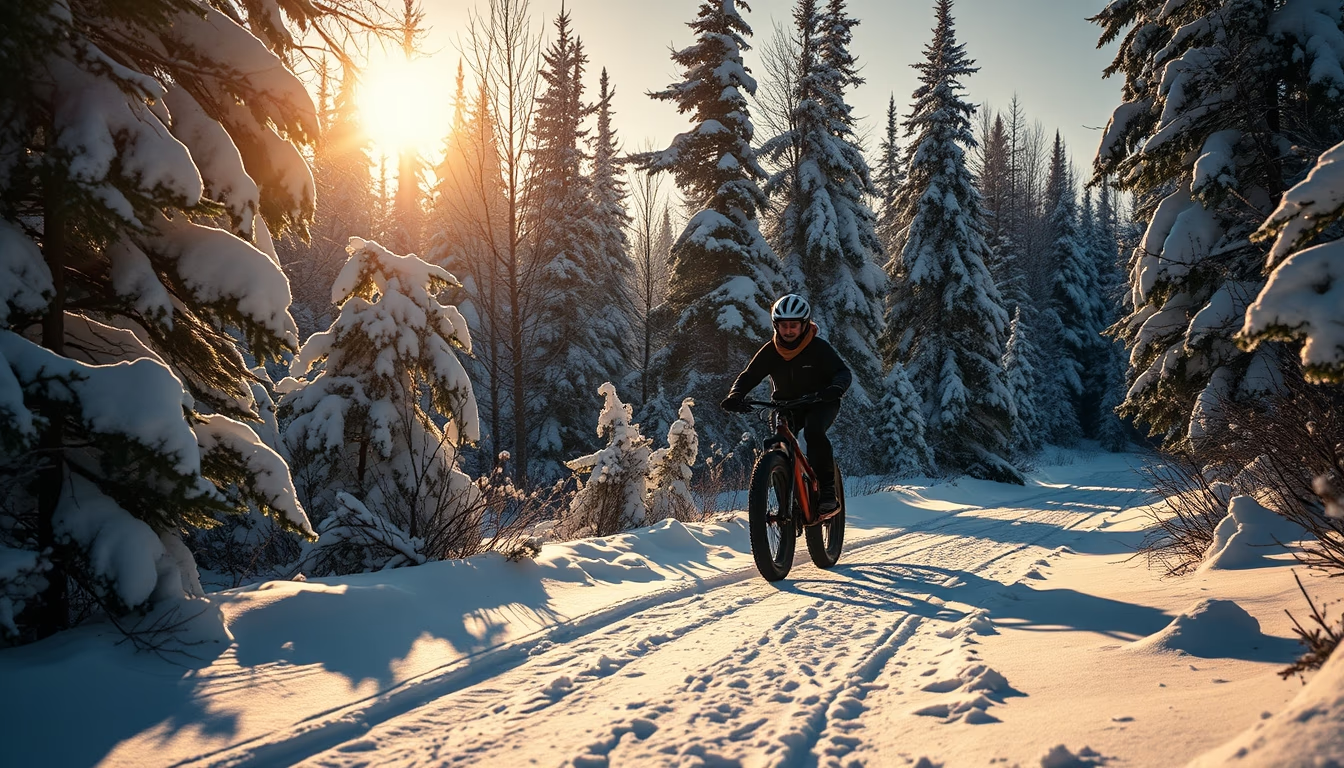
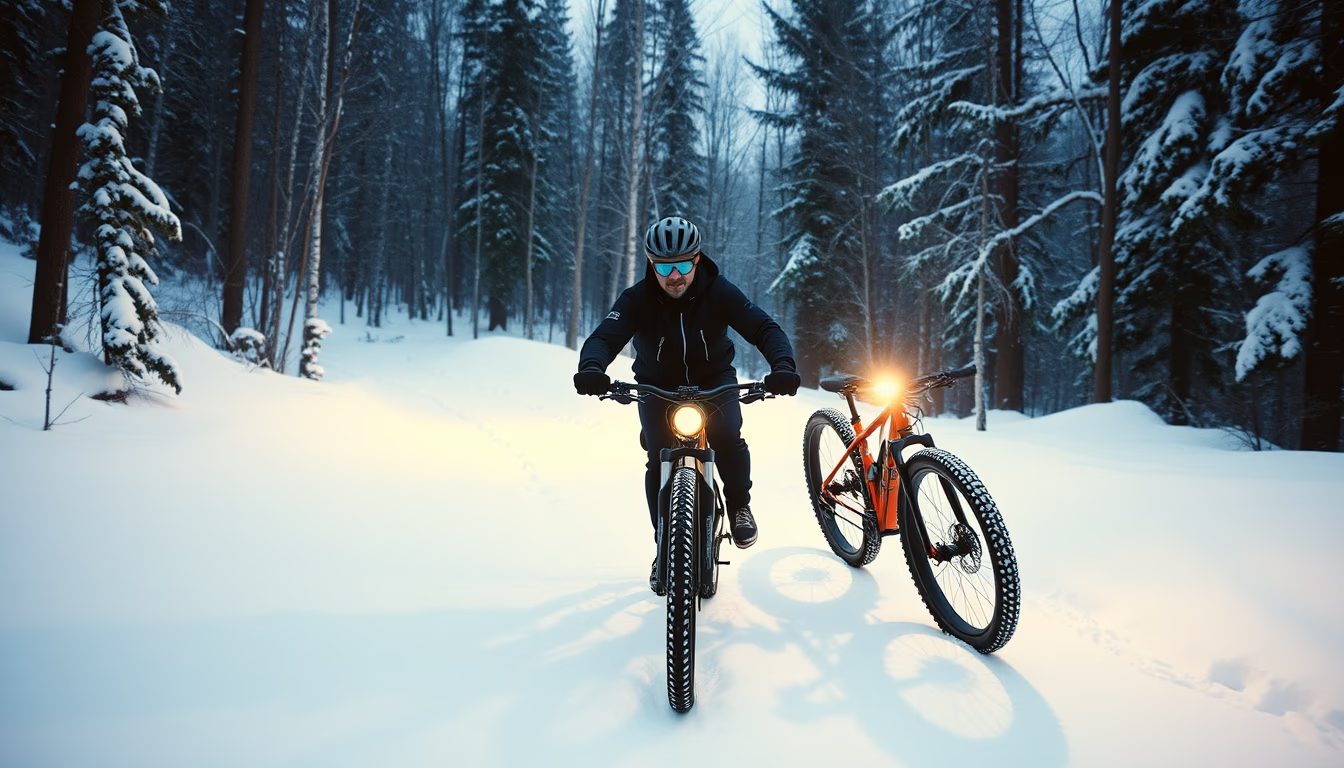
Fat bikes are bicycles with oversized tires designed for riding on snow and sand. Discover how they transformed winter cycling.
About this subject
Fat bikes, or bicycles with oversized tires, emerged as an innovation to tackle unstable terrain such as snow, sand, and mud. Developed in the 1980s and 1990s in regions like Alaska and Colorado, these bikes use tires at least 3.8 inches wide, allowing low pressure and high flotation on soft surfaces. The result is an off-road cycling experience that is not limited to summer: with a fat bike, you can ride on snowy trails, beaches, and even deserts.
The design of a fat bike includes robust frames, usually aluminum or carbon, and front forks with extra clearance to accommodate the bulky tires. Geometry is typically relaxed, prioritizing stability and comfort on rough terrain. Many models come with wide-range drivetrains to help overcome additional resistance from snow or sand. Fat bike popularity exploded around 2010, with manufacturers like Surly, Salsa, and Trek launching dedicated models.
In winter, riding a fat bike on snow-covered trails offers an intense workout and direct contact with the icy landscape. Unlike skiing or snowboarding, the fat bike allows exploring vast areas with continuous effort. Events such as the Fat Bike World Championship in Crested Butte, Colorado, attract competitors from around the globe. Beyond recreation, fat bikes are used in backcountry rescues and polar expeditions where conventional vehicles cannot travel.
Fun facts: the speed record on a fat bike over snow exceeds 60 km/h, achieved on steep descents. Tire pressure can go as low as under 5 psi, extremely low compared to traditional bikes. For those living in regions with frequent snow, the fat bike replaces the regular bicycle during winter months, maintaining active and sustainable mobility.
Frequently Asked Questions
What is the minimum tire width for a fat bike?
Typically, fat bike tires are at least 3.8 inches (about 9.7 cm) wide, but some models reach 5 inches (12.7 cm) for greater flotation.
Are fat bikes only suitable for snow?
No. They also excel on sand, mud, loose gravel, and even pavement, though rolling speed is slower. Versatility is a key appeal.
What is the ideal tire pressure for riding on snow?
Pressure ranges from 2 to 10 psi, depending on rider weight and snow consistency. Very low pressures (under 5 psi) offer more traction but increase puncture risk.
Direct URL
https://pub-c7d6a6ea828543ac903a74a341ccb2e1.r2.dev/imagens/fat-bike-snow-trail-rembrandt-lighting-dramatic-shadows-fresh4.avifHow to credit
Include a visible link back to UtilizAí. Copy one of the snippets below:
<a href="https://xn--utiliza-eza.com/en/midia/imagens/fat-bike-snow-trail-rembrandt-lighting-dramatic-shadows-fresh4">Fat bike snow trail</a> by <a href="https://xn--utiliza-eza.com">UtilizAí</a>, licensed under <a href="https://creativecommons.org/licenses/by/4.0/">CC BY 4.0</a>.
[Fat bike snow trail](https://xn--utiliza-eza.com/en/midia/imagens/fat-bike-snow-trail-rembrandt-lighting-dramatic-shadows-fresh4) by [UtilizAí](https://xn--utiliza-eza.com), CC BY 4.0
License: CC-BY-4.0