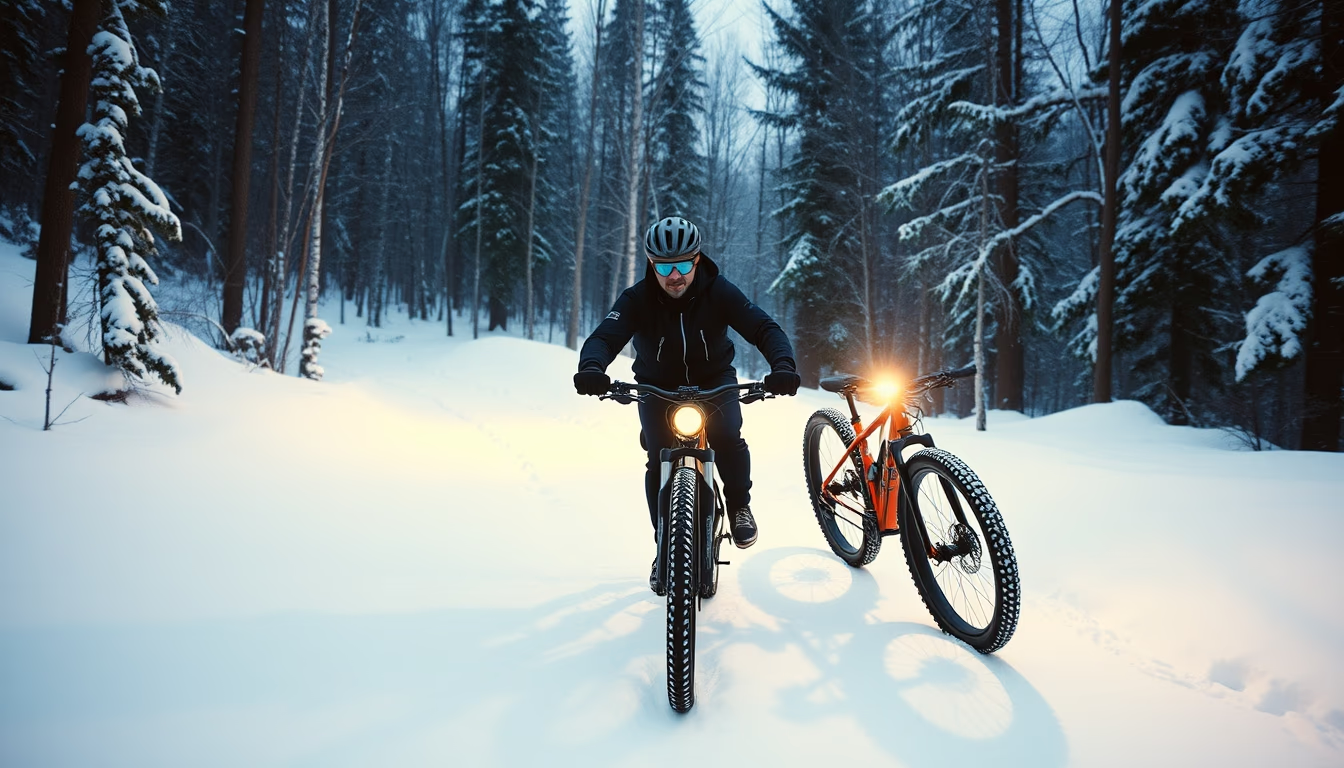
Fat bike snow trail
1344×768 · AVIF · CC BY 4.0
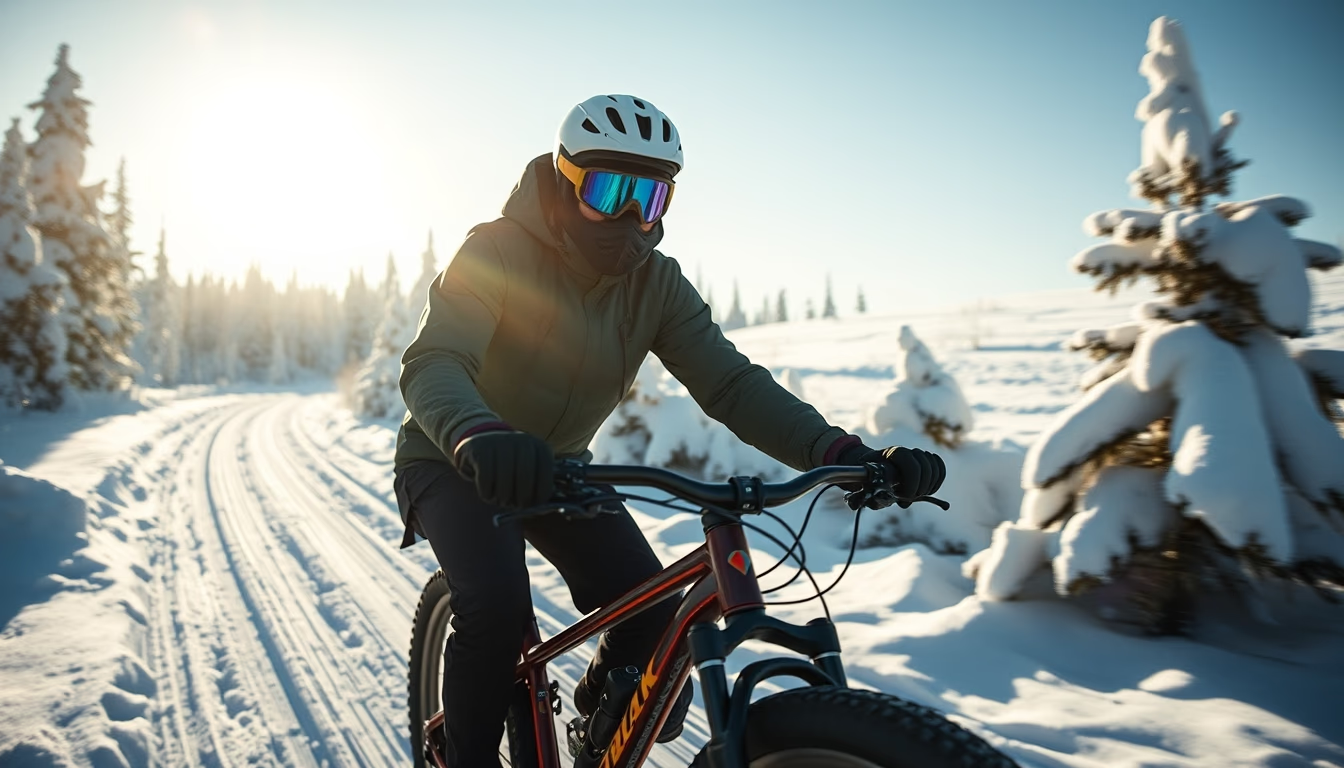
A fat bike with oversized tires glides along a snowy trail in a mountainous region, blending off-road cycling and winter sports.
About this subject
The fat bike is a bicycle characterized by oversized tires, typically 3.8 to 5 inches wide, designed for riding on soft surfaces like snow, sand, and mud. The concept originated in Alaska during the 1980s, when cyclists adapted motorcycle tires to pedal on compacted snow. Since then, design has evolved with aluminum or carbon fiber frames, wide gear ranges, and hydraulic disc brakes. Low tire pressure (5 to 15 psi) creates a large contact patch that distributes the rider's weight, preventing the bike from sinking into fluffy snow. This technology has expanded cycling to regions with harsh winters, such as Scandinavia, Canada, and southern Brazil. In São Joaquim (SC), for instance, snowy trails have become seasonal tourist attractions. Beyond recreation, fat bikes are used in competitions like the Iditarod Trail Invitational, an ultra-endurance race in Alaska covering up to 1,600 km over ice and snow. Athletes face challenges like reduced visibility, temperatures below -30°C, and need for specific gear: thermal clothing, thick gloves, and goggles to protect against sun glare on snow. The practice requires refined technique to maintain balance on tight turns and varying traction between compact and powdery snow. Despite the extra weight of the tires (around 4 kg each), the bike offers a unique experience of connecting with frozen landscapes.
Frequently Asked Questions
What is the ideal tire pressure for a fat bike on snow?
Between 5 and 15 psi, depending on rider weight and snow consistency. Lower pressure increases floatation but reduces puncture protection.
Are fat bikes suitable for beginners in snow cycling?
Yes, because the wide tires provide stability and require less balancing skill. However, it's advisable to practice on compacted snow before attempting more technical trails.
What extra care is needed when riding a fat bike on snow?
Lubricate the chain with low-temperature-specific products, wear waterproof and thermal clothing, protect brakes from ice, and carry multi-tools for repairs.
Direct URL
https://pub-c7d6a6ea828543ac903a74a341ccb2e1.r2.dev/imagens/fat-bike-snow-trail-documentary-photography-fresh5.avifHow to credit
Include a visible link back to UtilizAí. Copy one of the snippets below:
<a href="https://xn--utiliza-eza.com/en/midia/imagens/fat-bike-snow-trail-documentary-photography-fresh5">Fat bike snow trail</a> by <a href="https://xn--utiliza-eza.com">UtilizAí</a>, licensed under <a href="https://creativecommons.org/licenses/by/4.0/">CC BY 4.0</a>.
[Fat bike snow trail](https://xn--utiliza-eza.com/en/midia/imagens/fat-bike-snow-trail-documentary-photography-fresh5) by [UtilizAí](https://xn--utiliza-eza.com), CC BY 4.0
License: CC-BY-4.0