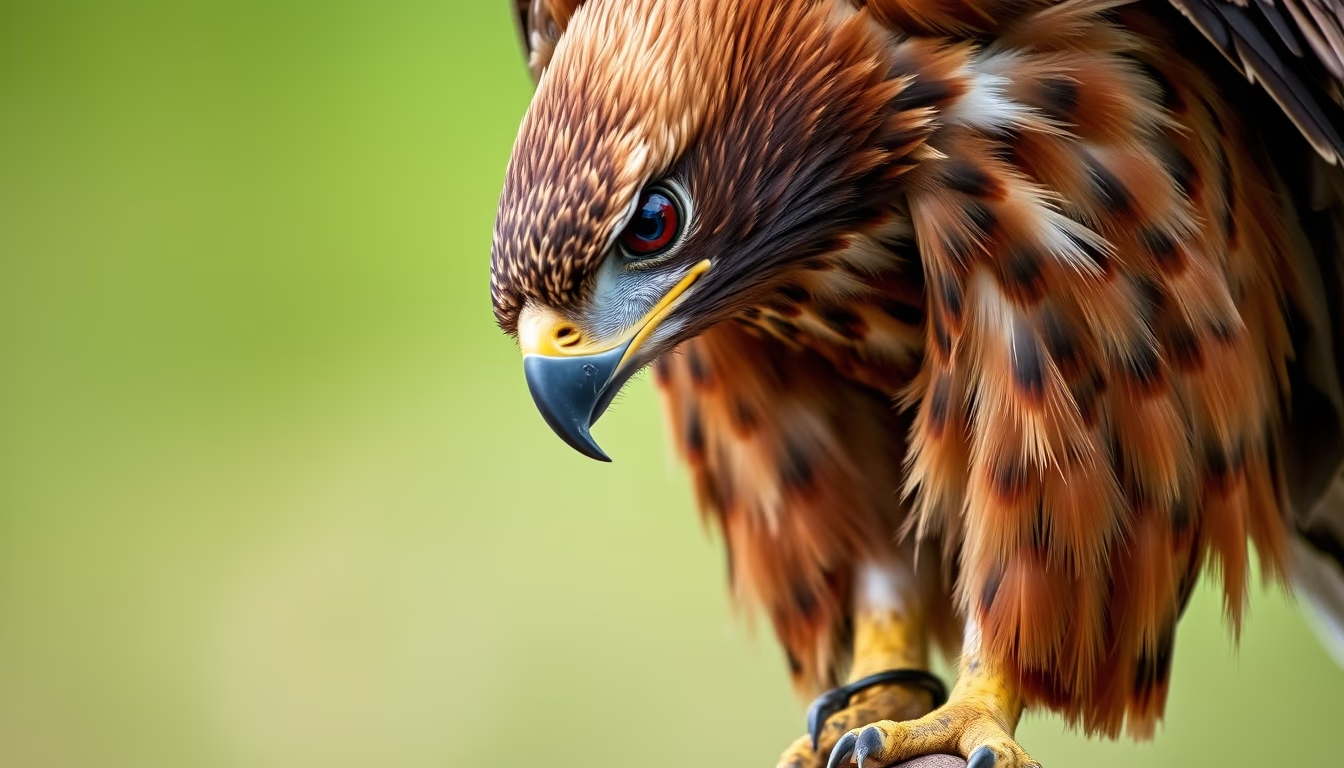
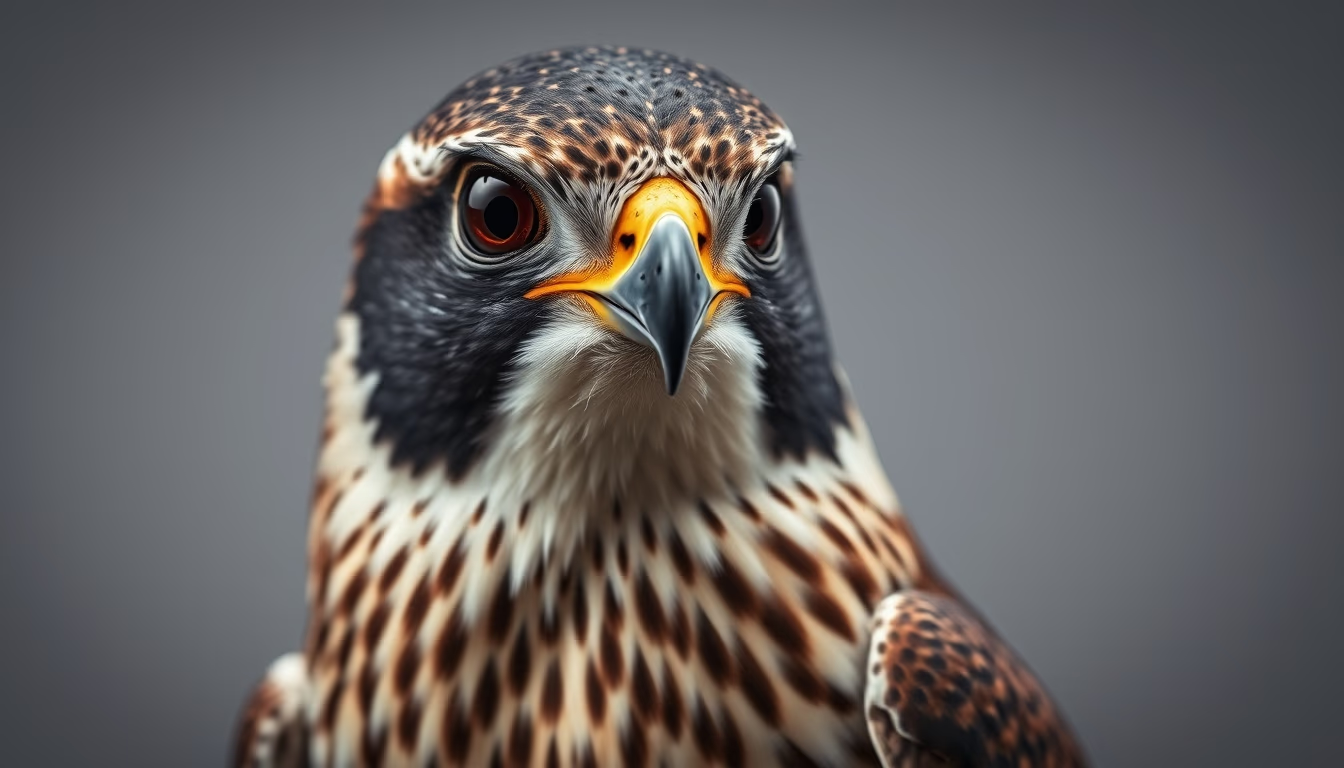
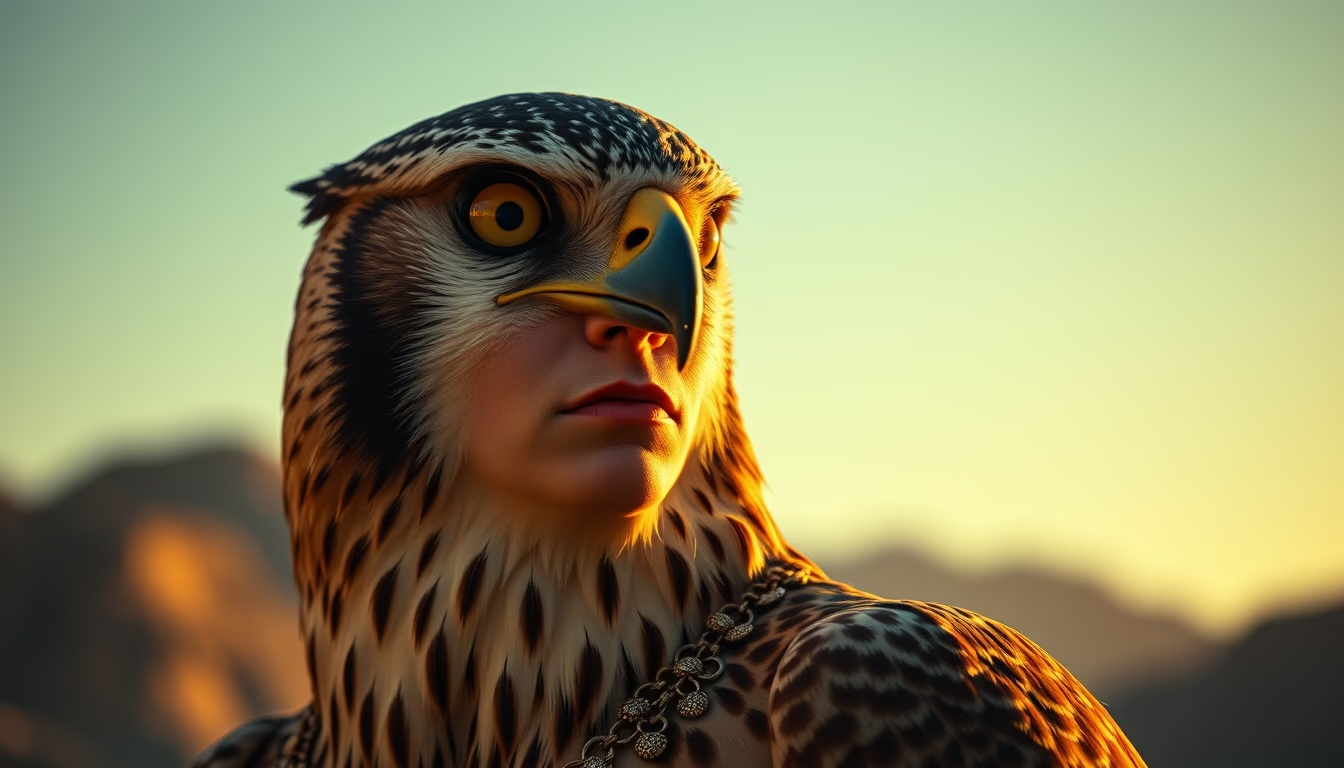
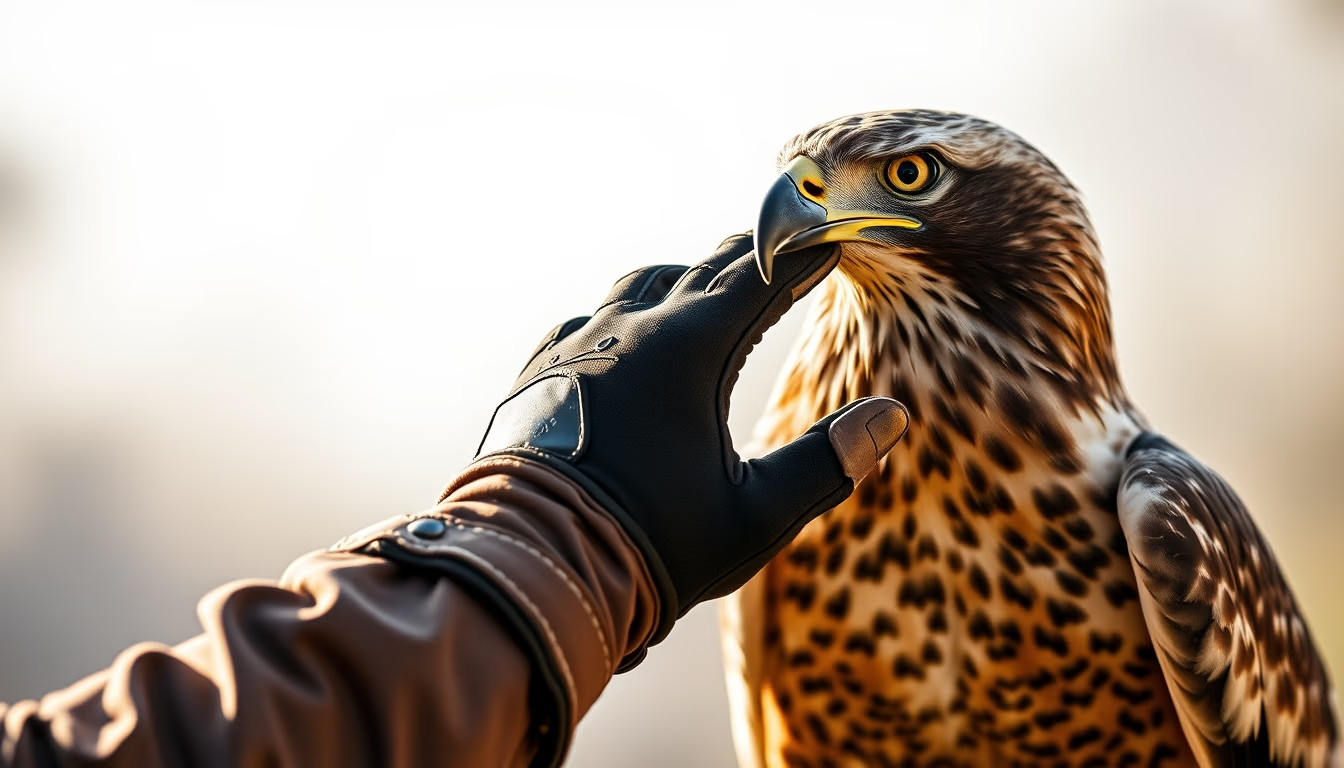
Falcon perch leather hood
1344×768 · AVIF · CC BY 4.0
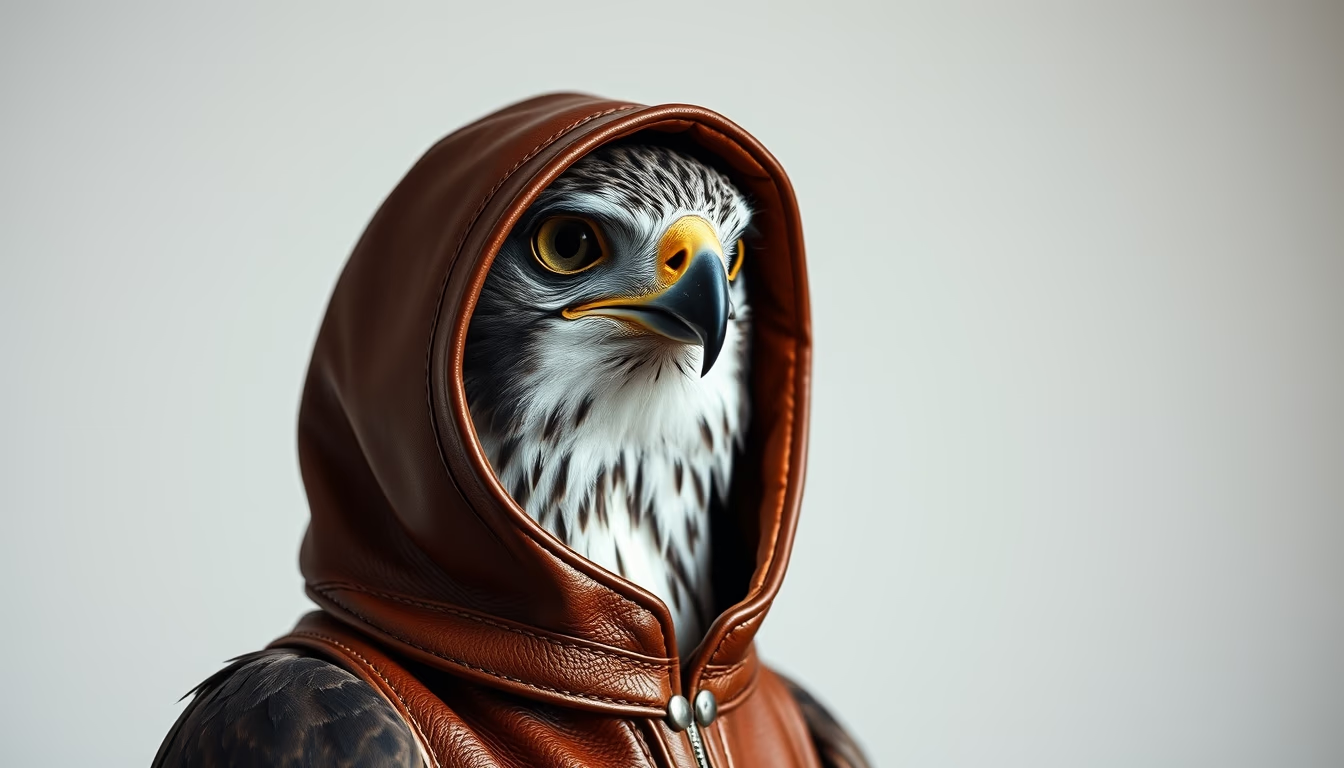
The leather falcon hood, an essential piece in falconry, calms the bird during transport and training, featuring handcrafted design and ancient history.
About this subject
The leather hood, also known as a falconry hood, is a traditional accessory used for thousands of years in the art of falconry. Its primary function is to keep the falcon calm by blocking its vision, preventing visual stimuli that could stress the bird during transport or waiting periods. Handcrafted from soft leather such as cowhide or suede, the hood is anatomically molded to fit perfectly on the bird's head without causing discomfort. Details like the topknot and adjustment cords allow the falconer to put on and remove the hood quickly and precisely, essential in hunting or demonstration scenarios.
The origin of the hood dates back to ancient civilizations in the Middle East and Central Asia, where falconry developed as a noble hunting practice. With its spread to Europe during the Middle Ages, hoods gained regional variations, such as the Dutch hood and the Indian hood. Leather was often decorated with embroidery, metalwork, or feathers, indicating the owner's status. Today, making hoods is considered an art preserved by master craftsmen, who use precise cutting and hand-stitching techniques to ensure durability and safety.
It is important to note that hood use is temporary and done with extreme care to avoid harming the bird. Falcons, such as Falco peregrinus and Accipiter gentilis, have sensitive heads; therefore, hoods are lined with soft, breathable materials. Each species requires a specific design: birds with larger beaks or more forward-facing eyes need adjustments in the hood's opening and depth. Furthermore, training to accept the hood is gradual, starting with exposure to an empty hood before actual placement, respecting animal welfare.
Interestingly, the hood serves not only to calm but also to protect the falcon's eyes from branches and dust during flights in dense areas, and to prevent the bird from being startled by sudden light changes. In modern falconry, leather hoods remain preferred over synthetic versions because natural material adapts better to body heat and offers greater breathability. Choosing the right hood is a sign of knowledge and respect for the bird, reflecting centuries of tradition.
Frequently Asked Questions
Why do falcons wear hoods?
The hood blocks the falcon's vision, reducing visual stimuli that can cause stress and agitation. This keeps the bird calm during transport, training, or waiting for hunting, essential for the animal's safety and well-being.
Does a falconry hood fit any species of falcon?
No. Each species requires a hood with specific design, considering head shape, eye position, and beak size. For example, peregrine falcons have rounder heads, while goshawks have forward-facing eyes, requiring adjustments in the hood's opening.
How is a handmade falconry hood made?
The hood is cut from soft leather, usually cowhide or suede, wet-molded over an anatomical form, and hand-stitched. It includes a topknot for adjustment straps and a soft inner lining to prevent irritation. The process takes hours and requires deep knowledge of bird anatomy.
Direct URL
https://pub-c7d6a6ea828543ac903a74a341ccb2e1.r2.dev/imagens/falcon-perch-leather-hood-minimalist-composition-fresh5.avifHow to credit
Include a visible link back to UtilizAí. Copy one of the snippets below:
<a href="https://xn--utiliza-eza.com/en/midia/imagens/falcon-perch-leather-hood-minimalist-composition-fresh5">Falcon perch leather hood</a> by <a href="https://xn--utiliza-eza.com">UtilizAí</a>, licensed under <a href="https://creativecommons.org/licenses/by/4.0/">CC BY 4.0</a>.
[Falcon perch leather hood](https://xn--utiliza-eza.com/en/midia/imagens/falcon-perch-leather-hood-minimalist-composition-fresh5) by [UtilizAí](https://xn--utiliza-eza.com), CC BY 4.0
License: CC-BY-4.0